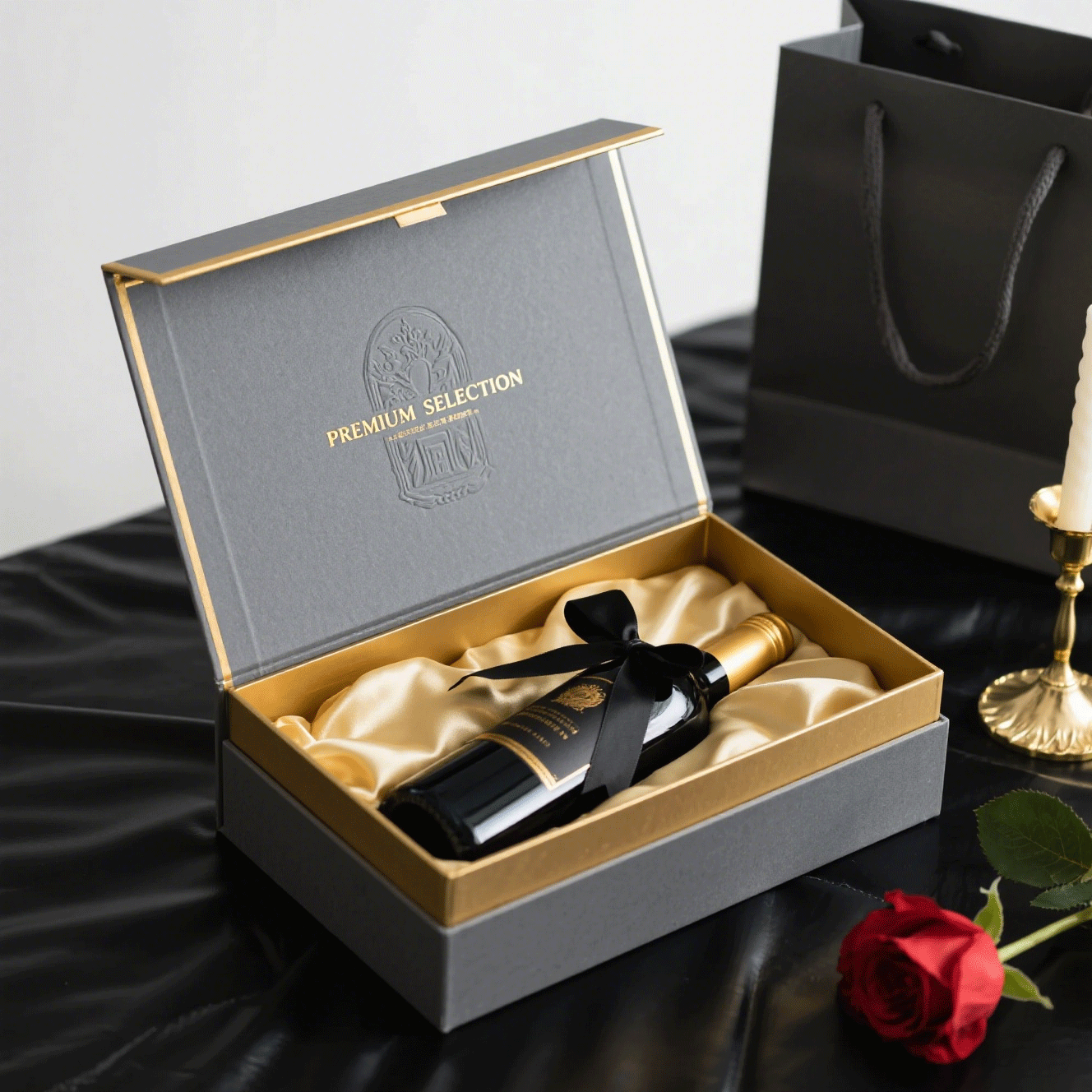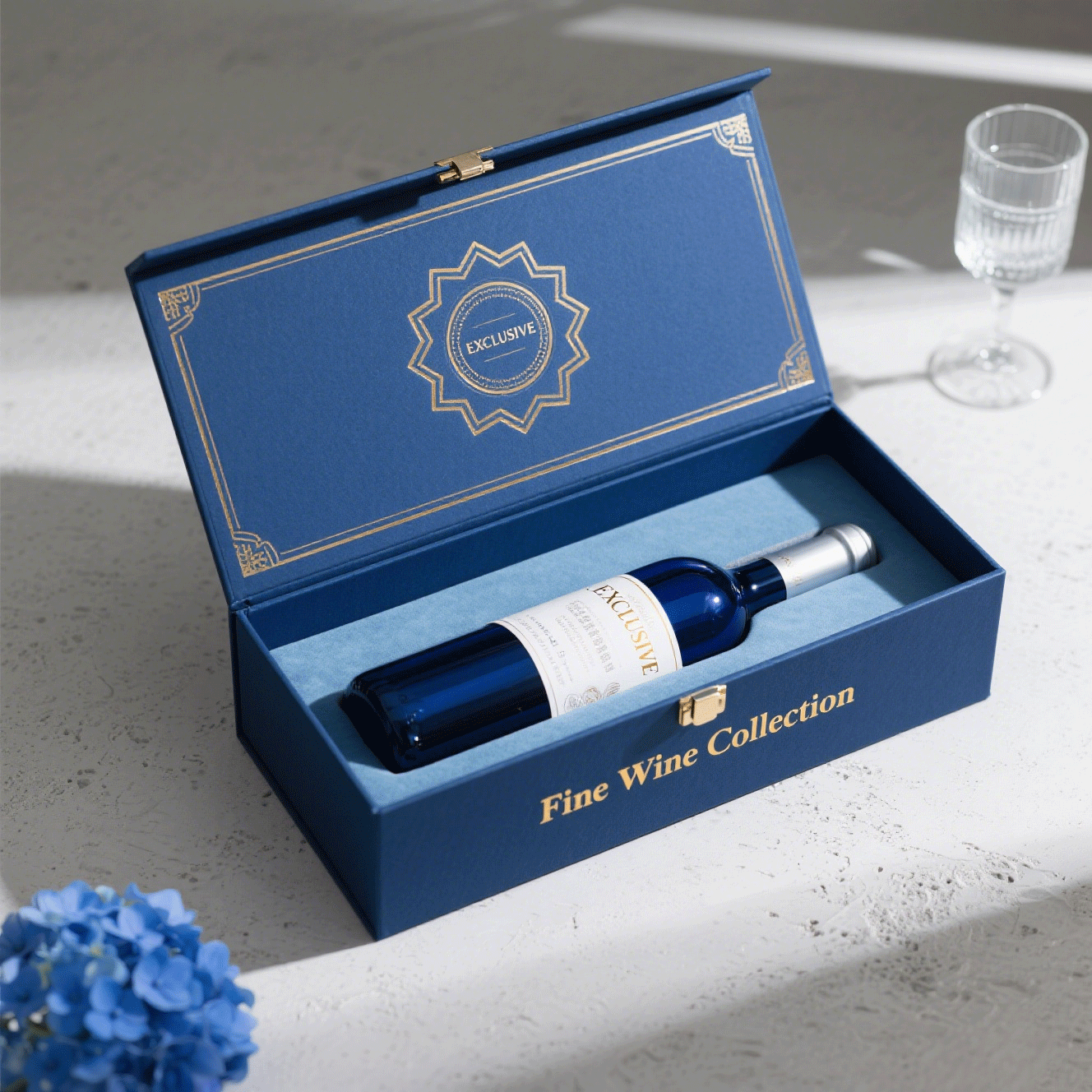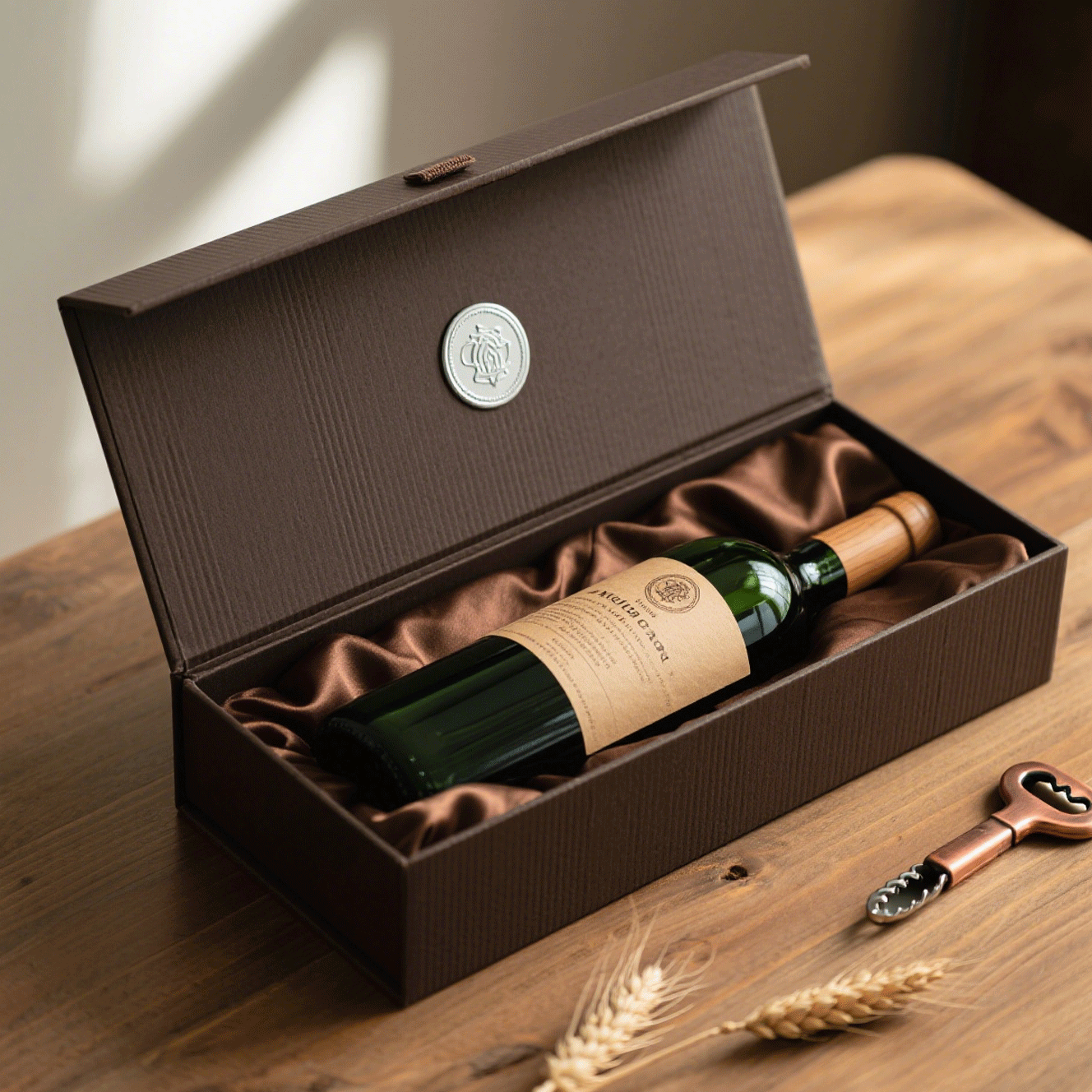
Although the design of packaging is frequently judged before the watch brand is even rated, it has a defining contribution to the perception of the brand, their positioning, and their ultimate value. In the case of watch companies, the box is often the very first physical contact point of a customer with the marque. During such first unboxing, the impressions are made on the quality, veracity, and the brand level in general.
Most of the brands continue to view packaging as a cost center which is an expense that needs to be reduced instead of being viewed as a strategic asset that can be exploited. This perception lacks one basic fact, customers respond to the packaging signals as straight pointing to the value of the product and seriousness of the brand. Incompatible or subpar box can insidiously undermine trust and perceived value, whereas considerate design can insidiously strengthen credibility and pricing strength.
The perception, trust, or positioning of a watch brand in the market even before the watch is put on are directly influenced by the design of the packaging.
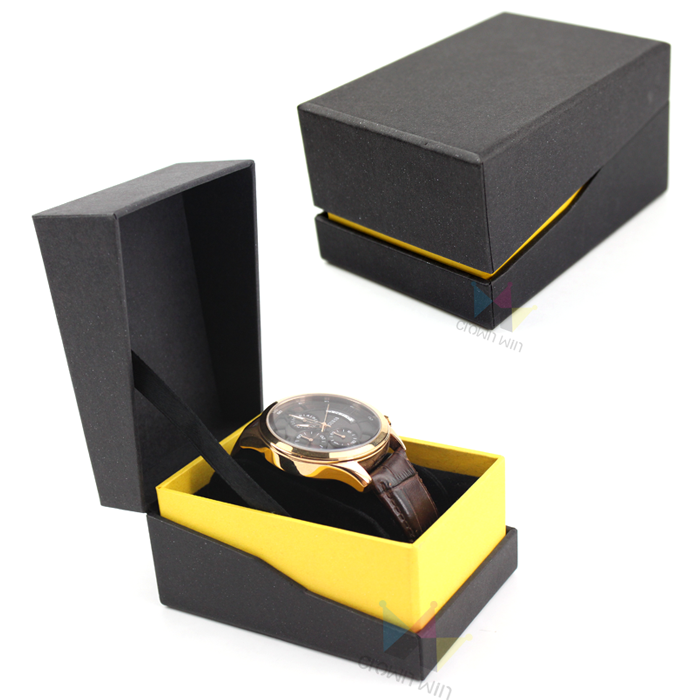
Packaging as a Brand Signal in the Watch Industry
Packaging is one of the strongest and efficient brand messages in the world of watches.
The watches have a special place among consumer goods: they are hardly purchased as utilitarian. They have a symbolic value – status, achievement, personal taste, heritage. Owing to this, all the aspects around the timepiece are incorporated in the story which the brand is attempting to tell. The design of the packaging has to convey purpose, level of crafts and target market in a manner that is clear and subtle.
Take-into-account how the cues related to packaging coincide with perceived brand levels. An entry level work usually involves use of lowly functional boxes that focus on cost. Mid-pricing brands are concerned with a cautious approach, to have features of design that suggest understated elegance, without being excessively indulged. On the high end, packaging is a continuation of the watch itself- through the use of weight, feel and conscious restraint to attest exclusivity and attention to detail. Such visual and physical cues serve to place the brand in the right place in the mind of the buyer, they tend to predetermine the expectations before even the watch face is visible.
How Packaging Design Reinforces Brand Positioning
The best design of packages happens when they reflect and enhance the values the brand is all about.
Aligning true aims at drawing the watch into the box- it actually continues the brand story. A no-frills, trendier targeted brand could incorporate clean lines, muted colours and quality but unostentatious materials to refer to classic study elegance. A new, younger brand image could take into consideration more bold structural choices or current finishes that would be future-oriented. This is achievable via consistency in the product itself, as well as in the packaging and the overall messaging; that way, it does not cause confusion but a more robust recognition in the long term.
Disengagement arises when packaging and brand values are at variance and the customers will cast ambiguous signals that the customers have.
The following are some of the ways in which the various levels of positioning normally treat packaging cues:
| Brand Positioning | Packaging Design Focus | Common Risk |
| Entry Luxury | Simplicity, cost control | Generic appearance |
| Mid Luxury | Balance of design and quality | Mixed brand signals |
| High Luxury | Materials, structure, experience | Overengineering |
Such signifiers are seldom not deliberate. Companies that are mindful about packaging are more apt to hold firmer positioning and a stronger pricing power.
Comparing magnetic closure styles and rigid ones can help clarify trade-offs when the brand is considering structural options that best support premium positioning—see our detailed analysis on which watch box style is better for premium brands.
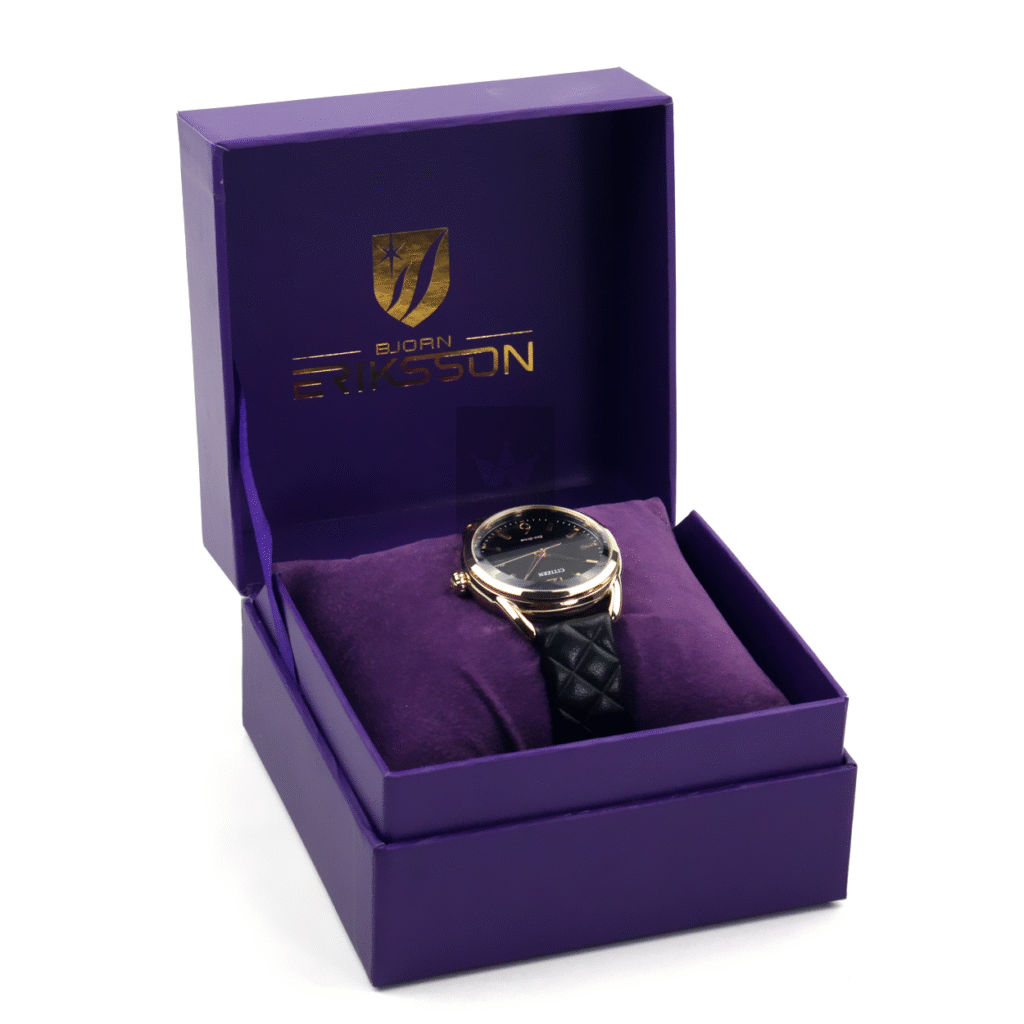
Structural Choices Shape Perceived Quality
The sense of craftsmanship, it is judged surprisingly much based on the physical aspect of the packaging box.
When properly designed with tight tolerances in a rigid box and an appetizing magnetic closure, a solid impression and attention to detail are immediately produced. The initial experience, which is how the lid opens, the reaction that is generated by it, a slight sound of the parts interacting, etc. is a micro-ritual that sets the customer psychologically ready to think of the watch as something exceptional. On the other hand, a poor building or a clumsy uncovering might reduce even the best relocation to a lesser level.
These are not pointless structural choices. They affect haptic, visual, and emotional response, all of which are directly related to quality and legitimacy perceptions.
Design Consistency and Long-Term Brand Equity
The use of a consistent packaging language across years reinforces brand equity much better than regular redesigns.
Regularity enhances familiarity and trust- customers learn the signature of the brand with repeated exposure whether in the store or through on-line unboxings or in the second hand sales. The risk that the equity will be diluted comes in case of packaging change that is not clearly based on strategic reasoning. When the materials, colour scheme, and the composition change abruptly, it may disorient the brand loyalists and make the brand seem less intentional or more grounded.
Patience is the source of long-term equity: think over what should be thought over occasionally, but retain the fundamental visual and physical image that identifies the marque.
When Packaging Design Undermines Brand Positioning
Bad packaging decisions may leave significant sentences of distrust and perceived incoherence.
The pitfalls that should be avoided are too elaborate boxes on the watches with a modest position (that makes it look forced) or sparse packaging on expensive watches (that can be interpreted as cheap or unfinished). The other common problems seem to be where the structure is not sufficient to offer the needed protection to the product, or where the finishes flake, fade, or wear out too soon- little details that all give little notice of a drop in standards.
These disconnects do not merely impact the quality of first impression, they may persist in the mind of the customer undermining the credibility of the brand in terms of its general performance in quality control and attention to details. To have a closer look at pitfalls that you should avoid, refer to our guide on common watch packaging mistakes.
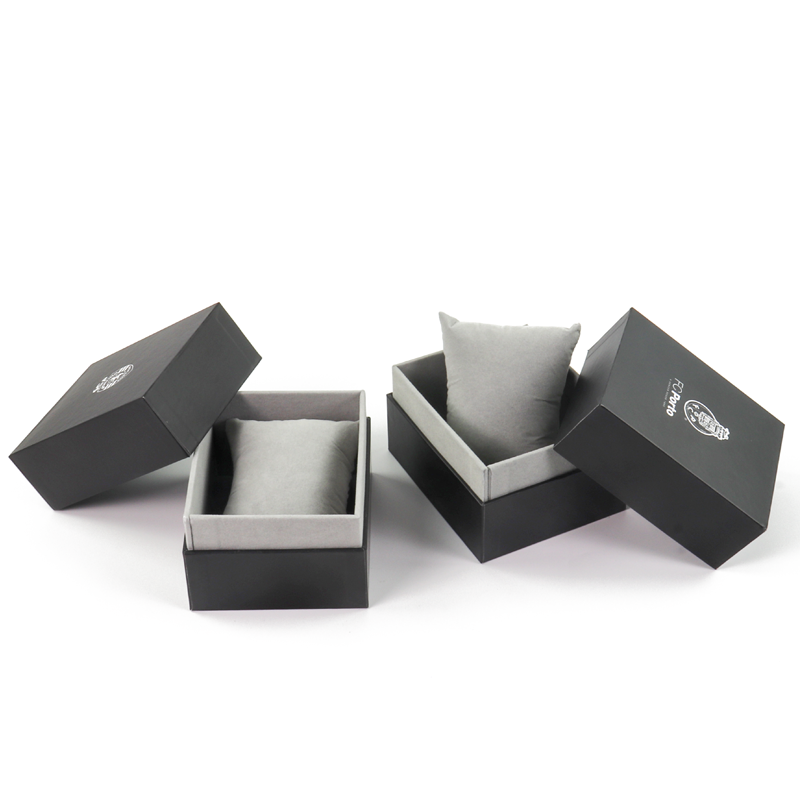
Packaging Design Within a Complete Packaging System
Packaging decisions can only be made real when they are considered as a system and not as graphic decisions made in isolation.
There is a powerful system that synchronizes structure, materials, custom inserts (EVA foam, molded pulp or suede pillows), surface finishing and assembly quality. The whole experience is impaired when one of the components is substandard, such as high-quality printing on a paper with low structural strength. The overall treatment of the packaging makes all touchpoints to repeat the same message of accuracy and purpose.
This thinking at the systems level is particularly important in the case of watch brands, where even the smallest discrepancy can lead to the breakdown of the excellence perception constructed over the years. Exploring custom watch packaging boxes options early helps align design vision with feasible, high-quality production realities.
Conclusion — Packaging Design Defines Brand First Impressions
Packaging design plays a major role in the industry of watches and this fact is not secondary but rather a main expression of brand positioning. It builds trust, understanding, and value in the long run when considered intelligently concerning the quality of the product, the heritage of the brand, and the market level into which it is positioned. Misalignment on the other hand has muted credibility and quietly eroded pricing power.
Most watch brands that succeed recognize and embrace this early on-they view packaging as an identity that is being extended and not an addition. When done properly, it does not only cover the time piece, it silently helps to shape the perception of the whole brand and its perception.