
Spot UV is a high-gloss varnish applied selectively on certain sections of a printed the surface of a package which produces a high contrast between bright and slightly embossed objects and a matte or soft surface. It has no mass decorative appeal but rather is a technique of fine execution- accurate Spot UV application establishes effectual visual focus and structural unity and manufacturing durability.
Most brands perceive Spot UV as a mere aesthetic extension although in actual sense, it requires thorough planning with reference to designing files, material surfaces and press registration. Its improper use may result in uneven gloss and inadequate adhesiveness or wasteful production time. Properly done, however, it can transform such important design elements as logos or product names and result in packaging that feels more meaningful and quality-driven without placing excessive focus on the general appearance.
What Is Spot UV in Packaging?
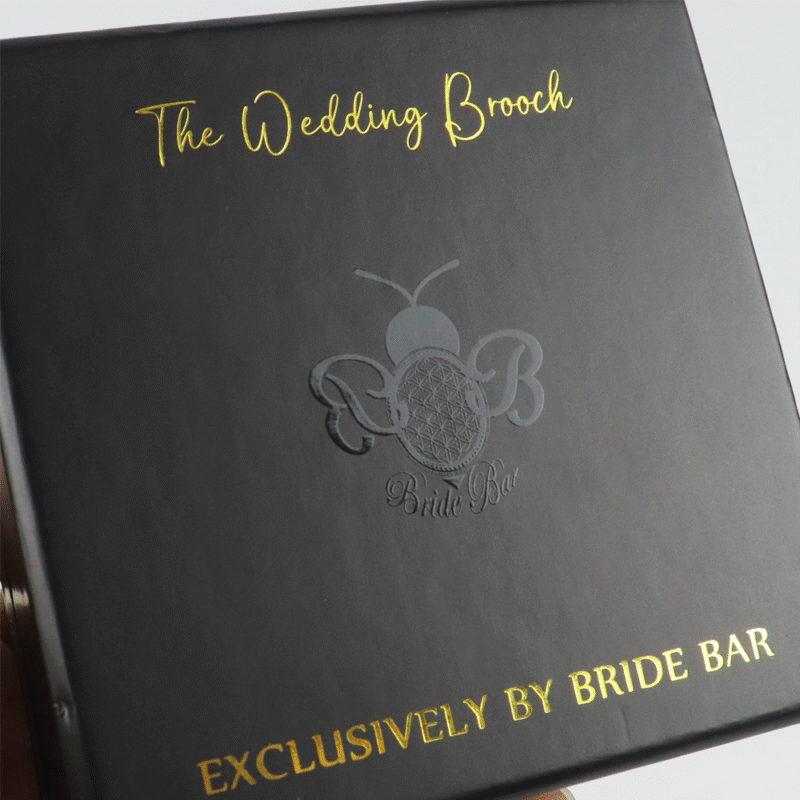
Spot UV is one of the most regulated processes of finishing in the current packaging manufacturing process. Inherent to it, it is a sort of UV coating wherein you place on the targeted spots of the printed piece a clear and thick liquid that shines like varnish, and after applying it to those specific spots you are tasked with, it is then hardened instantly under ultraviolet light to create a hard, glossy surface.
This is in contrast to the overall (or flood) UV coating that applies the UV coating to the entire surface to provide the same protection and shine. In comparison, Spot UV is used and applied solely on areas that require attention; whether it be a logo, a text, icons, or a pattern, providing an obvious three-dimensional effect and visual touch on the skin on a non-shinny foundation.
It uses UV-curing inks or varnishes that should be dried under UV lamps and develop a durable and glossy surface with a slight raised texture (usually 1030 microns thick, depending on application method). Such thickness is the contributor of the pop effect and a medium scratch-resistant.
The fundamental features of it include the following:
| Aspect | Spot UV Characteristics |
| Application | Selective area only |
| Finish | High gloss |
| Texture | Slightly raised |
| Contrast effect | Gloss vs matte |
| Durability | Moderate to high |
During a run of packaging, particularly in rigid boxes or folding cartons, such selective approach can enable the brand to lead the eye in the exact place that it is needed most.
Spot UV vs Full UV Coating: What’s the Difference?
Spot UV, as well as full UV application are both glossy UV-cure finishes, however the function and outcome differs greatly in the packaging application.
Full UV coating (also known as flood coating) coats the whole printed area and provides a uniform shine and ink protection to the board. It is easier to implement and applies well to designs that have equal reflectivity. Spot UV however only targets selected elements, requires the registration to be tighter and can require more time to set up.
It is this contrast effect that makes it seem the best in terms of becoming high end (particularly with matte lamination) whereas full UV is more inclined to become more balancing and protective in terms of gloss without the same visual hierarchy.
| Comparison Factor | Spot UV | Full UV Coating |
| Coverage | Partial | Entire surface |
| Design emphasis | Highlights specific areas | Uniform gloss |
| Brand impact | Premium, contrast-driven | Protective gloss |
| Production complexity | Higher precision needed | Simpler |
| Cost | Slightly higher | Moderate |
As a manufacturing point of view, Spot UV is an additional step, which entails proper plate/screen preparation, but the reward is higher perceived value in terms of luxury or minimalist branding.
When Should You Use Spot UV in Packaging?
When the emphasis to be applied is subtle but powerful instead of blanket, the spot UV gives the brightest shine. It works especially well in attracting attention to brand names without overcrowding the design.
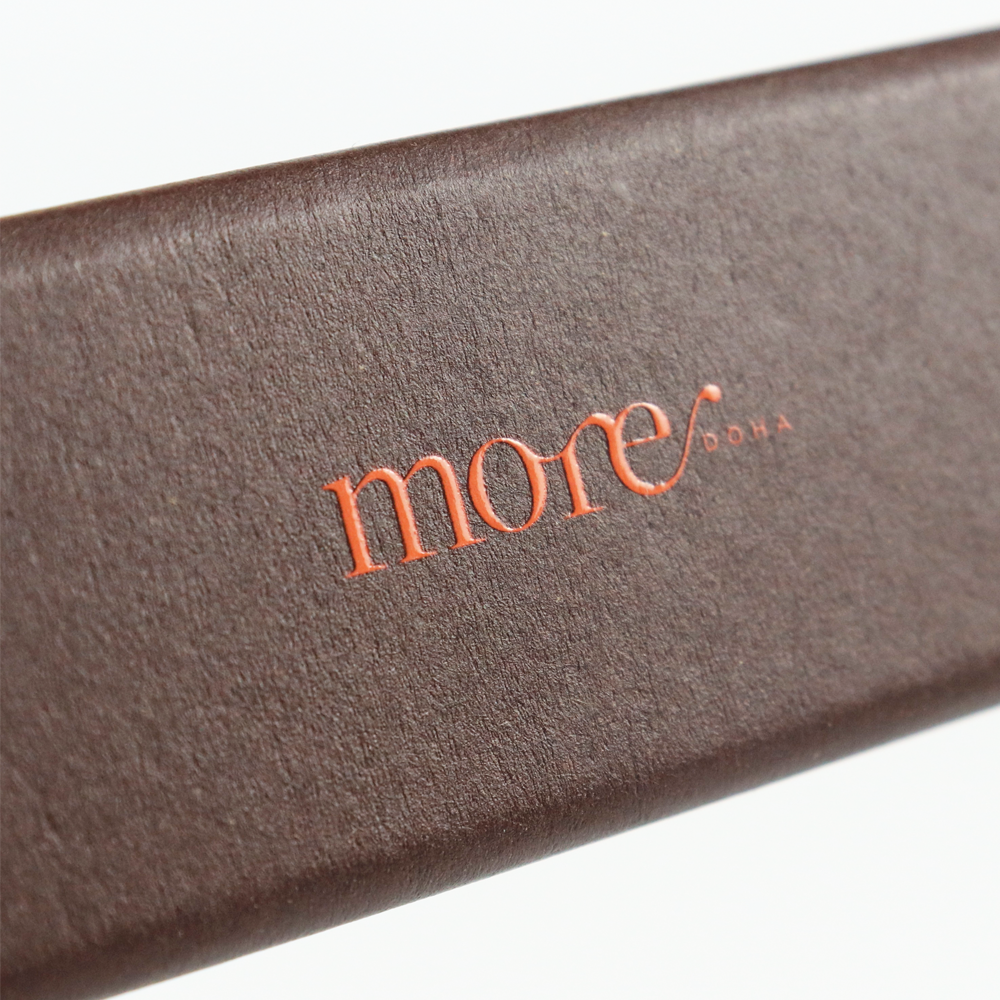
Apply when use of logos or key typography require to be prominent on a matte or soft-touch surface, or when minimalist packaging should be of low contrast. Highlighting foil-stamped elements or even product names is nearly normal in luxury rigid boxes, giving the effect of depth that is touchable and high-quality.
It is not as good as high-color, high-obsulation artwork when the gloss may compete instead of complement, or mass-market packaging when the same level of protection is needed selectively, instead of selectively highlighted.
| Packaging Scenario | Spot UV Suitability |
| Luxury gift boxes | Highly suitable |
| Minimalist branding | Effective |
| High-color artwork | Limited need |
| Mass commercial packaging | Conditional |
Practically, the brands to be addressed in terms of premium retail shelves or e-commerce shelves tend to bring the highest profit in the case when Spot UV is applied scantily to support the brand appeal.
Design Considerations Before Applying Spot UV
Good Spot UV has a lengthy shelf life before it reaches the press- bad file prep is one of the fastest methods of attaining uneven outcomes.
To be able to print, the designers must produce a special spot UV layer within their artwork files (typically as a separate spot color channel, such as the name of the Spot UV in 100 percent black), maintaining the perfect registration with the underlying print. Thin lines (less than 0.5 to 0.75 pu) or small type (less than 8 to 10 pu) should be avoided because UV varnish may seep a bit at the edges because of tolerance to curing.
The use of Spot UV with embossing or foil stamping is effective in sequenced application (apply foil, then UV), however, when applied over each other one another, they should be tested to avoid adhesion problems. When setting up, always plan for a minimum 35 mm of bleed, maintain critical components out of folds or the edge at which registration drift is greater.
Lesson learned: Don’t address Spot UV as a structural addition but as a structural feature.
Material Compatibility and Surface Preparation
Spot UV works the best on smooth, non porous surfaces that leave the varnish on top instead of diffusing irregularly.
The best base that is considered the gold standard is matte lamination- it maximizes contrast, with the background velvety and non-reflective and the spots shiny. This is furthered by soft- touch lamination which generates a more luxurious tactile experience.
The danger of uncoated or over-textured papers: the varnish can get down into the paper and result in dull spots or ineffective bondage. The gloss-coated papers make less conspicuous as there is no big contrast between a base that is already shinier.
| Material Type | Spot UV Performance |
| Matte laminated paper | Excellent contrast |
| Gloss coated paper | Reduced visibility |
| Textured paper | Inconsistent |
| Soft-touch lamination | Strong premium effect |
We have also tested pre-laminating (matte or soft-touch) before Spot UV at our factory, and it always gives us the best, most consistent results throughout a run.
Cost and Production Implications
The additional finishing process of spot UV also has an impact on price and schedule.
It demands calculation plates or screens upon which to apply the varnish and UV curing oven on- or off-line. Set up time is more than flood coating and bigger coverages (more than 2530 percent of the sheet) elevate expenses in terms of material utilization and also in regards to registration necessities.
The lead times will be 1-3 days in terms of volume and complexity, particularly with other finishes such as foil or embossing. The unit effect is felt with small-to-medium-run based orders and economies of scale apply in the large order cases.
Production logic puts Spot UV in the spot UV when the visual ROI warrants the extra control the Spot UV is no less expensive than the cheapest, but it is hardly ever more expensive when it is done strategically.
Common Mistakes When Using Spot UV
Even advanced teams fall into traps with Spot UV- here are the most frequently used traps:
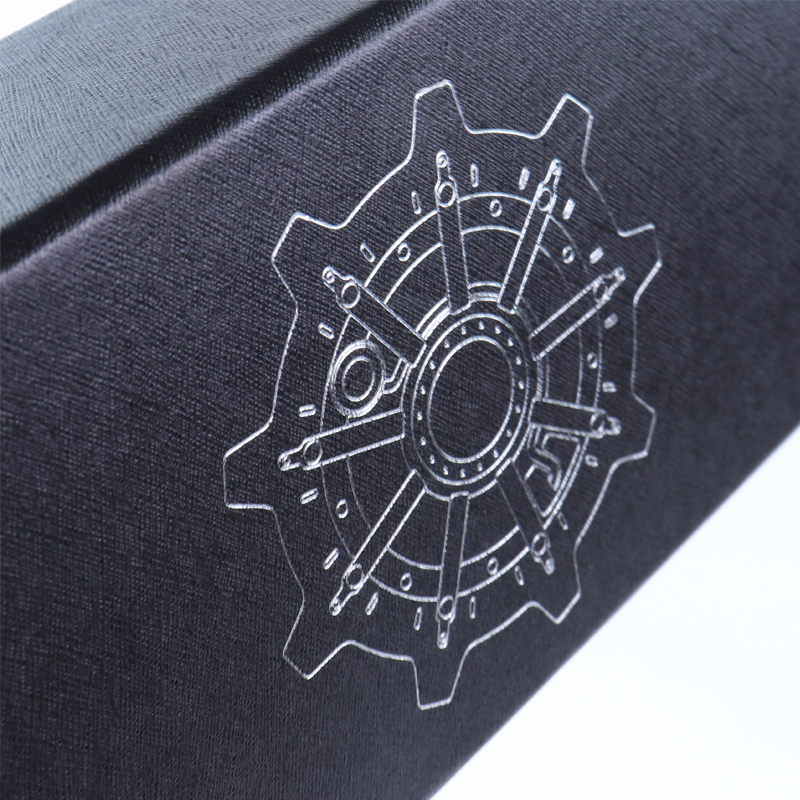
- Having too much of it permeating the entire design, and waters down the contrast element and makes the packaging look cluttered instead of high-end.
- There is a waste of the technique, and it has been tried in case it were to be applied over surfaces which are already glossy, in which the gloss thus added merely insignificantly diffuses.
- The registration is ignored so that the shiny spots do not align with the printed bits below.
- Installing Spot UV as an absolute decorative shell and leaving the matter preparation or adhesion coating without evaluating the coverage and surface runup, which leads to irregular sheen or adhesion losses.
- Fine details, gradients, or tiny text in the Spot UV areas, varnish bleed and press variance, create sharp edges, which are hard to achieve.
It can be reduced to early cross integration between production and design teams.
Conclusion — Spot UV Works Best When Strategically Planned
Spot UV processes provide optimal visual effects when applied selectively, perfectly aligned with the design structure, and complemented with the desirable material, and production control, and not as a decorative added touch.
We have already seen it be used in manufacturing of packaging whereby rigid boxes and folding cartons were not considered as something exceptional, but with a focus on what matters most to the brand, it became exceptional. Integration (considered design preparation, correct choice of base substrate such as matte lamination and close control of the press) is the key. These coincide and Spot UV can be used as a trustworthy means to produce high quality perception instead of being another finish.