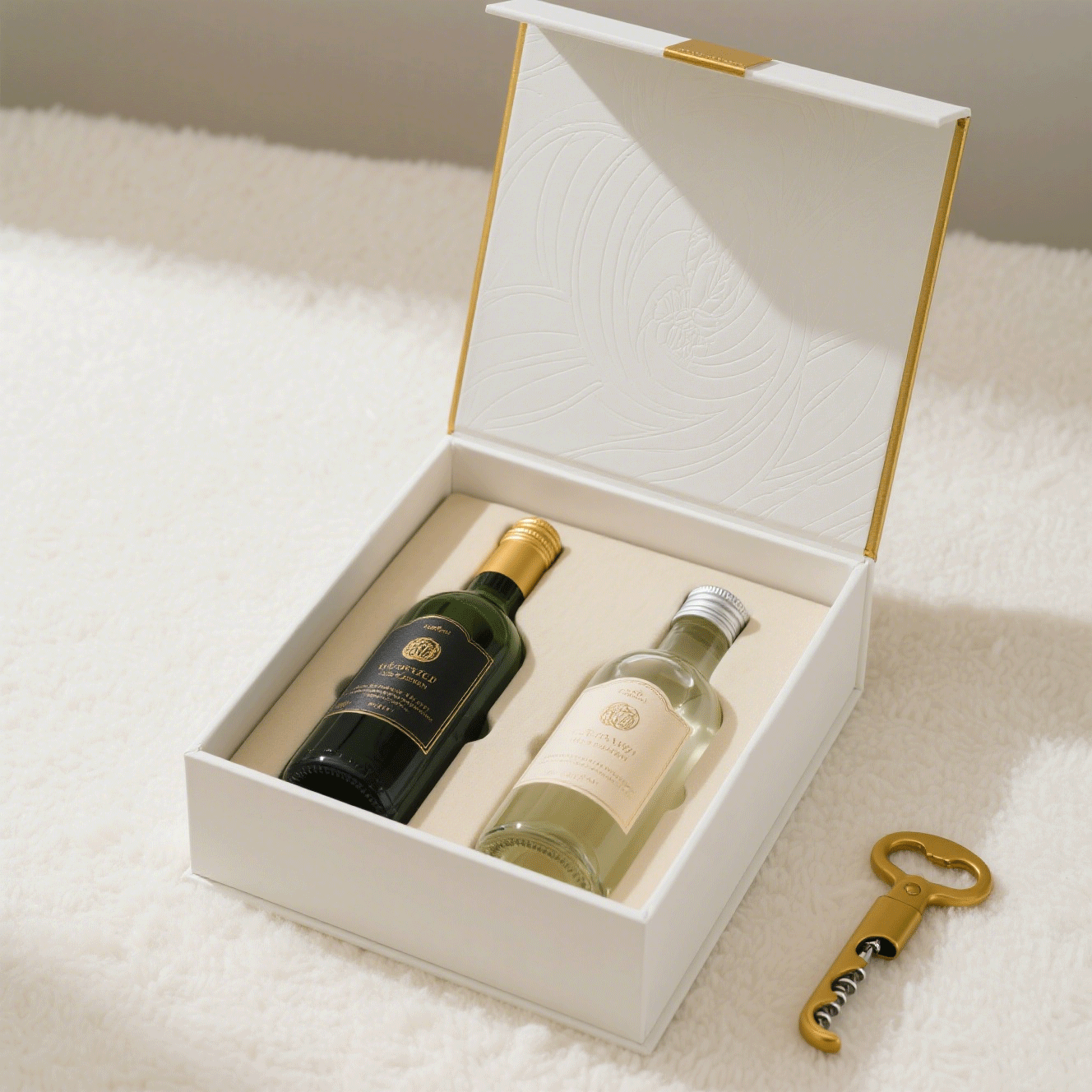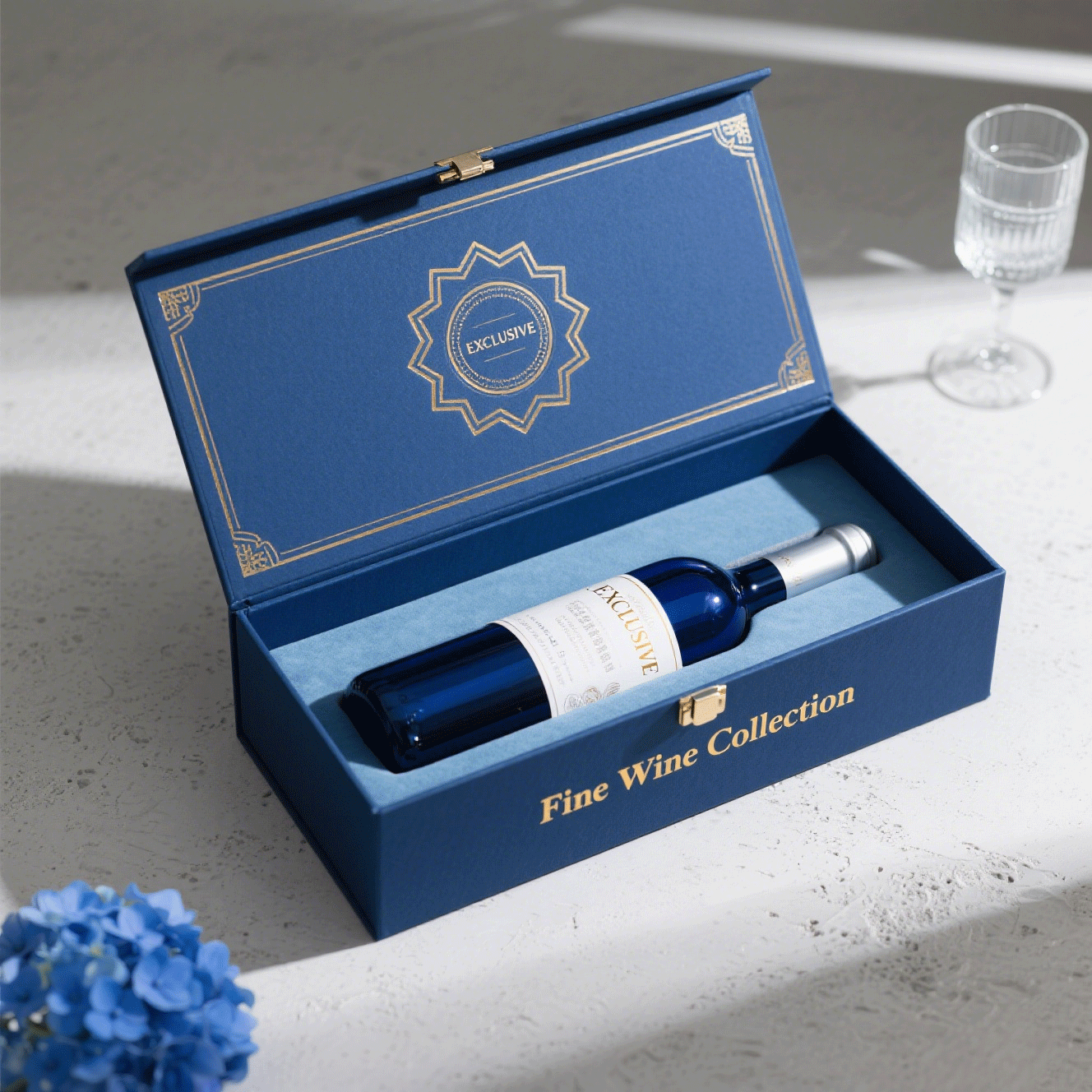
Silk screen printing in packaging is not merely an older technique of printing–it is a controlled application technique of ink that produces high saturation of colors, durability and impact to the surface when combined with appropriate scale of production.
Silk screen printing, or screen printing as it is sometimes called in the packaging industry, is a technique that involves forcing ink through a fine mesh screen onto any of a wide variety of packaging materials, such as paperboard, cardboard, or specialty substrates. It produces a more opaque and vivid color which can be seen on the end product and this is achieved by developing thicker layers of ink as compared to most other printing methods. It is generally used in bold logos, metallic or specialty inks, and elements in the luxury packaging when both visual and tactual impression are of importance.
The other misconception is that silk screen printing is obsolete in the contemporary packaging production. As a matter of fact, it has been quite applicable in application where there is need of color intensity and durability particularly in the times when the other techniques fail at providing the desired level of opacities and adhesiveness.
Silk screen printing is still a valid method of packaging printing in cases where the volume of production, the intensity of colors and conformability of materials are aligned.
How Silk Screen Printing Works in Packaging
Silk screen printing in packaging production is a production process by which the ink is transferred in layers with a high density of colors and speed is not the primary factor considered.
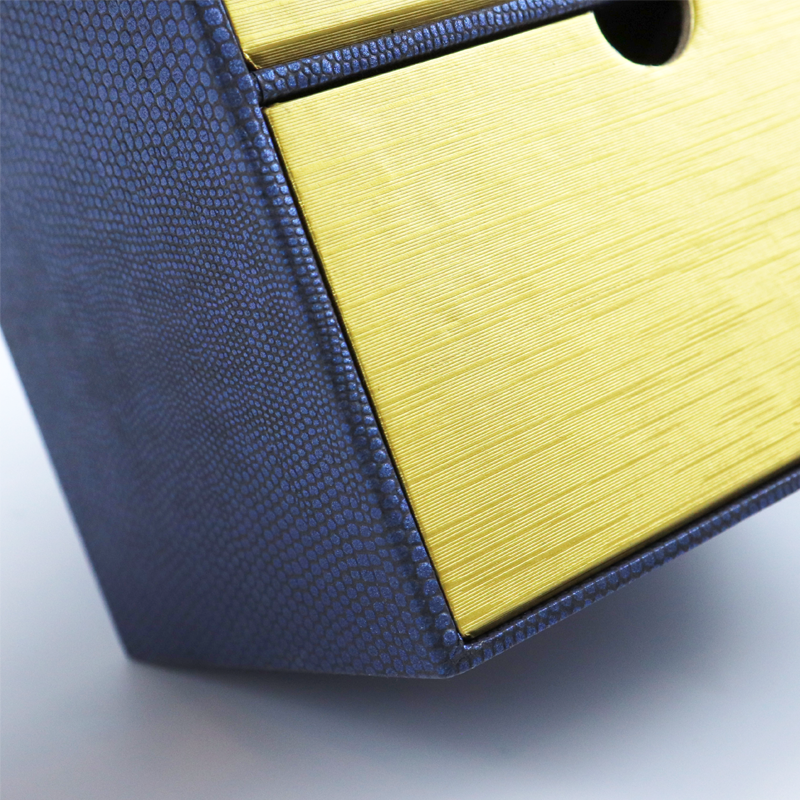
The silk screen printing process is initiated by the preparation of the artwork and screens but then ink is applied and dried. It looks as follows in detail:
- Separation by Color: The art is separated into single color layers. Silk screen printing uses one color at a time which means that each color needs its own screen. This separation also provides correct registration and eliminates color bleeding which is essential in multi-color designs done in personalized packaging printing process.
- Mesh Screen Preparation: Mesh Screen A fine polyester or nylon mesh screen is covered with a light sensitive emulsion. The stencil art is revealed to the UV light on the screen where the emulsion is hardened except where the ink is required to be passed through. This forms a mesh design that is open. Depending on the material used to package the product, the screens should be loaded with the proper number of meshes – finer when a detailed work is to be done, and coarser when the ink is thicker.
- Ink Application using Squeegee: The ink is put on one of the ends of the screen on the top of the packaging substrate. Then a squeegee blade is drawn over the screen forcing the ink into the open mesh holes onto the bottom material. This semi-automated or manual process regulates the thickness of the ink, which is greater than in offset processes or digital processes, and increases the longevity of packaging printing processes.
- Curing and Drying: Once the ink has been printed, the printed material is cured, which usually requires the use of heat tunnels, UV lamps, or air drying (depending on the type of ink used, water-based inks, solvent-based inks, or UV-curable inks). This is done to fix the ink so that it will adhere properly to the surface and it will not be rubbed off quickly when it is touched or shipped.
- Quality Inspection: Final Inspections check color accuracy, cross-color alignment and adhesion. All flaws such as uneven distribution of ink are rectified prior to packing into boxes or cartons.
| Step | Description |
| Artwork separation | Each color prepared individually |
| Screen preparation | Mesh coated with stencil |
| Ink application | Ink pressed through mesh |
| Curing | Heat or air drying |
| Inspection | Color and alignment check |
This regimented method renders silk screen printing dependable in regards to the consistency of outcomes during medium to large volumes of production.
Key Characteristics of Silk Screen Printing
Silk screen printing is unique in terms of packaging because it is capable of depositing high levels of ink, and this factor directly affects the appearance and functionality of the final product.
Key aspects include:
- Thick Ink Deposit: In comparison with thin applications in other techniques, with silk screen, it is possible to have a raised layer of ink, which gives a sense of touch that is desirable in a high-end package.
- High Opacity: The material is best in covering dark or textured surfaces without showing through so it is used in opaque whites or metallics.
- High Color saturation: Colors are more bright and intense, the ink remains on the surface and not absorbed in printing, which is beneficial to the brand consistency of durable packaging printing methods.
- Durability Benefits: The thicker ink is hard to fade, scratch or peel away when transporting and displaying in a store.
| Aspect | Silk Screen Printing Characteristics |
| Ink thickness | Thick layer |
| Color vibrancy | Very high |
| Surface texture | Slightly raised |
| Material compatibility | Strong |
| Scalability | Best for medium–large runs |
These characteristics make it an option of use in applications where impact and longevity are of priority rather than detailed features.
Silk Screen Printing vs Digital Printing
The decision between silk screen printing and digital printing in packaging is usually made based on the mechanic of ink application and economics of production.
Silk screen is based on the physical screens and manual transfer of ink whilst the digital printing is based on inkjet or laser output to the substrate. This basic disparity influences all the aspects including installation to final output.
| Comparison Factor | Silk Screen Printing | Digital Printing |
| Ink thickness | Thick | Thin |
| Color precision | Excellent for solids | Good for gradients |
| Setup cost | Higher initial setup | Low |
| Scalability | Cost-efficient at volume | Costly at scale |
| Durability | High | Moderate |
As an example, the more expensive setup of silk screen is to produce screens per color, which is more expensive in initial cost but less in unit costs when using large runs. Digital printing on the other hand has fast establishment of variable data, though might not be as opaque as required to support bold elements with longevity. Silk screen is better in a comparison on packaging print where the production involved is uniform and high volume whereas digital is suitable in short series, with intricate images.
When Should You Use Silk Screen Printing?
Silk screen printing is best used in packaging where color richness and adhesion of the printing material is paramount to the requirement of fast prototyping or photographic reproduction.
Consider it for:
- Bold logo uses: The logo of a brand may need to use bold, vibrant colors that stand out on the background, silk screen will make sure that the colors are saturated and not faded.
- Pantone-Specific Brand Colors: To have a perfect match of color like corporate Pantone colors, it gives a perfect control of ink formulation and its application.
- Textured Packaging Materials: It works well on irregular surfaces as embossed paper or rigid box wraps when ink should fit without breaking.
- Luxury Rigid Boxes: Luxury gift packaging is done using silk screens with metallic or foil like inks that have metallic or foil feel to give a high value.
| Packaging Scenario | Suitability |
| Luxury gift boxes | Excellent |
| Minimalist branding | Strong |
| Image-heavy artwork | Limited |
| Short-run prototypes | Not ideal |
Finally, match it to production volumes 500-10000 or greater, in which its advantages in durability and economy shine.
Cost and Production Implications
In a production perspective, the prices of silk screen printing are lumpy and it is a calculated option depending on the volume and complexity of the order.
Screen preparation is the process of screen preparation and coating of meshes with a price of preparation and coating of 50200 per color depending on the level of detail. This is enhanced by the multi-color design, which introduces setup-time and materials per layer. But when it is ready, it becomes cost effective in the middle to high volumes, and the per-unit costs decrease dramatically, sometimes to less than $0.50, when used in simple applications in high-volume.
Drying and curing phases affect lead times and add 1-3 days per color layer, as well as inspection. In traditional ways of doing packaging printing, this implies having to think in advance of projects with only a short deadline. It is best when the run is over 1,000 units because of scalability; the cost of setup is too low to consider alternatives such as digital. In general, the approach is beneficial to maintain constant production processes in plants that are prepared to perform monotonous tasks without having to reconfigure their tasks continuously.
Material Compatibility and Surface Considerations
Silk screen printing reacts differently with the packaging materials and one should select it with caution that will not aid adhesion or other appearance flaws.
It also works very well on coated paperboard wherein the smooth surface is the reason the ink spreads evenly and bonds strongly. On rough paper, such as a linen finish or a felt finish, the thick ink is filling crevices to a good effect, and adds depth without being pooled. Nonetheless, on laminated surfaces, like matte finishes or glossy surfaces, the ink should be compatible in order to avoid delaminating when folding or assembling.
Cracking is a major risk in case the ink is too stiff to allow the flexible materials, such as folding cartons that are bent when in use. It is important to test substrate- ink combinations because environmental conditions such as humidity may impact on drying and ultimate adhesion. Practically, this is overcome by UV-curable inks on non-porous surfaces, which cure faster and offer greater resistance to scuffing during transit.
Common Mistakes When Using Silk Screen Printing
A lot of the production huddles that are experienced in silk screen printing are due to inadequate expectations, and not necessarily the technique.
- The process can be used in photographic design: It is color-separated and spot colors or solids are best, and gradients or images may look stepped or less sophisticated than offset processes.
- Disregarding the cost of multi-color set-up: The cost of multi-color set up is usually underestimated by the brands and complex artwork may end up over-budgeted.
- Ignoring the drying period: Lack of sufficient curing may lead to smudging or lack of adhesion particularly in damp conditions or solvent based inks.
- Selecting it to very small production runs: The setup expenses are greater than the gains in quantities below 500 and digital will be more appropriate in prototyping.
Handling these at the design stage will avoid rework and make the methodology meet the objectives of the overall packaging.
Conclusion — Silk Screen Printing Is a Strategic Production Choice
The silk screen printing is a technically stable process in packaging production. Combined with the right volume of production, colour demands, and construction material, it provides long-term branding with endurance and impact, which contributes to a long-lasting packaging consistency. Knowing its mechanics and constraints, production teams are able to integrate it well into the workflow, giving results that are cost-effective, high-quality, and with performance, but not needlessly complicated.