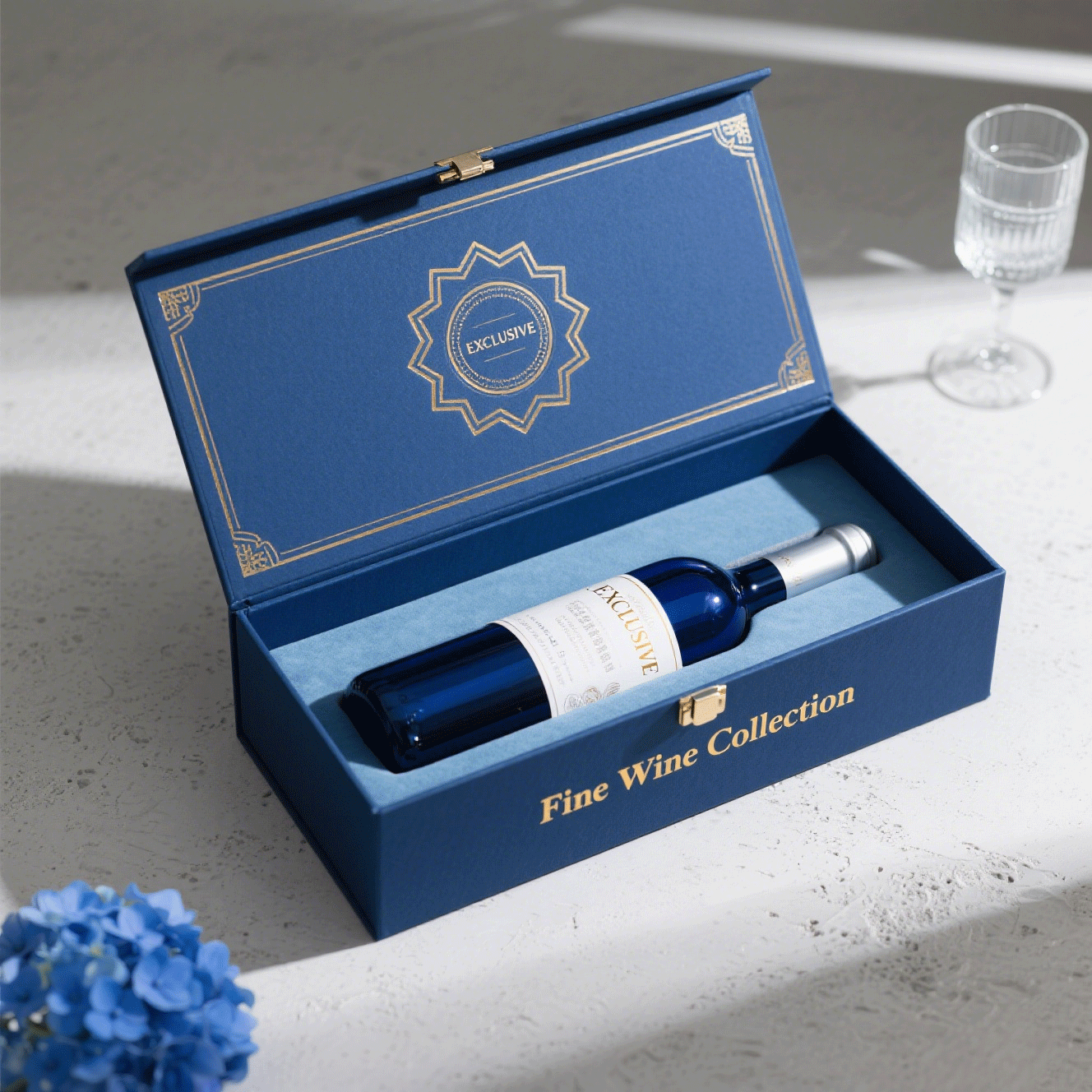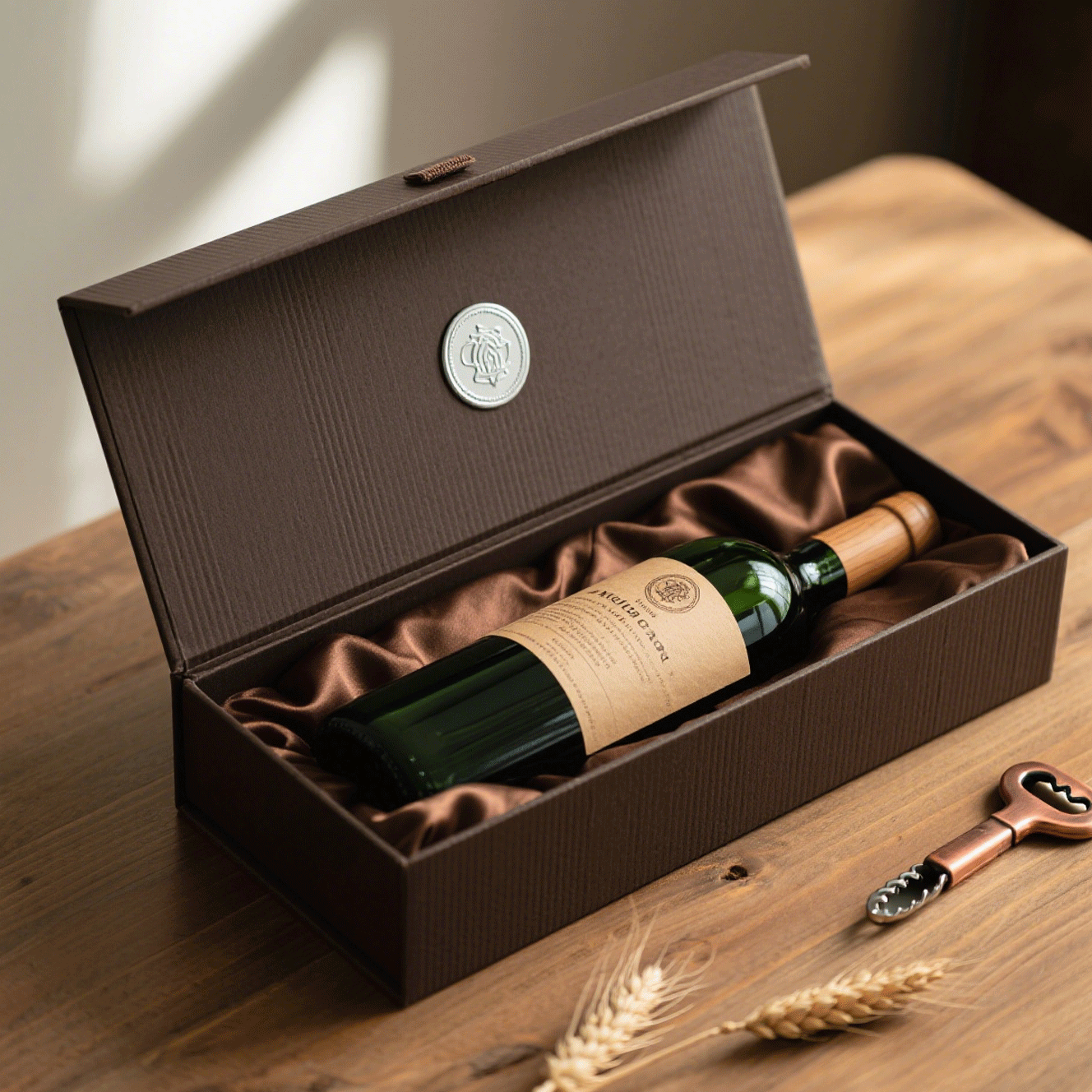
The appearance of two cosmetic packaging boxes can be almost the same when comparing them at a first sight; they are of similar size, they have similar printing and similar finishes, however, they can vary in price by two or even three times. To numerous beauty brands, this hole remains baffling and even exasperating.
The truth is simple in that the pricing of custom cosmetic packaging is motivated by structure, material, finish and complexity of production and not box size. The Cosmetic packaging cost is influenced by a combination of several design and production decisions rather than a single apparent factor. By making early decisions on costs drivers, the brands make better choices when it comes to packaging decisions and prevent possible catastrophes in the future.

Packaging Structure Has the Biggest Impact on Cost
Conclusion first: Packaging structure has the strongest effect on cost compared to graphics or even finishes and materials.
Rigid boxes vs folding cartons
Multiple production stages are needed in rigid boxes as they have to be wrapped in boards, assembled manually and do more finishing. By comparison, folding cartons are die-cut, printed, and folded in a more automated process. Consequently, the fixed boxes nearly always are very expensive in terms of price per unit.
Understanding how packaging structure impacts cosmetic box cost helps brands decide whether premium structure is truly necessary for a given product.
Drawer boxes and magnetic closures
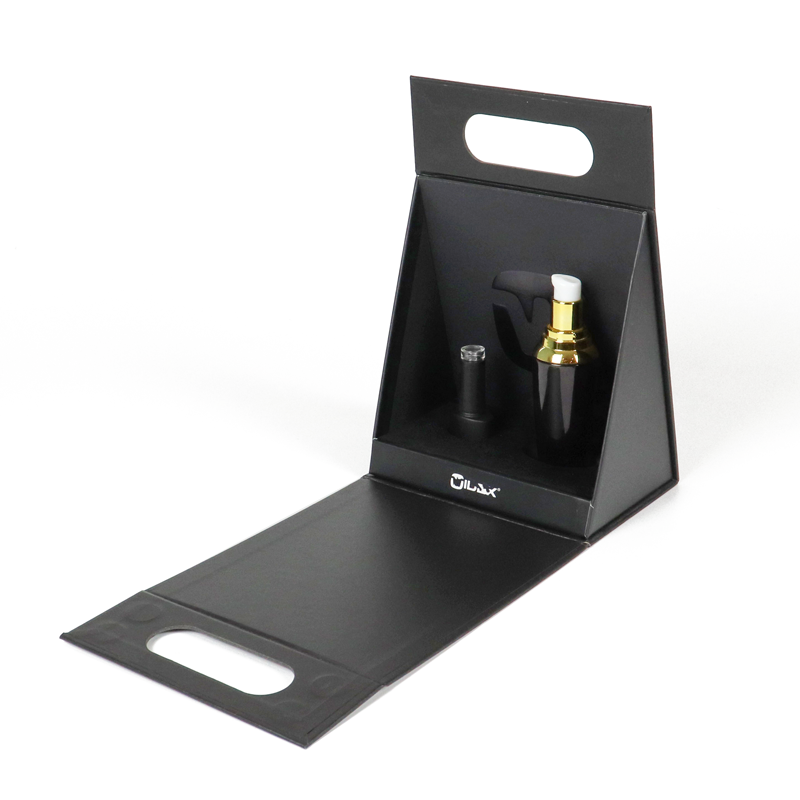
The magnetic closures and drawer boxes increase the cost of materials and labor. The magnets need to be inserted manually, aligned and checked on quality. These buildings are poor at low to mid volumes and ought to be used in high-margin or gift products.
Structural complexity vs scalability
Complicated designs raise the time of setup, reject rates, and assembly work. A plain design that uses a powerful printing and finishing can be more economical at the scale.
This is why many brands evaluate custom cosmetic packaging boxes with structure as the first cost decision—not the last.
Material Selection and Board Quality
Conclusion first: The choice of materials influences the cost, but not as much as the structure- and more than the majority of brands anticipate.
Paperboard grades
The grades of paperboard differ in their level of density, rigidity, and the quality of the surface. Higher grade boards enhance the result of the print and its apparent quality but increase the cost of materials and occasionally its waste in die-cutting.
Thickness vs perceived quality
Board thickness does not necessarily mean perceived quality. The structural design and finishing can make a box feel higher-end in most instances than board thickness alone.
Material waste considerations
There are box designs that produce greater trim waste, e.g. intricate shapes or large layouts. With fixed prices of boards, waste makes the cost of materials per unit of the product directly increase.
Printing, Finishes, and Decoration Complexity
Conclusion first: Final decisions are expensive to make–not every final decision is costly to make.
Foil stamping
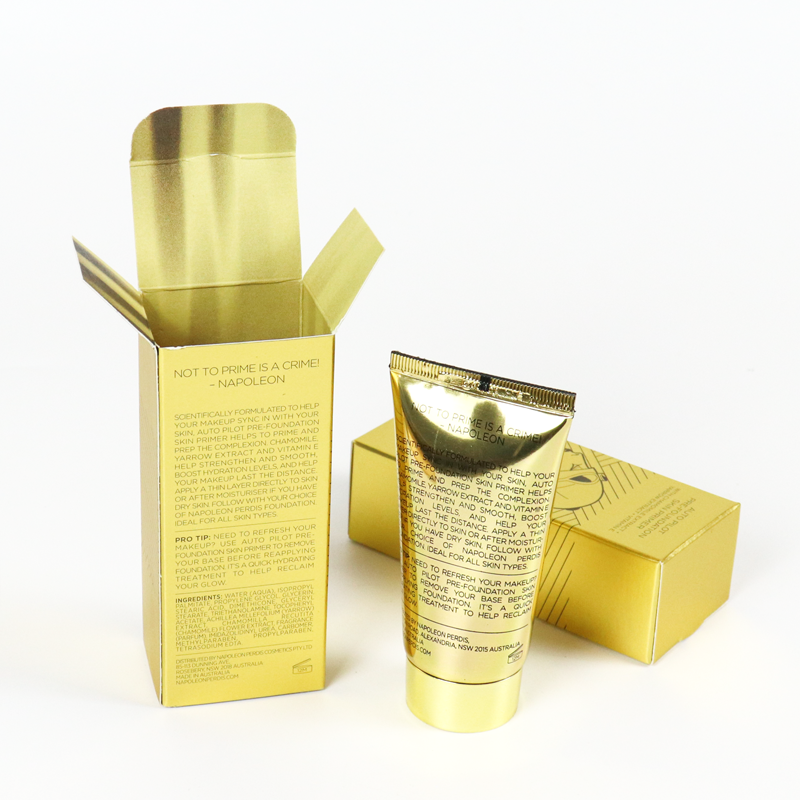
Foil stamping involves the use of metal dies, set up, and registration accuracy. Various foil colors increase expenses. Foil used sparingly will enhance branding, but overutilized will add up to unnecessary cost but not enlightenment.
Embossing and debossing
Embossing will introduce tooling cost and slow down production. It works best when applied on logos or major elements of the brand as opposed to large spaces.
Spot UV and special coatings
Specialty coating, soft-touch lamination and spot UV are only added after the extra production passes and cost. Such finishes are not to compensate poor design, but to promote brand awareness.
Order Quantity, MOQ, and Unit Cost
Conclusion first: The allocation of fixed costs is based on order quantity.
Packaging manufacture has fixed set up costs of dies, plates, machining calibration, which do not vary with quantity. These costs are apportioned at low volumes to an increased number of units, increasing the unit price.
Understanding how MOQ affects cosmetic packaging unit cost allows brands to balance launch flexibility with cost efficiency.
Economies of scale
Increased quantities lower the unit cost, but only in cases of stable designs. The continuous revision destroys the scale advantages.
Sampling, Tooling, and Pre-Production Costs
Conclusion first: Sampling pays off in the long-run- although it increases cost in the short-run.
Structural samples
Physical samples confirm size, fit and usability. Failure to do this may result in rework, time loss and increased overall cost.
Color proofs
The color proofs that are printed minimize the chances of errors in mass-production. Once the production has started, it is much more costly to rectify the color problems.
Time vs cost trade-offs
Hurried schedules add to costs as a result of overtime, rush materials and increased risk of defects.
Design Changes and Cost Inflation Risks
Conclusion first: Late changes belong to the group of fastest methods to increase the cost of packaging.
Late-stage revisions
Modifications following tooling must have new dies and plates, which typically doubles the setup expenses.
Artwork changes
Minor changes in artwork can cause reproofing, reprinting, and delay of schedule can be observed – particularly where a number of finishes are utilized.
Specification creep
The incremental addition of features (a one more finish) is prone to disproportional increase in cost with no obvious payback.
It is much more efficient to design in the ambition of the budget at the beginning, and not to fix the errors later. This is why brands benefit from aligning packaging cost with brand positioning from the outset.
Sustainability Choices and Their Cost Implications
Conclusion first: Sustainable packaging options have an impact on cost- but not necessarily as brands assume.
Recyclable and FSC-certified materials may add a little to costs of materials, but the bigger cost contribution is usually an adjustment required in design to comply with strength and appearance.
Evaluating cost trade-offs in sustainable cosmetic packaging helps brands avoid solutions that look sustainable but increase damage or waste.
Hybrid material systems
The division of paperboard with minimum protection may decrease the total cost by decreasing the damage rate- despite the fact that each separate material may be slightly higher in price.
Common Cost Misconceptions in Cosmetic Packaging
Conclusion first: Most of the cost assumptions are deceptive.
Bigger box = higher cost
The issue of structure and complexity is important than size.
More finishes always add value
The only value that can be achieved is the reinforcement of brand identity with the help of finishes. Otherwise, they are a cost-adding aspect that is not clear.
How to Control Cosmetic Packaging Costs Without Compromising Quality
Conclusion first: Smarter decisions are better than cheaper materials as a source of cost control.
Smart structure selection
Select the structures that help your brand and scale effectively.
Early supplier involvement
The suppliers are able to indicate cost risks at an early stage, when the designs have not been locked and are costly to alter.
Brands which comprehend the cost drivers work more in cooperative grounds with manufacturers and reap positive long term outcomes.
Conclusion — Understanding Cost Leads to Better Packaging Decisions
Cosmetic packaging is not a secret, it is the outcome of the accumulation of design and production choices. Brands which get these drivers can make smarter more scalable decisions and not waste money on complexity that does not work to their advantage.
Cosmetic packaging decisions are smarter and more scalable when made by brands that are sensitive to the cost drivers of packaging.