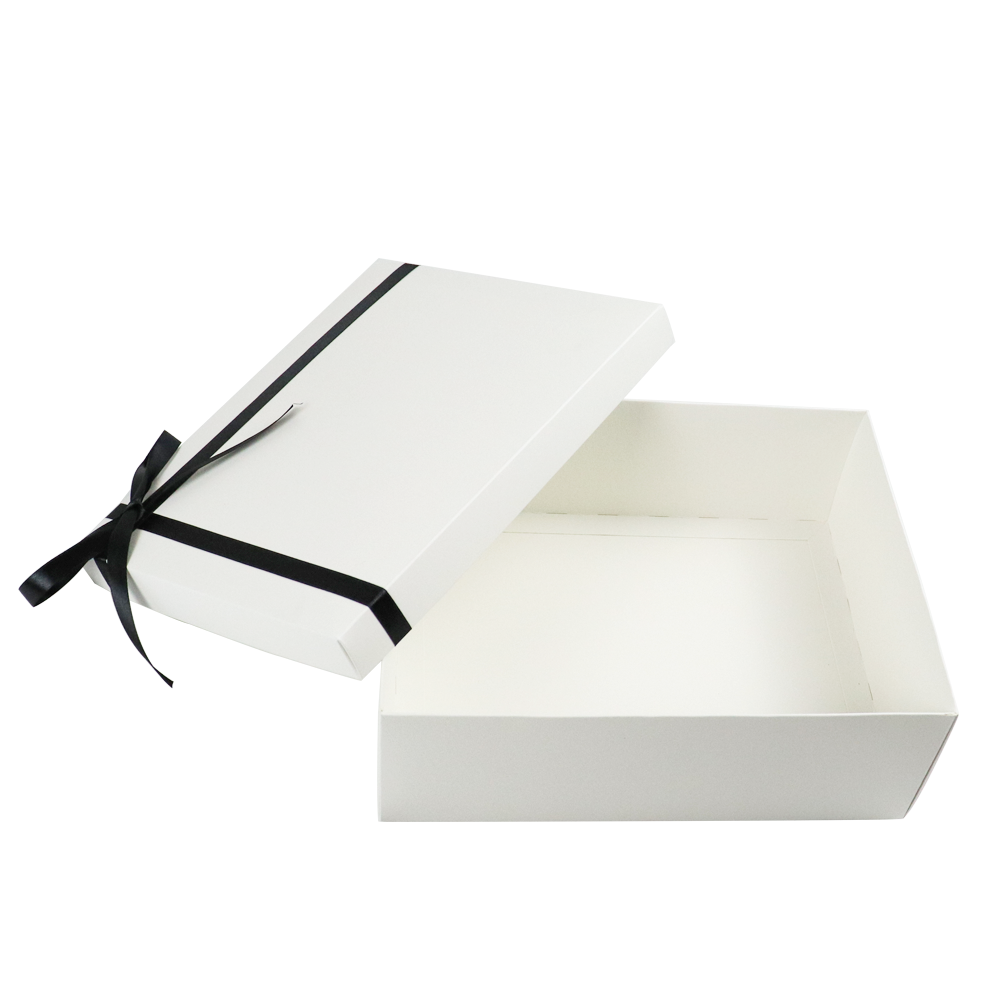
Vape cartridges are products that are sensitive in structure. Their thin glass or ceramic bodies, sensitive heating components and the liquid tanks predispose them to breaking under even the slightest pressure, vibration during transportation, or moving around in loose bags. Most brands believe that a vape cartridge can easily be safely stored in any hard box, but this is not a correct assumption. As a matter of fact, cartridge packaging requires structure based engineering and not generic systems. Breakages are the most frequent, resulting because of unsuitable box structure, not of the material or even printing, to cracked glass, leaks, or even child-resistant properties.
Properly developed vape cartridge packaging frameworks guard vulnerable components, comply with requirements and drive retail performance at the same time. The appropriate design minimizes the level of damages during shipping and assists to set the rigid requirements of child safety in controlled markets and to make a product look cleanly on the shelves or during unownership.
Why Vape Cartridge Packaging Requires Structure-Specific Design
Instead of using generic box templates to package the vape cartridges, they have to be designed to meet the unique vulnerabilities of the product.
Carrows have delicate parts: glass tanks rupturing under their points, ceramic coils that can be broken by hitting, oil tanks that may leak when tilted or when pressed wrongly. Vibrations and stacking during shipping and handling may result in movement within the box that damages the contact or causes the seals to break. Poor packaging: Generic packaging, e.g. the use of standard tuck-end cartons that lack internal support, frequently causes increased breakage rates, returns by the customer and high logistics expenses.
Important risks and the structural requirements are summarized in the table below:
| Cartridge Risk | Structural Requirement |
| Glass breakage | Rigid outer structure |
| Leakage | Stable internal positioning |
| Movement damage | Precision-fit inserts |
| Child access | Controlled opening design |
This is why the off-the-shelf boxes are not always effective. A not rigid enough or fitting well structure means that the cartridges can move thereby raising the chances of failure in the actual sense.
Common Box Structures Used for Vape Cartridge Packaging
The structure choice has a direct impact on the degree of protection as well as packaging performance in retail and e-commerce.
Box types provide systems with different arguments of rigidity, opening mechanism and internal space. Higher-end single-cartridge stockings usually take the maximum protection, the multi pack or price-sensitive lines are taking efficiency in assembly and shipping weight.
The following is a description of the vape cartridges normally used:
| Box Structure | Typical Use Case | Key Advantage |
| Rigid set-up box | Premium cartridges | Maximum protection |
| Magnetic closure box | Retail display | Controlled opening |
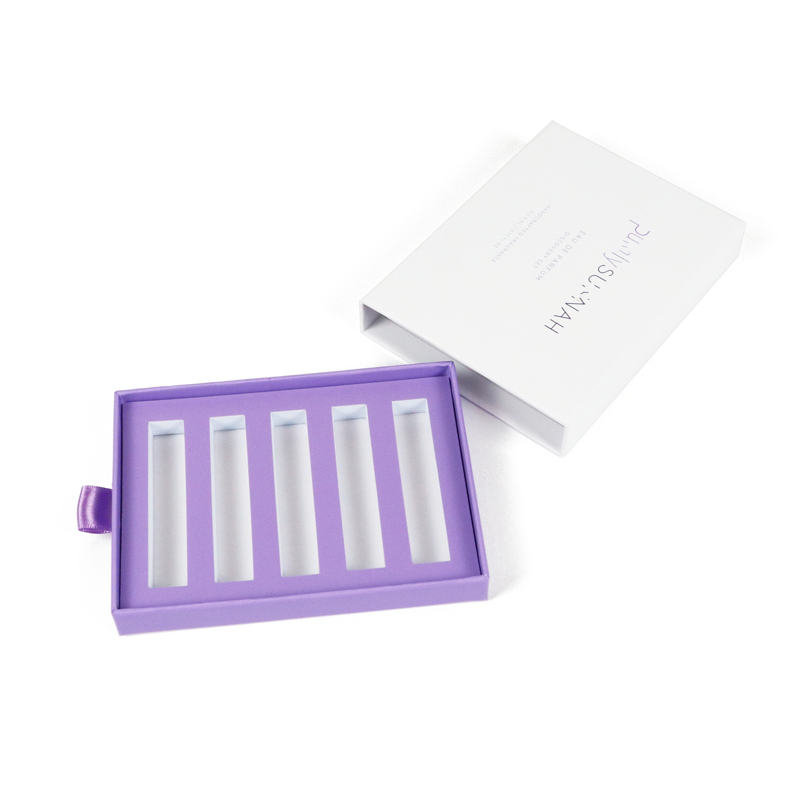
| Drawer box | Multi-cartridge kits | Organized access |
| Folding carton | Cost-sensitive SKUs | Lightweight shipping |
The boxes made of rigid set-ups have the best crush resistance with its heavy board construction and the use of glue to put it together. The magnetic closed boxes enable the correct management of the opening force, which helps in child-resistant incorporations. Drawer boxes allow easy access of kits and also provide organization. Folding cartons are lower cost (intensive operation high volume) but designs need to be concerned with careful redesign to offset the reduced inherent rigidity.
How Structure Influences Child Resistance and Compliance
The basis of effective child-resistance performance vape cartridge packaging rests with box structure.
The laws of numerous markets provide packaging with child-resistance of items with a certain nicotine or other regulated substances and mention standards such as 16 CFR 1700. The features of the pack that make the pack hard to open and at the same time easy to open by an adult are the structural factors including the rigidity of the pack in general, the closing mechanism, and the direction in which the child under five years old opens the pack.
With an inflexible outer shell and a controlled closure (magnetic, push-latch or squeeze-tab) unauthorised access becomes more difficult without relying entirely on add-on functionality. Internal fit is also an issue since it allows the package to retain its integrity even with shaking and dropping as the cartridges are held by inserts thus it does not accidentally become exposed.
For reliable child-resistant vape packaging boxes that are child-resistant and incorporate these principles of their structure, one can refer to a special specific manufacturing procedure that balances non-compliance with usage.
Internal Fit and Inserts: Protecting Vape Cartridges in Transit
Alternation internal fit cannot be compromised in terms of reducing transit damage during vape cartridge packaging.
The most robust outer box is not able to guard the cartridges completely provided they can move freely within the box. Inserts form a tailor-made cradle which freezes the product, absorbs shocks and limits the contacts of cartridges or with box walls.
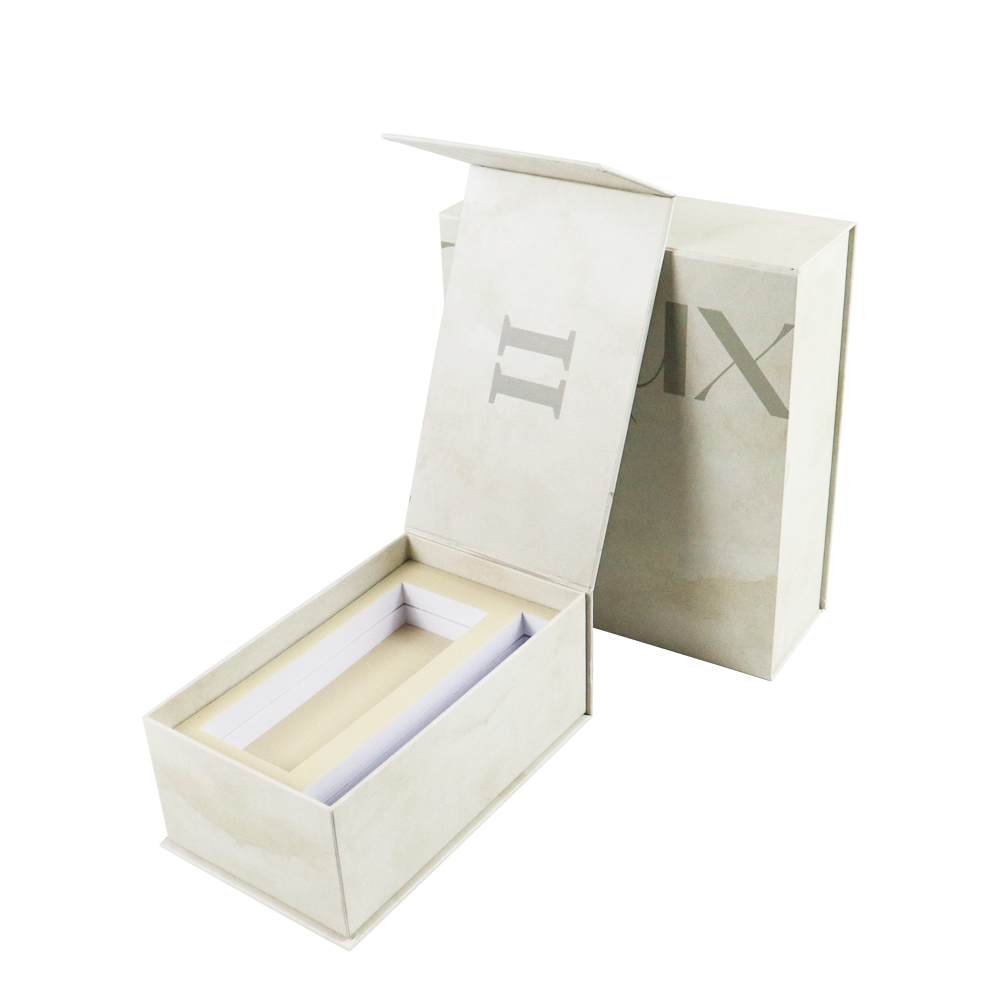
When pressing the units it is vital to control the tolerances – cartridge dimensions must be within small limits (usually 0.2-0.5 mm) to prevent looseness or over-compression that can crack glass. The choice of material is pegged on the weight of a cartridge, fragility, and sustainability objectives.
Common insert types include:
| Insert Type | Protection Function | Suitable Scenario |
| EVA foam | Firm fixation | Glass cartridges |
| Sponge | Cushioning | Lightweight cartridges |
| Paperboard | Structured restraint | Sustainable branding |
| Molded pulp | Structural stability | Eco-focused packaging |
EVA foam with a constant density and die-cut accuracy has continued to be utilized due to its use cases with glass-heavy cartridges. Molded pulp is an environmentally friendly substitute that has good shock absorption in less heavy loads.
Balancing Protection and Shelf Appeal in Retail Environments
The structural impact is not just on the transit safety, but also on the packaging behaviour during retail and unboxing situations.
- Created with rigid forms and magnetic or controlled enclosure systems, rigid structures can be supremely unboxed intentionally without being too complicated.
- Multi-packs can be easily accessed with the help of the drawer-style design, which helps to display the shelves properly in the dispensaries or take pictures on e-commerce.
- Unnecessarily stiffened or layered structures may be hard to be manipulated by retail staff or add bulk to a slender display system.
- Plainer folding cartons put more emphasis on the stackability and a lightweight ship but can be in need of window cutouts or purposeful printing to sustain the appearance.
- Contradictions arise: the highest crush resistance can cause a decreased ease of opening, and an extreme ease of access can lead to uppercutting in long-haul logistics.
The optimal structures are one where there is balance between the ability to deliver the robustness required to ensure safe communication and the ability to be more user-friendly to the end-users.
Manufacturing Considerations That Affect Structural Performance
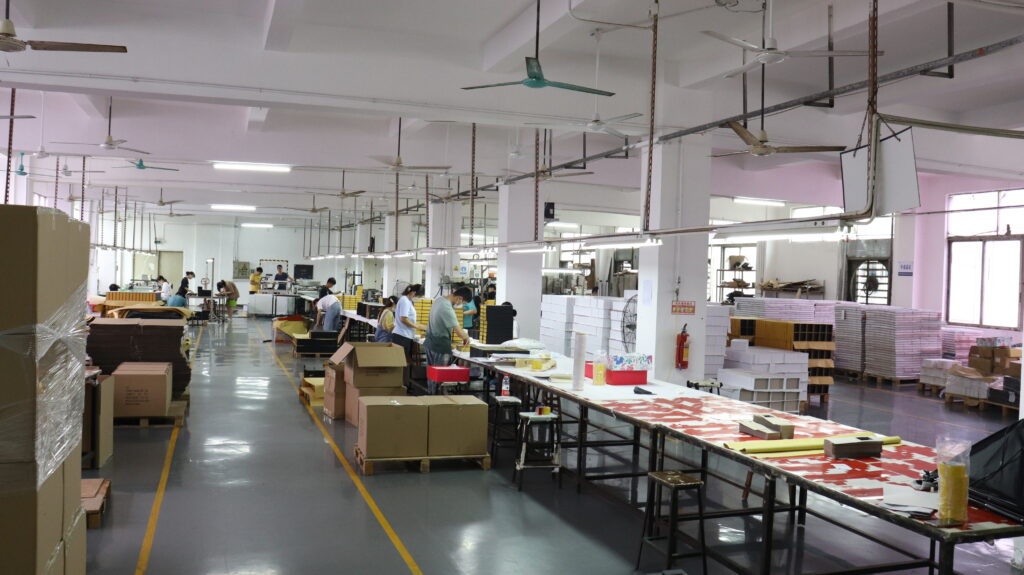
Stable manufacturing execution dictates the ability of well-crafted structure to carry out production failures in a dependable manner.
Die-cutting and board-calibration are the beginning of dimensional accuracy. Corners: Any difference in the thickness of the board or the amount of glue applied during manufacture can result in weaker corners or misinterference of magnetic mounts. Precision of assembly – even of rigid set-up boxes – is provided to maintain square corners and adhesion stability on stress.
The problems can be identified at the initial stage: at the receiving warehouse, the quality of incoming materials is tested to check the caliper, etc, in-production verify the insert position and, finally, when finishing to test the opening strength and crush-resistance. These measures ensure structural integrity even in a repeat order, to decrease some variability that may cause the failure of the field.
Conclusion — Structure Determines Whether Vape Cartridge Packaging Performs
Vape cartridge packaging are successful due to agreement in structure between inner and outer fit combined with consistency of manufacturing to preserve delicate products in addition to aiding compliance and retailing achievements.
Choosing the appropriate box architecture during a first design – depending on cartridge fragility, regulation requirements, and market positioning ensures no expensive redesigns, reduced compliance risk and reliable outcomes in actual practice. Form is important, but form is the real basis. Engineering first before appearance is a secure means of making sure that you come up with packaging that is protective and legal and in a nutshell workable.