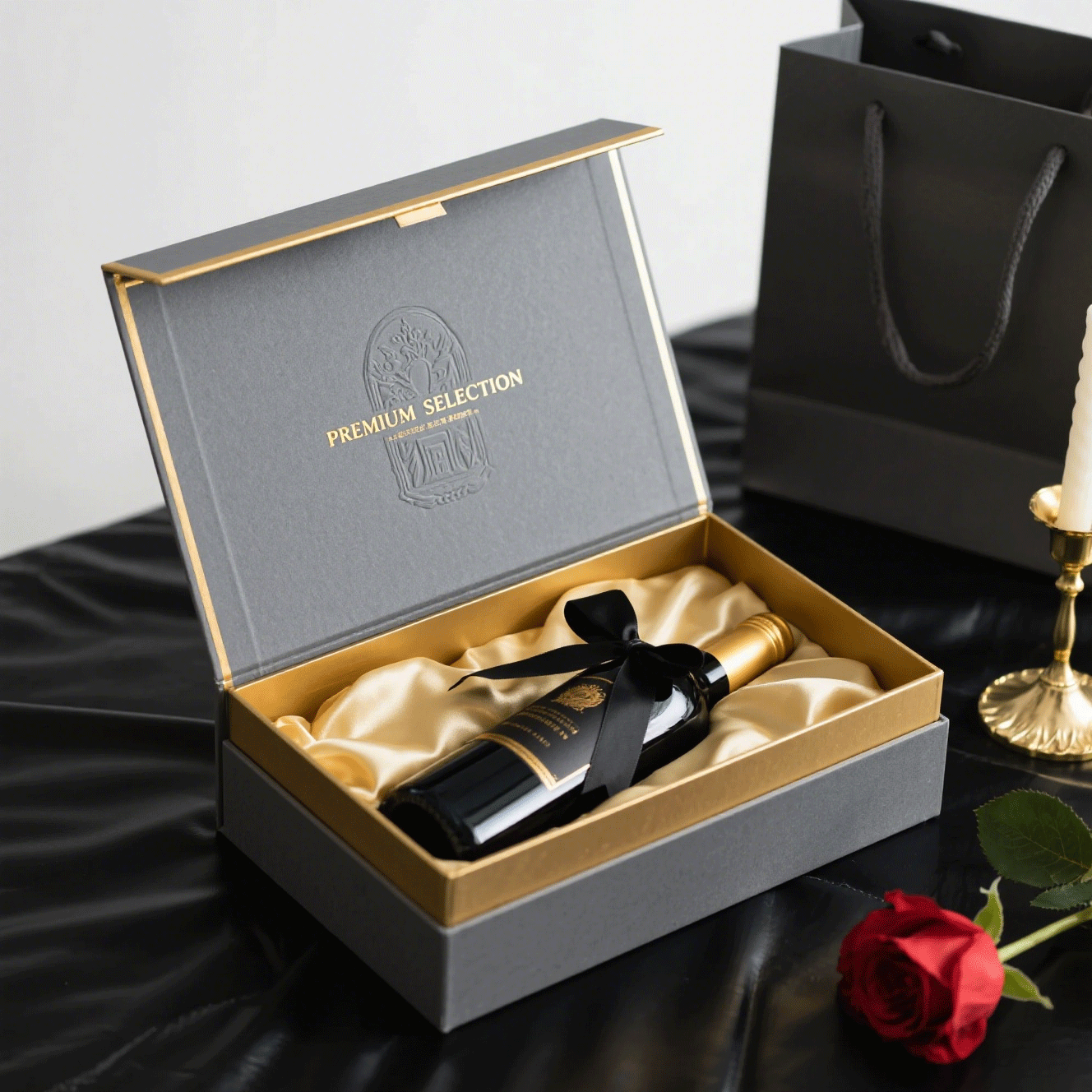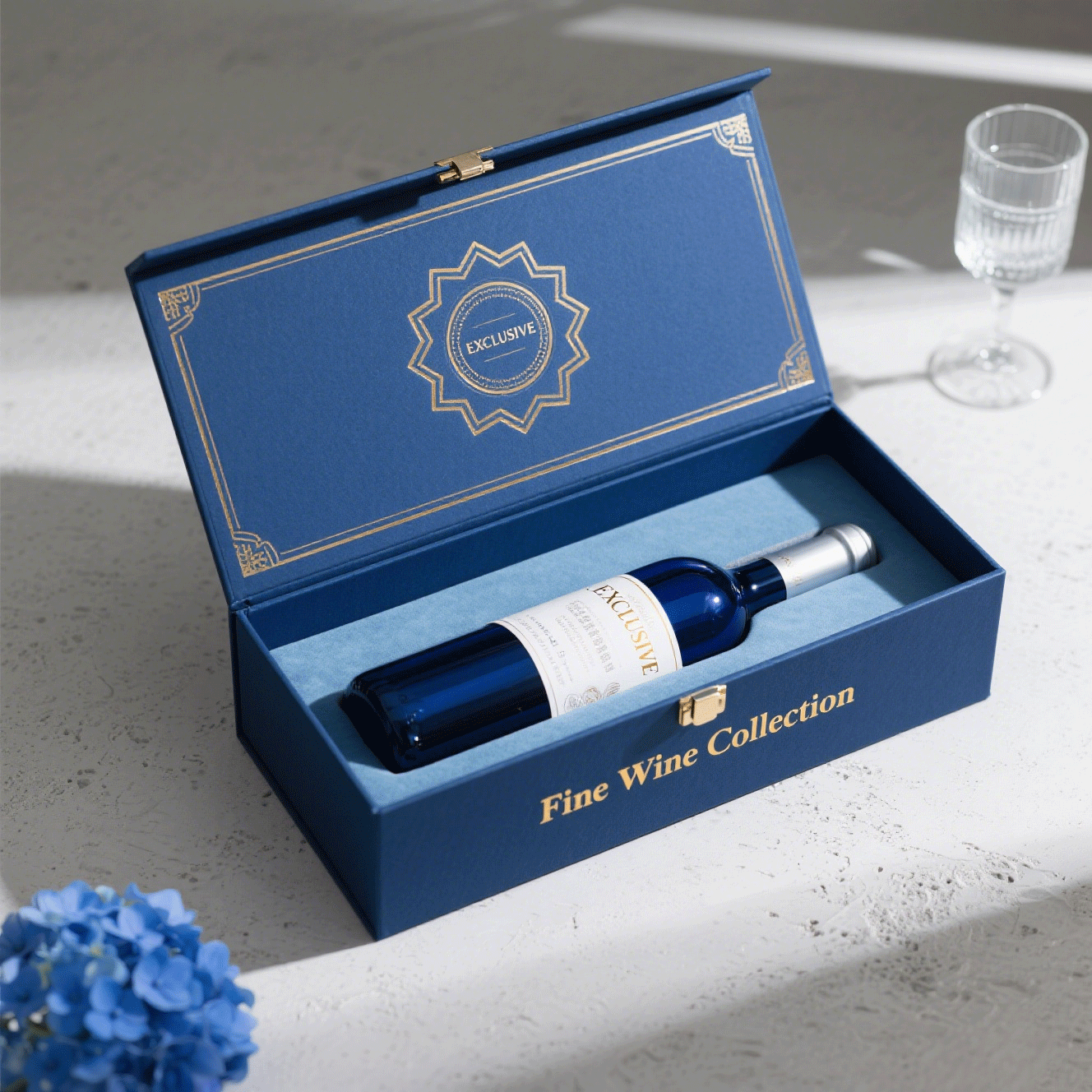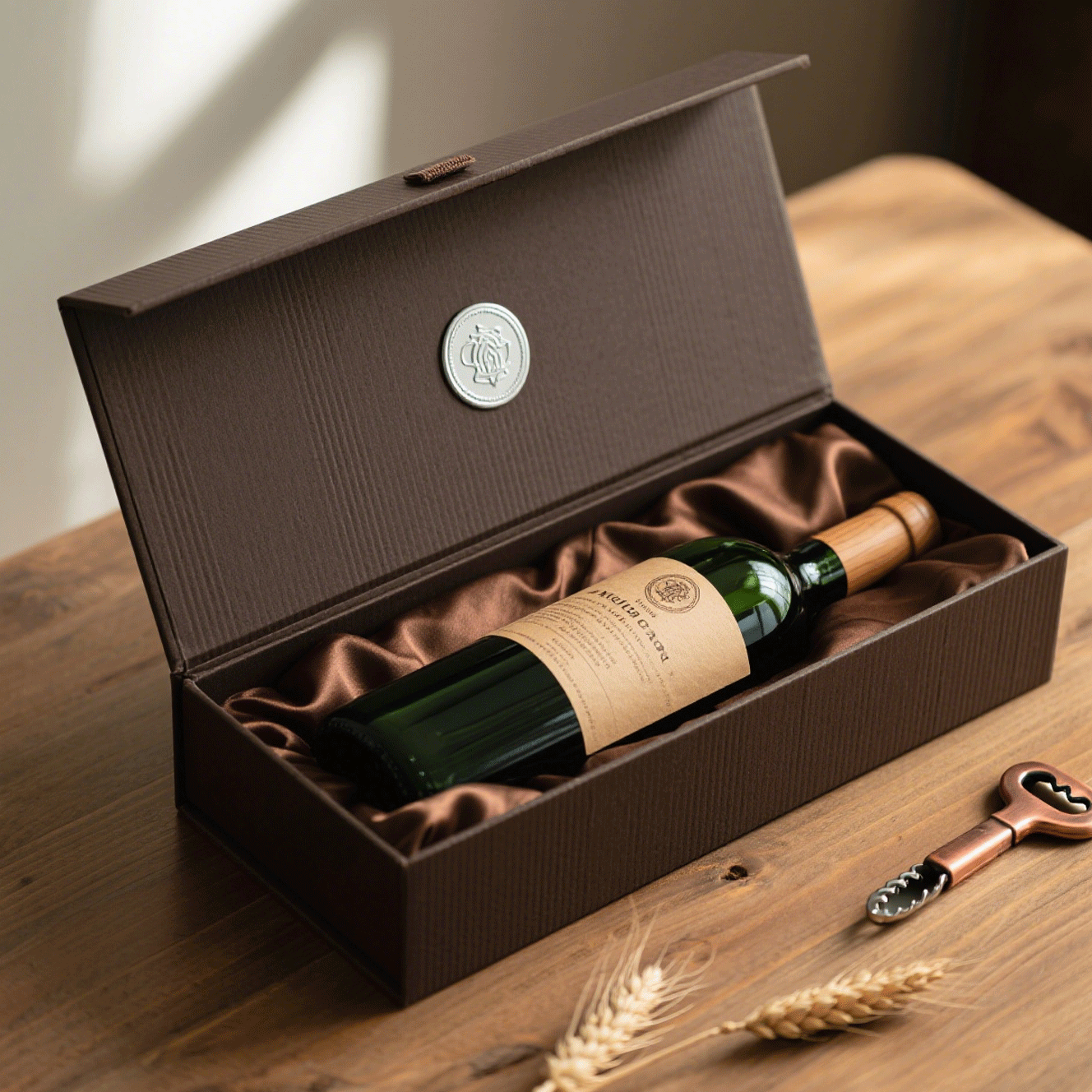
Candle brands can no longer get away with packaging them in unsustainable ways anymore since sustainable packaging is becoming a standard requirement among eco-conscious consumers. But everybody who has shipped half a pallet of glass jars has seen the truth of the matter: beautiful green promises are no good when the candle comes up broken, or when the box gives in on a pallet. The idea of candles to be truly sustainable is having materials and structures to time-test as the real-world weight, vibration, and stacking, not go well on Instagram.
In our factory, we have already made thousands of branded candle boxes on our clients in North America, Europe, and Australia. The most effective ones consider the aspect of sustainability as an engineering choice rather than a marketing box-ticket. Here’s how to get it right.
Why Candle Packaging Demands a Practical Sustainability Approach
Candles are not lightweight skincare or clothing, but a heavy glass container with a wax in it, which is sometimes of high cost. That puts certain limitations:
| Sustainability Factor | Practical Candle Packaging Consideration |
| Material recyclability | Should not cause weakness drop or compression strength. |
| Renewable sourcing | Requires stable and high-quality global supply chains. |
| Lightweight design | Is unable to minimize rigidity required to stack and transits. |
| Consumer perception | Must be high quality and branded not cheap green. |
Omitting such realities will result in better returns, damaged stocks and dissatisfied customers the last thing to be sustainable.
FSC-Certified Paperboard: The Reliable Foundation for Eco Candle Boxes
For the majority of candle companies experiencing a shift towards sustainability, FSC-certified paperboard still stands out as the best entry point. With the Forest Stewardship Council certification, responsible stewardship of forests is ensured and any claims made by a brand are verifiable and claimable.
Key Benefits in Candle Applications
- Strength & Protection — Matches or better than normal virgin board in rigid box types, and other drawer types, essential in balancing glass jar.
- Printing and Finishing “Compatibilities — Foil stamping, embossing, spot UV and soft-touch lamination should not be a problem — thus maintaining the high end branding.
- Scalability – Both the small-volume artisanal brands and e-commerce run in large volumes require readily available scalability.
FSC-certified stocks are utilized by us every day in rigid magnetic-closure boxes, and outer sleeves. They allow brands to retain structures and actually enhance their environmental footprint.
Molded Pulp Inserts: Replacing Foam for Better Internal Protection
Glass candle jar cradling that has traditionally been plastic foam cushioning has long been the default position to be taken now that it is time to upgrade to molded pulp (formed of recycled paper fibers) that is clearly the sustainable choice.
Why Molded Pulp Excels for Glass Candle Jars
- Custom Form-Fit – – Tooling is made to form perfect pockets that do not move or absorb shocks much better than generic fillers.
- Biodegradable & Recyclable — Completely decomposes in the recycling streams or compost, removing plastic waste.
- Shock Absorption Shock absorbers work well in drop tests when designed properly – we have recorded a breakage rate that is lower compared to loose paper or little padding.
Initial investment in tooling is greater than off the shelf foam, yet it will justify itself within a short period, as the damage claims will be lower, and the sustainability stories will be more convincing. Most suitable combined with rigid outer boxes.
Kraft & Recycled Papers: Natural Aesthetic With Some Trade-Offs
In brands that tend towards a rustic or minimalistic feel, uncoated or recycled wrapping papers provide immediate eco-credibility by creating a sense of texture and tone.
Common Options Compared
| Material | Sustainability Benefit | Key Limitation in Candle Use |
| Natural Kraft Paper | Renewable, fully recyclable | Limited high-fidelity printing |
| Recycled Art Paper | Reduces landfill waste | Texture variability can affect consistency |
| Uncoated Boards | Natural look, no plastic layers | Lower scuff/abrasion resistance |
We continually insist on physical testing – also run your samples through your fulfillment to make sure they can stand the handling, tape guns and carrier sorting.
Smarter Ways to Cut Plastic Without Raising Breakage Risk
Premium glass candles should be zero-plastic but not fairly realistic in reality. The practical measure to reduce in a step by step manner is more effective:
- Swop foam swap foam
- Type 3 product swap foam inserts are also available.
- Substitute plastic lamination, water-based or water-aqueous coating.
- Reduce filler content of the product and filler content on the internal dimension as much as possible and structured pulp should be used.
These modifications ensure (or even enhance) protection and provide quantifiable benefits in sustainability.
How Structural Design Drives Real Sustainability Gains
Environmentally friendly packaging of candles begins with engineering, and not material replacements. Putting clever structure decisions reduce material resource, waste and shipping emissions:
- When Tolerances are tighter = when there is less empty space = there is less filler.
- Stackable design and Nestable design – Improved pallet density – Reduced trucks.
- Rigid Boxes (Minimalist)→Less weight with less layers.
When custom packaging motorcycle candles, we will simulate the entire system, outer box, inner, candle size, to remove any unnecessary material and yet make jars keeping safe between factory and doorstep.
Logistics Efficiency: The Hidden Sustainability Multiplier
However even the greenest box will not have any effect, but it leads to additional deliveries, because of the damage of the product or ineffective packaging. Optimized designs lower:
- Volume (right-sized boxes) of shipping.
- Weight (heavy materials but light in weight)
- Costs of damage (accurate inserts + construction toughness)
A smaller number of replacements mean a smaller number of emissions and waste. We have had clients reduce the recidivism rates by adjustments as simple as substituting molded pulp with a more appropriate one.
Pitfalls to Avoid in Sustainable Candle Packaging
Based on the years of prototyping and client feedback, the following are the most common traps:
- Selecting the so-called “green” materials without drop-testing them.
- Suppose that all recycled boards are similar (they are not – quality is different)
- Undergoing unrealistic forecasts of moulded pulp tooling schedules.
- Focusing on imagery more than reliability of the supply chain.
- Using sustainability as a adjunct.
On-site testing is mandatory.
Matching Sustainability to Your Brand’s Positioning
The key: alignment. By being packaged in a way that these values are genuinely your own, you gain trust rather than make it look like greenwashing.
Final Thoughts: Make Sustainability Functional for Long-Term Success
In the case of candle brands, the optimal sustainable packages, such as FSC-certified paperboard, tailor-made molded pulp inserts, less plastic finish, and intelligent packaging structures, provide optimal protection to the planet first. They reduce the environmental impact when done properly, logistics headaches, and enhance brand loyalty.
If you’re exploring sustainable custom candle packaging boxes that actually work in the real world, we’re happy to share samples or discuss how your current setup could evolve without disrupting production.
What sustainable packaging challenges are you facing right now? Drop a comment — we’ve likely solved something similar on our lines.