Meta Description: Find out sustainable apparel fashion packaging ideas that provide eco friendly alternatives and decrease the environmental footprint. Discover how to use biodegradable materials and principles of the circular economy as well as some cool eco friendly packaging approaches of fashion companies in 2025.
The Fashion Industry’s Packaging Revolution
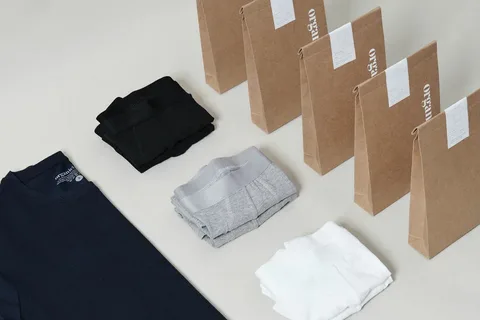
The fashion industry has come to the realization of a formidable truth: the packaging is important, at par with the products sold. As consumers have become more eco-aware, and environmentally friendly fashion significantly reduces its impact on the environment, green styrofoam becomes not an optional secondary feature of the business, but a mandatory one to combat plastic waste . Fashion For Good has also set a pilot together with Adidas, C&A, Kering, Otto Group, and PVH Corp., To minimize the consumption of the conventional plastic packaging materials, the Circular Polybag Pilot.
The new direction in sustainability of packaging is not the simple subject of environmental conscience- it is a highly strategic business choice with the impact on brand images and customer loyalty as well as production efficiency. Fashion companies that implement sustainable packaging practices are not only minimizing the carbon emissions but also reaching out to the consumers who are brands committed to sustainability. that are highly environmentally aware and who consider the need to purchase products from sustainable brands that have a sustainable approach to the environment.
Understanding Sustainable Fashion Packaging Materials
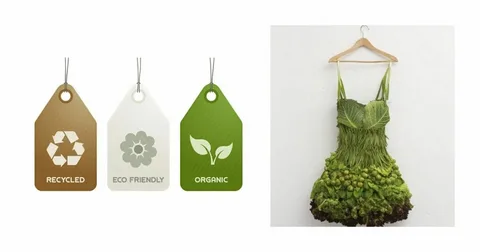
One of the aspects of sustainable fashion packaging is the material used. Recycled paper, cardboard, organic fabrics, bioplastics are fast gaining popularity as an alternative to conventional bags and packages which are predominantly petroleum products and that cannot easily degrade. Such eco-friendly materials lead to a drastic change in the traditional packaging strategies.

Of special significance in the fashion industry are biodegradable materials. The best alternative to use is compostable bags made of biodegradable material like wood and cotton as they would actually break down in the environment. When you incorporate these materials in your packaging designs, you will rest assured that the wastes will convert to compost and will not cause toxic chemicals to be secreted into the environment. These alternatives could be in the form of natural fibers and plant plastics and recycled content materials which can serve to protect the product without causing significant environmental concerns.
Developments in sustainable material also created exciting solutions such as new seaweed-based pack materials, mushroom mycelium products and package packaging with agricultural waste. These state-of-the-art sustainable packaging options are evidence that the fashion industry is going beyond the limit to develop truly circular packaging materials.
The Circular Economy Approach to Fashion Packaging
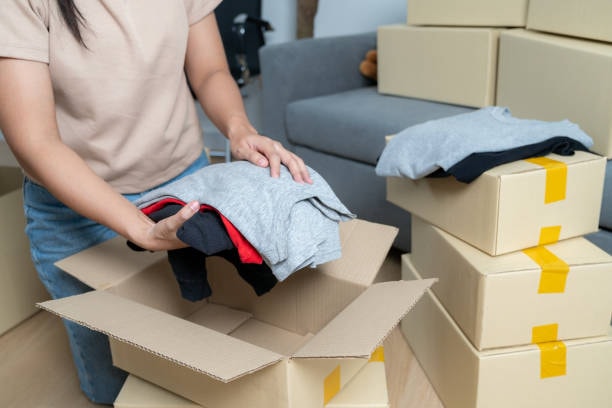
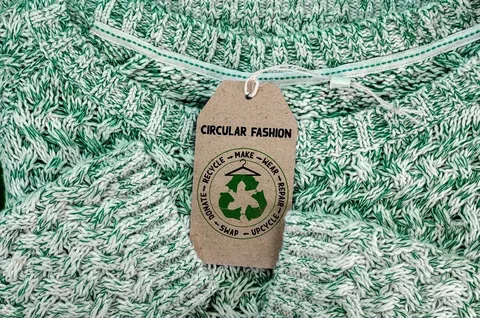
The practices of the so-called circular economy are changing the approach used by fashion companies when it comes to packaging and lifecycle management. The move towards a circular system will necessitate some drastic alterations in packaging design to maintain minimal waste and to reduce waste to create a more sustainable system. Packaging waste minimization and appropriateness of material recuperation are also required to accomplish the circular economy objective.
In this strategy, it is important to adopt multiple lifecycles packaging, such that the materials used are reusable, recyclable, and even compostable, once used. It is also a trend among fashion companies to employ strategies that emphasize material recovery and waste minimization as part and parcel of the lifecycle of the shipping boxes used.

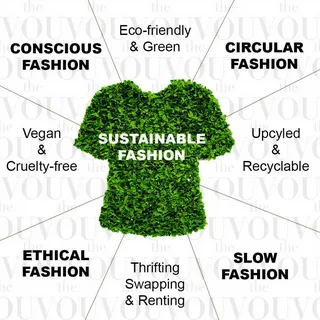
A circular economy model also prompts brands to think of the complete supply-chain cycle that includes both the issuance of raw clothing bags material and the ultimate disposal. The holistic perspective combines the overall packaging choices with the higher principles of sustainability and a more sustainable design of the fashion ecosystem.
Innovative Biodegradable and Compostable Solutions
Solutions in the form of biodegradable and compostable packaging have gotten a fast way in the last few years. The following are the possible alternatives of these products which are renewable packaging, compostable poly mailers (bioplastics), recycled kraft shopping bags or filler, biodegradable packing tape and stickers, and recycled corrugated cardboard boxes together with other products to produce less of waste material.
Current biodegradable alternatives go further than simple materials to present new products such as potato-starch films and cornstarch containers as well as cellulose based products. These resolutions provide the necessary protection factors to the products of fashion, and at the same time, they fully become biodegradable when the conditions of composting are met, which is crucial for reducing single use plastic .
The problem is that biodegradable material cannot be too protective because it will become too expensive, and too cost-effective because it will lose its true usefulness to the environment. When deciding on the use of what materials fashion brands have to thoroughly analyze them so that they satisfy the requirements and criteria of both performance and sustainability without violating the integrity of products or customer experience.
FSC-Certified and Recycled Paper Solutions
The forest Stewardship council (FSC) certification is among the gold standard in sustainable paper packaging in the fashioning industry. The material of all our clothing packaging boxes is FSC certified material, that is all clothing packages are made of material produced on sustainably managed forests. And by customising your sustainable clothing packing boxes, you will be able to attach an FSC label to indicate to the customers that you care about the environment, which is essential for meeting consumer demand. and are responding to consumer demand .
The FSC-certification makes paper products to be made in a way that ensures that forests are responsibly run with preferable environmental, social and economic impacts. Through this certification and authentication two things can be done to give the fashion brands peace of mind that the durable packaging they have chosen promotes sustainable forestry and conservation of biodiversity.
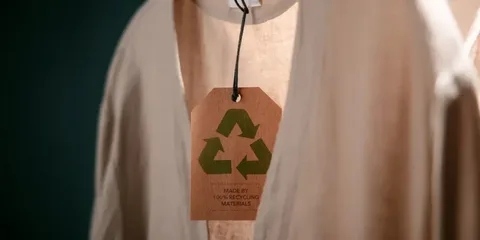
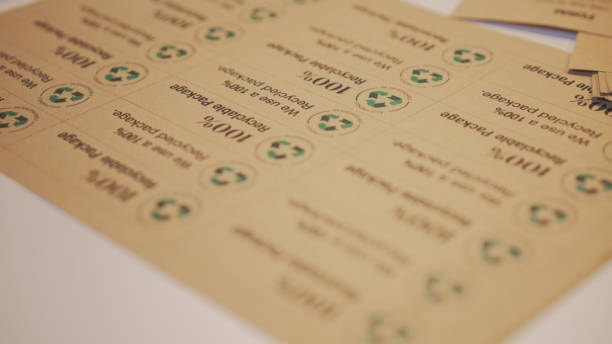
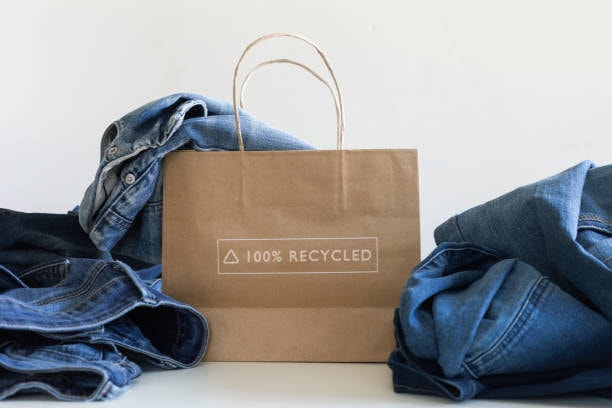
Recycled paper products are alternatives to FSC-certified products,because recycled paper work and makes closed-loop systems by using the waste material as a new package. Waste can be reduced by selecting materials that are recyclable with high recyclability rate. An example is using 100 percent recycled paper to create a packaging since this is the practice of circular economy in an exemplary manner through sustainable apparel packaging .
Reducing Carbon Footprint Through Smart Packaging Design
The intelligent packaging design is crucial in ensuring that there is a reduced environmental effect on fashion packaging. C&A, a European fashion retailer not so long ago informed of a new collaboration with a circular bio-economy start-up, Traceless Materials, with which it plans to replace its single-use in-store hooks with a biodegradable plastic one, which would potentially save up to 95 percent of the carbon emissions that the disposal of plastics causes.
Good design elements entail appropriate packaging to minimize wastage of materials, making the packaging shape to be optimal when shipping them, and using multi-functional items to make the packaging last long. These strategies lessen the quantity of materials that are used and transportation emissions.
The fashion brands are also considering modular packaging environments with the flexibility to accommodate various sizes and types of products so that many packaging formats and inventory management are lessened and packaging sustainability requirements are not compromised.
Challenges and Solutions eco friendly packaging in Sustainable Packaging Implementation

The introduction of sustainable packaging solutions has a few challenges that the fashion brands will have to tackle the issue of excess plastic cautiously. Financial reasons can be at the forefront since sustainable material might be costly at the initial stage than conventional materials. But these investments can also reap rich returns in terms of enhanced brand image, customer loyalty and pride, a fact became an eye-opener to brands.
Another important challenge is in performance requirements. Fashion packaging should also cushion the products during transit, look attractive and be sufficient to withstand moisture, dust, and battering. Sustainable materials should be able to satisfy such needs and provide environmental gains.
Another issue is complexity in the supply chain since brands have to secure sustainable supplies with trusted suppliers, the quality always has to be on par, and there should be sufficient resources and inventory available. It is important to develop effective relationships with suppliers of sustainable packaging in order to implement successfully.
Consumer Education and Brand Communication
Being aware of the consumers on sustainable packaging decisions has become part and parcel of effective implementation. By the end of 2024, not only will more packaging be made with less sustainment material, and with less chemical additives, what is printed on the packaging will also be more clear to the understanding of regular consumers.
Effective labelling and communication can explain to the consumers how they can dispose packaging materials by recycling them, composting them or reusing them. This learning incorporates the environmental advantages of sustainable packaging to the end-of-life management on the grounds of proper treatment.
Fashion brands are using packaging as a means of communication to tell the sustainability story of their clothes global total , elaborate their commitment to the environment, and inform consumers about the road to becoming more sustainable. The method helps the brand turn packaging into a strong means of communication.
Technology and Innovation in Sustainable Packaging
Innovation in sustainable fashion packaging is still being witnessed due to technological advancement. Recents jump in materials science are providing the plastics in packaging solutions never seen before, including 100 percent compostable barrier films, to smart packaging with thermochromic coatings that allow the package to change color when the products are safe to eat environmental impact.
Digital printing technologies allow producing a smaller volume of batches and more individual packaging options having less waste that is tied to large-scale packaging production. The technologies may also enable advanced design opportunities that can help create an improved customer experience with respect to sustainability objectives.
The global research activities on bio-based materials keep on increasing the portfolios of plastic free sustainable packaging solutions that fashion brands can use. Research universities and labs are researching new materials made of agricultural wastes, marine algae, and other renewable materials that have the potential to completely transform fashion packaging plastic pollution
.
Future Trends and Industry Outlook
The future of sustainable fashion packaging is characterized by even more innovational solutions and their higher use across the industry. REPREVE is the recycled plastic by converting billions of plastic bottles into long lasting polyester. They apply innovative textile technology to enhance comfort, strength and utility. This recycled material innovative activity shows the sustainability in packaging development.
New trends are also introduction of IoT technology to enable smart packaging to monitor environmental conditions, development of new biodegradable coating with better protection but do not sacrifice on compostability, and packaging systems which are reused many times custom printing.
Regulatory environment is also developing, the government increasingly introduces tougher conditions regarding the waste reduction and recyclability of the entire packaging. These measures will probably speed up the trend towards applying sustainable packaging material in the fashion industry.
Conclusion
Sustainable fashion packaging marks a new epoch in the process of product packaging and environmental concern reverence in the industry. Opportunities in the context of biodegradable materials ship apparel, principles of a circular economy, innovative design allows brands to achieve their goals with apparel products post consumer waste. to slim down eco-footprints and evolve in line with consumers seeking sustainability. The key to success in this matter consists in the proper selection of materials, clever design, and proper communication with the consumers regarding the way they should dispose of them sustainability efforts.