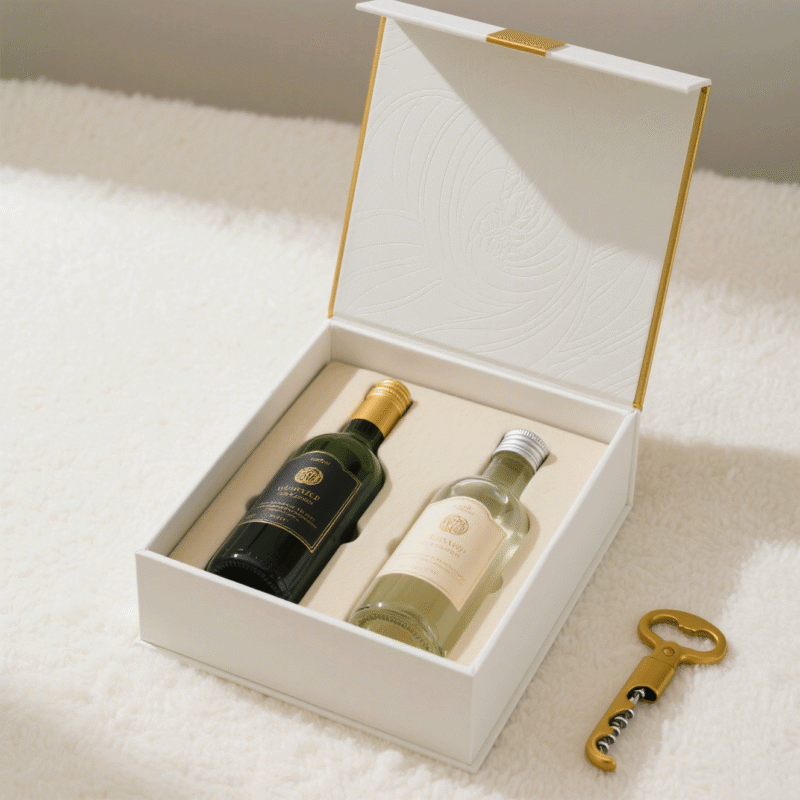
With custom wine packaging, with the option of either single or double wine bottle packaging, it is not about which one of them looks better, but where the correct format is in relation to actual buyer behavior and reality. Through years of experience with wineries, importers, and gifting clients all over North America, Europe and Australia, one thing has become very evident that buyer preference in the choice of single and double wine bottle package can be determined by the situation of use, whether as a present or simply to enjoy the wine-drinking experience, logistical factors, and brand positioning rather than by quality or measures of quantity.
The issue most of the brands face is that they fail to realize that the combination of two boxes does not necessarily indicate a superior status. However, this packaging may perform better in a physical shelf or online shopping carts where the simplicity matters, reduced costs of shipping and narrowed down display are the ideas that push positive conversions. The wrong count may silently inflate the expenses, lead to more breakages, or not achieve expectations in the gifting moments. This is because the best type of package of wine bottle will meet the intention of the buyer, the logistic environment, the cost system and the positioning of the brand.
Why Bottle Count Is a Strategic Packaging Decision
The number of bottles affecting aesthetics much more than their look is a commercial weapon that plays a role in the value perception to damaged value and exposure to costs.
There are varied mindsets by the buyer towards wine purchase: the casual retail-buyer picking up one bottle to enjoy dinner vastly diverts to the prospective buyer who will pick a matching set of gifts or the corporate buyer purchasing a set of presents at holidays. Single-bottle packages can be depended on in cases where little else is needed than individual enjoyment or trial, whilst multi-bottle packages can be tapped into pairing, which gives cues of abundance, and purchasing because of an occasion.
Logistics add another layer. Couriers are charging on a per-dimensional-weight basis, and therefore a small single-bottle box would at times be significantly cheaper to post than a broader double-bottle space. The palletized deliver orders are conducive to multi-bottles effectiveness, however, on a single e-commerce product order the equation is inverted. With added weight and movement the risk of damage increases with the type of double setups unless inserts are designed specifically.
The following is a speedy decision model that we have observed to be effective in hundreds of projects:
| Decision Factor | Impact on Buyer Preference |
| Purchase scenario | Personal use favors single; gifting leans double |
| Price point | Entry-level thrives with single; premium can justify double |
| Shipping method | Courier/e-commerce prefers single; palletized suits double |
| Storage convenience | Single easier for home/retail; double needs more space |
| Unboxing experience | Single offers came with simplicity; double comes with plentifulness. |
Single Wine Bottle Packaging: When Buyers Prefer It
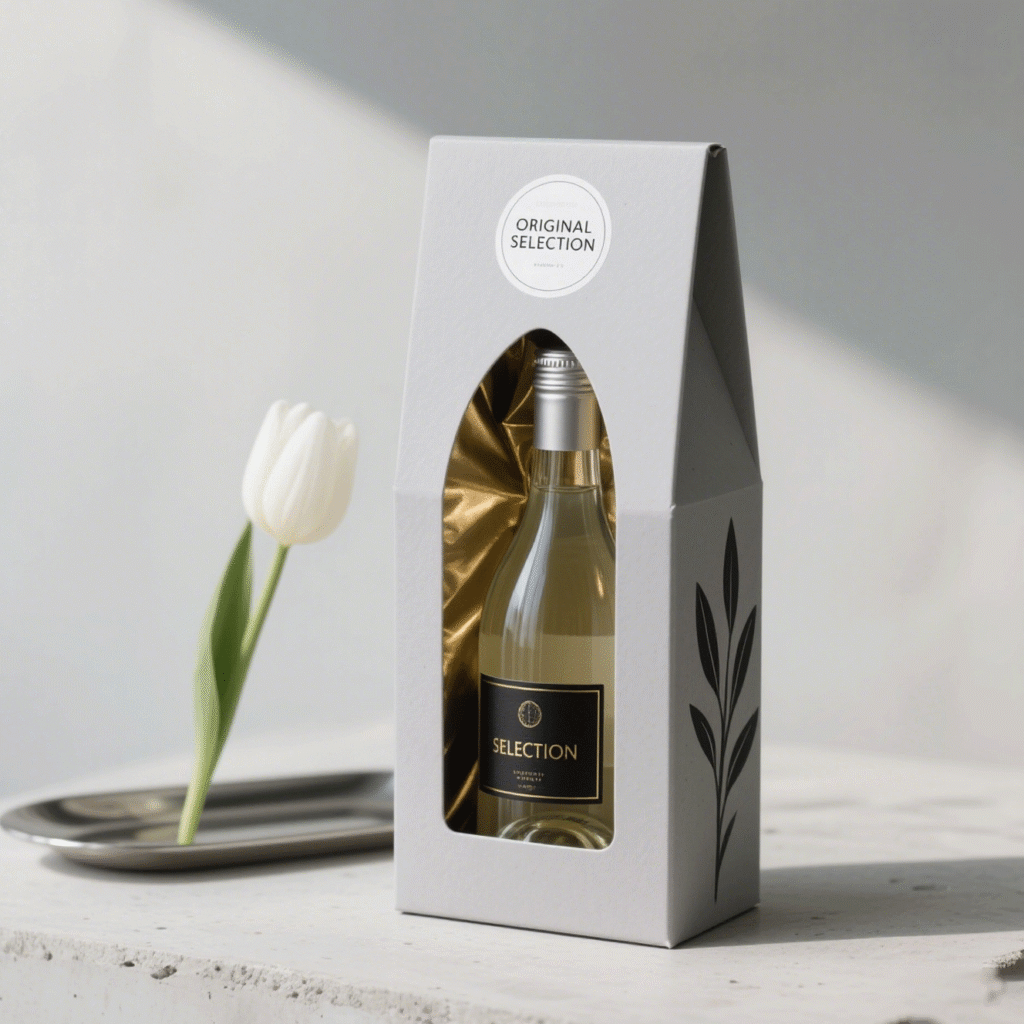
Individual wine bottles are the preferred form of packaging when doing a daily shopping unless when purchasing wine via their e-commerce platforms because it offers them convenience and measures the price.
Customers who are perusing the supermarket shelves or filling their online totes typically desire a single bottle each, be that a weekday red or a special edition white one. The tight form maintains the minimal level of dimensional weight and thus makes lower or free shipping easier to be achieved. The risk of breakage reduces greatly with simpler inserts and a reduced internal movement.
In premium/limited SKUs, the single-bottle boxes are the best as all the attention is devoted to the bottle and the label design. The inventory remains dynamic, as well–brands can combine and interchange SKUs without making any commitments on matched inventory.
Such practical benefits as we have noticed:
| Advantage | Buyer Benefit |
| Lower shipping cost | Easier online purchase, higher cart completion |
| Compact structure | Reduced breakage risk in transit |
| Focused presentation | Emphasizes product value and storytelling |
| Inventory flexibility | Easier SKU management and smaller reorder quantities |
Simply put, the single-bottle wine package is a reliable yet not a complicated way of achieving an individual appeal and accessibility when the purpose is to achieve that.
Double Wine Bottle Packaging: When It Makes Sense
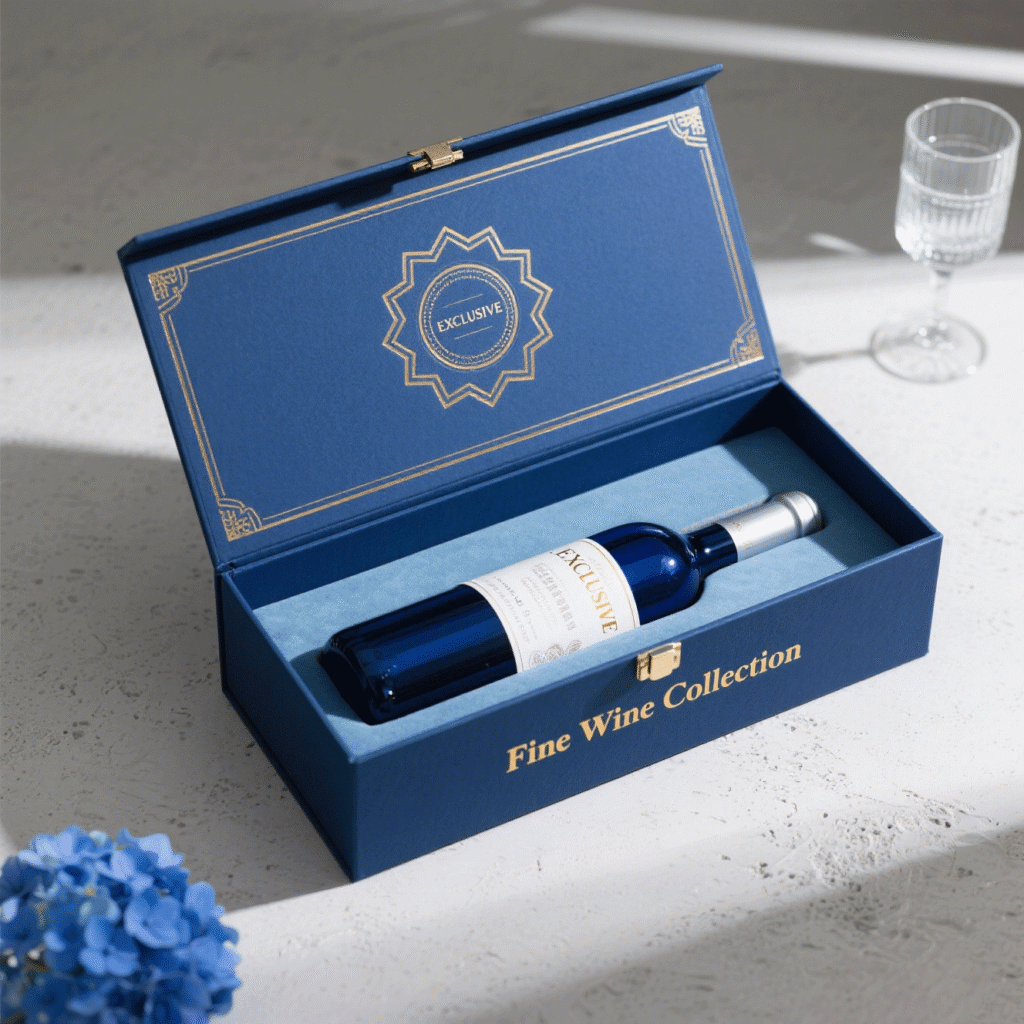
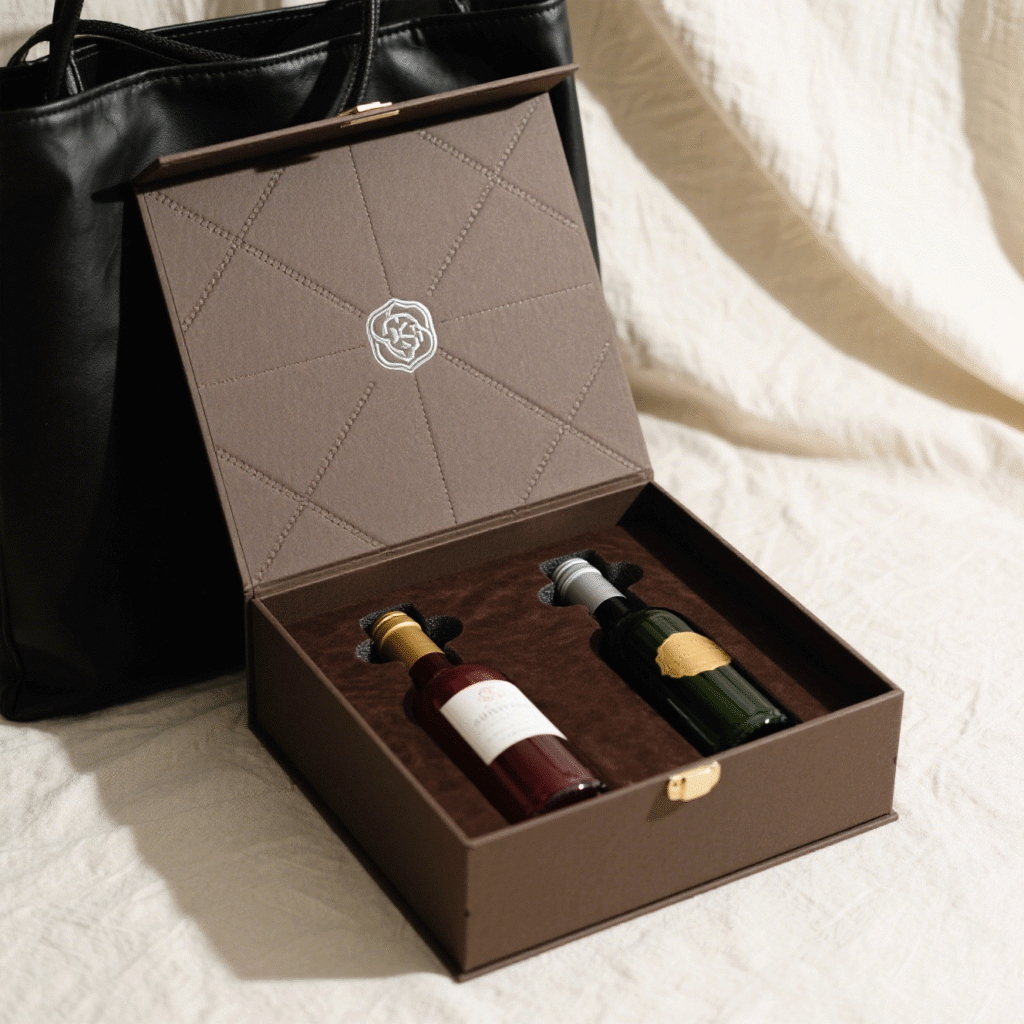
When the motivation changes to pairing, sharing or celebrating, situations in which perceived abundance and complementality produce greater emotional appeal, the packaging of the wine in double bottles steps forward.
In this case, the demand is fueled by corporate gifting, holiday promotions, and wine pairing. Customers can also desire bundles that imply consideration: a red and white pairing of dinner, two and possibly an appropriate gift. The perceived value is also enhanced by the paired format, where a gift will be considered more than two individual single bottles.
Structurally, however, the bags of double-bottles require more. Larger constructs demand stronger walls, more careful division of inserts in order to avoid the clang of bottles and their movement, as well as the use of more support structures. Underperformance in this case transforms a high quality intent to breakages.
As experienced wine bottle packaging box manufacturer, and found that most of our designs of double bottle package combinations have done better with molded pulp or EVA foam pads or inserts that hold the bottle separately and balance weight equally.
Single vs Double Bottle Packaging: Practical Comparison
The best format will not always be the same one, but the correct format is realized as tradeoffs versus a particular application.
| Evaluation Criteria | Single Bottle Box | Double Bottle Box |
| Buyer preference | High for retail and e-commerce | High for gifting and corporate |
| Packaging cost | Lower (less material, simpler assembly) | Higher (more material, complex inserts) |
| Shipping efficiency | Better (lower dim weight, easier handling) | Lower (higher dim weight, bulkier) |
| Insert complexity | Simple (basic cradle or foam) | More complex (separation, load distribution) |
| Damage risk | Lower (less movement) | Higher without reinforcement |
| Storage efficiency | High (stacks neatly, smaller footprint) | Medium (wider, needs careful stacking) |
How Bottle Count Affects Structure and Insert Design
The inquiry of the double-bottle designing presents more difficult engineering issues than the one involving single bottles.
One box can depend on a simple centered insert – EVA foam cut out or molded pulp nest – to keep the bottle firmly in place. Contrastingly, these double arrangements should not allow moving laterally among bottles but should withstand the asymmetry of weight during transport drops or vibrations.
We always strengthen side walls and provide partying panels or two cradles. Insert materials are important: paperboard inserts are suitable in lighter application, but high duty gifting will require custom-shaped pulp or sponges to act as shock absorbers on their own. Lacking this separation, the bottles may hit each other, increasing the risk of chip or breakage- particularly on more ways of the courier routes.
These issues may be detected during testing of prototypes at simulated shipping conditions; any attempts to save time by not doing that step often result in high costs of revision.
Manufacturing and Quality Control Considerations
Consistency is clear cut with both bottling count- showing that tolerance stacking boosts trivial differences in the production of two-bottles.
In processes operating with single bottle lots, functional problems are not much affected by minor die-cut deviations. However, in the case of double format the slightest imprecision in the position of the insert or the size of the box can result in the loose fit or the point of pressure. Checks at our multi-stage, QC such as checking raw materials, measurements during the in-process and checking of final assembly assist in detecting them before escaping to our clients.
Attempts to scale designs of double-bottles without testing prototypes and adjusting them, tend to increase the number of rejects or failures in the field. These risks are reduced by controlled processes in-house supported by ISO standards and BSCI standards.
Common Mistakes Brands Make When Choosing Bottle Count
Cold groups fall into the following traps:
- Selection of bottleshape by solely selected on perceived value based on the fact that single bottles usually turning in retail.
- Shipping and courier restrictions should not be considered there should be no reason to ignore them when it comes to understanding the pricing of packages that require doubling the box that will make the package fall into higher price ranges or limit the choice of carriers.
- Incorrect use of single- bottle inserts of double-bottle boxes, resulting in poor protection and more claims.
- Ignoring warehouse and storage limitations Wider double boxes take more shelf space and pick out more easily.
Conclusion — Buyer Preference Depends on Context, Not Quantity
Lack of blanket winner at the end of the day in association with single and double wine bottle packaging. Preference depends on situation: single-bottle formats suit better in the context of retail and e-commerce, whereas in the context of gifting, pairing, and business, additional perceived value of two-bottle design pays off.
The most intelligent method begins with mapping your buyers experience; channel, intent, price segment and logistics chain and then selects the format that just meets those realities without adding surplus cost or risk. When positioned correctly, the number of bottles ceases to be a mere design choice and begins to work as a silent competitive edge.