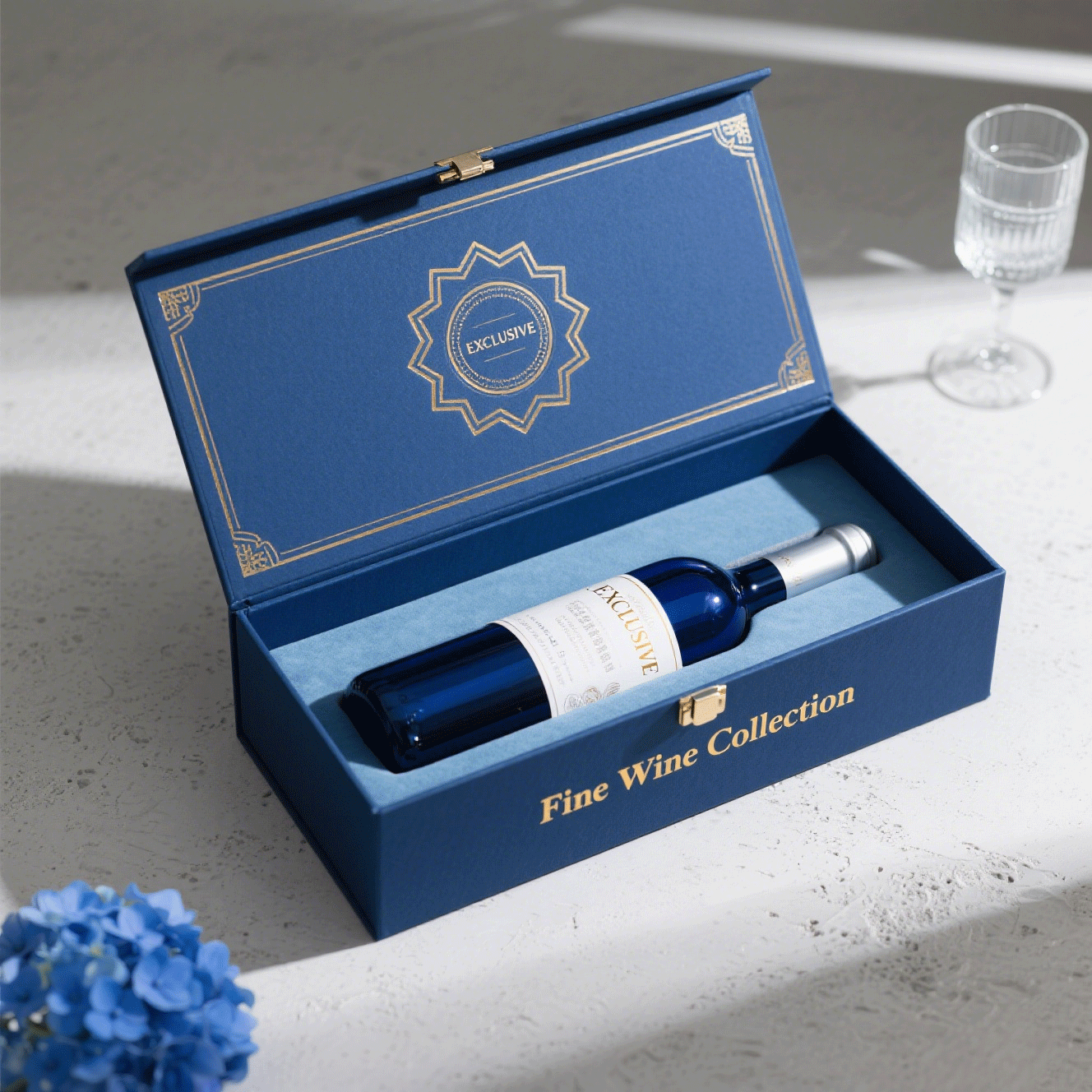
Screen printing and digital printing are not used in the packaging production as a better or worse alternative. This decision will completely rely on the quantity of orders, the nature of materials, the color application, the complexity of design, and the necessity to have a consistent production over time. Most brands wrongly consider digital printing as more modern or superior but in practical packaging processes (particularly rigid boxes, folding cartons, and luxury gift packaging) screen printing often offers greater durability, more effective color impression, and larger scalability to medium and large volumes.
The correct approach to package printing makes the design intent consistent with the manufacturing reality, cost structure, and production consistency in the long run.
What Is Screen Printing in Packaging?
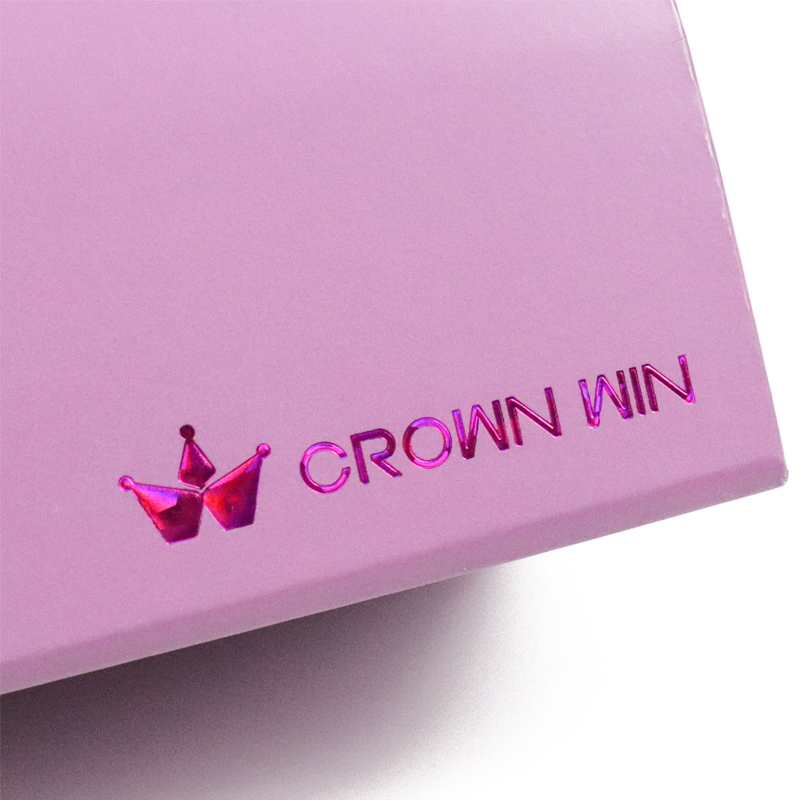
In terms of production floor, screen printing is still considered to be one of the surest means of introducing bold and strong graphics onto packaging materials.
It is done by providing a fine mesh screen of each color in the design. The ink is forced through the open spaces of the mesh onto the surface (paperboard, rigid box wraps, specialty papers or coated materials), depositing thick and opaque layers. This process is ideal when the brands require high impact images, which can withstand handling, shipping and store conditions.
The advantages of screen printing are evident in a well-managed manufacturing environment: it can work on rough or bumpy surfaces, saturation is powerful and registration is strict even in batches of thousands after initial preparations.
| Aspect | Screen Printing Characteristics |
| Ink application | Thick, opaque ink layers |
| Color impact | Strong saturation, high contrast |
| Material compatibility | Excellent for textured surfaces |
| Production volume | Best for medium to large runs |
| Durability | High resistance to abrasion |
What Is Digital Printing in Packaging?
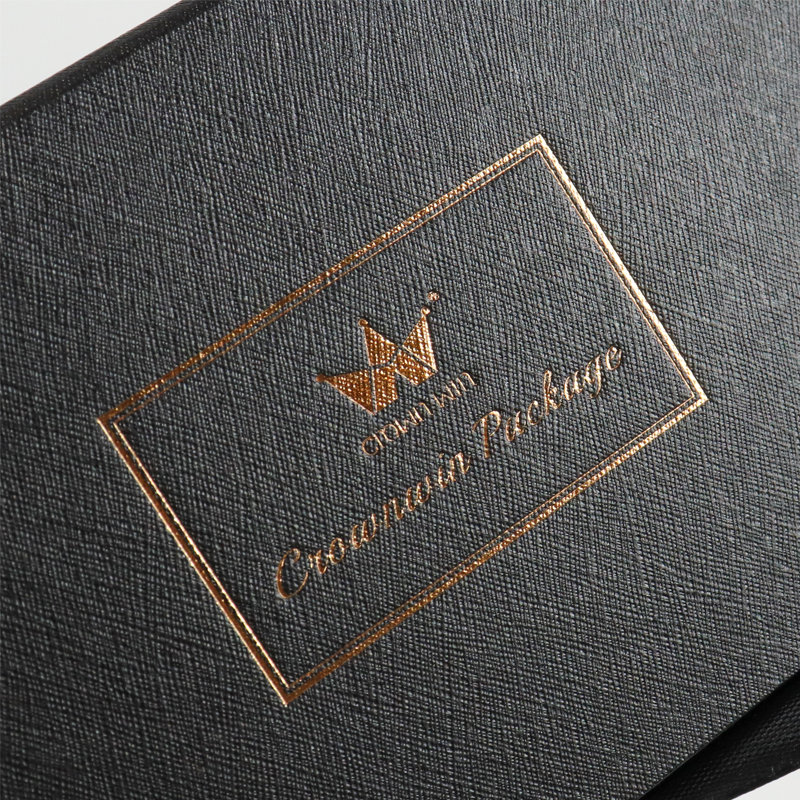
Digital printing uses no physical plates or screens and puts the artwork on the substrate using toner or inkjet technology, directly off of a digital file, – similar to a high-end office printer but scaled to production.
This makes it very effective when it comes to quick-turn prototypes, small-runs, or variable data (i.e. personalized packaging). It requires minimum setup so that it can be sampled quickly and designed without extra tooling expenditure.
Nevertheless, digital techniques are usually limited to high levels of ink coverage, some specialty substrates and at least the equivalent depth or opacity as screen-printed layers.
| Aspect | Digital Printing Characteristics |
| Setup requirement | No plates or screens |
| Color handling | CMYK-based |
| Production speed | Fast setup, slower scaling |
| Customization | Ideal for variable data |
| Surface durability | Moderate |
Screen Printing vs Digital Printing: Key Differences Explained
The actual screen printing and digital printing comparison in package is structural and operational in nature, and not necessarily the visual difference between them. The choices should consider the manners in which each procedure is going to act during the entire production cycles rather than on the first samples.
| Comparison Factor | Screen Printing | Digital Printing |
| Best order volume | Medium–large runs | Small batches |
| Color vibrancy | Very high | Moderate |
| Special colors | Pantone, metallic inks | Limited |
| Unit cost trend | Decreases with volume | Higher at scale |
| Consistency | Excellent across batches | Can vary |
| Material flexibility | Strong | Limited |
How Printing Method Impacts Packaging Cost and Scalability
Most packaging printing decisions are influenced by production economics. Screen printing involves investment in screen set up and color separation of each design element and this is expensive at the outset. When those screens are prepared, though, the unit cost becomes much lower with increase in volume – and can become the most cost effective when it is needed in quantities of several thousand and more.
Those setup costs are removed through digital printing which provides predictable prices in low to medium volumes. In larger volumes however, the per-unit cost is fairly flat (or even it rises) because slower throughput and wear on the machines come about. Scaling digital job also poses a risk of creating slight color or registration differences in case more than one machine or print heads are utilized in the course of time.
In reality, screen printing is frequently found to provide superior cost predictability and predictability in planning when repeated orders or seasonal restocks are required to be made by the brands, after the initial investment has been amortized.
Color Accuracy, Consistency, and Brand Control
The requirement of brand color fidelity in the production batches is a non-negotiable necessity of most consumer goods and luxury brands. Screen printing involves spot colors (with Pantone formulations) and specialty inks, which enables it to have a close match and is not varied much between the first and the last unit.
Digital printing is based mainly on CMYK mixing and can give a very good photographic appearance but is unable to replicate the precise brand colour – and in particular metallics, fluorescents or deep solids. Digital output can experience minor changes over long run or between reprint batches, as a result of ink density, substrate change or environment conditions in the pressroom.
| Color Requirement | Recommended Method |
| Strict brand colors | Screen printing |
| Photographic designs | Digital printing |
| Metallic or special inks | Screen printing |
| Short-term campaigns | Digital printing |
When packaging is to be placed on retail shelves or is a sign of high-end positioning, the uniformity of screen printing may be the reason why the technique is still applicable despite the seeming speed of digital when used to create prototypes.
Durability and Finishing Compatibility in Packaging
The adhesion of ink and wear resistance is very important in packaging where boxes are subject to stacking, transportation, shelf handling, and consumer contact. Screen printing coats the substrate with much thicker ink films bonding with the substrate more effectively, providing more resistance to scratching, scuffing and fading – particularly with matte laminates, soft-touch finishes, or rigid gift boxes.
Digital inks are less robust and usually thinner thus requiring the application of extra protective layers. Both are compatible with downstream finishing (foil stamping, embossing, spot UV) and the strong base layer of screen printing can be very compatible and result in a reduced number of defects combining the two techniques.
The durability has a direct impact on the performance in the field: poorly stuck printing can result into customer complaints, returns, or even brand damage during transportation and delivery.
Common Mistakes When Choosing Packaging Printing Methods
Experience with production reveals that there are a number of recurrent mistakes, which cause rework, delays, or unpleasant surprises:
- Making a decision on utilizing digital printing to print large-scale production without taking into account unit cost increase and throughput capacity.
- Violation of the guidelines of the ink durability issue during shipping and handling by retailers resulting in the apparent wear upon arrival.
- Testing the method by judging it based on appearance in prototype rather than in full-run behavior.
- Ignoring consistency requirements over the long-term when colors of a brand matter, or when a repeat order occurs.
- Ignoring implications of setups in cases of high switching of design in medium volume.
These early – preferably when negotiating with the suppliers – would solve most of the problems down the line.
Conclusion — Choosing the Right Printing Method Is a Production Decision
The key to good packaging printing decisions lies in their requirements, not in their appearance or trend, but on the basis of the scale of production, the behavior of the material used, and brand maintenance. Screen printing is the best in medium-large sizes when it comes to the vibrant and long-lasting outcomes and the cost-effectiveness of the process in mass production. Digital printing is bright when it comes to short-runs, quick prototyping, as well as variable or highly detailed artwork.
Correspondence between the method and the volume, the color management, the substrate, and the lifecycle requirements will guarantee the secure manufacturing results and eliminate the way to the expensive surprises further in the procedure.