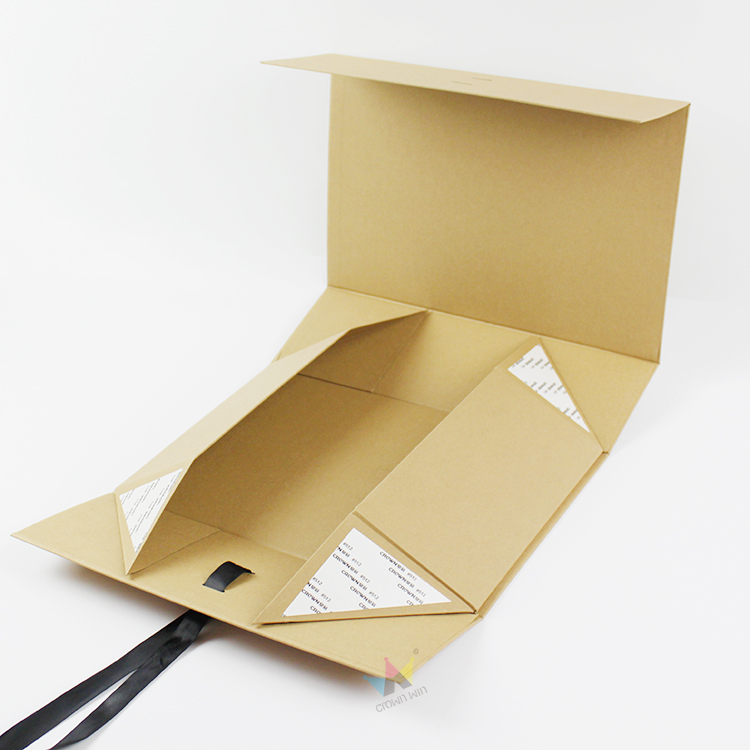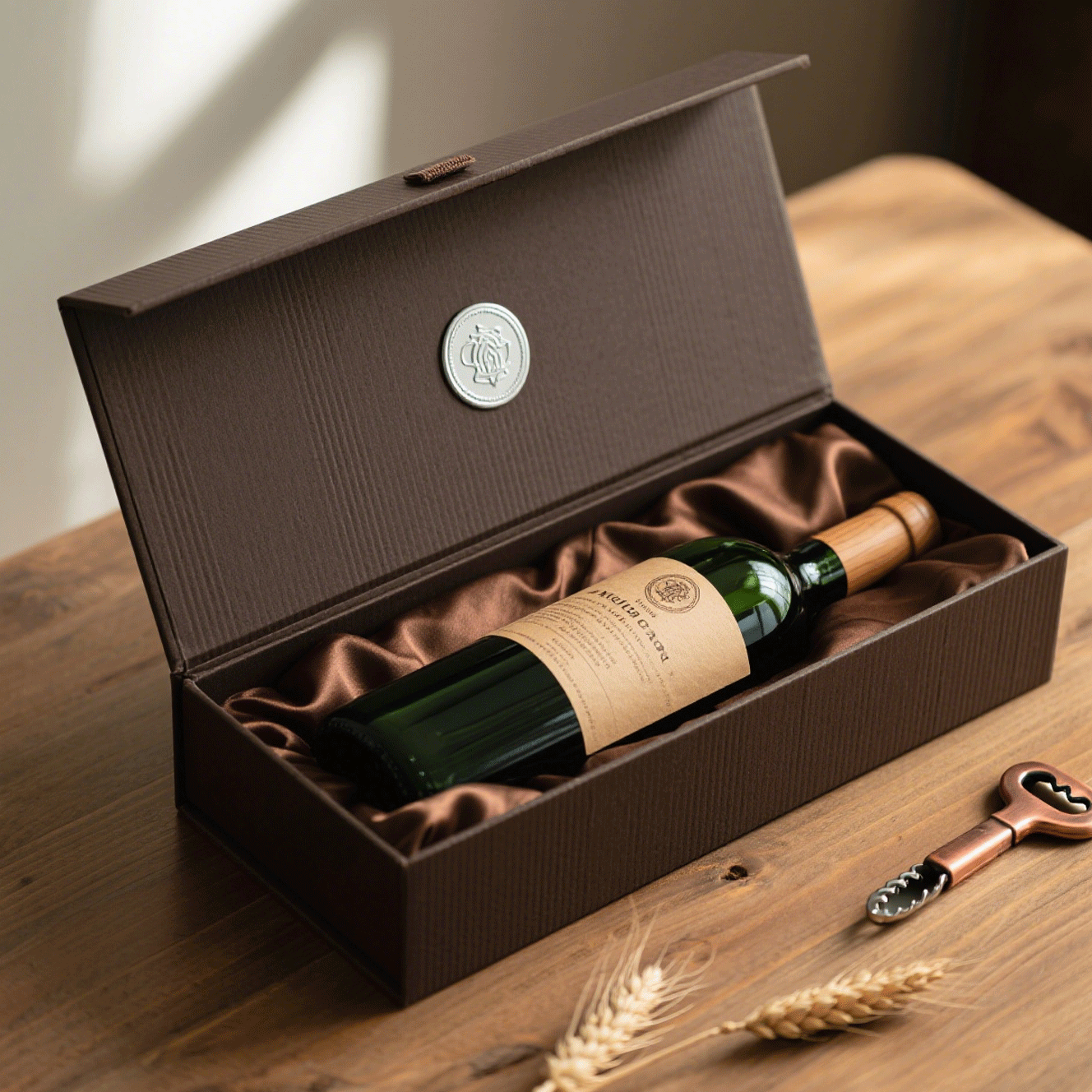
Rigid boxes can be a more suitable option to clothing brands that want custom apparel packaging, when the most important attributes are the brand image and the product safety, or when the unboxing experience is the most important in promoting the product, as is frequently the case with luxury or high-end brands. Conversely, folding cartons are more appropriate in brands that deliver on economies of scale and scope such as the mid-range or fast-fashion operations that need lightweight and easy-to-store solutions to serve a high volume of customers in a single distribution. No structure is better or worse, the rigid boxes are strong, beautiful, more expensive and the folding cartons are flexible and cheaper but less strong. This will depend on how well your brand is positioned, sales channels, budget and the scale of its operations. The most appropriate clothing packaging system does not rely on the beauty of the design, but on how your company sells, delivers and expands.
Understanding the Basics of Rigid Boxes and Folding Cartons
In order to come up with an informed decision on the use of rigid boxes or folding cartons in packing clothes, it is best to begin by their basic differences in terms of construction and handling.
What Are Rigid Boxes?
Setup boxes also called rigid boxes are made up of a thick chipboard core that is surrounded by printed or laminated paper. They come in ready to go and provide a non-collapsible good sturdy format that withstands pressure. This production is through die-cutting of the core, wrapping and also frequently reinforcing it such as the use of magnetic closures. During my time as an advisor to apparel companies, I have observed the use of rigid boxes as a good solution where extra protection is required, but ship in their full shape, which may add to transportation volume and the expenses.
What Are Folding Cartons?
Folding cartons consist of single layer paperboard, which has been scored and die cut to be folded in form during assembly. They are shipped flat, and they require less storage, and are assembled or stitched in place on-site. It is easier to manufacture and in a shorter period, by means of offset printing directly on the board. This makes them flexible to different sizes but they do not have the intrinsic rigidity of their counterparts, making them depend on the thickness of the paperboard to be able to hold their own.
Brand Positioning — Which Box Type Fits Your Apparel Brand?
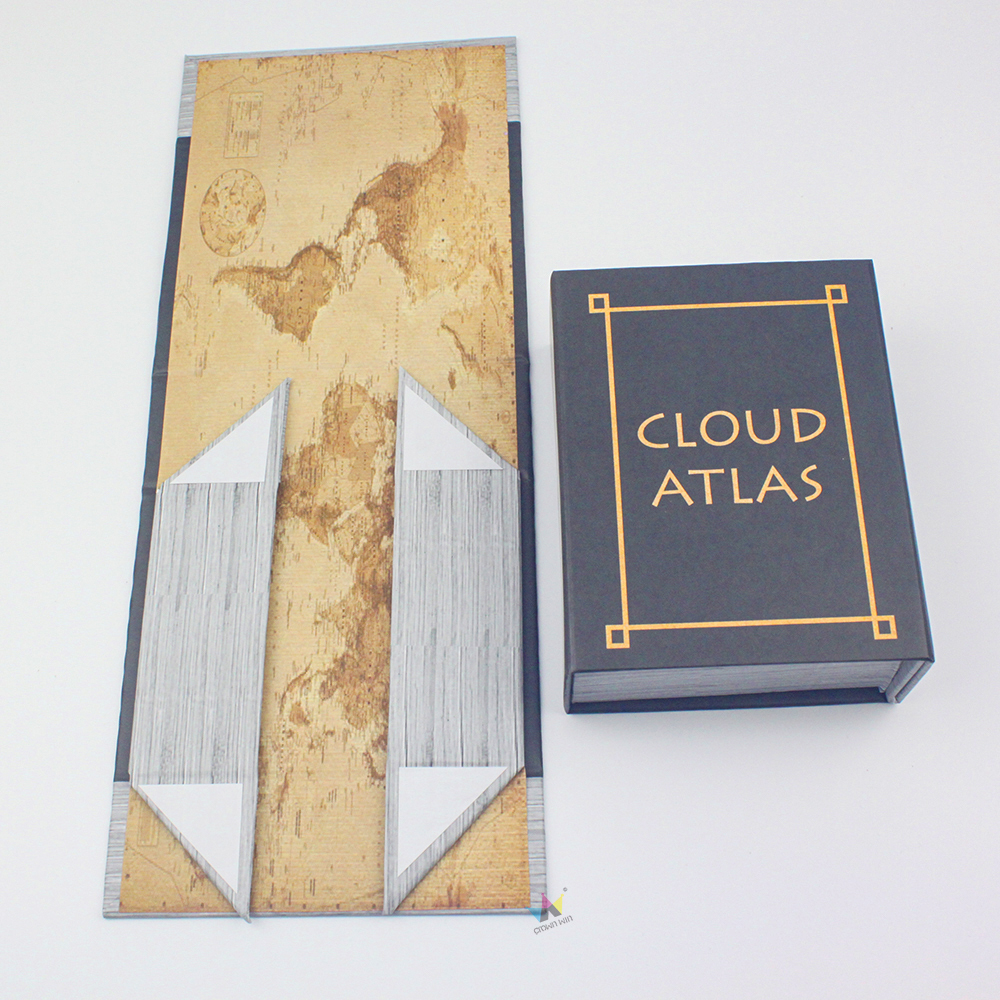
The packaging design must correspond with the image of your brand, as it will shape the perception of the customers on your clothing line once they get it.
Luxury and Premium Fashion Brands
In case of luxury brands, hard boxes to pack their clothing offer the touch and aesthetic value to the exclusivity. Their stiffness does not allow creasing of valuable products, such as silk blouses or custom suits, and they hold a complex finishing, which enhances brand narrations. I have advised the high-end labels, where adopting fixed structures was a better option in terms of customer retention due to the perceived value but not in price-sensitive markets.
Mid-Range and Scalable Clothing Brands
Folding cartons are typically used in the packaging of clothing sold at the mid-range brands as they provide the necessary quality without costing too much. These can be vibrantly printed without spending extravagantly, which is appropriate in brands that have to enter various markets. Design flexibility aids in the consistency under product lines, yet it might not provide a similar high-quality experience as immobile alternatives.
Fast-Fashion and DTC Brands
Direct-to-consumer (DTC) and fast-fashion businesses are more inclined towards folding cartons because of their lightweight and scalability. Rigid boxes vs folding cartons is a no-brainer in this case, as folding plans enable quick throughput and reduce the price per unit, and are suited to brands with regular drops and high volume e-commerce. But in the case of brands that want to make their image finer, it may be worthwhile to invest in rigid boxes in the long-term.
Cost Comparison — Rigid Boxes vs Folding Cartons
The element of cost plays a central role in the decision of rigid boxes vs folding cartons where variations arise out of materials, production, and logistics. For a deeper dive into what affects the cost of custom apparel packaging boxes, consider these elements.
Unit Cost Differences
The typical rigid boxes are more expensive, 2-3 times than folding cartons, because of the use of more solid material and complicated wrapping. Folding cartons are less expensive to make as they only require a single sheet, and can therefore be used when pressured by budget.
MOQ Requirements
Rigid boxes have higher minimum order quantities (MOQs) of around 500-1000 units as they have set up costs to cover, but folding cartons can start as low as 100-300. This will affect startups in different ways; small brands can realize that folding cartons are more available first.
Shipping & Storage Efficiency
Folding cartons deliver flat cartons, which reduce freight expenses by 70 percent of those associated with rigid boxes. Storage is no exception- flat cartons occupy a large stack space in warehouses and they minimize the space requirement of increasing inventories.
Cost Impact at Scale
The efficiencies of folding cartons are multiplied at high volumes, which reduces the overall costs by reducing the time taken to design production cycles. Rigid boxes will be more expensive initially, but can pay off in brands where longevity will lower returns, scaling needs to be thought through and avoid bottlenecks.
E-commerce vs Retail: How Sales Channels Affect Packaging Choice
The channels of sale influence packaging requirements, e-commerce places the accent on the resiliency of the transit, and retail on the visual merchandising.. Explore the differences between retail and e-commerce apparel packaging for tailored insights.
Protection and Durability in Shipping
In e-commerce, inflexible boxes used in the packaging of apparel provide a greater crush resistance during the parcel handling process that reduces the damage to folded apparel. Lighter shipments can be done using folding cartons and some reinforcements such as corrugation can be used in long-haul logistics.
Unboxing Experience vs Shelf Display
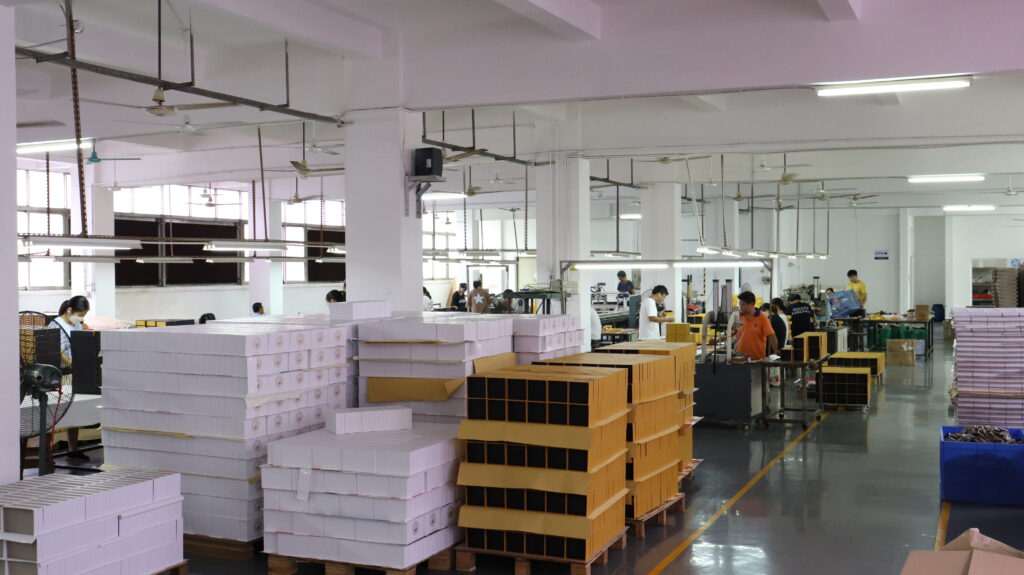
Unboxing wow-factor is the key to e-commerce success, and magnetic box lids with inserts individuals make are shining. Retail lays more emphasis on shelf-ready designs; folding cartons are suitable here as it has easy-to-open flaps and vivid graphic on impulse purchases.
Returns and Logistics Considerations
The rigid box is more preferred in high return rates of the apparel e-commerce due to its reusability, but folding cartons are preferred because of its lower weight, which reduces the cost of reverse logistics. Channel integration brands should consider them at the expense of efficiency.
Customization and Design Flexibility
They both have customization, but their boundaries influence the manner in which you perform the types of apparel packaging boxes.
Both have good printing: offset good colors high fidelity, folding cartons can be printed directly, faster turnaround. Finishing methods such as foil stamp, or emboss working on either can then be used, however the rigid boxes are better at the heavier laminations due to its durability.
Inserts compatibility fits: rigid boxes are used with molded trays to be placed in them and create an ordered presentation, whereas folding cartons are used with simple dividers. The structural creativity is biased to unique forms that are rigid, whereas the folding cartons are modular.
This flexibility underscores the need for custom apparel packaging boxes that integrate seamlessly with your brand’s vision.
Operational Considerations When Scaling Apparel Packaging
An increase in brands makes operational realities such as assembly and storage very important in the debate of rigid boxes vs folding cartons.
Assembly and Packing Efficiency
Cartons fold fast on production lines, which are suited to packing high throughputs. Rigid boxes are more manual in point of handling and slow down processes but provide accuracy in case of high-quality items.
Warehouse Storage
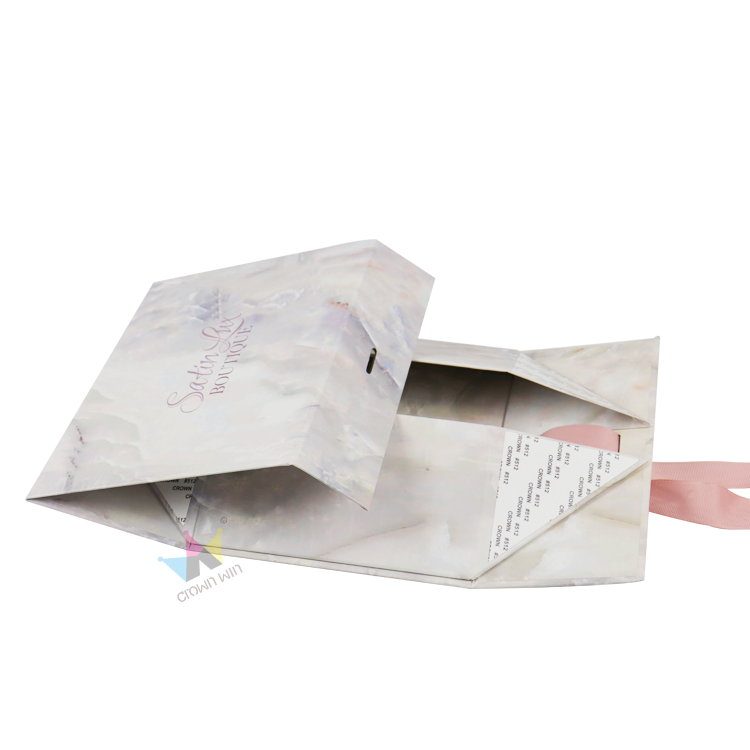
Flat-shipped folding cartons reduce storage space which is of critical importance during seasonal highs in apparel. With a volumetric rigid box, the space will be larger and the overheads might be higher.
Lead Time and Production Planning
Folding cartons use less tooling and therefore have shorter lead times-in most cases 2-4 weeks. The process of rigid production may take up to 4-6 weeks and the launches should be planned in advance.
Which Is Better for Your Brand — Rigid Boxes or Folding Cartons?
There is no clear cut answer when it comes to rigid boxes vs folding cartons but at least consider some of them using this checklist: Brand level (premium is rigid due to protection), cost issue (folding due to cost-effectiveness), channel mix (e-commerce due to the protection), scale projections (folding due to volume). For a comprehensive approach, refer to how to choose the right custom apparel packaging boxes to map your needs systematically.
Conclusion — Choosing the Right Structure for Long-Term Apparel Packaging Success
In the end, it is just a matter of matching structure to your brand positioning, cost realities, sales channels and growth trajectory between rigid boxes and folding cartons. Rigid choices strengthen superiority and security, whereas folding cartons promote effectiveness and scalability. The structures of the packaging of clothing brands should adapt to your operations one should begin with the simple and improve with the development of your operations. To decide on rigid or folding cartons, it depends on which decision is right first to know your brand and find a packaging company that can embrace your expansion by providing custom apparel packaging services.