
There is no absolute better or worse choice in automotive packaging that rigid boxes or corrugated packaging; rigid boxes are used in high-value, precision parts that need a high-quality protection and presentation, which could be electronic modules or aftermarket accessories whereas corrugated packaging is the logical choice to make in the case of bulk and heavy-duty components, such as engine parts or engine assemblies, to which cost effectiveness and scalability are paramount. He or she is usually a misconception based on the belief that visual frugality is synonymous with excellence, yet in auto applications, the essence of the pick of structuring is to match the weight distribution of the part, the mode of transport (e.g. air or sea freight), and the rate at which the supply chain runs – rigid constructions limit the amount of vibration damage on low-volume OEM assembly lines, whilst corrugated is the optimal choice in high-throughput aftermarket distribution with no overengineering. There are no universal better structures, whereby both structures address various automotive packaging issues.
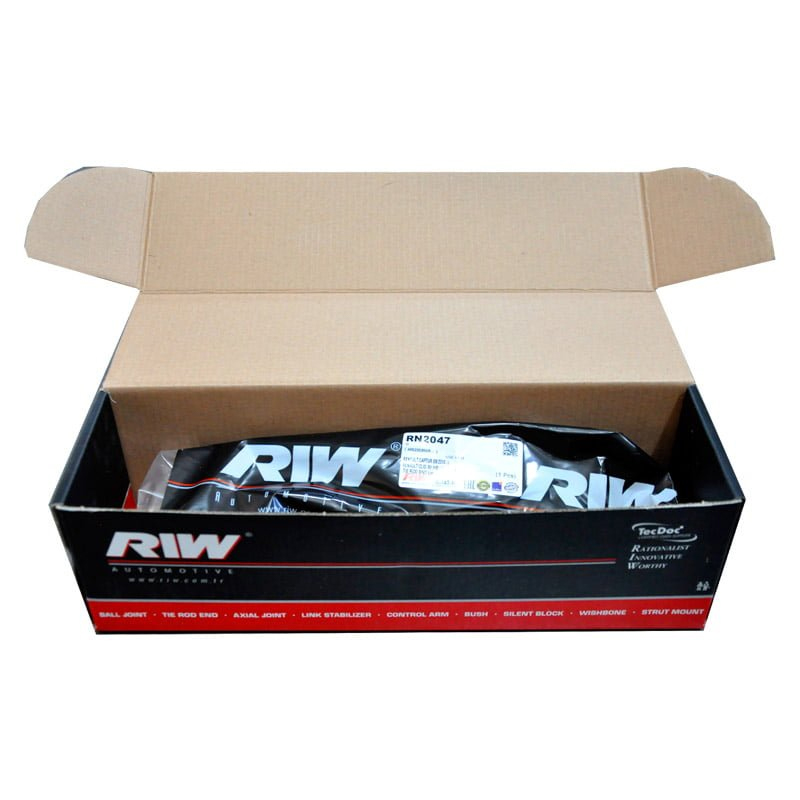
What Are Rigid Boxes in Automotive Packaging
The setup boxes, also called, rigid boxes are made of thick chipboard cores held in a printed or laminated paper, which is designed to be non-collapsible and therefore preserve its integrity under pressure. This structure is important in automotive applications where consistent dimensions are required, especially in tightly-tolerated parts.
Structural features are high compressive strength; commonly 1,000-2,000 psi with respect to board thickness, and the addition of custom inserts, such as EVA foam, to hold components in place. Based on engineering projects that I managed, rigid boxes are not easily deformed in stacked pallets, however, they are already assembled, which contributes to their bulk.
Their load-carrying capacity and durability make them dependable to parts of up to 5-10 kg with additional impact resistance provided by corner guards. They do not have a high performance but must be designed well to prevent overweight.
Common automotive examples include packaging sensors, wiring cables, or branded aftermarket packages, where the box itself serves as a display unit in the retail or service center, making the process of opening the box more enjoyable to the technicians or end-users.
What Is Corrugated Packaging for Automotive Parts
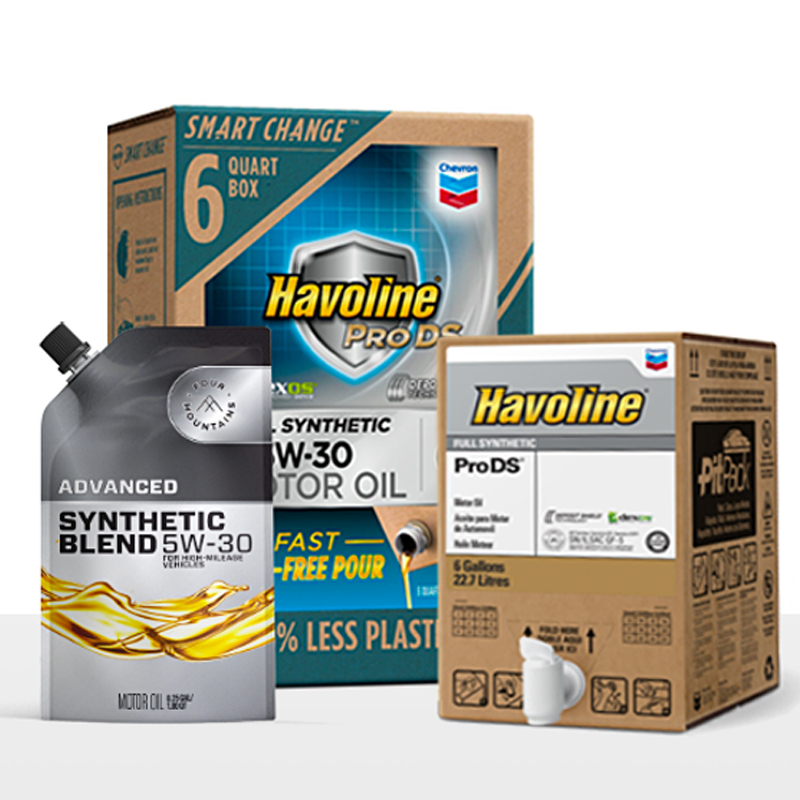
Corrugated packaging is characterized by fluted layers of paperboard sandwiched in between liners that form a structural material that is light but strong enough to flex and absorb shocks. In cars, it is prized because of the flexibility of its flute profiles (e.g. B-flute in cushioning, E-flute in print quality).
Variable strength-to-weight ratio Material structure permits double-wall corrugate to carry 20-50 kg with minimum tare weight, is required to optimize freight.
Strength to weight ratio is one of the major advantages: Strengths in the bursts of 200-400 psi can be realized at fractions of the weight of the rigid box, and it is effectively utilized in global supply chains where every gram counts.
The benefits of scalability excel at the production level: Flat-shipped sheets are put together on-site, which can be utilized to allow production to benefit the automotive suppliers in accordance with changing demand.
Protection and Performance Comparison
Rigid boxes offer better protection of delicate automotive components because of the rigid shape but corrugated package is better in dynamic shipping conditions where the breakage can be avoided by the bending of the corrugated packaging- choose depending on the part susceptibility and the risks involved in transit.
Shock resistance: Rigid boxes are good at drops to 1 meter and have foam-lined interiors absorb better, but only in multi-drop applications, where corrugated with its wave-like flutes can be used.
Vibration control: In long-haul trucking, rigid designs result in lesser movement of parts by making them tightly fitting, and it also limits corrosive abrasion of painted surfaces; the cushioning layers of corrugated deal with road vibrations of heavier parts such as exhaust components without being specially designed.
Risks in long-distance transportation: Rigid boxes decrease damage in airfreight because the stack is stable, whereas corrugated decreases risks in sea containers because it adjusts to the deviations corrugated decreases claims in ocean transportation by 15-25 percent projects data.
Cost, MOQ, and Production Considerations
Corrugated wrappings normally have low unit prices and flexible minimum orders to scale automobile production whereas rigid boxes require greater initial investments but rewards premium logo-evaluate total landed costs with equipment.
Tooling and setup: Rigid boxes need specialized dies with charges of $500-2,000, with a charge divided by 1,000 plus boxes, which runs as low as 100) corrugated will use standard corrugators, and set-ups under 300 are used.
Unit cost at various levels: At 500 units rigid may reach $3-5 each, and fall to 2 at 5000; corrugated will reach 1-2 and reduce to 0.50 at mass production. For detailed cost planning for automotive packaging structures, factor in material fluctuations.
Lead time variations Corrugated 2-4 weeks via automated lines; rigid 4-6 weeks with manual wrapping, which affects just-in-time OEM orders.
Logistics and Supply Chain Impact
Corrugated packaging will maximize automotive supply chains with better stackability and lighter weight, and rigid boxes with better protection of low-velocity logistics- select according to your chain speed and handling intensity.
Stackability/palletization: Interlocking/compiler designs enable Corrugated to support 20-30 percent greater loads on the pallet without crushing, and rigid boxes may be stacked in heights limited by weight, which is preferable in tiered warehousing.
Efficiency in the warehouse: Flat corrugate consumes less space (up to 70% less than pre-assembled), which makes it easier to store inventory during seasonal aftermarket surges; rigid requires more space, but it is suitable in dedicated run.
Damage rate factors: Corrugated in-transit damages heavy part 10-20% through flex; rigid in-assembly damages through part orientation.For channel-specific strategies, consider structural differences between OEM and aftermarket packaging.
In developing an automotive packaging structure strategy, integrating options like custom automotive packaging boxes allows tailored combinations for hybrid needs.
Rigid Boxes vs Corrugated Packaging by Part Type
In the case of automotive parts, rigid boxes are used on part components that need minimal movement and corrugated handles on large and heavy part components- match part characteristics to prevent over protection and under protection.
Sensitive electronic parts: Rigid containers with inserts avoid ESD and vibrational destruction of sensors or modules during the short-haul; corrugated is used to bulk-pack with dunnage; however, it is prone to damage in the coarse routes.
Machined metal parts Corrugated strength supports weight of gears or shafts in pallet shipments; rigid adds value of branded, low-volume OEM kits requiring clean presentation.
Heavy or oversized components Corrugated is the predominant choice in bumpers or frames, and it can be reinforced with custom options without the bulk of rigidity, which is uncommon in this industry unless needed in a specialized aftermarket display.This echoes part-specific automotive packaging strategies.
OEM vs Aftermarket Use Cases
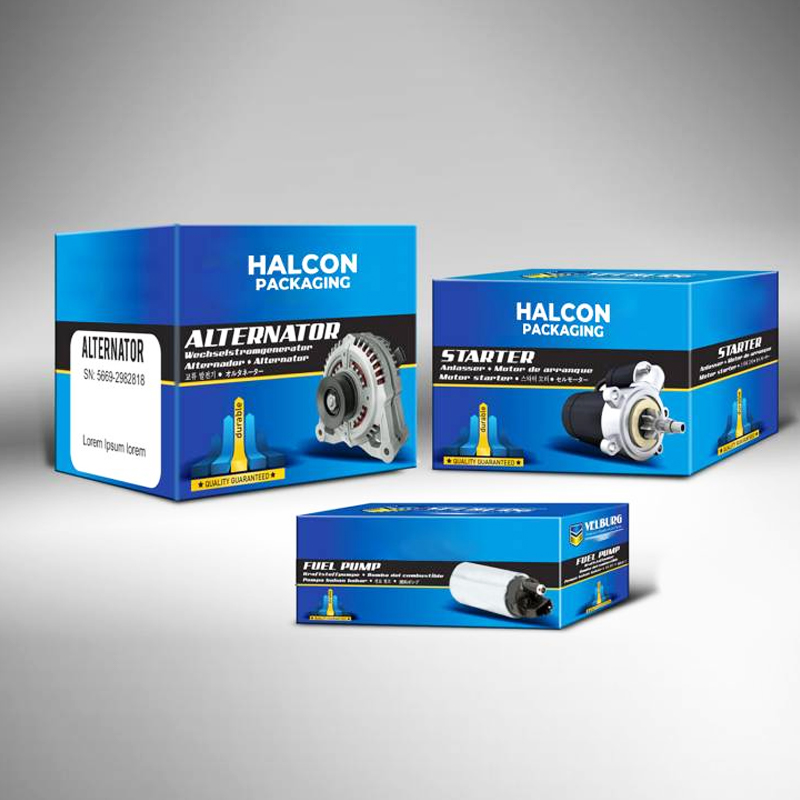
OEM packaging is more and more standardized with corrugated to work in assembly lines and aftermarket with rigid to brand in re-tail-duck to the needs of your market segment.
Standardization vs flexibility: OEM competes with corrugated offer uniform high-volume crates with few variants; Rigid boxes offer flexibility with a wide range of SKUs.
Presentation/branding needs: Rigid creates more shelf presence with consumer facing parts such as filters; corrugated does not frill with more protection in the aftermarket B2B logistical needs.
Common Mistakes When Choosing Packaging Structures
Automobile brands usually fail because of placing more emphasis on an outlook rather than a functionality resulting in inefficiencies.
Overengineering protection: Rigid components should not be used on heavy items at any price, unless it is necessary to achieve precision: corrugated is preferable.
Necking logistics expenses: The bulk of Rigid adds to the freight costs; add up all chain costs, and do not rely only on unit prices.
Giving form to a piece without knowing the role: Evaluate weight, fragility and transit initially- prototyping will show discrepancies at an early stage.
For cushioning, pair with cushioning strategies for automotive parts to complement either structure.
Conclusion — Choosing Packaging Structure With Engineering Intent
Rigid and corrugated structures differ with each alternative meeting a unique automotive requirement as Rigid is designed to provide value added protection in high-end environments whereas corrugated is designed to meet volume-based-efficiency requirements in chains. Value engineering fit, not beauty: prototype, project costs, and draw your supply network. Automobile packaging structure is the one that does the best job of protecting the part on its entire path.