
Meta Description: Find out the complete guide to the sustainability of 2025 packaging. Discover what constitutes eco-friendly materials, cost-efficient and more importantly, learn how eco friendly packaging solutions such as sustainable packaging can enhance brand reputation at the same time improving the environment, aligning with current consumer demand .
The Rising Importance of Sustainable Packaging in Modern Business
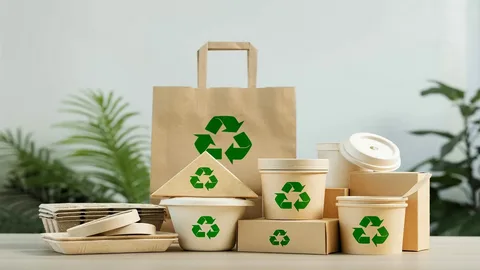
Eco-friendly packaging has moved beyond a cute sideshow to the essential of business, as it meets rising consumer expectations . With environmental awareness at never before seen heights, businesses across the globe are realizing the importance of environmental friendly packaging is no longer a matter of corporate social responsibility, it is a way of life in the highly competitive business environment of the current day. The consumer surveys indicate that 51 percent of the respondents rate environmental impact as extremely or very important, and among the key trends, the demand in sustainable solutions has also remained high over the past few years.
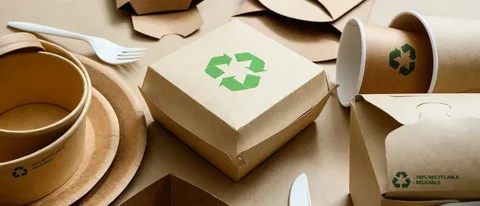
Changes in packaging practices are an expression of a changing society in its approach to consumption and wastes. Millennium consumers today know more than ever on environmental matters, and they are even basing their purchasing decisions on whether companies are sustainable in their endeavors. Such a change has presented challenges and opportunities to firms in every sector, including e-commerce and the traditional brick-and-mortar stores.
Understanding What Makes Packaging Truly Sustainable
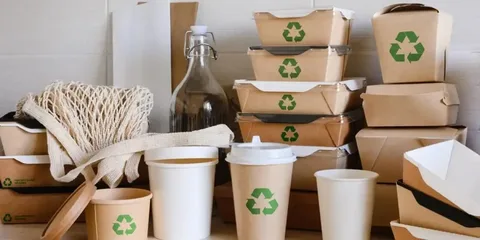
To support sustainable packaging is much more than just using recyclable material. It is the comprehensive solution on protecting products by taking a lifecycle perspective when it comes to the packaging materials that include using raw materials, packaging life and the disposal of the packaging. Real sustainability, rooted in environmental responsibility, must be through biodegradable renewable reusable compostable materials or post-consumer recycled materials that will have a minimum effect on the environment in their existence.
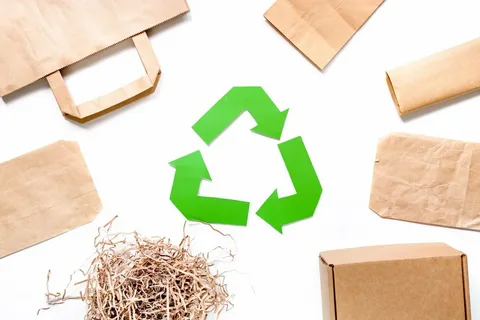
The concept is also not only about the material composition, but also about the means of manufacturing, costs of transporting and the means of disposing. Sustainable packaging must be able to preserve goods without wastage of resources and generation of much waste, thereby reducing the overall carbon footprint . It is an all-conclusive means to make sure environmental merits are not compromised by other weaknesses in other elements in the packaging life cycle.
Current Market Trends Driving Sustainable Packaging Adoption
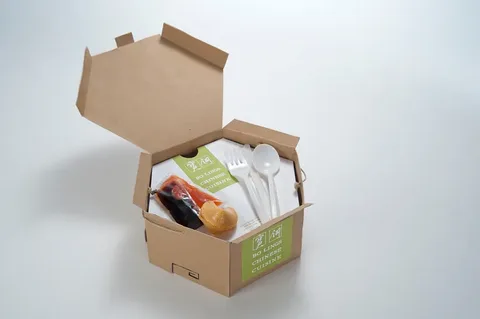
Food and beverages is turning out to be the fastest growing category and is expected to grow at a compound annual growth rate of more than 6 percent till 2032 due to the adoption of reusable packaging solution as a way of eradicating single-use plastic waste. This increase indicates the commitment of particular sectors in taking the initiative into greener operations, particularly in the realm of food products .
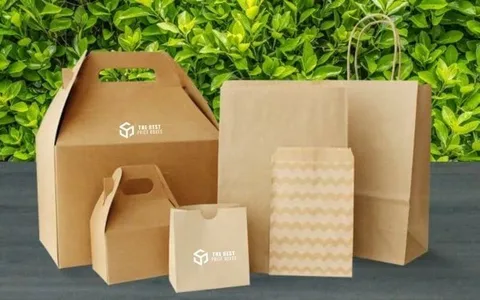
The brands are coming up with packaging that can be washed and be used as containers, furniture at homes or even become components of other products brining additional value to the user other than buying their products. This multi-functional packaging trend point is a very strong indication of a paradigm change in the approach given to presentation of products, enhancing interactive experiences and improving the customer experience by companies.
Innovative Sustainable Materials Revolutionizing Packaging
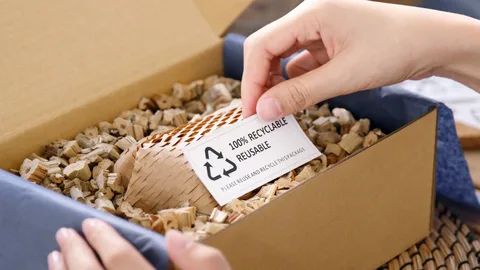
The sustainable packaging materials market has grown very rapidly in the recent past. Paper materials still lead the pack with over half of all packaging in the U.S being packaging made of paper products, which significantly reduces packaging waste, most of which are biodegradable, recyclable, and easily printed on especially in the form of cardboard. Innovation, however, has come up with interesting options that interfere with conventional packaging suppositions.

Mushroom packaging is a low-cost solution that is eco-friendly since mushroom packaging is designed using mycelium and other plant materials that are more economical and sustainable in terms of products that are smaller. This is a malleable material that can be customized into the needs of a particular product but can also be fully compostable. On the same note, both seaweed packaging and cornstarch packaging both offer biodegradable alternatives that work best in food applications and have properties similar to plastic without leaving traces in the environment.
The Business Case for Sustainable Packaging Implementation
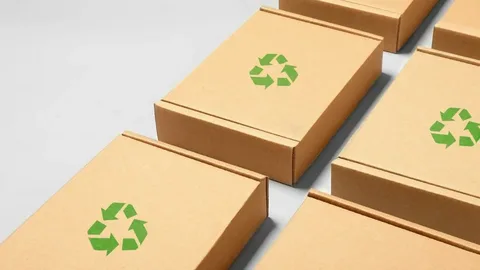
Organizations that have adopted sustainable sustainability packaging strategies usually find great business value in it other than in environmental implications. It is commonly demonstrated in research that customers are ready to pay high prices on products that have sustainable packaging, which presents the prospects of higher profit margin. Sustainable packaging also has the potential to save in the packaging shipment because, with less dense materials and logical construction, it is lighter and more handy, which means a decreased transportation rate.
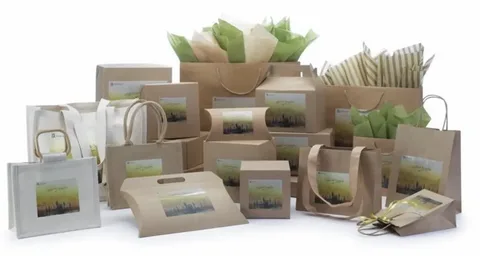
Another significant gain is the increase of brand reputation. Customers who are loyal and hold a favorable brand association will tend to buy the product of a company when the company shows a real dedication to being responsible to the environment, which can help create memorable connections . This image superiority, including the visual appeal of sustainable practices, has the potential to convert to the competitive advantages in busy market places where differentiation is difficult.
Overcoming Common Challenges in Sustainable Packaging Transition
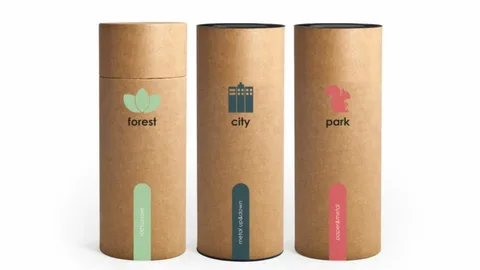
The change to sustainable packaging comes with a number of challenges, which companies ought to tackle strategically. At the very first meeting, the talk can be dominated by cost factors, because the cost of sustainable materials can justify a higher cost than their conventional counterparts. Nevertheless, it is often find that a comprehensive analysis of lifecycle results in more cost savings over the long term with waste disposal costs and possible premium pricing opportunities.
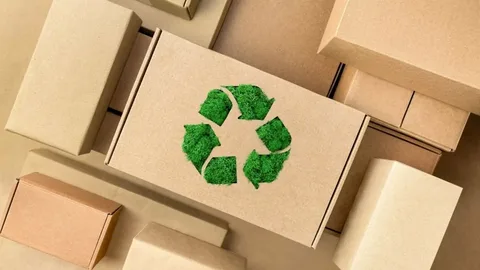
Another serious challenge is that of supply chain complexity. New supplier relationships and adjusted logistic processes can be needed to use sustainable materials. Businesses have to take their time in finding out good suppliers who are able to produce quality small batch products that are also environmentally sustainable in their processes.
Certification and Standards for Sustainable Packaging
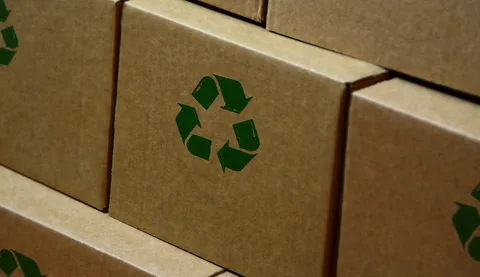
The concept of professional certification is an indication of reliability and advice to companies that seek sustainable practices in packaging. Sustainable Packaging Coalition is an organization that provides resources and membership to those organizations that are dedicated to environmental stewardship. Forest Stewardship Council (FSC) certification is a method that means the paper packaging of the product has been made in responsibly managed forests which have high environmental and social requirements.
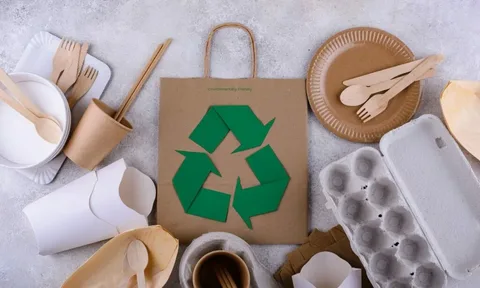
Such certifications also have more than one purpose: they allow implementing frameworks, verification of the sustainable claims on a third-party level, and allow consumers to find truly sustainable products. Companies ought to look into certification policies at the initial stages of the sustainable packaging process to enable conformity and reap maximum marketing advantages.
Design Principles for Effective Sustainable Packaging
The best sustainable packaging design implies a balance of numerous factors at the same time. The focus of protection has to be on packing commodities to protect inventory during the course of the supply chain without using excessive material. This balance will usually necessitate new ways of structural design with clean lines as well as the choice of materials.
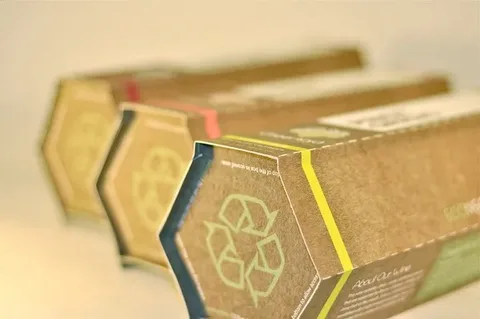
Some of the effective design concepts are to right-size the package with the aim of reducing waste, choosing materials that correctly fit specific product needs, and designing packaging that enables the simple recycling or composting process. Further, the idea behind design should be the whole experience of the customer, namely unpackaging and disposal.
Consumer Education and Sustainable Packaging Success
Even sustainable packaging is doomed in case people do not know how to dispose it. Businesses have to invest into educating the customer, leaving instructions on what to do with recycling, composting, or reusing materials of the packaging, while ensuring consumers instant access to this important information . This learning is more than mere labeling of a product but the whole information regarding the good that the environment may get as a result as well as the correct ways of handling them.
Effective consumer education can take the form of many touchpoints including the packaging of the product itself, the content on the websites and how a customer is treated in customer care. Business should also think of coming up with learning tools that will make customers realise how the environmental they choose affects the environment and how to get the maximum environmental advantages.
Cost-Benefit Analysis of Sustainable Packaging Solutions
The financial effects of sustainable packaging cannot be discussed without using a wide variety of approaches to the topic. Although at a first glance sustainable materials might have a higher cost, total cost across the life cycle tends to be lower when one takes into account the costs of disposing wastes, the possible extra pricing of products, and the increased brand value of the products over time, all contributing to a reduced environmental footprint today’s consumers.
All of this makes companies examine the cost along various lines that include; cost of materials, processing cost, transportation efficiency, storage cost, and overall cost at the end. This in-depth comparison usually shows that long-term sustainable packaging offers a better value, especially interests accorded to reputational gains and customer loyalty enhancement.
Future Innovations in Sustainable Packaging Technology
In 2025, the trends in the use of sustainable packaging will turn the very concept of the packaging of existing products upside down, focusing on new design solutions using new materials and environmentally sustainable production mass produced. With newer emerging technologies, even greener alternatives can be had like edible packaging on foods and smart packaging that reduces the amount of materials to be used by incorporating sensors in the packaging.
The study on new materials, generated off agricultural waste, and algae, as well as renewable sources, is underway. The innovations can come up with packaging that is not only sustainable, but also superior in performance to the traditional materials hand drawn illustrations. The firms are supposed to watch these emerging trends in order to get competitive advantage.
Implementation Strategies for Sustainable Packaging Programs
The implementation of sustainability in packaging needs methodical strategies, which target various organizational dimensions at the same time retro aesthetics consumer engagement. Businesses must start by conducting detailed audits on the existing packaging systems and give the current practice areas where they can make a quick improvement and the vision of where they want to transform in the long-run minimize waste.
Pilot programs provide great potential to experiment to the point of choosing sustainable alternatives. This set of pilots must incorporate extensive performance measure, cost analysis, as well as customer feedback. Findings of pilot programs are used to develop more far-reaching plans of implementation and the possible challenges are determined before they turn into major issues transparent materials.
Conclusion
The design of sustainable packaging is an important chance that a company can use to prove that they are eco-friendly and also gain serious business advantages. The need of consumers to increase sustainable sustainability and the latest design trends, as well as the pressure of regulators and technological innovations, offer good opportunities to the companies that are willing to adopt the concept of sustainability in operations. To achieve success, it will be necessary to receive more complex methods that will focus on materials, design, implementation, and consumer education at once.
It is not uncommon to find that those companies which take a strategic approach to sustainable packaging find that there is much overlap with business advantages making win-win situations where all of the stakeholders come out ahead. The point is that sustainability is not merely a question of materials compostable packaging; it is the redesign of the whole system of packaging that has a little impact on the environment, and much value to the company and customers plastic packaging.