
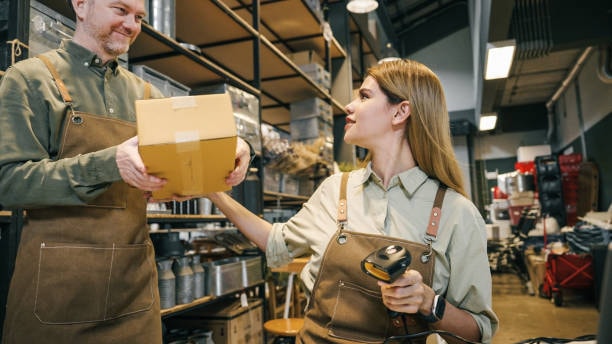
Come and learn about the most important issues in the industry of packaging such as the question of sustainability, the increasing cost, supply chain broke, and regulatory requirements. Find solutions and future trends in packaging.
In 2025, the packaging enterprise is under an unprecedented pressure: companies are unable to prioritize the sustainability requests, increasing prices, and complicated bureaucratic requirements. Whether it be environmental issues or the disruptions in supply chain, such demands are changing the way businesses view packaging design and production. These packaging issues and challenges are important to understand by companies wishing to become competitive and satisfy customers with their requirements and regulatory expectations, as well as to find effective packaging solutions .
Rising Material Costs and Supply Chain Disruptions packaging solutions
The insufficiency of materials and the mounting prices have emerged as major problems, and the shortages in containers, laborers, raw materials, as well as some of the pandemic-related disturbances, keep affecting the sector. Prices have soared in all round of the major types of plastic packaging and materials used in the packaging industry including cardboard, aluminum and glass. These price forces oblige firms to make tough choices between using up their profit margins and swallowing the higher cost.

The recent events in the world have revealed the nature of the global world where there can be no more doubts about how vulnerable the supply chain can be and how much the packaging industry relies on complicated international webs. Firms are focusing on diversification and nearshoring of the supply chain as a way of minimizing risk but this has its cost implications and deployment issues.
Environmental Impact and Sustainability Pressures sustainable packaging

Environmental cost of packaging is one of the most burning issues in the industry. As the global production of biodegradable materials and plastic has put 9.2 billion tons on the market and one can recycle at most 9 percent of it painlessly, leading to significant accumulation in landfills there is a reason to consider plastic waste management a hot topic. The time of buyer awareness of environmental issues has come and consumers are ready to switch to brands that really prove their intention of making real efforts in the safety of our environment.
Environmental concern, one of the most important trends bringing change to the industry today is the growing awareness in the minds of the consumers about the environmental friendliness of their packaging. Such an eco friendly transition necessitates a company to entirely reimagine its product packaging strategy, and such a transition can be expensive in terms of new costs on materials and procedures.
Regulatory Compliance and Changing Standards
The regulatory environment is changing and governments all over the world are initiating more stringent regulation to packaging. The stricter regulation put by governments on the disposal of packaging waste, primarily on plastic and shipping materials, is one thing and retailers and consumers favour brands that show environmental commitment. There are noticeable differences in these regulations in different regions which cause difficulties to companies operating in more than one market.
Difference in regulations across countries and regions, fluctuating regulations and ignorance by the policy makers are some of the factors that lead to creation of tensions in the industry. Firms are being compelled to contend with highly complicated regulations and are expected to plan ahead in case of any changes that may affect their packaging plans.
Technology Integration and Digital Transformation
The packaging business is in the digitalization process, as organizations have difficulty implementing the latest technologies and still keeping the prices affordable. Intelligent packaging, implementation of IOT, and sophisticated tracking solutions, despite requiring more investment, can ultimately lead to less energy consumption and money in terms of investments in technology and workforce training. A list of problems associated with legacy systems changes in processes to meet these new technological needs exist in many companies.
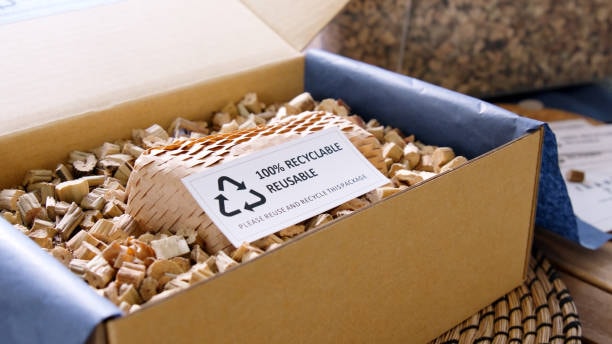
Automation and digital printing technologies are already transforming the production of packaging yet its implementation demands large investments and re-skilling of manpower. Firms have to weigh the strength of technological development with the direct costs and changes in operation of operations of implementation.
Consumer Behavior and Market Demand Shifts
Consumer tastes are changing at a very fast rate and are showing more interest in terms of convenience, sustainability, product safety, and the weight of their packaging. Inflation of the cost of living and everyday insecurities are transforming the US consumer attitudes toward, and interests in sustainable packaging into the future by 2025, raising awareness about global warming . This presents a problem to packaging corporations, which want to forecast and address market variation to meet the evolving needs of customers .
The expansion in e-commerce has drastically changed packaging needs, as the companies may be required to package to not only be put on shelves, but to be sent to locations as well. The trend to shifting to online shopping has brought on new issues with regards to package design since new solutions have to be in a position of delivering against the strains and stress of shipment while enhancing the unboxing experience in a manner that will remain brand friendly.
Quality Control and Safety Standards
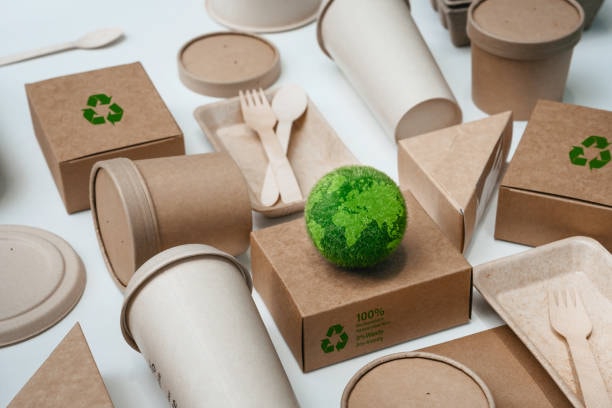
A constant quality issue in the worldwide production plants poses a constant challenge to the packaging firms. Standards of food safety, requirements of pharmaceutical packaging, and raw materials standards of fragile products, muddle even more complex compliance matrices that companies have to implement. The effects of any quality failure could be devastating such as the recall of products, fines by regulatory authorities and in brand destruction.
Contamination risks especially in food and pharmaceutical packaging needs a complex quality control systems and constant monitoring. Firms are forced to acquire sophisticated testing machines and quality checks to enable the safety demands.
Labor Shortages and Skilled Workforce Issues

Packaging industry is experiencing major labor problems as demand of skilled workers is lagging behind the production capacity and quality, while also considering the weight of materials used . The same is evidenced in manufacturing plants, who can hardly get skilled operators of advanced packaging machinery, leading to increased labor costs as well as in research and development functions, that seek resources and talent in materials science and engineering.
The education and competitive salary packages should be continued in order to train and keep well-skilled employees. Firms will have to find solutions to avoid over automation but allow human knowledge in the areas that require it and areas involved in quality management.
Transportation and Logistics Challenges
Shipping costs have made making an impression in the industry with discounts being more than 100 percent. Due to the high fuel prices, shortage of drivers, and the high demand of delivery services, the distribution networks of the packaging companies have experienced a lot of pressure. Firms need to make optimum packages that will secure the goods that are transported during shipping and at reduced transporting cost.
The limitations in the capacity of warehouses and additional complexities in logistics related to the growth of e-commerce necessitate the new packaging design and approaches to distribution strategies. Firms are establishing distribution facilities on the regional level and they are even focusing on manufacturing new boxes and ways of packaging in an effort to cut on the transportation expense.
Innovation and Research Development Barriers
Research and development in ensuring the development of new materials and technologies in packaging costs a lot. Sustainable packaging provides many opportunities in addition to tremendous challenges in terms of post consumer waste, including paper, and costs. and concerns over the depletion of natural resources, but sustainably sourced materials remain more costly as compared to traditional ones. Firms have to strike a balance between investments on innovation, including reuse strategies, and immediate market requirements and cost effectiveness.
The duration taken to create and market new packaging solutions tends to coincide with the fast moving market. Firms have difficulties in sustaining innovation pipeline as they answer short-term consumer demands and regulatory provisions, all while keeping customers satisfied .
Cost Management and Profitability Pressures
The sustainable packaging of course is more costly than the traditional one, which makes it difficult to companies to reconcile the need to be pro environmentally, especially in addressing packaging waste, as well as a profit-making venture. Businesses should learn to deal with the rising cost of right size packaging materials while also considering strategies for reuse ithout an increment on their product prices and still have reasonable profit margins.
The requirements of investment in the new technologies, sustainable material like paper, and regulatory compliance generate further pressure on costs. Firms are to consider ROI of different initiatives related to plastic attentively and keep their operations and customer satisfaction at a high level.
Competitive Market Dynamics
The packaging sector is affected by a high competition rate among newcomers and well-established companies that propose their unique solutions. Firms have to compete by adding eco friendly values to their services, considering various factors like the use of technology, and being sustainable yet vigorously competitive in terms of pricing.
Smaller packaging firms attempting to compete with larger institutions that possess more resources and budget advantage as a result of economies of scale have it difficult with the global competition and market concentration. Specialization and strategic alliances are gaining more significance to ensure positions to remain competitive.
Future Outlook and Adaptation Strategies
The packaging industry should hit a record high of USD 1.69 trillion with a yearly growth rate of 3.16 percent showing that the current forces should not cripple the industry. Business in a position to not only overcome current challenges, such as the need for more recyclable packaging but to establish its future packaging solutions opportunities, will be best placed to continue the long term success.
Adaptation strategies should be in line with the sustainability needs, technological changes, and the variation of consumer taste in ensuring the efficiency and profitability of operations through a streamlined process . The companies require holistic solutions addressing several issues at once instead of looking at each of them separately.
Conclusion
The challenges of the packaging industry have been diverse in nature such that they need to be addressed comprehensively and strategically. Companies are faced with a variety of demands and issues at the same time: environmental sustainability and compliance with regulations, as well as addressing various packaging problems. The key to success is a balance among short-term operating and long-term strategic positioning, investment in innovation keeping profitability and the ability to react to the changing market at the same time establishing sustainable business practices retail store.