It takes many beauty brands to get to the end of the product launch and actually understand how complicated it is to execute the cosmetic packaging. Then, everything seems to be ready,the formula has been approved, marketing resources are in place, and the sales outlets are ready when at the last moment the problem is packaging; everything stops there. Minimum order quantities are too large, lead times are too long, and sampling appears to gag the whole process.
MOQ, lead time, and sampling are actually not arbitrary supplier barriers. They are the direct outcomes of the production of packaging. MOQ, lead time, and sampling are not arbitrary supplier rules, but driven by production set up, tooling and workflow. Knowledge of packaging processes assists brands in being more realistic when launching their products and avoid making last-minute decisions.
What MOQ Means in Custom Cosmetic Packaging
Conclusion first: MOQ is present due to the fact that production of packaging needs to be set up and this setup cannot be justified at very small volumes.
Definition of MOQ
The minimum order quantity (MOQ) is the minimum number of units that a producer can make and remain efficient in production and cost control. In cosmetic packaging MOQ is also applicable in cases of boxes as well as printing plates, cutting dies and finishing.
Why MOQ exists in packaging production
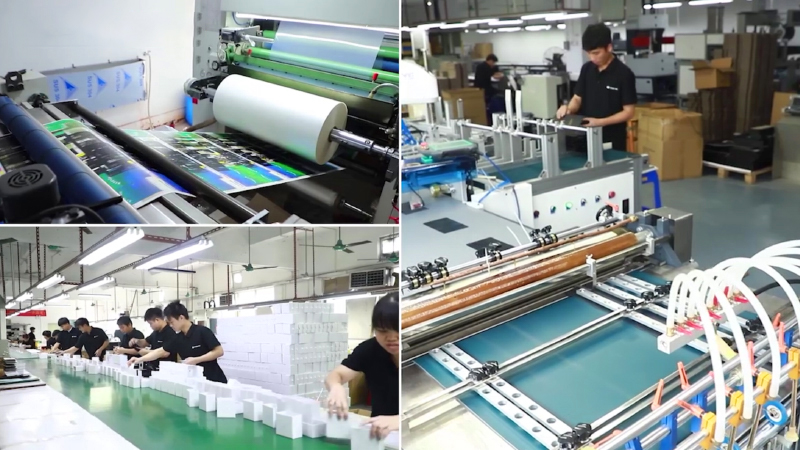
Each custom cosmetics package order is set up, which includes die-cut tool, printing calibration, machine setup, and quality control. These measures take time and cost irrespective of the quantity ordered. At low quantities, production value is lower than setup costs and this means that orders are not sustainable by factories.
That is why the brands ordering custom cosmetic packaging boxes frequently have to face the MOQ limit at early stages of the process those limits represent the manufacturing reality rather than the choice of the supplier.
Key Factors That Determine MOQ Levels
Conclusion first: MOQ is more about structure and process rather than box size.
Structure complexity
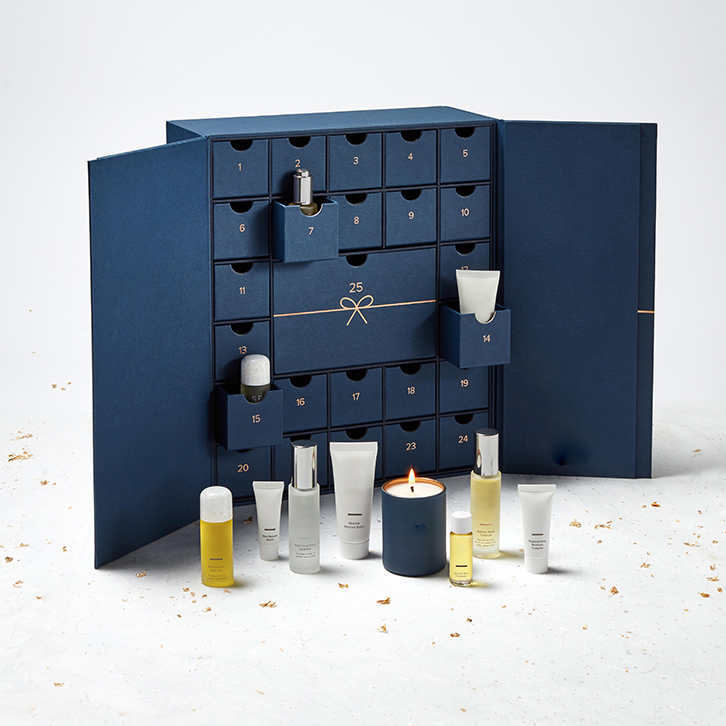
Rigid boxes, drawer boxes, and magnetic closures are usually associated with greater MOQs since they are assembled by hand and include numerous stages of production. Cartons that are folded (more automated) normally permit lower MOQs.
Printing and finishing setup
Foil stamping, embossing or spot UV special finishes all need special tooling. Every step increases the required minimum volume to be able to justify setting up time.
Supplier production lines
The factories are tuned to specific working processes. MOQs rise when an order is not fit in the existing production runs in order to absorb the disruption.
Understanding how MOQ impacts cosmetic packaging cost on the cost of cosmetic packaging enables brands to view MOQ as a cost distribution tool and not a bargaining tool.
Understanding Lead Time in Cosmetic Packaging Orders
Conclusion first: Lead time indicates sequential production processes (that cannot be indefinitely compressed).
Typical production timelines
In the majority of custom cosmetic packaging, lead time consists of:
- Artwork confirmation
- Tooling preparation
- Material sourcing
- Printing and finishing
- Assembly and inspection
Even the easiest of the projects have these steps that must follow each other.
Where delays usually occur
The delays are mostly experienced in the approval of the design and sampling and not in the mass production. The time taken to decide on every issue not resolved moves the whole schedule forward.
What Affects Lead Time the Most
Conclusion first: Decision readiness has a greater impact than factory speed on lead time.
Design approval
The largest contributors of long lead times are incomplete work, unspecified work and missed revisions.
Tooling and materials
Specialty materials and custom dies have lead time associated with them. Hurrying is a common practice in this stage because of making mistakes.
Production scheduling
Jobs in factories are planned in batches. An order can be delayed by weeks due to missing a production window.
Brands choosing between different structures should note how packaging structure affects lead time, in almost all cases, rigid formats take more time to produce, than folding cartons.
Why Sampling Is a Critical Step in Cosmetic Packaging
Conclusion first: Sampling eliminates errors that would be costly when mass producing.
Structural samples
Structural samples ensure size, fit and usability. They ensure that the product is placed in position and that the box works as expected.
Color and finish verification
Electronic files hardly correspond to printed outcomes. Sampling enables the brands to test the color accuracy, texture and effects of a finish, before making volume commitment.
Omission of sampling can sound like a time-saving measure but in many cases, leads to reprints, delays or substandard quality.
Different Types of Packaging Samples Explained
Conclusion first: Every type of sample is used to achieve a different goal in reducing risks.
White samples
Sample samples without printing are used to check structure and measurements. They are rapid and economical at initial validation.
Pre-production samples
These involve printing and finishing where the brands can evaluate the visual quality prior to the production on scale.
Final approval samples
These samples are made in full production settings and they are used as reference standards.
Common Mistakes Brands Make With MOQ, Lead Time, and Sampling
Conclusion first: A vast majority of execution failure is due to unrealistic assumptions in planning.
Underestimating preparation time
It is common that brands consider production time and not approval cycles and internal decision delays.
Rushing sampling decisions
The rush to approve samples will create problems which are only realized once the production commences fully.
Treating MOQ as negotiable
Such reduced MOQ without structural or process adjustment is more likely to raise unit cost or risk quality, instead.
How to Plan Cosmetic Packaging Orders More Effectively
Conclusion first: This is because proper planning is going to align the packaging execution with the reality of product introduction.
Aligning packaging with launch schedules
Development of packaging must not come after marketing plans have been determined.
Brands benefit from aligning packaging plans with product launch timelines to avoid last-minute pressure.
Communicating clearly with suppliers
Specifications, realistic schedules, and timely feedback minimize the waste of time. The suppliers of packaging will also be the partners of execution rather than end stage vendors.
In the case of multi-channel brands, ead time planning for e-commerce cosmetic launches may differ significantly from retail timelines, and should be planned separately.
Conclusion — Transparency Leads to Better Packaging Outcomes
There are no barriers to MOQ, lead time or sampling-they are indicators. They mirror the realities of the physical and operational packaging production.
Brands who comprehend packaging MOQ, lead time and sampling evade expensive delays and last minute compromises. Openness and prior planning will always be superior to hasty decisions and last minute negotiation.