MOQ, lead time, and sampling are the three most important and the most often misunderstood requirements of clothing brands that decide to take their own custom apparel packaging, and before a project is even launched, it can or can break depending on these three requirements. Most packaging programs fail not through ineffective design or low quality, but because the brands do not fully appreciate the fact that these two factors not only interact with manufacturing realities but also cause the budgets to stretch excessively, the introduction to be delayed or the expectations to be completely misaligned. Fundamentally, MOQ indicates the efficiency levels of production and lead time is the entire cycle between approval and delivery and sampling is a verification overstep, all of which are based on the common sense of packaging production and not some arbitrary rules on the supplier level. Knowledge of MOQ, lead time and sampling would assist the brands plan packaging projects with certainty and not astonishment.
What MOQ Means in Custom Apparel Packaging
The minimal number of units a producer needs to make a custom run is called MOQ, or Minimum Order Quantity, and, in the majority of cases, apparel packaging cannot be negotiable because of set-ups.
Why MOQs Exist in Packaging Manufacturing
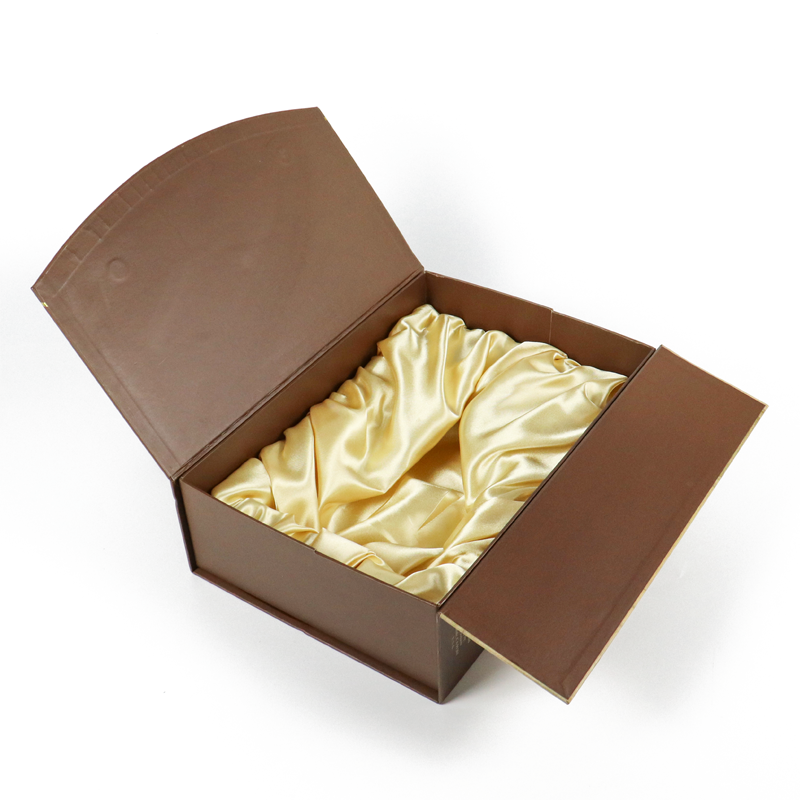
MOQs are due to the necessity to pay the fixed costs such as tooling, die-cutting, and machine calibration. With clothing packaging, where boxes can be either customized or printed, it is not cost-effective to run a production line just to make a few boxes a box-cap-and-shirt combination, the material is purchased in large bulk, and the processing set-ups are time-consuming. As work with brands has shown, failure to do so results in frustration; it involves striking a balance between factory efficiency and brand requirements, as opposed to restricting small players.
Typical MOQ Ranges for Apparel Packaging
In the case of regular folding cartons, MOQs usually begin at 300-500 units, and with rigid boxes it may be 500-1000 since there is more assembly work involved. Magnetically-closing designs and other high-complexity designs can take this to 1,000+. These ranges differ between manufacturer, but are based on actual production maths, with lower numbers being used in digital printing and larger numbers used in offset.
How Structure and Materials Affect MOQ
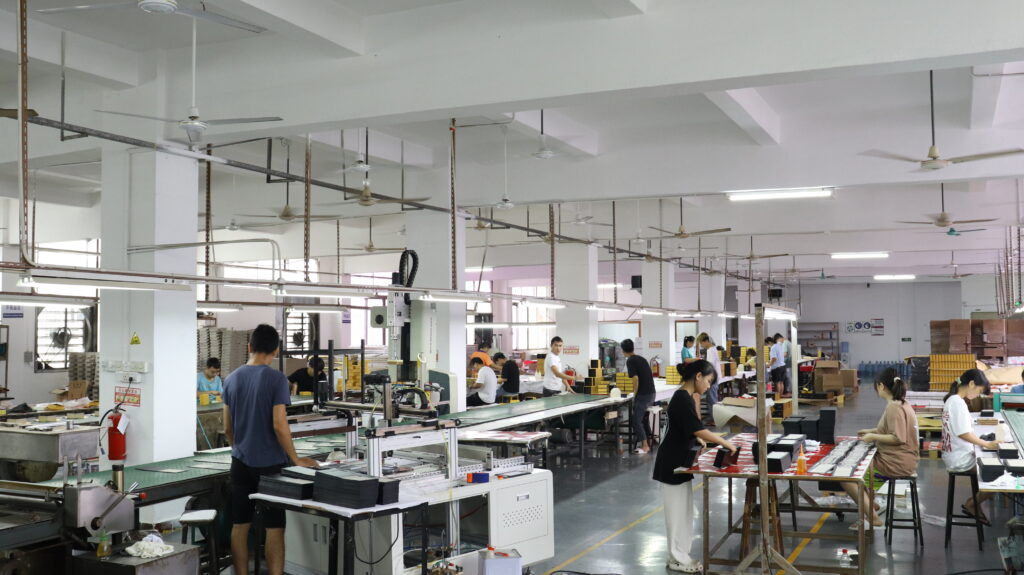
Less sophisticated configurations such as mailers enable less MOQ due to the less specialized equipment needed but rigid configurations require dedicated lines, which increase thresholds. Resources are also a factor: FSC-certified stocks or specialty paper may raise MOQ in case the suppliers have minimum runs. For instance, rigid vs folding carton packaging often determines this—folding options suit smaller batches better.
How to Approach MOQ as a Growing Apparel Brand
When a brand is increased in scale, MOQ emerges as a strategy point and no longer a stop point.
The high MOQs can be a challenge to startups since they need to keep capital in stock, and I recommend starting with designs that have a high degree of versatility that can be utilized by multiple SKUs to warrant the quantity. Scaling brands, in their turn, lie on the advantage of increased volumes that reduce unit costs substantially, up to 30-50.
The trade off between inventory risk and unit cost implies that it is necessary to correctly model demand; incorrectly predict it and either incur high-premium costs or run out of storage space. These tools such as sales data analysis are useful.
When it would be logical to negotiate MOQ: In the case when the materials used in your project are standard, some manufacturers can offer to decrease 20-30 percent to regular customers but take no wonders, it depends on their potential. Linking this to apparel packaging cost factors reveals how MOQ directly influences pricing.
Understanding Lead Time for Custom Apparel Packaging Orders
The total time required to complete the order confirmation to shipping includes the lead time, which is 4-12 weeks in most cases in case of a custom apparel package, depending on complexities.
Design and Approval Timeline
This stage is usually 1-2 weeks, and entails the finishing of artwork and dieline corrections. Here, the delay is caused by vague specifications- brands offering vague briefs increase revisions.
Material Sourcing and Production
The sourcing process will require 1-3 weeks; easy papers are fast, whereas custom or imported papers will require more time. In making, it is printed and cut–the offset presses have to be dried.
Assembly, Inspection, and Packing
The last stages are gluing, insertion and QC, which adds 1-2 weeks. No flaws, such as wrongly aligned prints, are allowed during the inspection to be repacked and shipped.
In discussing the overall custom apparel packaging order process, it’s helpful to view it through apparel packaging solutions for clothing brands, apparel packaging solutions of the clothing brands that combine these schedules into the functional chain of work.
What Impacts Lead Time the Most
Lead time can be prolonged or shortened by a number of variables and predicting them eliminates surprises.
One of the most important factors is box complexity: simple folding cartons could require 4-6 weeks, whereas drawer boxes with inserts extend to 8-10 because of manual processes.
The printing and finishing processes also introduce layers, foil stamping needs additional passes, which can be a week, particularly in multicolor.
Volume of orders also affects scheduling; small orders can be placed in the idle periods, whereas large orders (more than 5,000) may wait behind other orders.
The production pressure is most frequently seen during the holiday seasons and factories deal with rushes, place an order at plan Q4 in summer to prevent increasing by 20-30% occupies. For channel-specific timing, consider e-commerce vs retail apparel packaging, as online needs often demand faster cycles.
The Role of Sampling in Custom Apparel Packaging
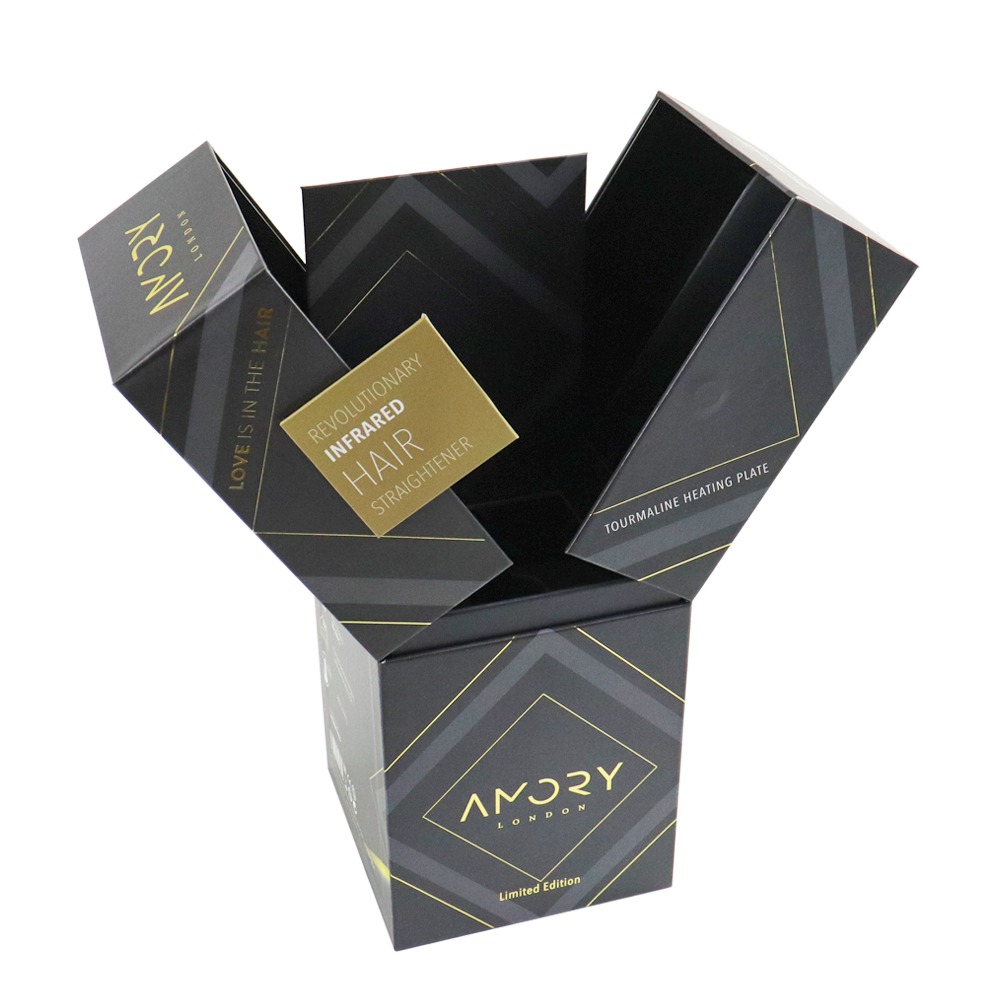
Sampling helps close the gap between design intent and production reality, which enables brands to test first.
Why Sampling Is Essential
It also confirms fit, color and durability which is very important in apparel where the boxes are to safeguard folds without a crease. Omitting it will lead to the expensive reprints.
Types of Samples (Digital, Blank, Pre-Production)
Digital proofs are rapid mock-ups of images; blank proofs experiment with structure, but no print is made; pre-production samples are close to finished, and they are made with real material. Costs range $50-300 each.
What a Sample Can and Cannot Validate
Samples ensure dimensions and finish, but not entire-run consistency- differences in large-run production may exist, and should be used only as a major check.
Common Sampling Mistakes Brands Make
This is where brands normally go astray causing down stream problems.
Processing samples as finished goods ignores the reality that they are hand made – machine production does not tolerate the variation in bulk production.
Approving without involving the team lacks vices such as lack of closure feel.
Not considering functional testing, e.g. drop tests in the case of e-commerce, results in finding out the weaknesses after shipping.
How MOQ, Lead Time, and Sampling Work Together
These aspects interact with one another in a manner that increases or minimises risks.
Sample changes have an impact on the lead time: every round increases the lead time by 3-7 days before production can begin.
MOQ affects the time schedule: its fulfillment guarantees time slots, and its insufficiency can lead to longer waiting times.
The backward planning based on the launch dates incorporates the whole planning, factor sampling (2 weeks), production (4-6) and buffer to carry out revisions. This holistic view aligns with how to choose custom apparel packaging to streamline decisions.
How to Plan a Smooth Apparel Packaging Order
These limitations are converted into foreseeable steps through proper planning.
Timeline planning: Map back to launch- check samples 6-8 weeks.
Specs: Have clear briefs in the beginning to reduce Revisions.
Collaborating with established packaging suppliers: These have viable MOQs and schedules, and the development of growing brands is usually in phases.
Conclusion — Turning Manufacturing Constraints Into Planning Advantages
MOQ, lead time and sampling are no stress but controllable variables based on manufacturing efficiency and that enables the brands to anticipate accurately and avoid traps. With an understanding of the interrelationships, you are able to match packaging with business schedules. Brands better informed about MOQ and lead time and sampling plan – and do not start with as many surprises.