Meta Description: Learn about the new modern trends of design packaging of 2024-2025 with the use of sustainable materials and modern logos that represent the brands. , simple design, smart packaging, and new methods of branding that will impress consumers and encourage them to purchase products.
Introduction: The Evolution of Modern Packaging Design
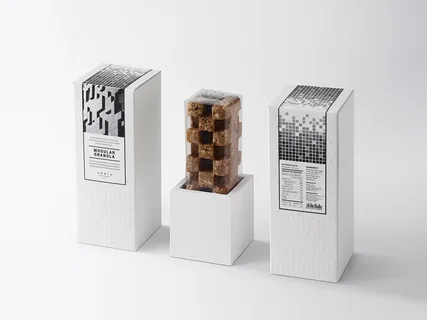
The concept of modern packaging design has evolved in the form of a mere protective object into an intelligent ambassador of a brand that communicates the values through logos and a modern logo. , creates experiences, and drives multiple purchasing decisions. In the current competitive market it is the initial contact between the consumer and the brand through packaging and that is why business of companies should keep abreast of new trends and innovations in design packaging.
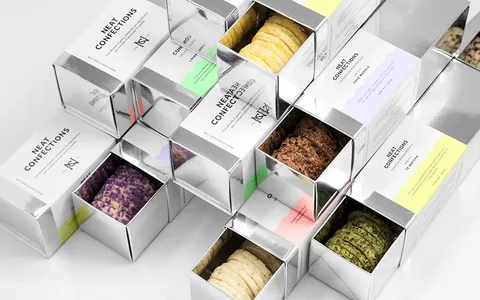
Consumer consciousness, technological innovation and environmental awareness have left the packaging industry subject to changes that have never been witnessed before. Next-gen packaging design is not about rigid rules, but it is based on creativity, confidence, and a bit of fun, as the modern packing design trends of 2025 depict a turn to more captivating and memorable brands.
The Psychology Behind Modern Packaging Design
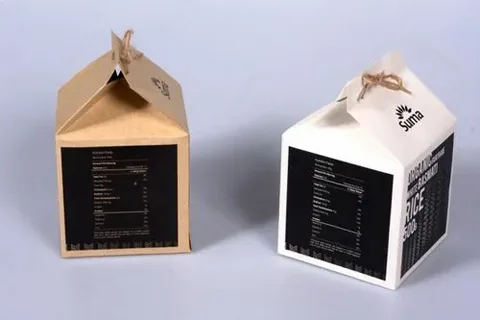
Consumer psychology is the key ingredient in packaging. In the modern world, consumers take a few seconds to make a purchasing decision after being attracted to a product and therefore, visual is everything along with emotion. The modern packaging design exploits color psychology and utilizes a strategic color palette to enhance brand recognition. , typography and forms to produce brand recognition and emotional appeal at first glance.
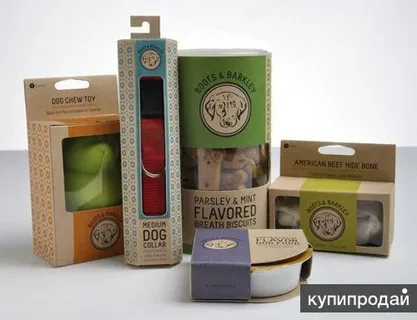
Psychological influences on packaging design are psychological factors behind the packaging design such as cognitive load of people which in case of simple design allows information to be processed faster, and mere exposure effect which causes people to associate with a particular design with repeated exposure to it because they feel familiar with it. These principles are exploited by modern packaging designers in designing intuitive specific memorable experiences that shape consumer behavior.
Sustainable Packaging: The Green Revolution
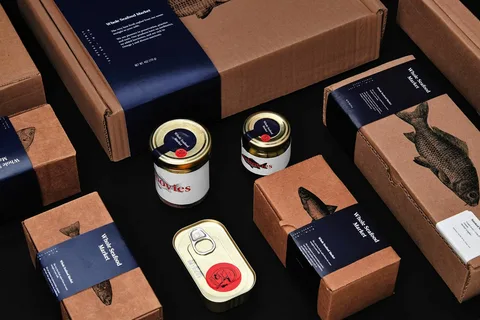
Packaging designs in the contemporary world have been powered by environmental awareness, drawing inspiration from nature . Background information Topping the list of vegetable fibers is cornstarch, sugarcane, and mushroom mycelium, increasingly in demand among consumers, in 2024. It is not only the trend of matrials but of the whole packaging lifecycle including production and disposal.
Sustainable packaging gives biodegradable materials, minimization of wastes of packaging materials and providing innovative products that are extremely environmentally friendly, often characterized by clean lines . Seaweed becomes the candidate of the day in sustainable packaging materials in terms of food application because it is biodegradable and edible, and it demonstrates how nature-inspired solutions can transform the industry.
Businesses are now moving to the circular economy approach, creating waste packaging that can be reused, recycled, or composted. This will not only be less harmful to the environment but also alluring to the environmentally friendly consumer who focuses on the sustainable style of th brand.
Minimalist Design: Less is More
Minimalism still remains popular in the current packaging design owing to the necessity of clarity and earnestness by the consumer, where brands draw inspiration from minimalistic designs . Simplistic features such as minimalistic designs, huge fonts, and environmentally friendly materials appear to be on the rise, as there is a tendency to embrace minimalism and simpler approaches to drawing attention to brand values.
A minimalist package design also focuses on the core message and eradicates the unwanted visual noise. This gives higher perceptions, enhances shelf connotation, and enables essential information about products to be brought to forefront. The minimalism fashion is also in line with environmentally friendly practices since it minimises the amount of ink and waste products.
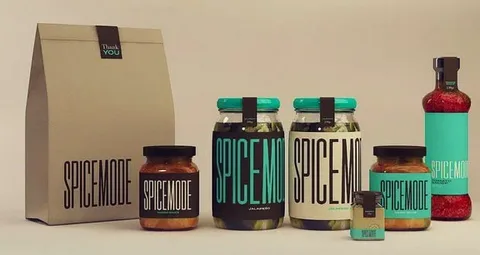
An effective minimalist packaging achieves this balance between the two that makes sure there is no less product protection and lack of information to the consumer because the design is less. In this method, one must have a strategic step in the decision-making process; determining what to keep and what to discard, along with tips for effective minimalism .
Bold Typography and Creative Lettering
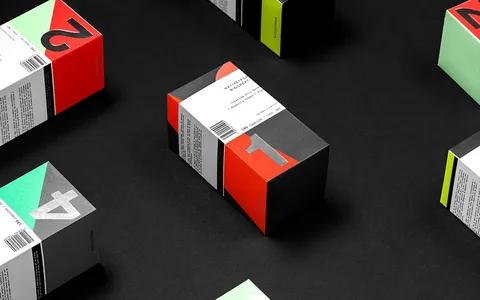
Fonts and typefaces have become an efficient element of contemporary package design as companies adopt loud and talkative typographies to develop their own identity, making a bold statement in the marketplace . There are several functions of creative lettering: brand personality, increased legibility, and order of visual priorities that direct consumer eye.
Contemporary typographic movements contain handwritten texts, unique fonts, and experimental non-traditional typesetting. These ideas and strategies will enable the brands to be distinct in competitive markets as it will enable them to develop an emotional appeal on consumers. Using typography the brand values, target consumers, and product positioning can be conveyed.
A combination of typography and packaging composition allows building three-dimensional design, and the text is an element of a physical body. In this way, unique unboxing experiences will be created that can be shared through social media and will head brands to become memorable.
Color Psychology in Modern Packaging
The selection of color in the contemporary package designs is a tactical move that determines consumer behavior and perception. The modern color trends are characterized by the color contrasts, the gradient effects, and the unexpected color combinators, which can act as a slogan. which shape the visual and emotional effect.
Picture dreamy shades of pastels with contrasting bright colors that are pleasant yet stylish, something that is becoming common with contemporary brands as they choose color as the means to trigger particular emotions and associations. These options are dictated by color psychology principles according to which warm colors imply love, energy and excitement whereas cool ones imply trust and reliability.
The associations of the color with the culture are also taken into discernment by the designers of modern packaging in order to appeal internationally and remain consistent to the brand. Color strategy can be used to explore and differentiate products, convey level of quality, and build brand recognition on a variety of markets.
Smart Packaging Technology Integration
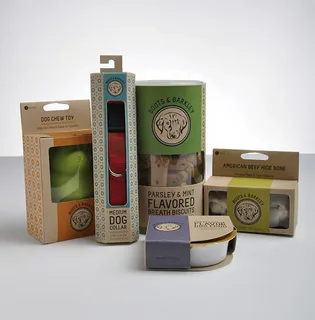
The use of technology transformed the process of designing a modern packaging package, making it more interactive than it used to be in the past, allowing to connect with digital experiences . Smart packaging contains QR codes, NFC chips, and augmented reality functions that stand out and link the real products with digital experience.
All such technologies help the brands deliver added product data, verification options, and personalized information, including brand logos . The smart packaging would monitor the level of freshness of a product, give usage guidelines to customers, and generate direct channels of marketing that can improve the level of customer interaction and connect with the rest of the brand experience .
Technological rise in the packaging design needs to have a balance between functional and visual design, whereby the uniqueness of technology must not interfere with the visual design as it might impair the beauty. Such a practice provides chances of gathering information and perceptions about customers to influence plans of design.
Textural Elements and Tactile Experiences modern logo
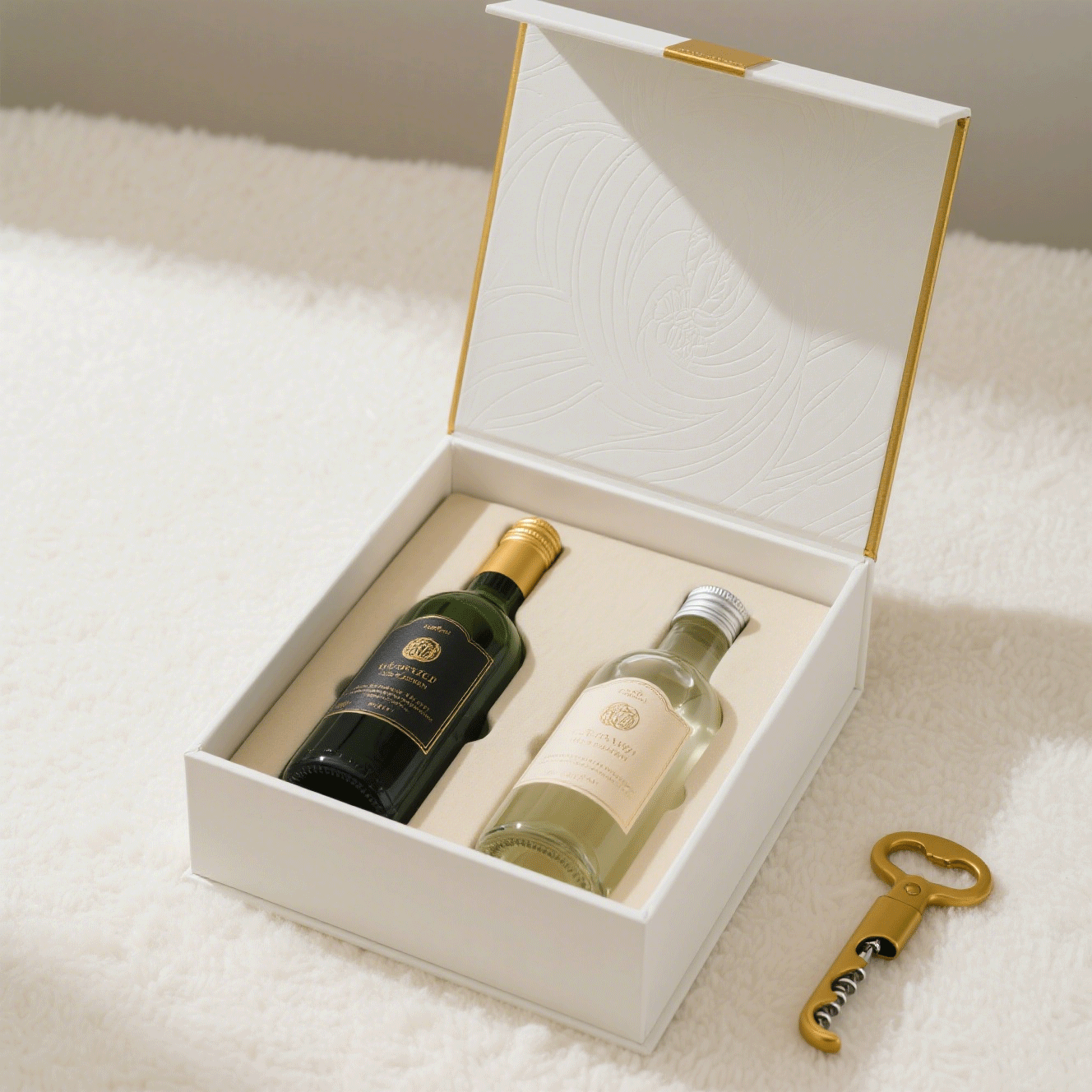
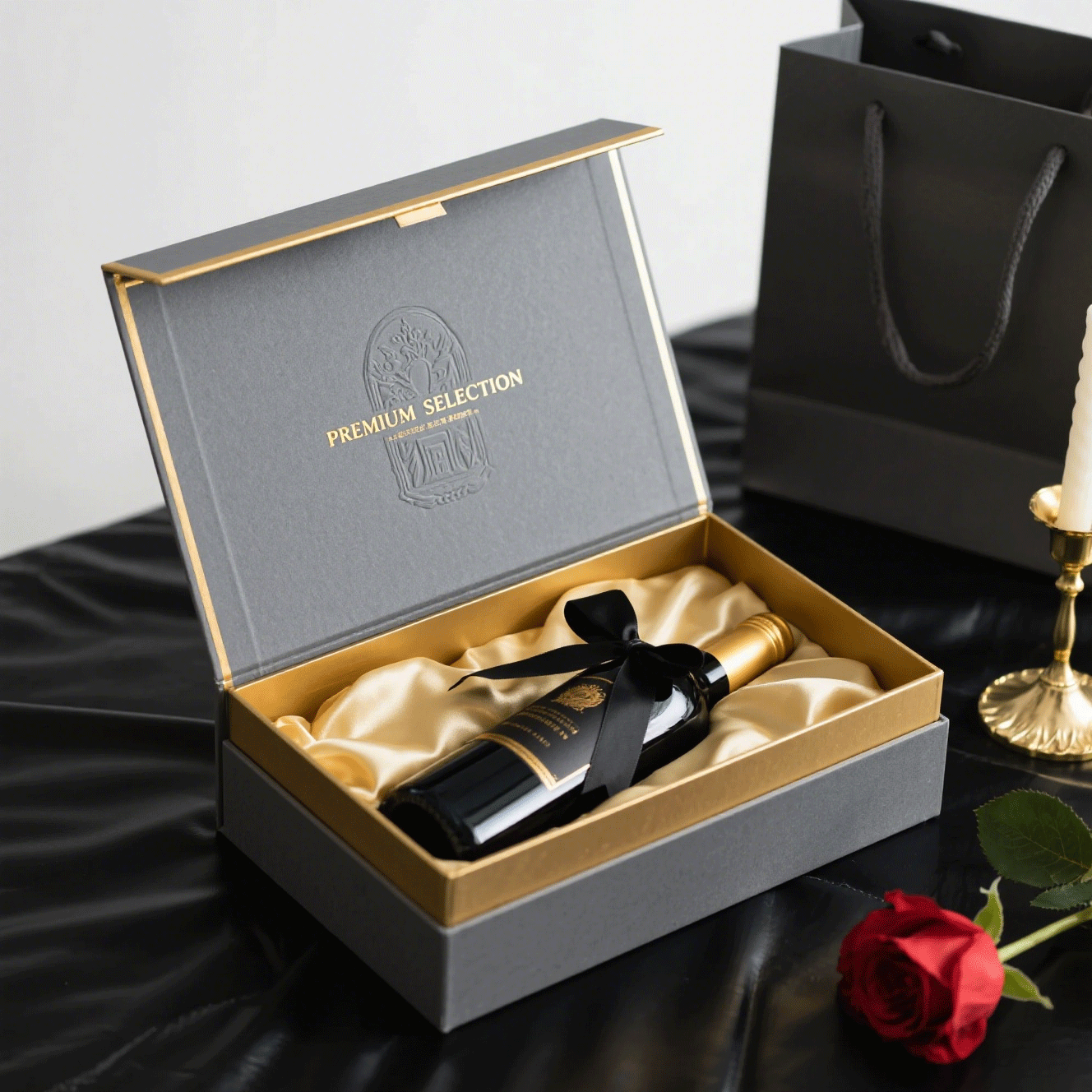
The contemporary packaging design trends focus more on the appeals to contact to get multiple senses involved. Combination of textural elements, embossing, debossing and specialty finishes make the difference and unique perceptions to remember the products in a competitive market, serving as both container and branding tool .
With the help of tactile packaging design, it will be possible to describe the quality of the products and develop some emotional connections as well as love and brand recall. Such factors especially play a role in the luxury markets, where the perceived value and subsequent buyer behavior directly stem off the quality of packaging.
Strategic application of texture too has functional impacts as it enhances grip, portrays product information and provides accessibility and features to meet varied customer requirements. This multi-sensory idea denotes the transformation of the visualisation of the packaging development toward full-fledged, multi-sensory impressions.
Interactive and Experiential Packaging
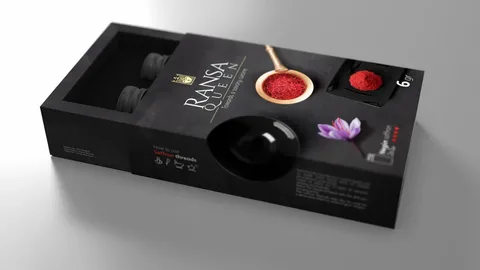
Experiential packaging design helps produce memorable experience that goes beyond purchasing a product. The perception of packaging is changed through interactive features, curious opening mechanisms and unusual structural designs that function like a window into the brand experience. that change it into the product experience.
This merchandising involves packagings which are used as second purposes, i.e as storage, display objects, or as interactive toys. Experiential packaging brings loyalty, interaction, and sharing in the form of memories in the advert.
Experiential packaging design needs insight into consumer behavior and how they use the whole packaging design and this should be in a way that the interactive aspect of the packaging should not complicate the life of the consumer, rather it should break down barriers to make it easier and pleasant. This strategy develops emotional ties which bolstering the brand relationships.
Personalization and Customization Trends
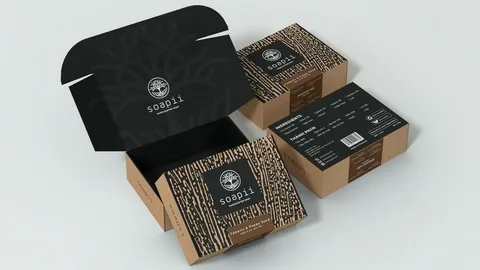
Customization More recently, customization has emerged as one of the distinguishing features of current packaging design, where brands propose customizable products accompanied by specialized packaging for specific needs and occasions. This identifies with custom messages, customized colors and individually designed packaging material.
Mass customization through technologies has made it possible to have brands develop customized packaging on a mass-imedia basis. The technological innovations of the modern world have turned the idea of customization into a financially feasible process as digital printing technologies and automated design systems allow customizing an enormous range of products and even segments of the consumer market.
Individualization of product packaging to develop an emotional bond, to strengthen the experience of giving a gift, and perceived value. This marketing strategy appeals especially to younger consumers who are seeking out original one-of-a-kind experiences that define their unique identity to share with their Instagram followers.
Retro and Vintage Aesthetic Revival
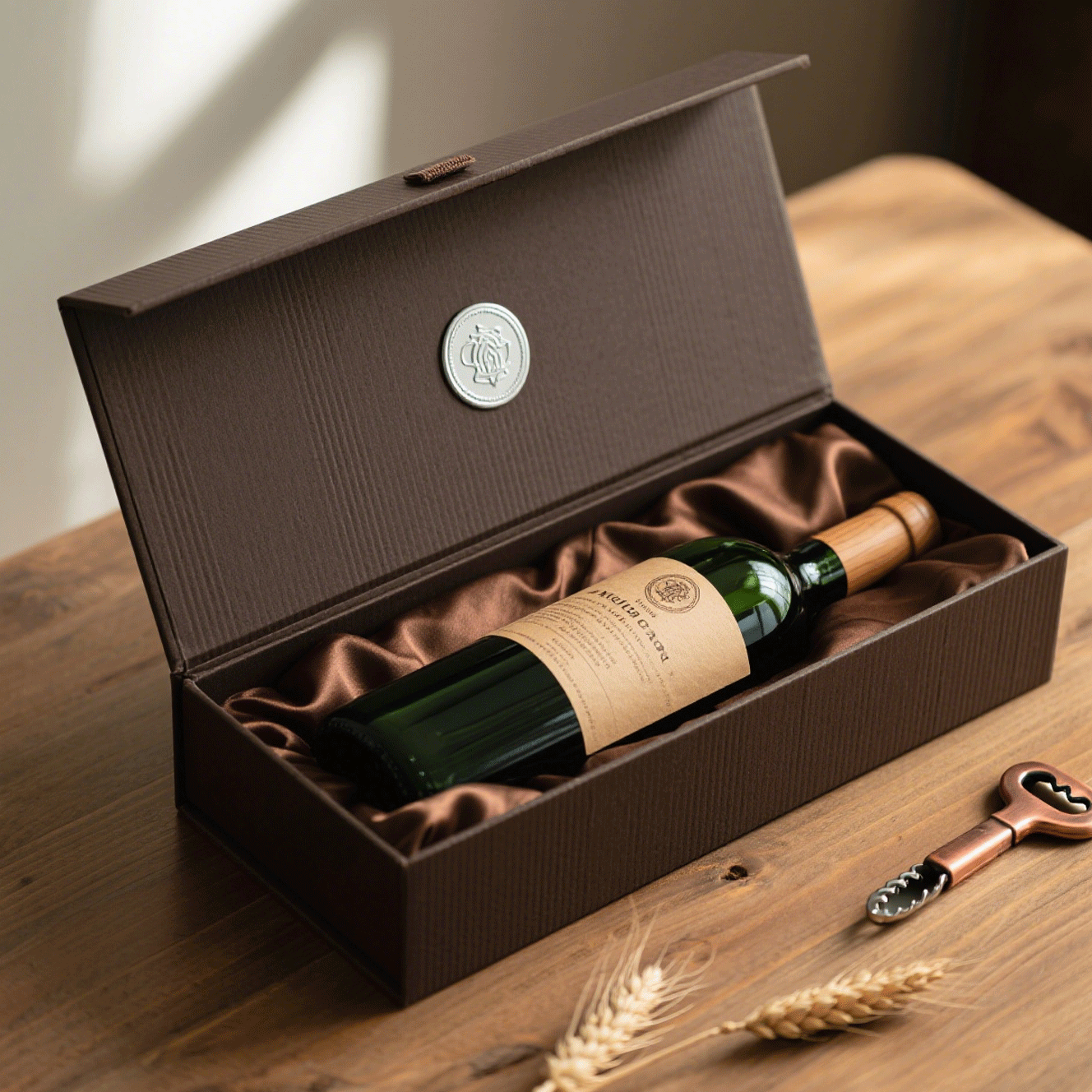
Using retro and vintage design features will help businesses generate a feeling of familiarity and reliability, just as other nostalgic design elements in the current package are on a rebound. This movement mixes the design of the past and modern practicality and material.
Retro packaging suggests the feeling of past experiences and reminds the consumers of those times, the heritage, and the simplicity that exists throughout the marketing campaign as well. This strategy especially works when there is a heritage brand and heritage products with a lot of focus on craft and quality.
The effective use of the old details is possible through the balance between the nostalgic effect and the diversion into current functionality and the circumstances under which retro imagery does not undermine the standards of goods protection and informational needs of buyers.
Transparency and Honest Design
Using retro and vintage design features will help businesses generate a feeling of familiarity and reliability, just as other nostalgic design elements in the current package are on a rebound. This movement mixes the design of the past and modern practicality and material.
Retro packaging suggests the feeling of past experiences and reminds the consumers of those times, the heritage, and the simplicity that exists throughout the marketing campaign as well. This strategy especially works when there is a heritage brand and heritage products with a lot of focus on craft and quality.
The effective use of the old details is possible through the balance between the nostalgic effect and the diversion into current functionality and the circumstances under which retro imagery does not undermine the standards of goods protection and informational needs of buyers.
Structural Innovation and Functional Design
The current trend in modern packaging design is the structural innovativeness which adds a level of functionality and still offers the appearance and style. This also involves easy open features and elements of portion control, and designs that enhance the preservation of the product as well as convenience of the user.
Structural innovation is able to differentiate products, lower the costs, and enhance sustainability (optimisation of materials). These designs will involve cooperation among designers, engineers and manufacturers so that they can be feasible and effective.
The functional features must not make the user experience more difficult, but instead must be designed to generate intuitive forms of interaction that will contribute to fulfilling the brand goals as well as fulfilling the needs of the consumers.
Cultural Sensitivity and Global Appeal
Contemporary packaging design has to find a middle ground in being sensitive to culture and applying consistency in packaging design in different markets, according to which designs will have an impact in different markets and at the same time retain its brand image. This involves the knowledge of cultural symbols, connotations with colors, as well as modes of communication.
Global packaging design does not forget local preferences, regulatory requirements and other needs native to a market, but also makes sure that the brand is recognized. This strategy would have the brands go global while ensuring they stand out ithout humiliating the local culture or taste.
The cultural sensitivity of the packages design goes over to the inclusive representation, accessibility organization, and message that could appeal to various groups of consumers, yet none of them feel repulsed.
Future-Proofing Packaging Design Strategies
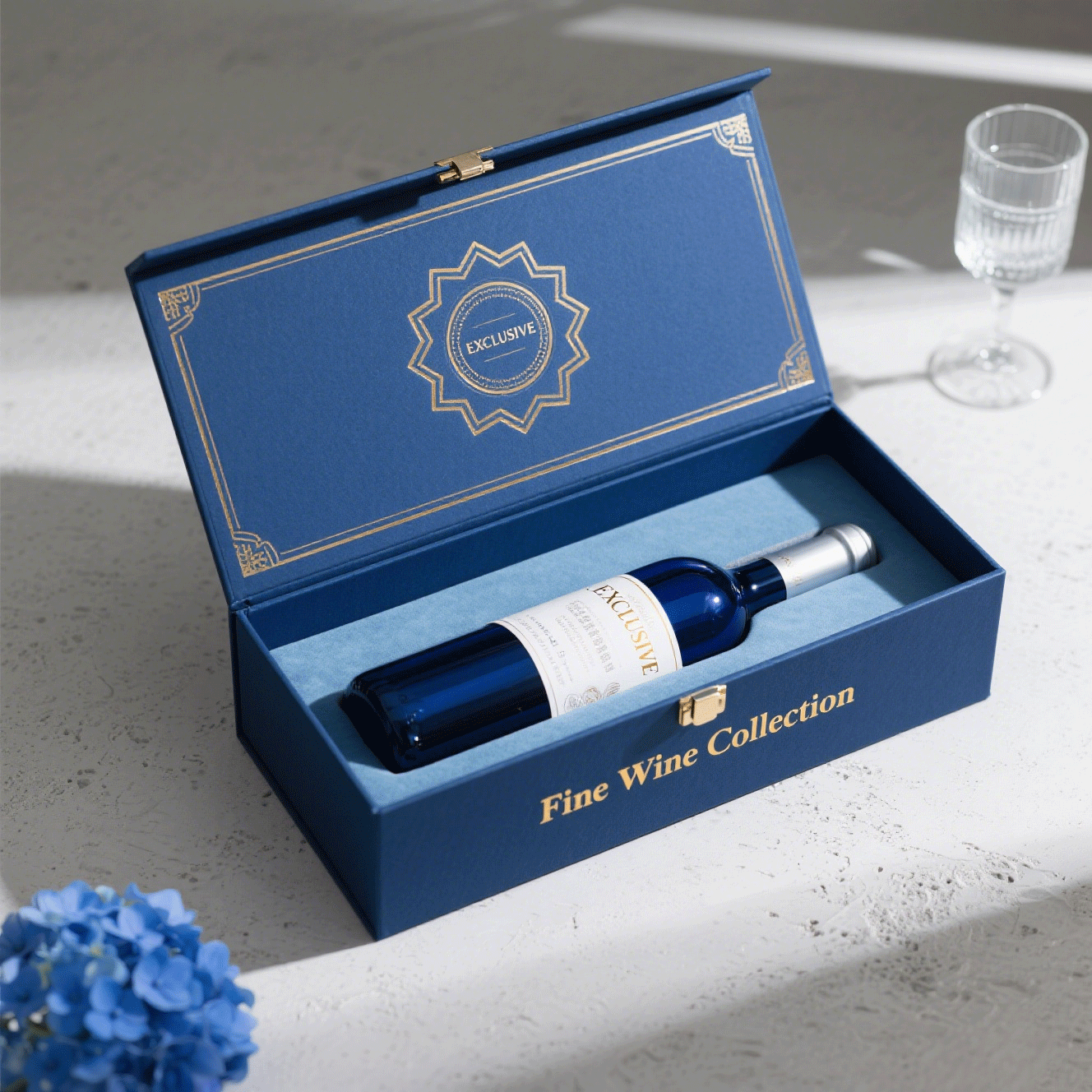
Future-proofing packaging design involves predicting trends in consumers, technological progress, and regulation changes, especially in sectors like alcohol packaging. that will drive relevant packaging needs and present an opportunity for innovation . This involves coming up with flexible systems, which have the flexibility to accommodate changing needs and tastes.
Respectable methods, integration of technologies and consumer-oriented design values will most probably continue to be significant concerns in subsequent packaging design. To make a lasting impression, brands must then strike a balance between new and old knowledge to design something new.
The trends in the development of the packaging design anticipate the general tendency in the cultural and technological transformations and designers have to keep themselves updated with the changes in the external environment, and be aware of the current trends, yet, bearing in mind the essential principles of design leading to branding, great customer involvement, and customer satisfaction.
Digital Integration and E-commerce Optimization
E-commerce expansion has changed the packaging designing needs, and brands will need to focus on unboxing experiences, shipping content, and online appearances. Contemporary packaging has to work both in real and virtual world
The e-commerce packaging process involves a trade-off of getting the product to the customer in the safest way possible and producing packaging that produces positive unboxing. These are such as the consideration of the size and the weight of packagings as well as the visual attraction of the packagings in digital photographs.
Digital entrenchment goes as far as in packaging which can be photographed on social media to share memorable moments to improve brand awareness and consumer interactions.
Conclusion
Packaging design has become a complex area of modern payment that is aimed at achieving the prospects of maximum visual attractiveness, attention, practical needs, and above all consumer desires. The patterns that will define 2024-2025 point to the overall cultural trends of sustainability, personalization, and genuineness, along with innovative style while the rest of the design remains impactful. in communicating about a brand.
Effective packaging design in this era of modernity involves application of consumer psychology, embracing use of environmental friendly aspect, taking advantage of technology advancement and keeping the major principles of design in mind. Companies that have perfected these factors will come up with packaging that can offer protection to products besides establishing emotional affiliations and establishing business prosperity.
Future of the packaging design holds the promise of constructing end-to-end experience, invoking several senses, telling the best of a brand story and overall creates a positive environmental and social impact. Packaging design will continue to play a significant role in the future success of brands in differentiating themselves and gain a hold in the marketplaces as consumer expectations keep changing.