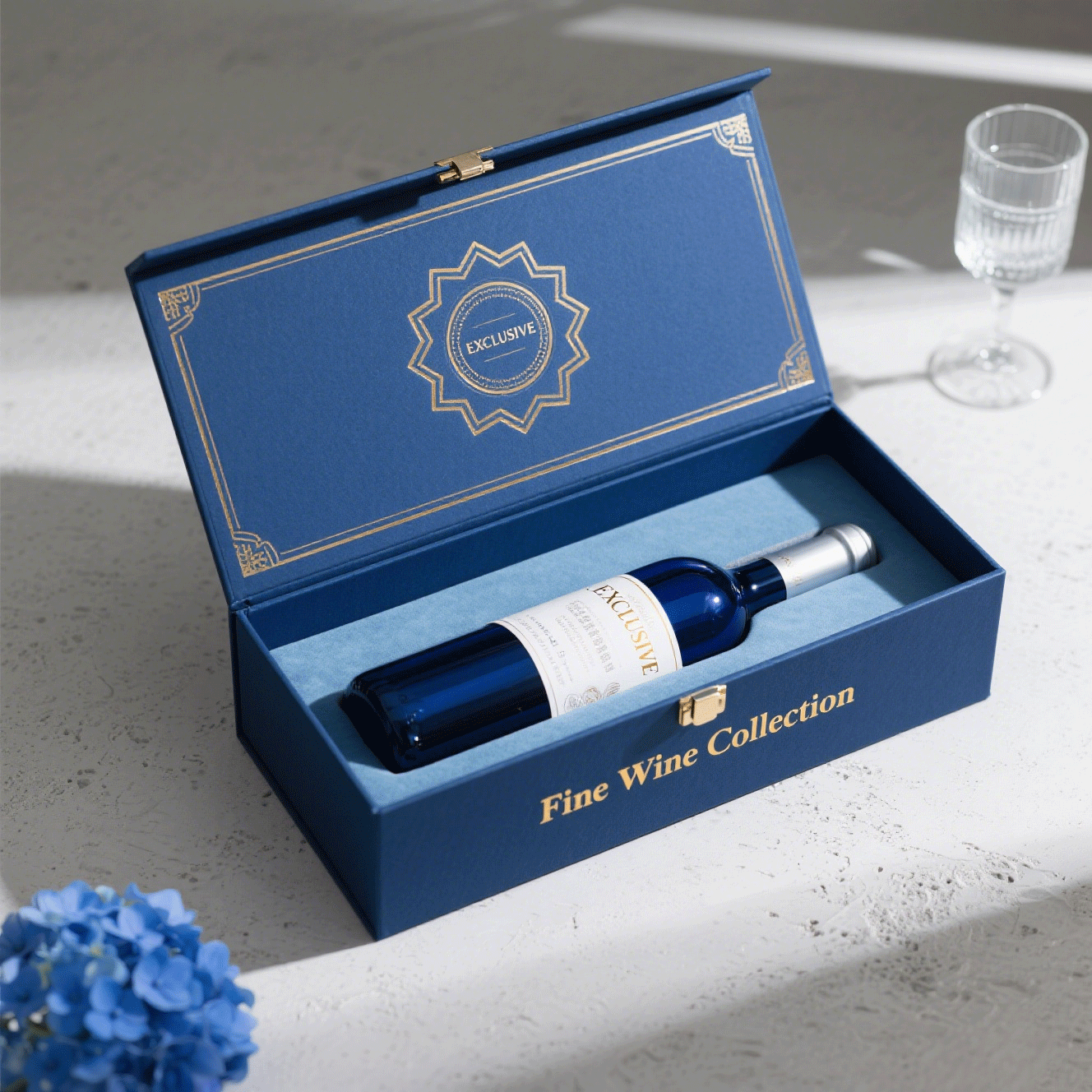
The current landscape of a cluttered market that consumers experience endless visual stimulation where overloading and they can easily adapt to the noise is an effective strategy and minimal design packaging comes to light as one that will provide solutions to this noise. This will involve a simple functional and purposely designed packaging that will support not only protection of the products, but also the communication of value to the brand. Minimalist packaging design is becoming less of a trend and more of a strategy that any innovative brand must use, as environmental awareness builds up, and the idea of authenticity becomes more valuable to modern consumers.
Understanding the Core Philosophy of Minimalist Packaging Design
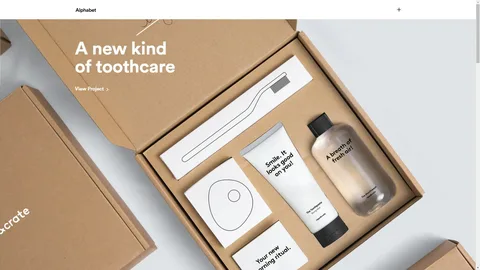
Minimalist packaging design symbolizes a radical change in the history of packaging in which generations of people were led to believe in the life-alternative philosophy of putting more in the box. This kind of design ideology adopts the idea that each and every aspect is supposed to be given a purpose and then rids of the extraneous objects that only add up to visual noise and pollution of the surroundings. Although the movement is inspired by Japanese aesthetics, Scandinavian design concept, and the general idea of minimalism in art, it modifies them to develop the idea of packaging that would reflect to the contemporary customers.
Its essence philosophy is more than aesthetics but is physical efficiency, regulatory responsibility and transparent communication. Instead of providing consumers with too much information, colors, and embellishments, minimalist packaging aims toward providing key messages and leaving some room so that the product itself can take place. This will be the strategy because today consumers are more intelligent and they will respond to finesse, good quality and originality, fostering brand loyalty rather than gimmicky marketing.
Right minimalist packaging design depends on the clear comprehension of the brand, the orientation of the summary target audience, and producting placement. It requires that each design choice in color selection and typography, material and structure is considered carefully. The outcome is packaging which looks simple but involves a lot of thinking and planning in terms of strategy and design skills to implement it.
The Business Case: Key Benefits of Minimalist Packaging
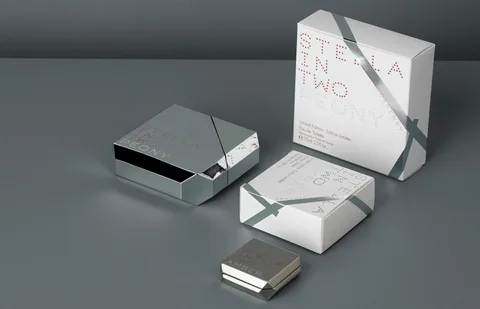
There are various benefits associated with adopting minimalist packaging design that go much beyond the aspect of beauty. Setting aside financial factors, it is also often the case that simplified packaging will lower material costs, complexity of the production process, and shipping fees. When the irrelevant components are removed, the companies are able to simplify their supply chains, decrease packaging waste, and generate higher profit margins without compromising on quality and protection of the products.
Another strong argument with regard to embracing minimalist packaging by businesses is the portrayed environmental benefits. Less material consumption automatically converts to fewer carbon footprints, less wastes, and better recycling abilities. With such aspects of sustainability gaining more significance both to consumer and regulatory authorities, the positive impact of minimalist packaging is becoming increasingly recognized. minimalist packaging is also able to present a brand as environmentally friendly, thus creating potential new market opportunities and reinforcing customer commitment.
Market wise, simple packaging tends to obtain an appropriate shelf image and recall. The pure and simple design allows products to be noticed amidst the clutter in busy retail stores where competitors could be employing cluttered and complex design. This distinction may give rise to better sales, brand perception and relationship with the customers. Also, Minimalist packaging captures well in digital marketing, sharing on social media, and e-commerce platforms, and not only in a brick and mortar store.
Essential Design Elements That Define Minimalist Packaging
In order to design good minimalist packaging, one must learn to manage several main design concepts that integrate to produce the appropriate aesthetic and practical goals. Color is, perhaps, the most significant element in visual design, and successful minimalist designs usually use subdued color schemes that use one-two primary colors and are often augmented with conversing tones such as white, black, or gray. Such monotonous application of color schemes causes visual balance, but at the same time enables certain objects to pose in focus when desired.
Typography is an important element of minimalist packaging, and easy to read, minimalist fonts are replacing ornamental or complicated typefaces. Due to the choice of relevant typography, such criteria as readability, brand character, and cultural connection are considered. The san-serif fonts tend to be most popular due to their clean appearance, but again, used sparingly, even well selected serif fonts can contribute the needed touch of sophistication.
The empty area or white space is also known as negative space which is also a design element in action, not blank space. Efficient utilization of white space brings in empty space that allows vital data to breathe and focus on essential aspects, thus adding to the overall impression of superiority and eliteness. This aspect can be quite challenging to apply especially because the designers need to maintain a certain balance between blankness and decisions to express important information in a definite manner.
Minimalist packaging enriches its form and character by the choice of materials and the texture used, rather than complex visuals and patterns. Tactile interest could involve the use of natural materials such as kraft paper or linen-text across cardboard like products, as well as recycled products. The creation of sophisticated effects is possible by using sophisticated textures, embossing or debossing this finishes that may augment the unboxing of beauty products rather than overpower it.
Sustainable Materials and Environmental Impact
Bonus point requires not only the intersection of minimalism and sustainability but the synergy of both too. The concept of less packaging in minimalist design by default fits well into the goal of environmental conservation since it makes use of fewer resources and emphasizes only what is necessary. Such harmony gets even more evident when designers choose environmentally-friendly materials that do not only emphasize the minimalistic style but also contribute to sustainability-related goals.
Sustainable minimalist packaging is made up of recyclable and biodegradable materials. There are papers of FSC certification, recycled cardboard, plant-based plastics, and new materials based on the agricultural wastes. Besides being environmentally friendly, such materials can also be found in forms with natural textures and coloration, helping in contributing to the minimalist look. The trick is to opt such materials that ensure proper protection with the lowest environment foot print.
Inks and adhesives such as water are also used and help further improve the sustainability factor of minimalist packaging. These substitutes do not cause a lot of emissions and pollution into the environment during the production of the good as well as waste and it also has the clean look required by minimalism design. The simplified color range of minimalism in packaging actually makes that the use of such friendly-to-the-environment printing solutions can be applied without minimalizing the visual effect.
The lifecycle option of the packaging design takes account of the environmental effects during the production and disposing of the package. This aspect is perfectly done in minimalist packaging as it requires less material that can be left to waste and usually easier to recycle or dispose by means of composting. Such a full-service sustainability attracts more environmentally aware consumers and allows brands to comply with the more strict environmental regulations.
Psychology Behind Consumer Response to Minimalist Packaging
The psychology of consumers is very important in determining the success of the minimalist package design. Most studies show people tend to associate simple, clean designs with quality, sophistication and trustworthiness. This psychological reaction is the result of the processing inclination in the mind that would prefer clarity and simplicity rather than confusion by the complexity. These preferences can be used to manufacture favourable first impressions and influence customers to make purchase decisions by using minimalist packaging.
The principle of cognitive load can also provide an explanation as to why simple packaging appeals to the customers. In cases where the packaging has a lot of information that makes it complex to read, consumers have to use their mind energy to interpret the information and get the message. Simple designs cut down such processing, a tale that makes shopping even more enjoyable and productive. This decreased strain on the mind is commonly transformed into condition connotations related to the brand, not mentioning the chances of purchase.
Minimalist packaging consumer response is also based on cultural aspects. Within most advanced markets, the concept of minimalism has been linked to the value of luxury, tastefulness and environmental friendliness. These associations are able to create perceived value of products whereby, the true cost of production can be lesser owing to simplified packaging. These cultural dynamics are important in understanding so that the brands, including store brand products, that wish to employ the minimalist packaging strategy can do it successfully.
Trust and transparency are the other psychological advantages of minimalist packaging. With the absence of too much marketing rhetoric and with references to the key information, minimalist designs may convey a sense of honesty and authenticity. Such openness is especially important in those industries where consumer confidence has been compromised because of misleading packaging or advertising.
Implementation Strategies for Different Industries
Minimalist packaging principles are quite industry-specific, and the implementation strategy has to be addressed in a unique way, taking into account the features of products, laws, and clients. The food and beverage companies should intertwine minimalistic design and the requirements of representing information about nutrition, ingredient lists, and safety warnings. Effective implementations tend to have innovative typography hierarchies and effective layout to arrange the necessary information and still allow an uncluttered look.
Luxury and sophistication are messages that have been adopted by fashion and apparel brands through the choice of minimalism packaging. The luxury fashion houses and store brands tend to employ a minimalist luxurious packaging as this not only represents their branding but also saves on the material expenses. The emphasis is no longer on the packaging but on how the product is presented and minimal black designs are like a sleek background making the potential buyers perceive that the products inside are of higher value.
Technology companies more than any other company were on the vanguard of minimalist packaging design where companies such as Apple established standards of clean, functional packaging which improved the user experience. Unboxing forms the product narrative of the product and the minimalistic packaging plays a part in the image of innovation and quality. This practice tends to need the close coordination of both the product design group as well as the packaging design group in making sure they are consistent.
The problem with beauty and cosmetics brands is that they must consider themselves alone under the industry category where competition is high and shelf appeal plays one heck of an importance to them when it comes to focusing on ways on how to implement minimalist packaging. Effective products and styles tend to employ high-grade materials, unobtrusive textures, and advanced color schemes to develop minimal design styles that draw attention even in the busy retail setting.
Future Trends and Innovations in Minimalist Packaging
Technological development, shifting consumer demands, as well as regulatory environments are also defining the future of minimalist packaging design. There is hope in smart packaging technologies to advance the minimalism design into interactive interfaces that would not leave the clean aesthetic behind. Augmented reality components and QR codes or NFC tags can offer more details and involvements without any visual clutter.
The biodegradable and compostable materials are becoming more developed, and provide new opportunities in the field of sustainable minimalist packaging. Advances in alternative materials based on plants and mushrooms, and other bio-based alternatives, give designers a greater array of materials that are as minimally designed as they are in line with sustainability targets. These resources tend to be very different in their surface and feel, and have the characteristics that help to improve tactility of the minimalist packs.
The technologies of personalization and customization of brands allow to produce minimal packaging that can appeal individually to consumers without its visual burden. Variable data printing which can be done with the help of digital printing enables the use of personalized messages, names or imagery yet it preserves the clean look that is the very essence of minimalist design. This technique implies the perfect blend of minimalistic design and the interactivity of customization.
Aspects of circular economy are also having an impact upon packaging design, and minimalist designs fall intuitively into concepts to be reused, recycled, and reduced in terms of wasted resources. Future innovation can be packaged systems that will last through several lifecycles, systems with modular designs that can be reconfigured on any task, and materials that can be spontaneously divided and easily recycled at the end of their useful life.
Measuring Success and ROI of Minimalist Packaging
Measuring the performance of minimalist packages projects must be exhaustive in order to look at various indicators without focusing on mere sales. The perceptions of brands can also be measured by the behavioural changes towards quality, sustainability, as well as the trustworthiness of the consumer, after conducting minimalist packaging. The qualitative measures tend to be keen indicators to the long-term brand value that direct data may not show immediately through the sales numbers.
The packaging process should also be included in cost analysis: the materials, various stages of the production, shipping, and disposal. Although most minimalist packaging in the packaging industry tend to decrease materials used, there is the possibility of increasing costs on well trained designers and high quality material when going through the design stage. The cost of ownership is defined as the sum of the money spent on the package during its life cycle; this information assists businesses to make critical decisions on the choice of investment in packaging and their effectiveness.
Another valuable measure of success is the environmental impact measures, especially when brands emphasize the reduced packaging as the sustainability target. Such metrics may consist of decreases in the use of materials, waste, carbon imprint, and enhancing recycles. Monitoring such measures assists brands to share with its stakeholders and consumers their environmental influence.
Digital platforms can provide a more long-term illustration of how minimalist packaging performs in online settings since it is possible to gain information on consumer engagement metrics. Consumer appreciation of well-designed minimalist packaging is frequently shared with other users on the social media or in user-created content, as well as in online reviews. Such online analytics can be used alongside existing market research to deliver the entire picture of packaging performance.
Conclusion
The aspect of minimalist design packaging is a strategic presentation, which is at the same level beyond being aesthetically appealing, practical, and environmentally conscious. With the implementation of what is essential and removing redundant complexity, brands will end up with packaging solutions that appeal to the current-day customers and meet cost savings and sustainability objectives. Minimalist packaging is effective only with regard to the well-thought design principles, choice of materials, and implementation plans depending on the industry and market segment in question.
The new style of packaging design remains on the path to simplicity, sustainability and consumer focus. Brands nurturing minimalist values place them in a position where they can enjoy the shifting consumer demands, changes in regulation, and technology advancements. In the ever more crowded market place with ever more discernible consumers, the capacity to deliver the message via clean, purposeful design becomes a meaningful competitive advantage.