
Matt and glossy lamination To add a thin plastic protective layer (typically OPP or PET-based) in between die-cutting or assembly over the printed surface, both mat lamination and glossy lamination use the same technique, adding a thin plastic protective layer (usually of OPP or PET) to the printed surface, after offset printing. This protective lamination in the packaging helps to give the packaging greater strength, moisture and abrasion protection, and to complete the tactile and visual experience of the box.
Matt lamination provides a diffused surface finish which is not reflective, thus, absorbing light and not reflecting it back to create a faint, sophisticated surface. Glossy lamination in turn produces high reflectivity thereby enhancing shine and colors become more vivid and rich.
There is no better or worse finish, the most appropriate option is entirely based on the positioning that the brand will pursue, how the package is going to be managed at the retail or the e-commerce level and yet practical factors of production such as logistics and scalability.
Most brands continue to choose finishes in their packaging lamination methods primarily because of the appearance of a sample in the showroom experience without considering the practicality aspects of how the product will withstand in the real world, the presence of fingerprints during use and how the product will be shipped or stored. The right lamination finish makes the surface image conform to the brand position, handling product conditions and effectiveness of the production.
What Is Matt Lamination in Packaging?
Matt lamination is a style of lamination that matches the brands that place an emphasis on unobtrusiveness and perceived quality over an instant visual impression.
To create it, a matte OPP film is heat fused on top of the printed sheet through rollers under specified temperature and pressure. The light is dispersed equally on the surface of the movie making it perfect for elimination of glare, and because of this distribution, the movie has a soft and velvety feel that is easily touched and felt. Colours have been a little more desaturated than the original print which usually improves the readability of a design – this is particularly the case with text-heavy designs or complex graphics.
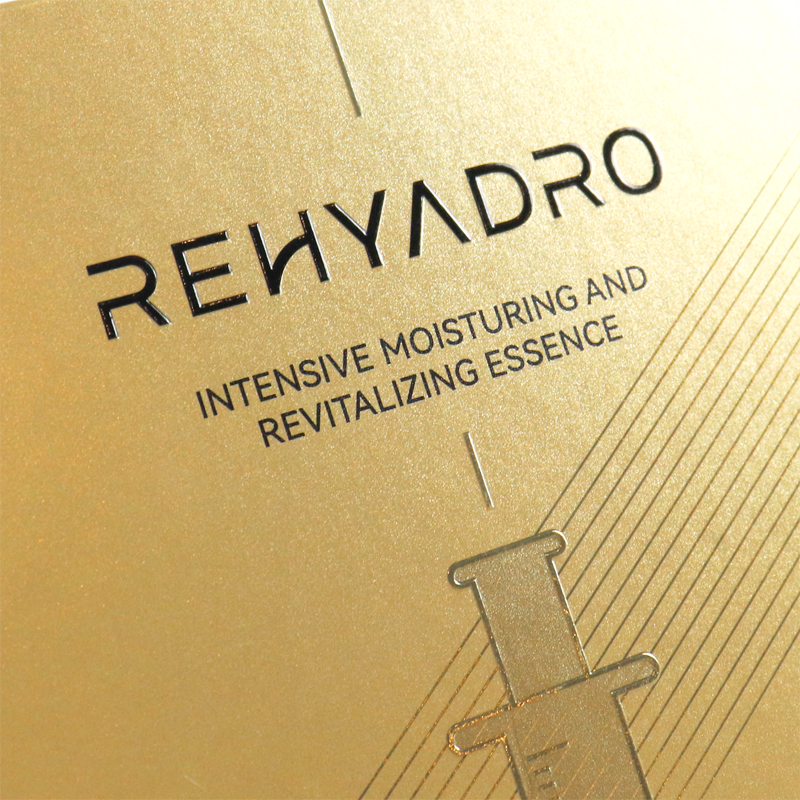
The finish is commonly applied to luxury gift wrapping, upscale cosmetics packaging and sparsely furnished product lines in which the idea is to demonstrate with as little noise as possible that the product is luxurious.
| Aspect | Matt Lamination Characteristics |
| Surface appearance | Non-reflective |
| Texture | Smooth, flat, velvety |
| Fingerprint visibility | Moderate (shows less than gloss in practice) |
| Color tone | Slightly muted |
| Brand perception | Minimalist, premium |
| Cost | Moderate |
What Is Glossy Lamination in Packaging?
Glossy lamination is an appropriate choice when the concern is as high as possible shelf presence and color pop in competition retail.
It works to replicate the struggle of mat lamination: heat roller is done through the use of high-gloss film but the composition of the film produces a mirror-like finish that reflects the light. This enhances contrast, saturates blacks, and improves the appearance of colors rich, lively, more ideal in bold graphics, photos, or lively branding.
Gloss is widely used in fast-moving consumer goods, retail promotional packaging promotions, e-commerce boxes, which require brightness when photographed or in the bright store lights.
| Aspect | Glossy Lamination Characteristics |
| Surface appearance | High shine |
| Texture | Smooth, sleek |
| Fingerprint visibility | Low (easier to wipe clean) |
| Color tone | Enhanced and vibrant |
| Brand perception | Commercial, dynamic |
| Cost | Moderate |
Matt Lamination vs Glossy Lamination: Core Differences
The variations between matt and gloss finish of packaging far come beyond appearance, they also further determine how the box will manage in actual handling, display and distribution condition.
Although both have some form of a bottom layer protection, the interaction of light on the surface yields both a different practical result.
| Comparison Factor | Matt Lamination | Glossy Lamination |
| Reflectivity | Low | High |
| Color vibrancy | Muted | Enhanced |
| Premium perception | Strong (subtle elegance) | Moderate (bold appeal) |
| Scratch visibility | Higher (marks show more on non-shiny surface) | Lower (gloss hides minor abrasions) |
| Retail shelf impact | Subtle, draws closer inspection | Strong, grabs attention from distance |
| Maintenance | Sensitive to marks (but hides fingerprints better in many cases) | Easier to clean |
Durability and Logistics Performance
Packaging lamination finishes should be more specification driven on durability, particularly when managing products that have to touch many hands in warehouses, shipping or even display during retail.
In practice, both matrices film types introduce tear resistance and moisture protection over unlaminated paperboard, and their behaviour is different. Glossy lamination tends to be more resistant to abrasion and scuffs when being transported due to the reflective hard surface spreading the impact more evenly and masking the minor damage. It also works reasonably well on humid weather or on temperatures that are likely to happen in international shipping containers.

The non-reflective surface of Matt lamination (although protective) can be more easily scratched or marked with rubs, since it is not opaque, which is common when boxes are placed tight in a carton or rub against one another. Nevertheless, fingers are more likely to leave prints and smudges on matte materials, so this is beneficial to premium unboxing experiences as it becomes harder to do so beforehand.
Glossy boxes may also become adhesive under heat (because of the softening of the films) in a storage area, but more reliably, it is the surface that has a mat finish and will remain detached. In the case of e-commerce brands that deliver directly to the consumers, such minor differences multiply to perceptible returns or complaints in case they are overlooked.
Cost and Production Considerations
In the majority of recent configurations, the difference between the costs of matt and glossy lamination is small, although production behavior is not uniform enough to have no impact on lead times or scalability.
Film material cost is competitive, but there is a small increment in the cost of the Matt films, which is due to the texturing, which is needed during extrusion. The speed of application is almost the same on high-speed laminators application runs well at 50 100 meters/minute on our lines with both finishes.
It actually is felt in high volume tasks: when using glossy lamination, a moderate increase in throughput may be feasible as minor imperfections are not as clearly visible when shine is used, hence QCs reject them less. Matt finish demand is the most precise in terms of color calibration and inspection of flaws because the latter is more noticeable on the level plane.
In small batches (less than 5,000 units) the delta in costs is insignificant. At scale (50,000 or above units), glossy will slightly cheaper because of reduced reprints and increased speed. The lead times remain the same except that special low-migration films or anti-scratch films must be ordered in either finish.
Brand Positioning and Design Strategy
The decision of lamination is the one that dictates how the consumers look at the quality of the brand even before opening the box.
Matt lamination dons the philosophy of luxury and minimalist positioning with the formation of a tactile understated experience that has the feel of exclusivity and care, like the luxury skincare, exquisite chocolates, or exquisite accessories. The diffused finish eliminates visual bustle allowing structural elements to come to the fore (embossing, foil or die-cuts).
Mass retail becomes visible with glossy lamination and maximum color intensity and shelf pop, ideal in the FMCG, in supplements or electronics accessories, and seasonal promotion where immediate appeal is more important than subtlety.
A lot of brands are currently integrating the methods of contrast, using spot UV gloss highlights on a mat base, such as leaving focal points without being completely covered in gloss. This blended model is a combination of quality touch and tactical glitz.
| Brand Scenario | Recommended Finish |
| Luxury gift packaging | Matt |
| Cosmetics premium line | Matt |
| Fast-moving retail products | Glossy |
| High-contrast graphic packaging | Glossy |
Common Mistakes When Choosing Lamination
Those who have worked in the factories know that there are a few mistakes that keep reoccurring causing expensive reprints or unhappy customers.
- Testing on sample alone when the showroom is under controlled showroom lighting – actual retail or home lighting usually alters the behaviors of reflectivity.
- Disregarding visibility of scratches when dealing with tests – what appeared exquisite straight off the line may be worn out even after a few stack/unstack operations.
- Ignoring end-use characteristics – glossy appearing may be attractive in a bright shop, but is a glare nightmare in an e-commerce entry.
- Loss of long term consistency when the finishes are switched in the middle of the campaign destabilizes brand recognition and makes re-approval necessary.
This is detected at an early stage by testing the prototypes in simulated logistics (drop test, humidity chambers).
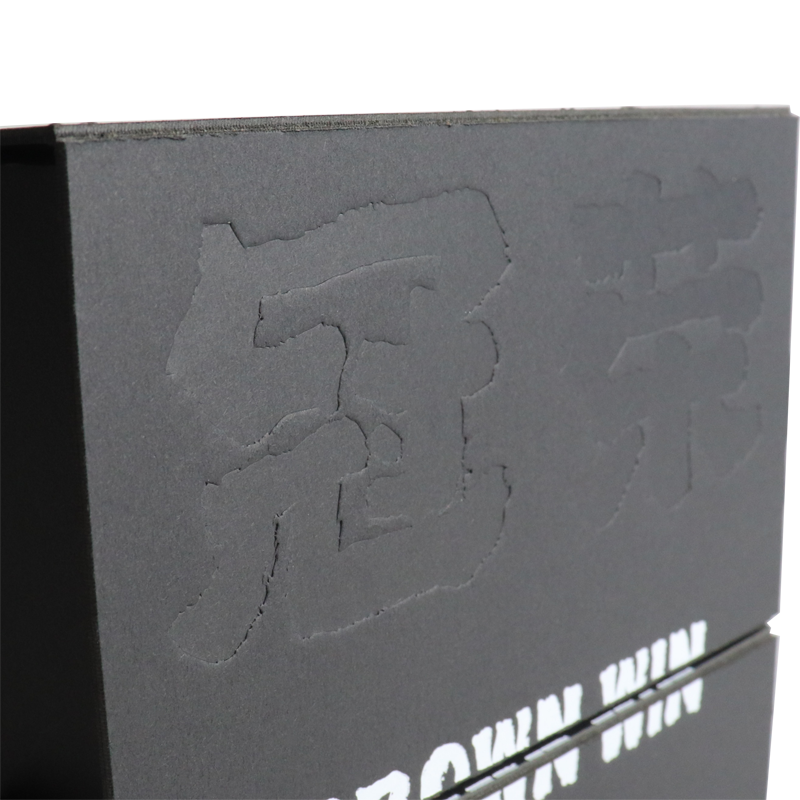
Conclusion — Lamination Is a Structural Decision, Not Just a Visual Choice
The glossy lamination and Matt have their purpose in packaging production. Matt can offer subdued elegance and superior fingerprint protection to position at premium and glossy will offer a brighter shelf impression and simple cleaning to offer to high-volume retail.
The best decision is the one which comes as a balance between surface finish, brand identity, the conditions of handling and the production efficiency not just settling on a decision based on visual preference. By modifying the lamination to the full lifecycle of the packaging, between factory floor and into the hands of the consumer a better consistency of the brand, decreased complaints of quality and better performance in the market is achieved.