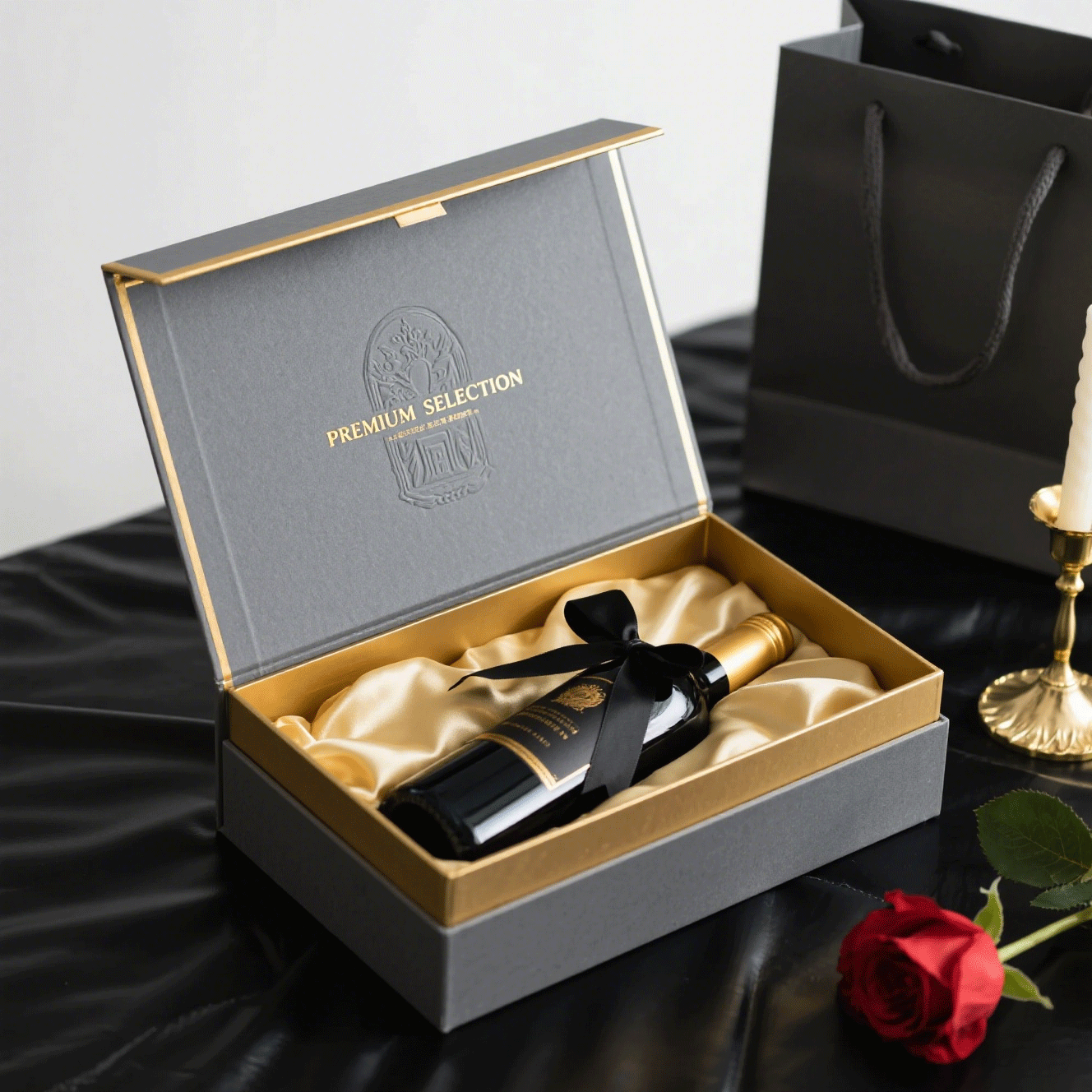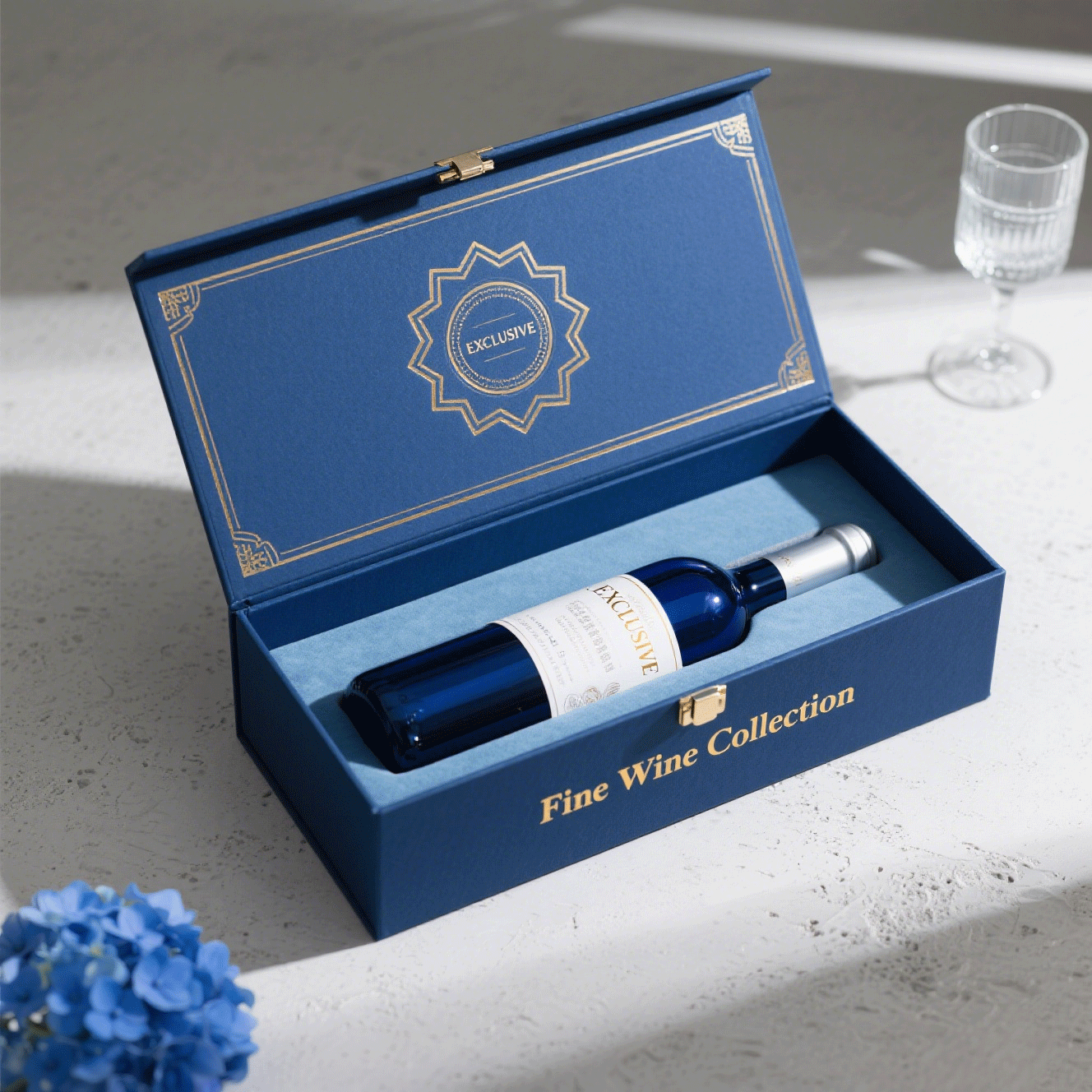
High-end fashion and luxury apparel packaging in particular has been instrumental in determining how consumers view the value of a brand so as to charge a high price and create a long-term loyalty. It makes a mere delivery a conscious continuation of the brand story, with the unboxing experience strengthening exclusivity and craftsmanship. Even the most beautiful clothes can be ruined by the inadequate packaging choices that do not add value or build trust and vice versa, whereas intentional designs can enhance emotional reactions, leading to increased interest and word of mouth. In the case of designer brands it is not just about being safe but it is creating an environment and experience that is in line with the elegance of the clothes within the garmenting. Packaging in the luxury fashion industry is not an incidental consideration, but a brand statement.
In my opinion, it is important to incorporate the aspects of being able to communicate the message of refinement without being overboard, and I have been able to carry out the same by advising many high-end fashion houses about their packaging choices. This can start with a holistic customization strategy like the idea of delving into a unique a tailored apparel packaging strategy for high-end brands,which will have a concept-to-implementation continuum.
Why Luxury Apparel Packaging Shapes Brand Perception
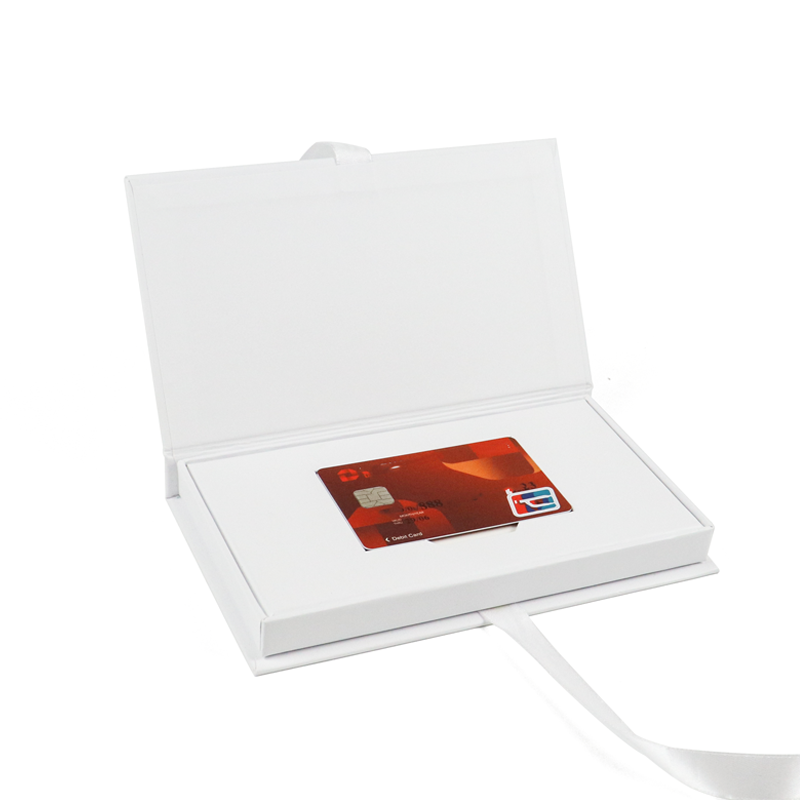
Psychology of first impressions in luxury clothes lies in the area of subtlety. When a customer takes or reads a package, he or she predetermines what is going to happen to the garments even before they are seen. Unobtrusive designs – consider straight lines and subtle sophistication – exude confidence, and it is a sign that the brand does not have to scream its value.
Visual restraint creates a feeling of exclusivity, in which the minimal ornamentation permits the brand to be expressed. I observed a situation with brands in which the flashiness of the boxes became more than the clothes themselves, and brands with simple designs caused a sense of peace and harmony.
Packaging is a form of silent communication in which brand values are incorporated in each detail. It narrates a heritage or innovation tale without uttering a single word, which shapes the customers to spread their experiences on the internet or a social network, and eventually bolsters loyalty.
Structural Design Choices for Luxury Apparel Packaging
The basis of the luxury apparel packaging is structure, which determines the functionality and the prestige attached to it. The decisions in high-end contexts are more inclined towards forms providing a feeling of permanence and care.
Why Rigid Structures Dominate Luxury Fashion
Rigid boxes are the most stable and they will not cause a shift or creasing of the fragile fabrics such as cashmere or silk. Their construction is solid which demonstrates durability which is in line with the longevity of high end collections. As practice shows, brands that switch to rigid configurations tend to record high customer complaints on the quality of unboxing.
Drawer Boxes and Magnetic Closures for Premium Collections
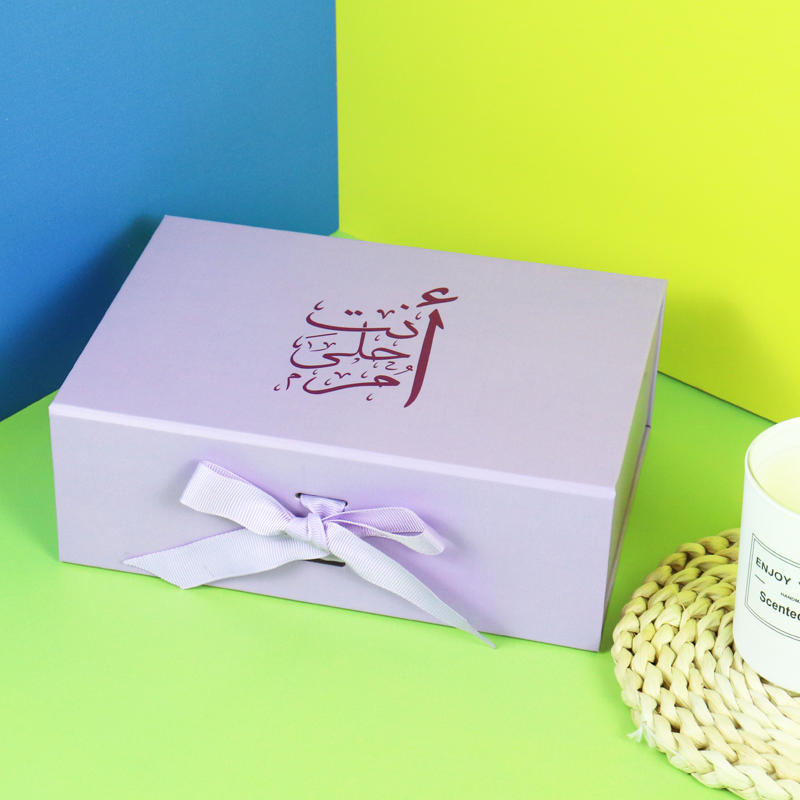
Drawer-style boxes provide a limited disclosured appearance, which is best in staged looks of clothes and accessories. The magnetic closures also provide a pleasurable feel of SNAP-ON, which makes the process of opening more ritualistic. Such aspects are appropriate in limited-edition releases when the packaging should be corresponding to the rarity of that item.For deeper insights into premium box construction options for luxury apparel, consider how rigidity outperforms foldables in maintaining shape during handling.
How Structure Influences Perceived Quality
The correct shape increases the weight and proportion of the whole package and it becomes heavy but friendly. Poor choices of design to fit the product: either too weak or too heavy-handed will be a way to slowly lose trust, whereas the right proportions can be strengthened by the brand design to pay attention to the details.
Material Selection That Signals Premium Quality
The content of the packaging of luxury apparel must convey the perception of good quality, which should be combined with visual attractiveness and a sense of usefulness.
The density and the stiffness of the paper is very important, heavier paper of about 300-400gsm will offer a solid base, which will not bend easily, needed to support folded clothes. When employed in specialty papers, e.g. with subdued linen textures or metallic finishes, the papers give the design a richer texture, without being overpowering.
Weight adds to the sense of touch – a box that is overly light is insubstantial, whereas a sense of weight shows worth within. I have led brands to use recycled but high-quality boards keeping this balance, making the packaging as sophisticated as the garment inside it.
Finishing Techniques That Elevate Luxury Apparel Packaging
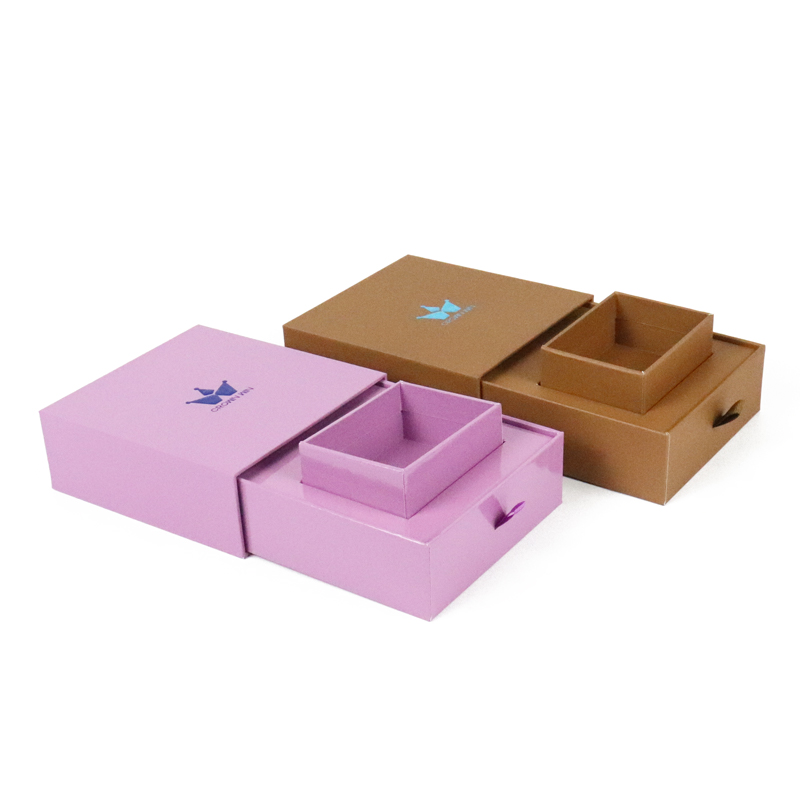
The finishes must complement, but not overpower, with layers of sophistication brought in by controlled use.
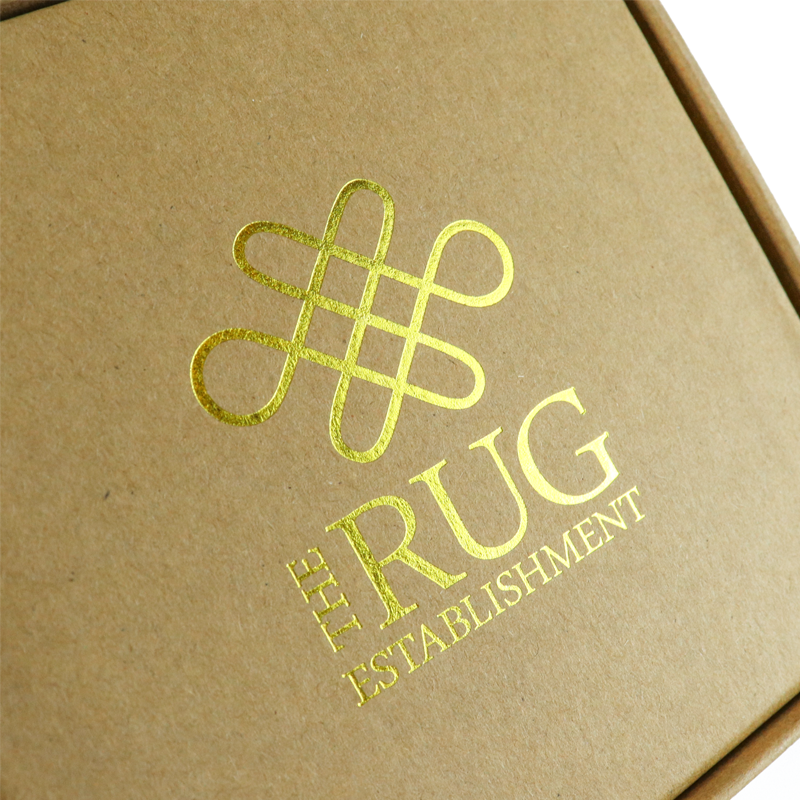
Foil stamping is another exact accent, emphasizing the use of logos or motifs in a metallic lustre that reflects light unobtrusively. It works well in establishing focal points, and suspension is essential to prevent gaudiness.
Embossing and debossing add the sense of the dimensionality texture, providing surfaces with the sculpted appearance that can be touched. The methods are effective with monograms and they are thus reminiscent of a tailor-made garment.
Soft-touch and matte finishes differ in their sensory experiences: soft-touch has a velvety feel, reminding of the high-end fabrics, whereas matte absorbs the light with an understated fashion. Practically, a judicious combination of these can make the seasonal collections different.
Color, Typography, and Visual Discipline
The use of visual components in luxury clothing packaging requires discipline to fit the aesthetics of its DNA.
Small palettes, such as monochromatic or two-color, are used to produce harmony so that when opening the apparel becomes the center of attention. Brown or dark jewel tones can be old-fashioned or luxurious, depending on where the brand is placed.
The hierarchy in typography is also clear: the main branding is written in beautiful serifs, the secondary information is readable in the font of a sans-serif. The dimensions and the distance between objects count so that it is not cluttered and thus lacks premiumness.
The packaging must be consistent with the identity of the fashion brand; they must reflect a runway or campaign theme which supports identity recognition along touchpoints.
Sustainability Expectations in Luxury Apparel Packaging
Sustainability in the luxury context is no longer a choice in the recent environment of luxury; it is part of the brand integrity.
Luxury consumers demand responsible behavior with packaging reflecting responsible sourcing without sacrificing the looks. This is a change that is brought about by increased consciousness of the environmental impact of fashion.
FSC-certified materials guarantee the sustainable management of forests, which results in traceable paper of high-quality print and texture. These brands I have consulted have properly incorporated these, making the experience of conscious luxury more complete.
To achieve a compromise between eco-responsibility and high-end touch, one should choose biodegradable laminates or recycled fibers that will not lose their smoothness or strength. For more on responsible material choices in high-end fashion packaging, note how these options support long-term brand loyalty.
Cost vs Brand Value in Luxury Apparel Packaging
Luxury packaging is more expensive in nature because of the better material and craftsmanship, but it is an investment in perception.
Thinking about the drivers like custom tooling or other special finishes will aid brands in using budgets prudently. These costs can easily pay off in my advisory work in terms of increased pricing power and less returns on improved protection.
ROI is in the form of customer loyalty; attractive packaging leads to advocacy, which spreads the brand in its natural way. But one of the reasons that one should not overdesign is that it must be planned: put more emphasis on those things that actually make the difference and not on the features that are added randomly.
For a grounded view on investment logic of premium apparel packaging, consider how scale and material choices influence long-term viability.
Applying Luxury Packaging Design Ideas to Real Apparel Brands
Designers and manufacturers must work together in order to translate ideas into reality.
Sampling and prototyping give the opportunity to test the structures and finishes by hand and improve them through the real feedback. I have supervised where the early versions of the drawers were modified to work more smoothly to meet brand requirements.
It is important to work with well-trained manufacturers of packaging; manufacturers with in-house facilities can deal with such finances as matching of colors perfectly or inserting items, and provide such consistency on a large scale.
Conclusion — Luxury Apparel Packaging as a Strategic Brand Asset
Premium packaging of clothes does not merely serve a utilitarian purpose, but it is an asset that is maintained by the brand through the ages. Brands can develop repeatable moments, which are deeply personal with the focus on thoughtful structures, materials, and details. When done purposely, luxury apparel packaging is realized as a direct continuity of brand value.