Laser cutting and die cutting have become the main technologies to cut, crease and shape paperboard, corrugated, and specialty material into boxes, inserts and components used in packaging production. Die cutting is based on using custom steel rule dies pressed into the material in a single stroke, whereas laser cutting is based on using a focused high-powered beam to vaporize material in programmed paths no physical contact is required.
No one has to be considered better than the other, and it depends on the pragmatic considerations such as the intricacy of the design used, material thickness, the amount of production, and the economy of production over time. A common belief of many brand proprietors and designers is that laser cutting is always is more premium due to its digital nature and capacity to work with the details that are of a complex nature. Actually, in medium-to-large volume packaging operations, particularly folding cartons, hardened boxes or magnetic-closure assembly design, die cutting in many cases provides higher cost-efficiency, better throughput and enhanced structural performance.
Appropriate cutting technique will depend on the complexity of designs, the thickness of materials, volume of production and long term efficiency of the manufacturing process.
What Is Die Cutting in Packaging?
Die cutting is still the workhorse in the production of packaging because it is in high volume production which has repetitive production and consistency and speed is an important consideration.
It is done with a custom-made steel rule die (a sharpened steel blade rule in a ply wood base) placed in a press. Slicing once with the die, outer contours are cut, internal cut out made and fold lines scored or creased – important to proper box assembly. Such combined cutting and creasing allows particularly structural packaging engineering, where the fold lines must be made straight to give boxes a shape with load without cracking or warping.
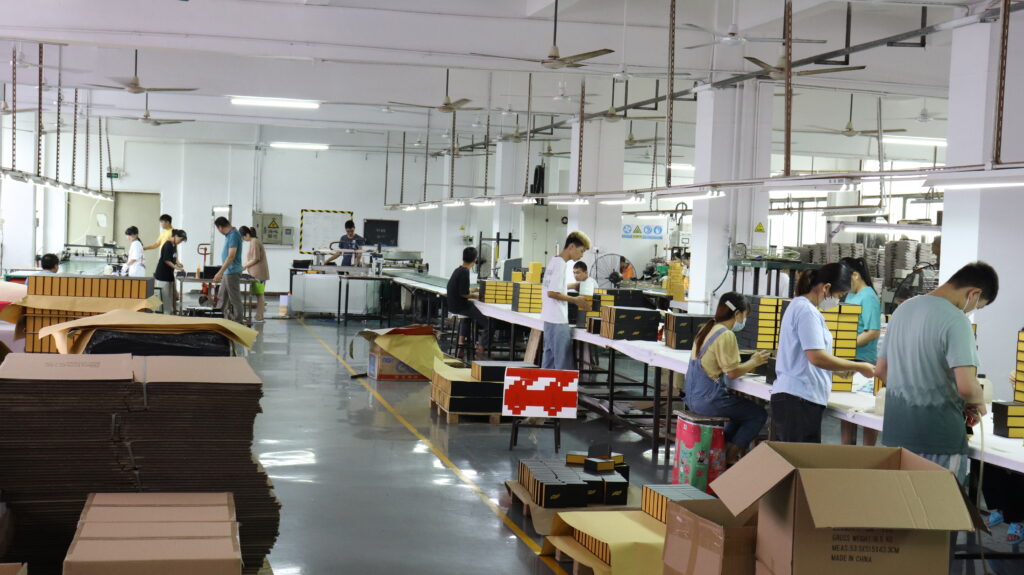
Die cutting excels in applications involving folding cartons, drawer boxes or other rigorous structures having many score lines.
| Aspect | Die Cutting Characteristics |
| Tooling | Custom steel rule die |
| Production speed | High |
| Best for | Large volume production |
| Cost per unit | Low at scale |
| Structural accuracy | High (especially for creasing) |
Die cutting Characteristics Die cut is a method used to produce products in which an entire part, part element, or set is created using one or several diecasting techniques.<|human|>Die Cutting Characteristics Die cut is the process to manufacture products where the desired part, part element, or set is made entirely or a portion where a single or multiple diecasting processes are used.
What Is Laser Cutting in Packaging?
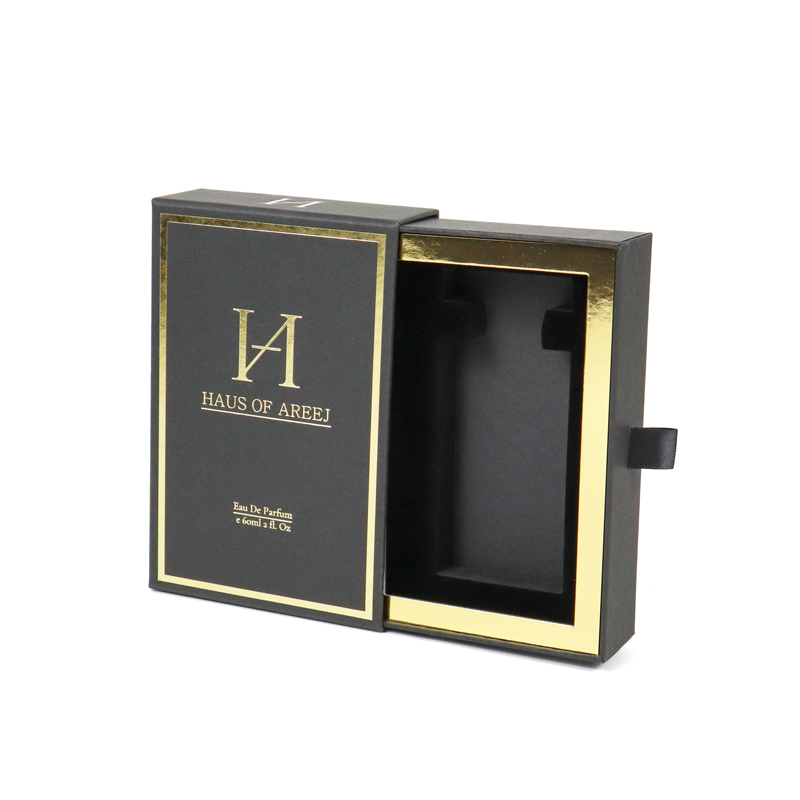
The laser cutting brings unlimited flexibility in packaging development, especially in the prototyping process or in designs that involve elaborate ornamental features.
A CO2 or fiber laser beam of high power will track a digital file of a vector to cut or engrave material, and no physical tooling is used. It does away with die fabrication time and cost and it is perfect when quick iterations are required, e.g. custom window cut-outs, complex designs on the top of gift boxes or a limited edition structure.
Laser cutting does not, however, normally do creasing, and creasing often demands an additional step or second operation (such as rotary scoring) to increase the structure, which may introduce additional steps and distort structural alignment when folding composite cartons.
| Aspect | Laser Cutting Characteristics |
| Tooling | No physical die |
| Design flexibility | Very high |
| Production speed | Slower |
| Best for | Prototypes and complex patterns |
| Cost per unit | Higher at scale |
In reality, laser cutting is highly beneficial in short-run cases or when a client desires to experiment with various structural variations until he or she dedicates investment in tooling.
Laser Cutting vs Die Cutting: Core Differences
The practical inconsistency between laser cutting and die cutting in packaging is reduced to the trade-off between each procedure in terms of setup, speed, fineness, and the ultimate economic gains.
But although both are high-structural accuracy, they run on different realities of productions.
| Comparison Factor | Die Cutting | Laser Cutting |
| Tooling cost | Initial die cost | No die cost |
| Scalability | Excellent | Limited |
| Precision detail | High | Very high |
| Production speed | Fast | Slower |
| Best volume range | Medium–large | Low volume |
| Material compatibility | Broad (including thicker boards) | Limited thickness control |
Such trade-offs have a direct implication on structural packaging engineering.
Cost Structure and Scalability
Cost isn’t merely a particular initial quote but it is a cumulative landed cost during the entire lifecycle of production.
Die cutting requires initial investment in tools (typically $500- 2000+ by complexities involved), but the cost is incurred in thousands of units. At 10,000 or +, price per unit is greatly reduced since the press is operating with minimal interruption. Quick and efficient scalability, Setup changes are fast when the die is made, and required to support both retail and e-commerce packaging runs.
Laser cutting has no tooling cost and can be set up quickly (only add file), therefore it is cost- effective on prototyping or jobs of less than 1,000 to 2,000 setups. But it has longer processing time per sheet, lower machine throughput, and a sharp increase in per-unit costs with scale – usually 25 or 5 times higher at scale as determined by slower cycle times and increased power / labor requirements.
Ampouflage Ampoule production Die cuts tend to prevail on pure economics in high-volume packaging production.
Design Complexity and Structural Engineering
The method is often determined based on the design requirements than on any other factor.
In very complex decorative cut-outs – e.g. filigree, tailor-made windows or artist designs cut on luxury gift boxes – Laser cutting is particularly effective since micro holes and steep inside rims are cut with ease and without requiring a blade.
However, when the design incorporates functional folding or scoring or creasing (both of which are vital to most cartons as well as rigid boxes), die cutting is decisive: Die cutting can crease and cut in a single operation giving it clean, straight fold lines, which will not break when assembled or shipped.
Quality of edges is also different: die-cut edges are sharp and mechanical, whereas laser edges may contain charred spots or heat damaged areas, eliminated however through appropriate settings by modern machines.
| Design Requirement | Recommended Method |
| Complex decorative cut-outs | Laser |
| Folding cartons with crease lines | Die cutting |
| Rigid structural packaging | Die cutting |
| Limited-edition prototypes | Laser |
Material Thickness and Production Control
The final structural stability is influenced by material behavior under every process.
Die cutting can cut a wide variety of thicknesses including thin paperboard to multiple layers corrugated with steady pressure giving clean cuts and deep creases. This stability is vital where packaging should have to survive stacking, or transportation, or retail; stuff.
Laser cutting works better on thin to medium stock but does not cut densely corrugated board: higher speeds create more heat which can lead to burn marks, or charring, or thin edges that are no good at assembly. Burn marks Dark, sooty lines may be present on uncoated or recycled materials and may also have to be removed through post-processing.
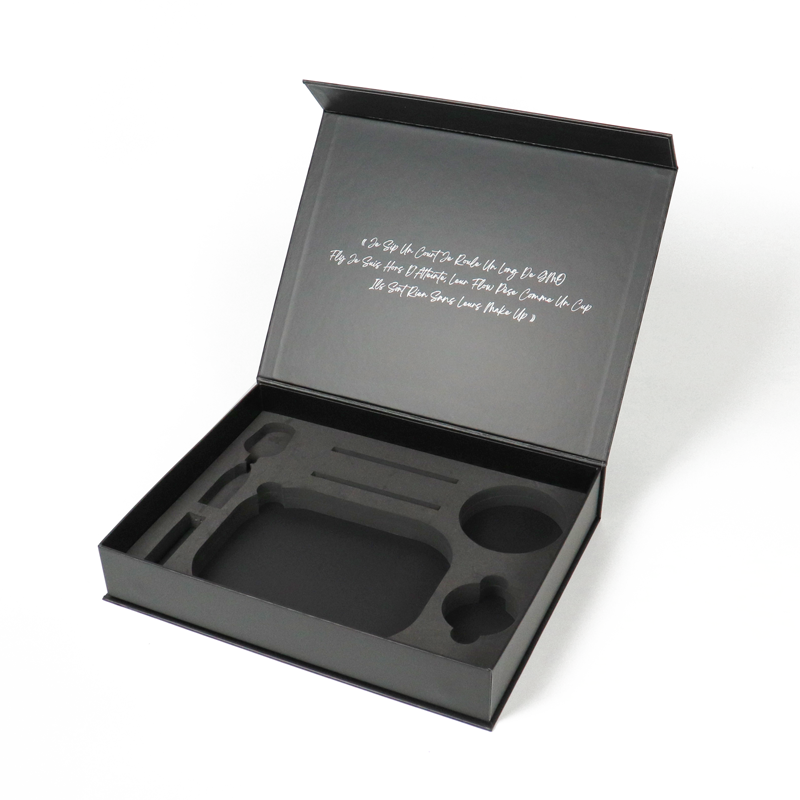
Die cutting produces superior long-time stability in 2-3 mm boards and multi-layers in our case with luxury rigid boxes and magnetic closures.
Common Mistakes When Choosing Cutting Methods
Even the most experienced teams occasionally choose the incorrect process, and it causes the increase of the budget or quality problems.
- With laser cutting as a choice of mass production run-off – the cost of cut and the time gap run without reason.
- Crease line requirements ignored – Laser-only workflows frequently require individual scoring, which creates the potential of folding carton misalignment.
- Die tooling Underestimates the lifetime of die tooling – properly-maintained dies can be used tens of thousands of impressions, which makes them worthwhile to use when ordering a second time.
- Making a decision on the basis of the initial tooling cost – failure to consider per-unit economics at scale causes surprises on the larger projects.
The decision to anticipated volume and structure requirements should always be plotted at a tender design phase.
Conclusion — Cutting Method Selection Is a Production Strategy
Laser cutting and die cutting may respectively have different applications in packaging development. The best decision will match structural complexity, volume, material behaviour and efficiency over time – not just the perceived complexity of technology.
In structural packaging engineering, the aim is to have dependable, reproducible, results, which should exhibit behavior in real-life logistics. Die cutting is usually victorious with scalable, crease-intensive designs at volume, whereas laser cutting stands in favor of imaginative experimentation and flexibility in short production. Adjustment of the method in accordance with the realities of the project is more successful cost, quality and schedule.