
FSC-certified packaging is occasionally a considerate although not necessarily fundamental element in the cosmetics sector: depending upon brand positioning, market needs and sustainability in general. The perception of many beauty brands is that FSC is the only standard of an eco-friendly product packaging, despite it being only a part of the actual conformity and sustainability arguments. FSC certification is misconstrued when making decisions in cosmetic packaging. FSC certification is not a parameter that defines sustainable or compliant cosmetic packaging.
Since I started advising skincare, makeup, and fragrance companies on packaging compliance and procurement, I have experienced how excessive focus on FSC may result in the execution of unsuited decisions. It is handy under some circumstances, but not the universal remedy. We will take a rational look at this, beginning with the basics and on to the realistic estimations.
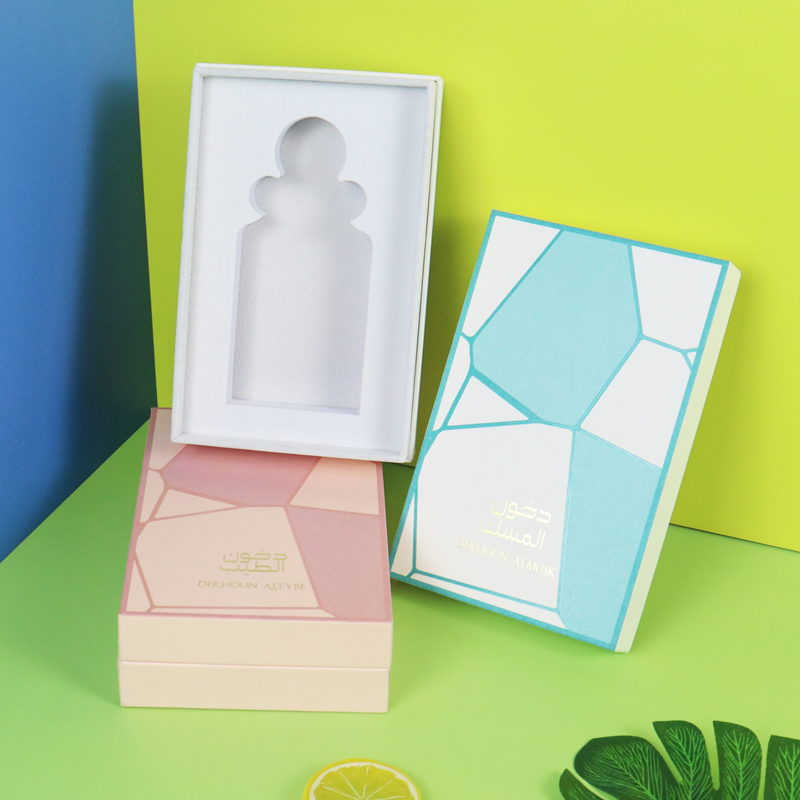
What FSC Certification Means in Packaging
FSC certification is used to certify materials that are of forest based origin, which aims at ensuring the use of sustainable forestry management, aimed at protecting both the ecosystems and the communities. It is a chain-of-custody tracking system initiated by the Forest Stewardship Council that extends through forest to end product, so that paper or wood derivatives are not associated with deforestation and unethical labor.
The most important thing that FSC has or has not guaranteed is that FSC guarantees traceability and environmental standards in the sourcing process but does not deal with the entire lifecycle impacts such as recycling, carbon footprint, or the use of chemicals in processing. When speaking of FSC certified cosmetic packaging then such a forestry-based label is not a full-fledged eco-certification.
Why FSC Is Often Associated With Cosmetic Packaging
FSC is of relevance to the cosmetic packaging arena because there is an increasing consumer interest in the visible indicators of sustainability, where the label in this case can affect the buying behavior in the eco-conscious markets. Its visibility is growing due to its being needed by retailers and e-commerce platforms to place on the shelf or make green claims.
Marketing influence is also a factor; brands use FSC to stand out in an oversaturated beauty aisle, which is currently a trend such as clean beauty. Nevertheless, this connection may drown the fact that FSC cosmetic packaging is not necessarily the most effective option when it comes to each of the product lines.
When FSC-Certified Packaging Is Important for Cosmetic Brands
FSC certification is desired in the case where traceability serves as a direct source of brand credibility or regulatory requirements. In the retail-based cosmetic items, such as display boxes in retail stores, FSC will also indicate ethical sourcing to customers who scan green labels, which may increase sales in more sustainability-oriented markets such as Europe.
In brand positioning that is driven by ESG it is a concrete asset, so procurement managers of worldwide fragrance lines tend to focus on this to satisfy corporate reporting or partner audit. In this case, FSC certification cosmetic packaging would positive affect compliance measures with the use with custom cosmetic packaging boxes that balance aesthetics and ethics.
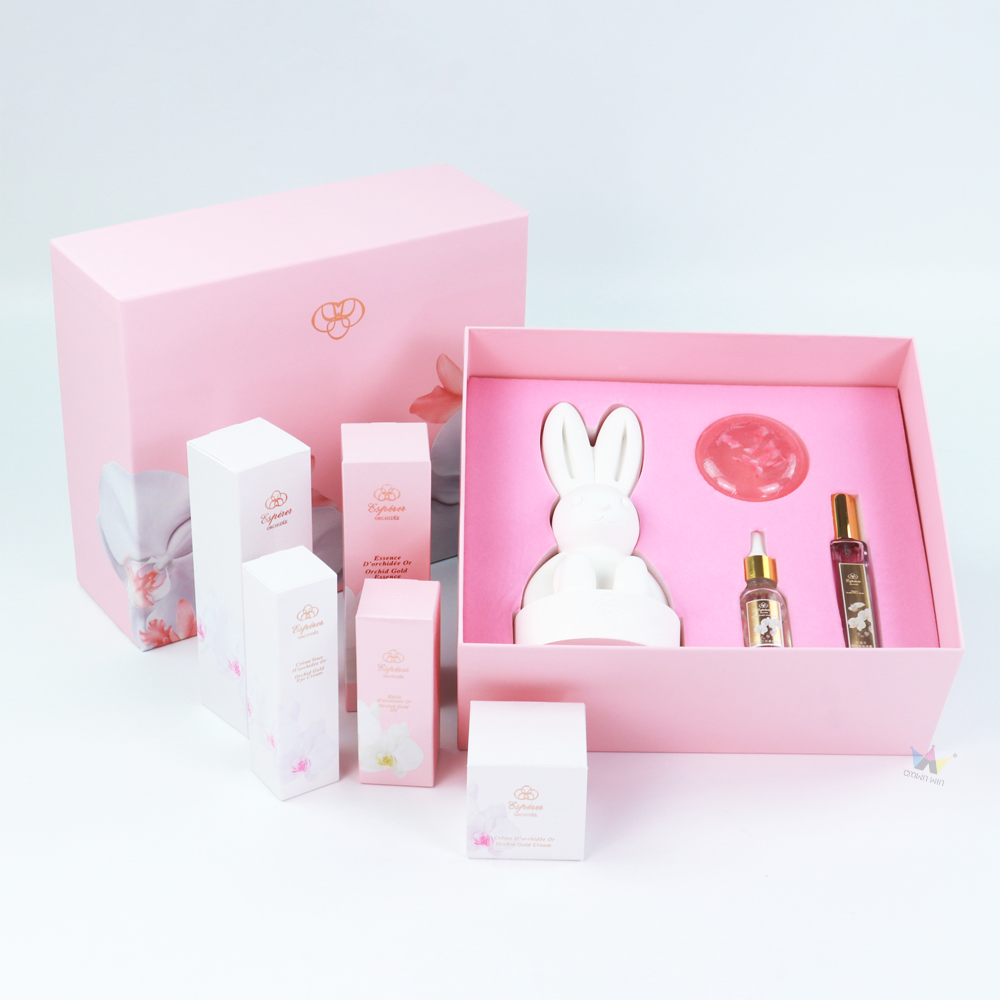
When FSC Certification Is Not a Priority
FSC certification is not a fundamental measure of any beauty packaging, especially where the key issue is not the traceability of the forestry. In inner packaging, including protective inserts or dividers in the case of cosmetic boxes, functionality is more important than certification- materials such as recycled foam or non wood material may be more sustainable but without FSC.
Structural or protective packaging of shipping serums or palettes has different priorities, whereby the emphasis on labels is in favor of durability and cost-effectiveness rather than forest-specific labeling. In such situations, is it necessary to have FSC certified packaging on cosmetics? It is not always the case, the brands can have the same benefit in terms of environmental friendliness by using other alternatives without the purchasing difficulties.
FSC vs System-Level Sustainability
FSC is a solution to a subset of the sustainability equation in cosmetic packaging, which brands should consider as a component of systemic material and lifecycle. It is a more responsible way of sourcing paper, but the real sustainability at the system level is recyclability, biodegradability and low emissions throughout the production process.
As an example, by combining FSC paper with non-toxic inks or minimum adhesives, a more holistic procedure will be developed. The FSC requirements in cosmetic packaging must be balanced with others such as post-consumer recycled content, which could be more circular. To delve further, we can look into the case of sustainable cosmetic packaging materials that go beyond dealing with single certifications to overall plans.
Cost, MOQ, and Operational Trade-Offs
The use of FSC in cosmetic packaging presents certain cost and operation issues that companies need to weigh between advantages and disadvantages. Certified material premiums may increase unit costs by 10-20 percent in audit supply chain and budgets on small production runs will be affected.
MOQ quantities tend to increase with FSC, since suppliers order verified stocks in large quantities- start-up brands may be asked to pay a minimum of 2,000 or more units. Trade-offs between FSC and sustainable cosmetic packaging here include the fact that even though certification helps in marketing, it maylengthen the lead times, in situations where materials are limited.
For practical insights, reviewing cosmetic packaging cost one can see how all these factors interact to make sure that the consequences of decisions do not follow their ideals and are related to the reality of operations.
Common Misconceptions About FSC-Certified Cosmetic Packaging
One of the most popular bizarre ideas is the relation of FSC to fully sustainable packaging, neglecting that it is not related to the energy consumed or waste produced in the process. When a brand tries to assume that the packaging used on beauty brands is certified by FSC, it results in an assumption that it is green, which ignores the holes in the entire environmental challenge.
The other mistake is to assume that FSC is the same as regulatory compliance, which is useful as it helps in claims but does not address all regulations such as REACH in regards to chemicals or the Prop 65 in California. These cosmetic packaging myths in FSC may result into the over-dependence whereby the procurement fails to carry out integrated evaluations.
How Beauty Brands Should Evaluate FSC Rationally
Unless the adoption is necessary, beauty brands are advised to evaluate FSC on the basis of individual customer needs and internal needs. Begin by mapping retailer requirements, where partners such as Sephora are more concerned with it, selectively integrate on those SKUs.
Positioning based on the balance between brand perception and execution reality: ESG managers may appreciate it in terms of reports, but packaging engineers are required to check material compatibility. FSC certified packaging of beauty brands should be used effectively as a complement but not a dictator to strategies- test it out through prototypes to make sure that there are no quality trade-offs.
When dealing with the volume-sensitive operations, factoring in cosmetic packaging MOQ helps rationalize whether certification justifies the constraints.
Conclusion — FSC Is a Reference, Not a Decision Maker
In essence, FSC serves as a tool in cosmetic packaging sustainability, not the ultimate solution-brands are flourishing by applying it in a well-considered context. Not to substitute material and system consideration, FSC certification should guide the choice of cosmetic packaging.
My action summary: Audit your supply chain based on real needs, contrast FSC to alternatives such as recycled materials, and test to get it to fit. This is a rational strategy that would not commit too much to the competitive beauty market.