The decision to have the right packaging of luxurious watches is not only a decorative but also a strategic one. A direct influence of packaging on perceived value, protecting of high-precision movements, and the establishment of long-term brand trust are achieved simultaneously.
However, as numerous brands continue to focus more on the appearances of their boxes, hoping that they’d be returned later or claimed against or that they just would not produce it at scale with the same quality, many brands learn that poor structure, underwhelming inserts, or unrealistic production specs were the root of the issue.
Luxury watches require the correct packaging that will assist in brand positioning, preserving precision, and be parsimonious enough to be produced at large quantities. The correspondence of these details makes the packaging to be a kind of continuation of the very watch- quietly enhancing the aspect of craftsmanship without making the packaging stand out of it.
To find solutions to premium watch packaging the point of departure is a comprehensive solution such as the custom watch packaging, custom watch packaging that integrates design, engineering, and production realities from day one.
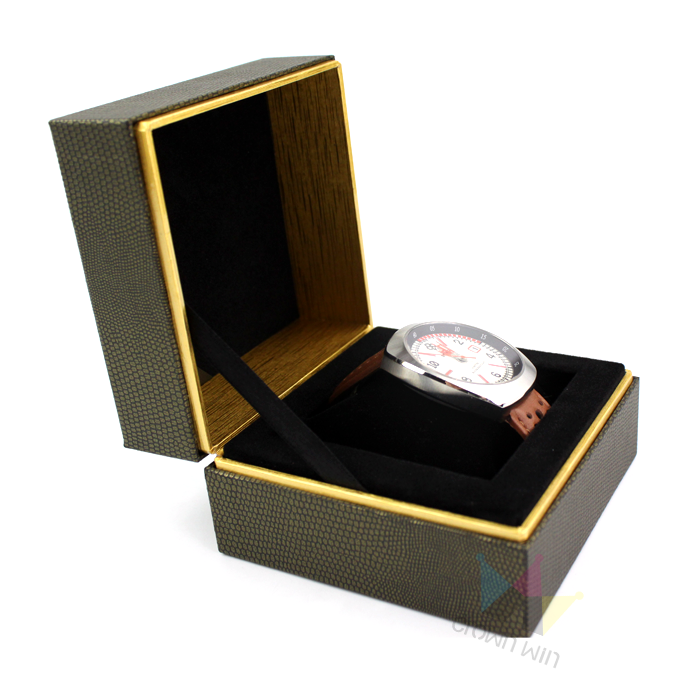
Why Packaging Is a Strategic Decision for Luxury Watch Brands
Loza Luxury watches do not need packaging; it is a luxury watch in this case but the early physical interaction that tells you it is good.
Watches are one of the most dangerous and most valuable products of the consumer product: delicate workings, precious metals, and sapphire crystals can falter at even the slightest shock, variations of humidity, or improper wear. Simultaneously, the unboxing moment is enormous. The customers develop lasting impressions during the initial seconds – weight of the lid, the nice clicking contact of a closure, the perfectly cradled feeling of the watch.
Packaging that is low-quality or uneven or not of the same quality will silently discredit perceived craftsmanship. On the other hand, careful premium watch packaging projects will improve the feeling that all details would be thought and strong branding credibility will be created over the years, not only at the point of purchase.
Start With Brand Positioning, Not Box Style
The packaging style should mirror where your brand sits in the market—entry-level premium, mid-luxury, or true high-end—rather than chasing trends that don’t fit.
Your packaging style needs to be reflective of your brand position in the market-entry level premium, mid-luxury or the actual high-end- does not make sense, as opposed to following trends you do not fit in.
The luxury brands that are in the entry-level usually have pure and modern designs with simple finishes that are an average person reachable, but high enough to be considered luxurious. Average players are likely to lay stress on touch features such as soft-touch lamination or tamed foil to mark an increase in sophistication. High-luxury structures are based on the modest elegance: bulky rigorous architecture, profundity of debossing, and elements resembling heritage that exude exclusivity.
Your channel of retail is important as well: the presentation of boutiques will require a different experience as compared to e-commerce last-mile delivery. Targeting older collectors? Make time-honored rigidity and gravitas the priority. A solid luxury watch packaging design strategy ties every choice back to your core brand narrative.
Choose the Right Box Structure for Presentation and Use
The structure of the luxury watch box does not give the same experience/protection in all.
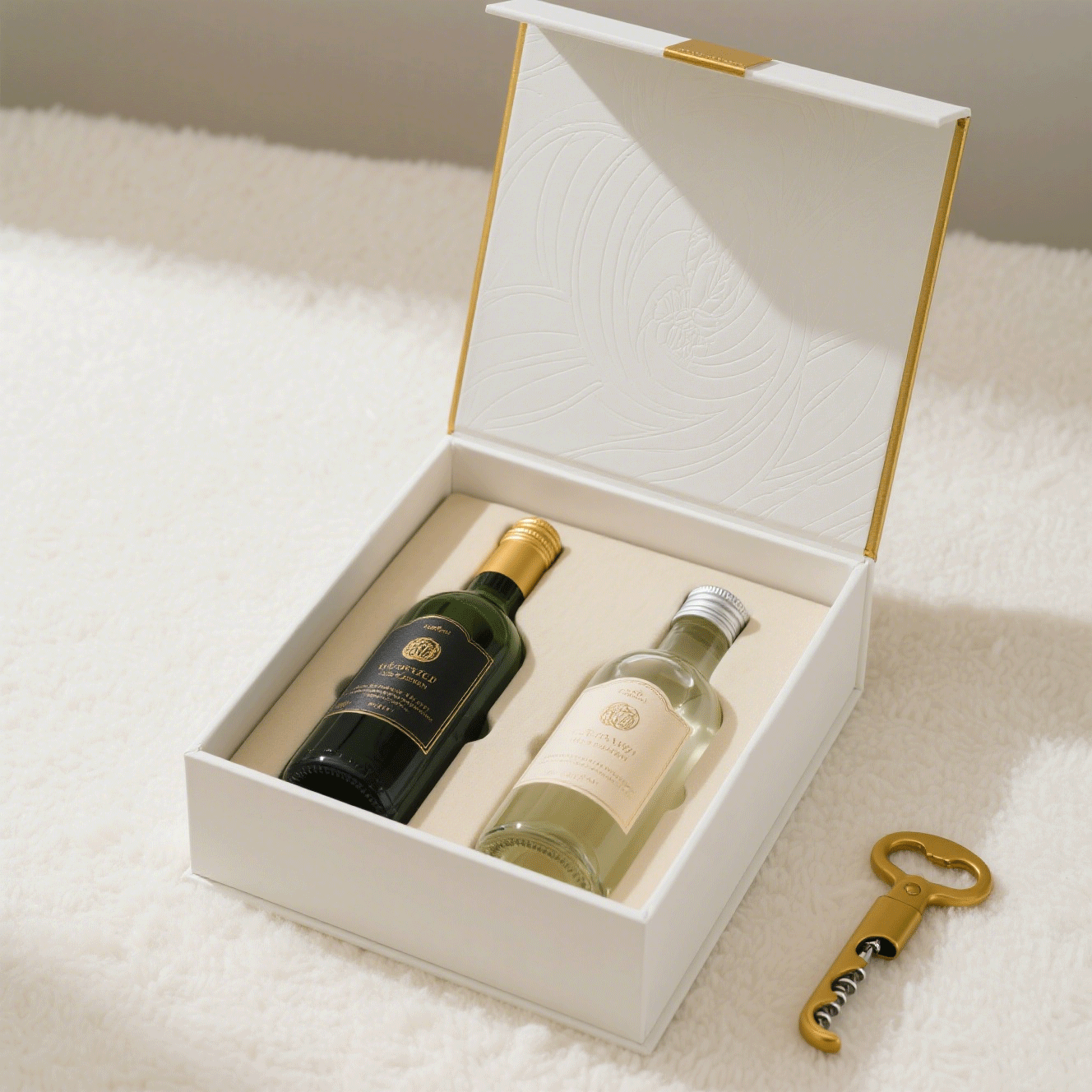
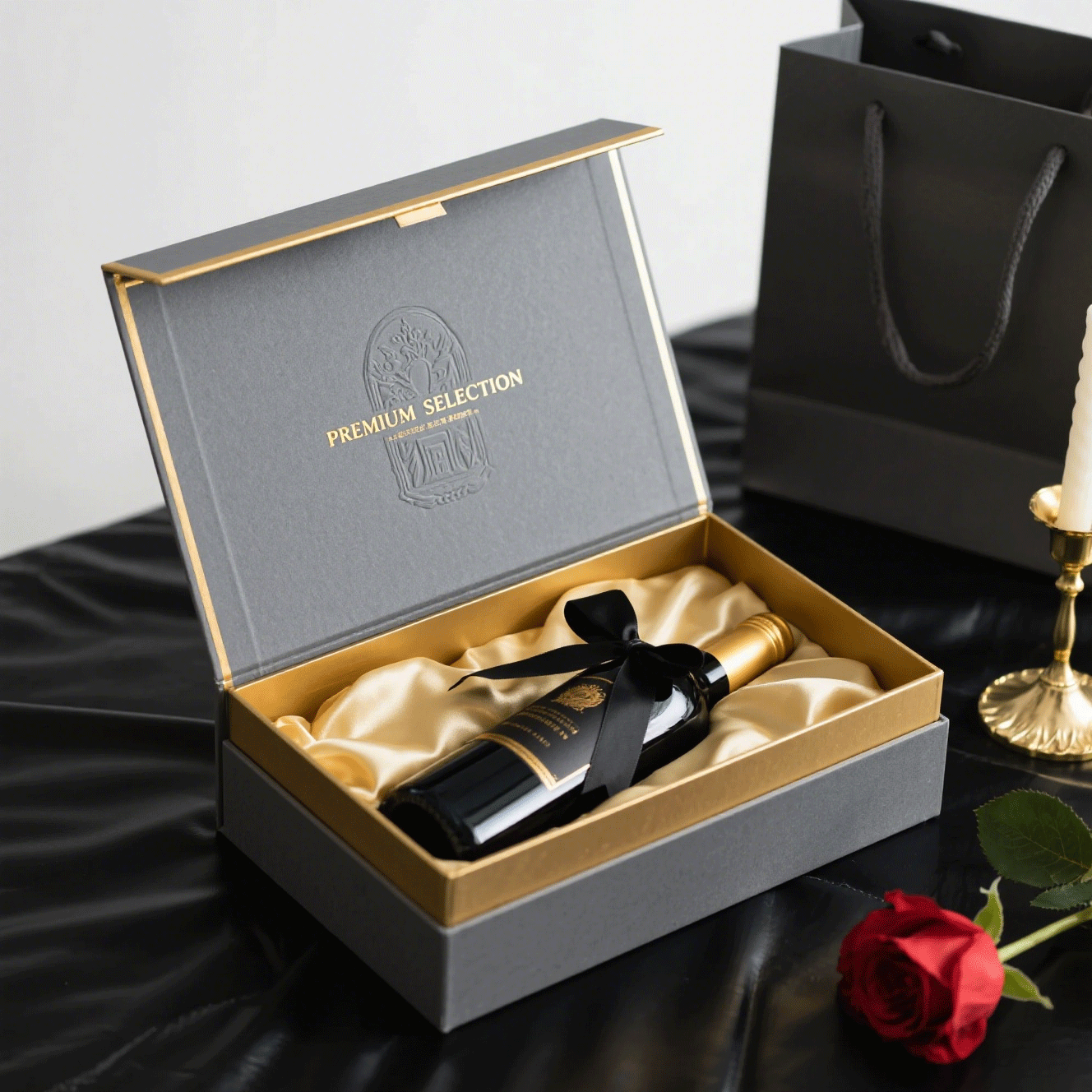
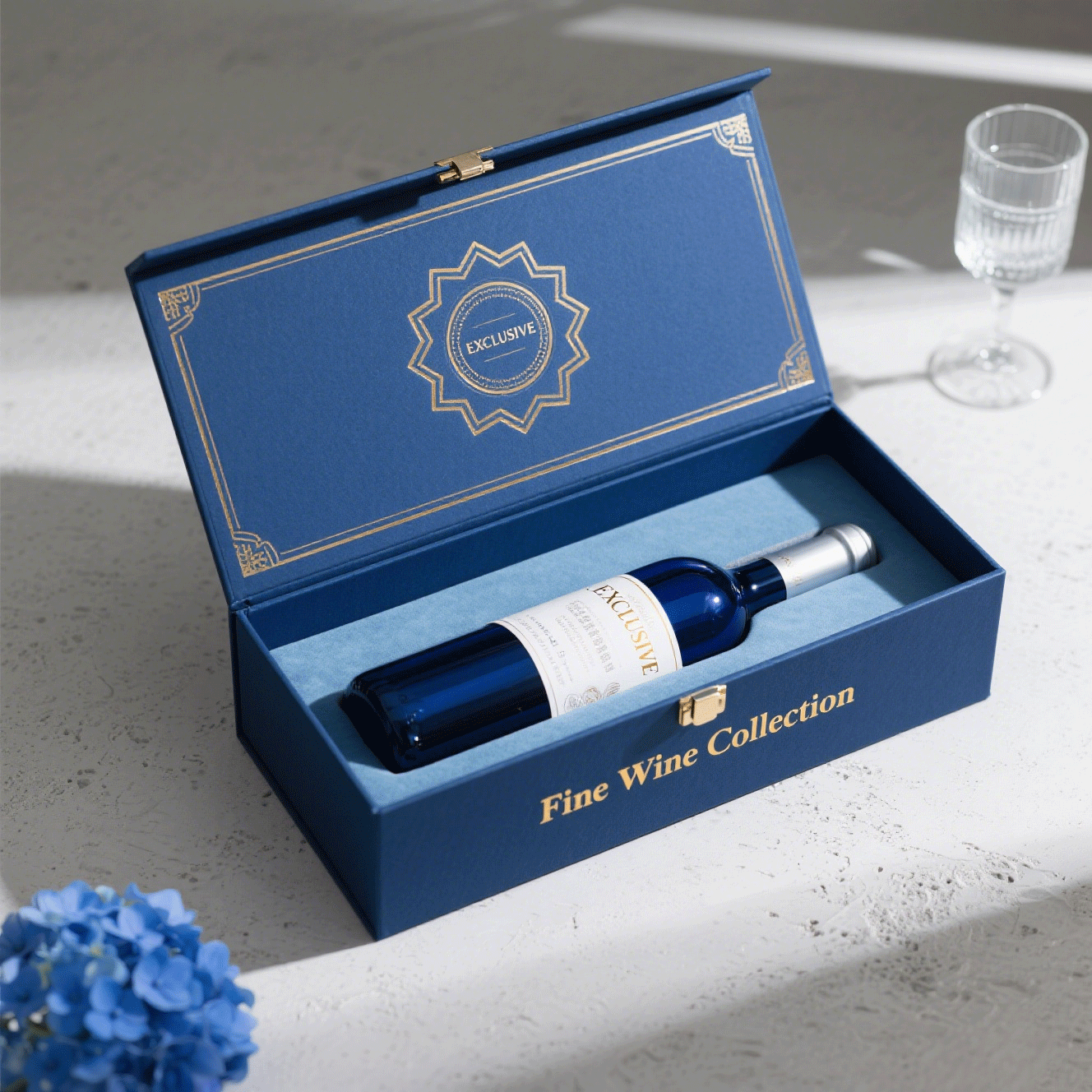
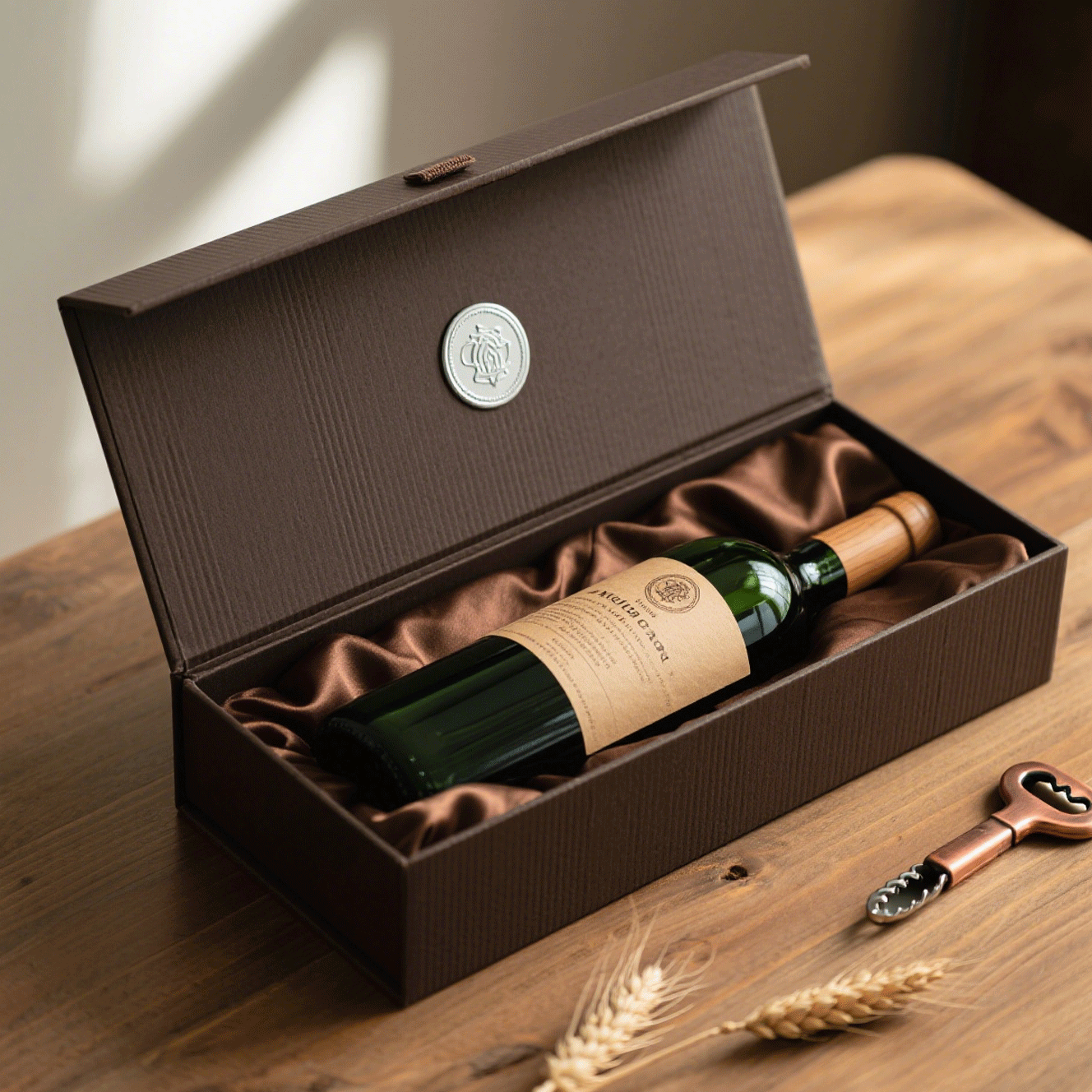
Most prestige brands lean towards the rigid constructions with their weight and support-ability, which is usually 23mm chipboard under a fine paper or leatherette covering. Under that category, variation is important:
Full Lid Rigid Boxes
Arch canonic model of a slow and deliberate, planned disclosure. These are very solid but should be handled with great care in the course of opening.
Magnetic Closure Boxes
Famous in their satisfying snap and for their secureness. The magnets within create a perceived quality with the added advantage that the box opens one-handed in the perfect form to display on the retail shelves.
Drawer or Shoulder & Neck Styles
Those present a gradual unveiling that creates expectation, however, they are relatively more difficult to generate repeatedly.
The initial experience and the general rigidity of the watch has a direct effect on the impression of the watch being premium. Even an expensive timepiece may look less special when it is held in a weak lid or has incorrectly aligned closure. To compare more popular options, see our analysis of rigid box vs magnetic box for watch packaging.
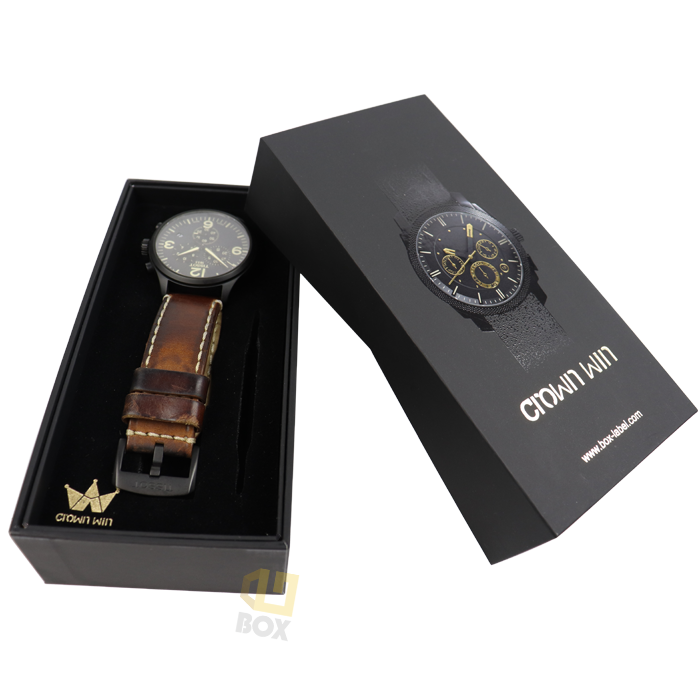
Inserts Matter More Than Most Brands Expect
Protection and presentation avail themselves at the insert–and that is where most luxury watch projects fail.
It is also possible that the watch will move due to a poor fit of the cushion and the crystal or the metal case may scratch or be scratched. Excessive compression may cause tension to the bracelet or the crown. Materials also influence the sensation experience: cheap foam will emit odors, whilst higher-end features will be luxurious.
Common choices include:
- High-density EVA foam Dense, shapeable and resilient; sometimes filled with a flock or velvet overlay to touch soft and high-end.
- Sponge or PU foam -Less durable in the long term but softer.
- Paperboard or shaped pulp — Environmentally friendly but not so shock absorbent on high watch weight.
The accurate cuts of the inlays that hold the watch by a perfect match ensures that the watch does not move whilst framing the watch beautifully. This, an enormous box with a mediocre insert spoils the whole deal.. Explore material trade-offs in our guide to watch box insert materials.
Packaging Must Protect Watches Beyond the Retail Shelf
Display in retail stores is only half the case. The bulk of luxury watches are currently subjected to e-commerce logistics, that is, a series of handoffs, sorting centers, and final mile delivery before getting to the customer.
Precision components are at risk due to vibrations, drops of conveyor belts, temperature changes and pressure during stacking. The packaging should be able to withstand such real-life conditions without necessarily using outer carton over wrap.
Rigid corner, insert engineering, and fixed closure systems minimize the risk of damage. Brands that do not take into consideration logistics performance have greater rates of returns and warranty claims. To reduce these problems in actual sense, review our overview of packaging solutions to prevent watch damage during delivery.
Understand Cost, MOQ, and Production Constraints Early
The packaging cost of luxuries watches is not that much dictated by appearance, the complexity of the structure, type of inserts used, specialty finishes (foil, embossing, spot UV), and volumes of orders are also big factors.
Attempting to design without pre-consultation with manufacturing can result in painful redesigns: a dies that is too complex in its design, finishes that cannot be made at low MOQs at the intended price, or materials that cannot be obtained in any consistent quantity.
Small quantities (less than 500 1,000 units) prefer more easier rigid boxes using standard inserts to ensure that unit expenses remain under control. Higher quantities open up freedom of higher features such as custom-molded EVA or multiple-layered drawer systems. Learn more about the key drivers in our breakdown of what affects the cost of custom watch packaging.
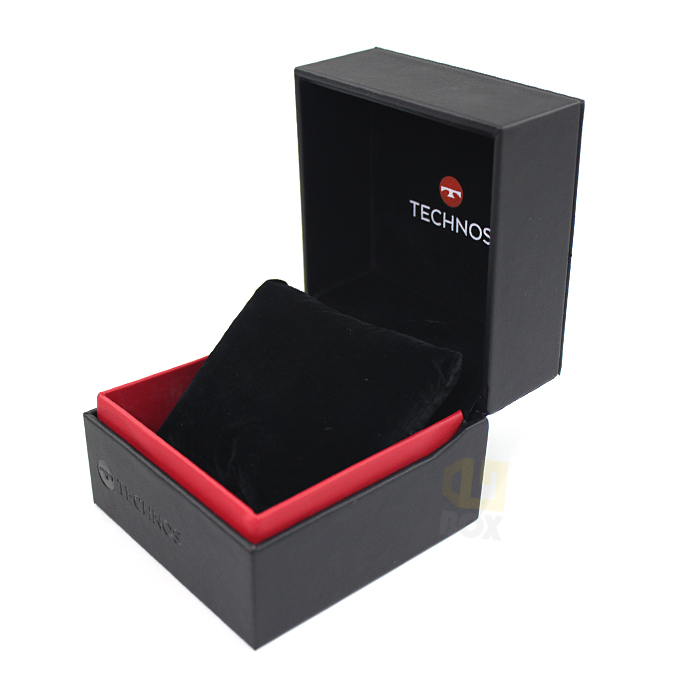
Align All Decisions With a Professional Packaging Solution
Luxury watch packaging can always be effective where all the aspects: structure, insert, finish, protection and cost will be seen as a single system component.
Disjointed decisions (design, and then ram at production) in nearly all cases lead to increase in cost, lead-time or variation in quality. Best results are achieved with initial partnership with which the entire process, including structural engineering, and ultimate QC is controlled.
Conclusion — The Right Packaging Supports the Watch, the Brand, and the Business
Packaging of luxury watches is successful when it incorporates the positioning of the brands, precision products, and operational in production and distribution.
The correct decision is not always the fanciest but that one that delivers performance at every level, such as creating first impressions by opening the box wrongly and safely to the actual customer when it is at the doorstep. When brand image, structural integrity, and practicality in manufacturing the watch are balanced, the packaging brings the overall experience of ownership to life, without ever taking away the limelight of the watch itself.