A lot of beauty companies spend a lot of money on packaging but still they are left with the result that is not in line with their price level, too complicated with their business or even are visually appealing to their customers and are not practical in terms of their sale channels. It is not often about budget or lack of creativity. In more cases, it is a misconception of what the right packaging is all about.
The appropriate cosmetic packaging is not only beauty but it also matches brand positioning, type of product and channels of distribution. The packaging must sustain the perception of the brand, the sales of the products, and the scale of operations. In cases where a packaging choice is determined by superficial design or copycat behavior by competitors the brand tends to spend more and gain less.
Why Cosmetic Packaging Is a Strategic Brand Decision
First conclusion: Cosmetic packaging is not a decoration layer- it is core brand and business decision.
Packaging as a brand touchpoint
In the case of most beauty products, packaging is the initial encounter of customers with the brand. Packaging predetermines the quality/price/brand values before one experiences texture, smells, or performance in their packaging.
First impression and perceived value
Perceived value is more dependent on packaging than most brands are even aware of. A fitting packaging decision can only be used to justify pricing, whereas one that does not fit may lead to suspicion, even when the product itself is performing well.
Packaging’s role in differentiation
In the flooded beauty markets, clarity is often a better way of differentiation than complexity. A packaging that speaks of who this product is to will perform better compared to a packaging that tries to impress everybody.
This is why many successful brands treat packaging as part of an overall cosmetic packaging strategy, working with custom cosmetic packaging boxes designed around brand intent rather than isolated design ideas.
Start With Your Brand Positioning
Conclusion first: The packaging decisions need to match where your brand is in the market and not where you want it to be.
Mass market vs premium
Mass-market brands also have the advantage of a clean and efficient packaging that is scalable and helps to control costs. Premium brands, however, tend to pay more by material, structure and finishing though only where the remaining brand experience backs this up.
Premium packaging but non-premium positioning poses the confusion and tension of the margin.
Indie vs established brands
The indie brands tend to be more liberated in terms of visual expression and less operational buffers. Too complicated packaging may pitch launches, swell MOQs, and put cash strain. Complexity is a bit easier to assimilate by an established brand- but still requires unity in product lines.
Price point alignment
The packaging price should be in line with retail pricing. The biggest trick is to act as a luxury brand and charge as a mid-market brand. Understanding budgeting considerations for cosmetic packaging early helps brands avoid this trap.
Choose Packaging Based on Product Type
Conclusion first: Product form prevails over design preference when it comes to packaging requirements.
Skincare bottles and jars
The packaging of skincare is commonly focused on the protection, hygiene and the clarity. External packaging must help in branding and ensure safety of primary containers such as glass bottles/jars in serums and creams.
Excessively bulky boxes on the normal skincare items tend to increase the price without enhancing the experience of the user.
Makeup palettes and compacts
Beauty products are high-contact and they are judged with the naked eye. The packaging has to be protecting and reachable. Internal fit, inserts and opening experience is important than external size.
Fragrance and glass packaging
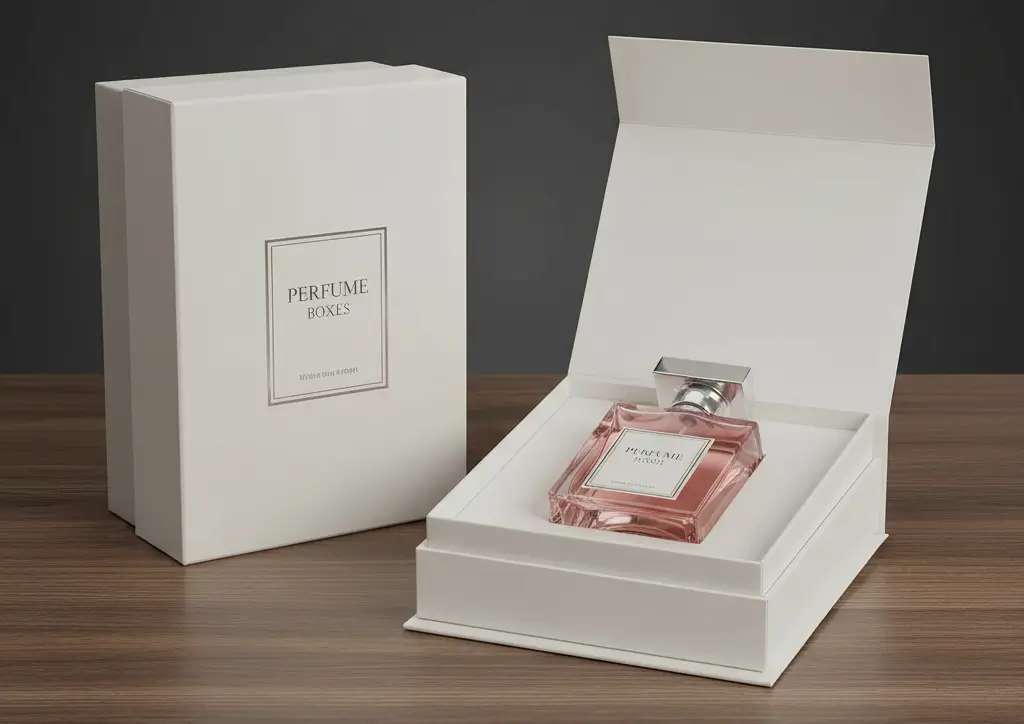
Fragrance packaging is more prone to breakage and more value perceived. The structural integrity and internal support are vital issues especially to shipping. Here, packaging design should put into consideration logistics at the earliest stage; not when the visual concepts have been achieved.
Packaging Structure Options for Cosmetic Brands
Conclusion first: The perception, as well as the practicality, depends on the structure of packaging.
Rigid boxes
Rigid boxes
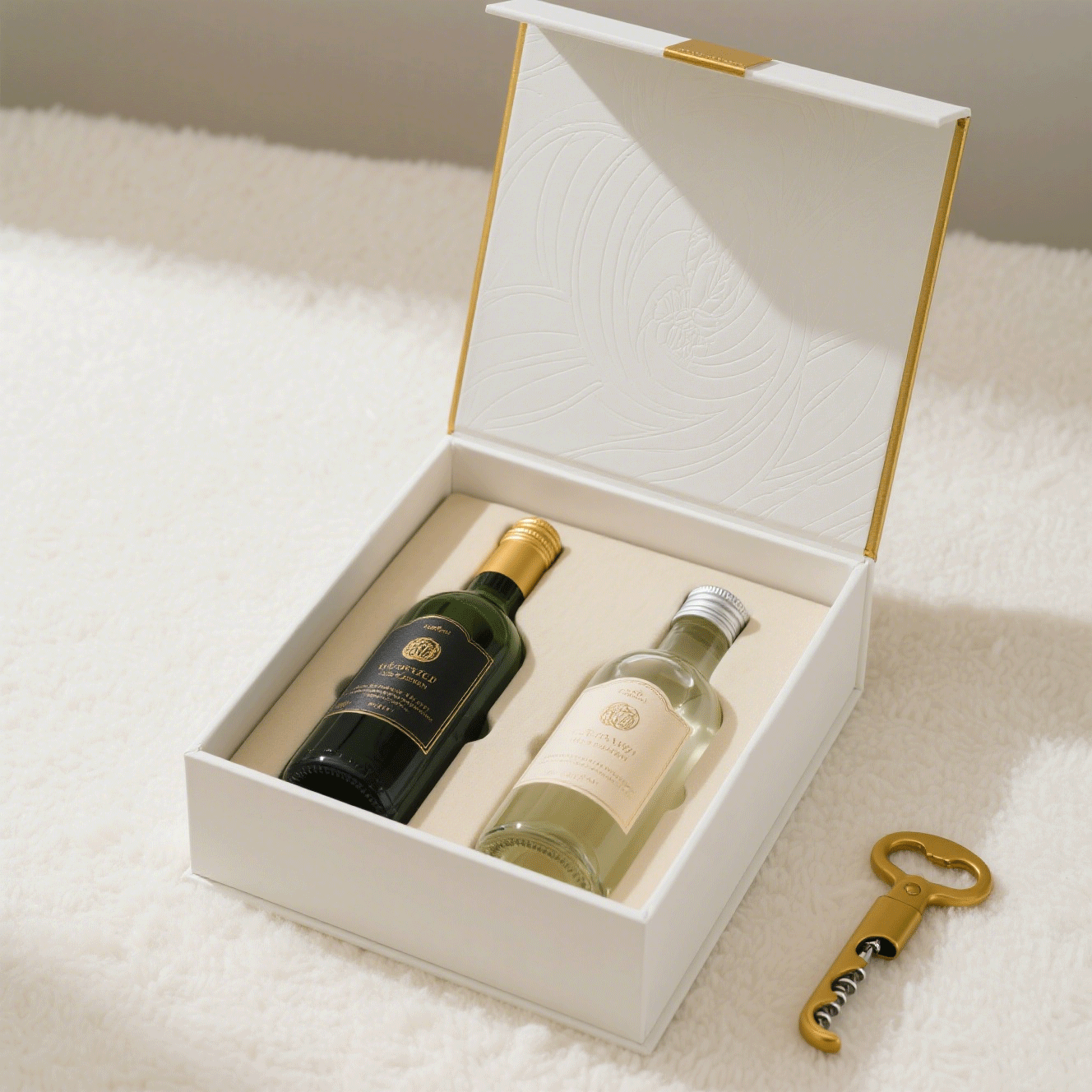
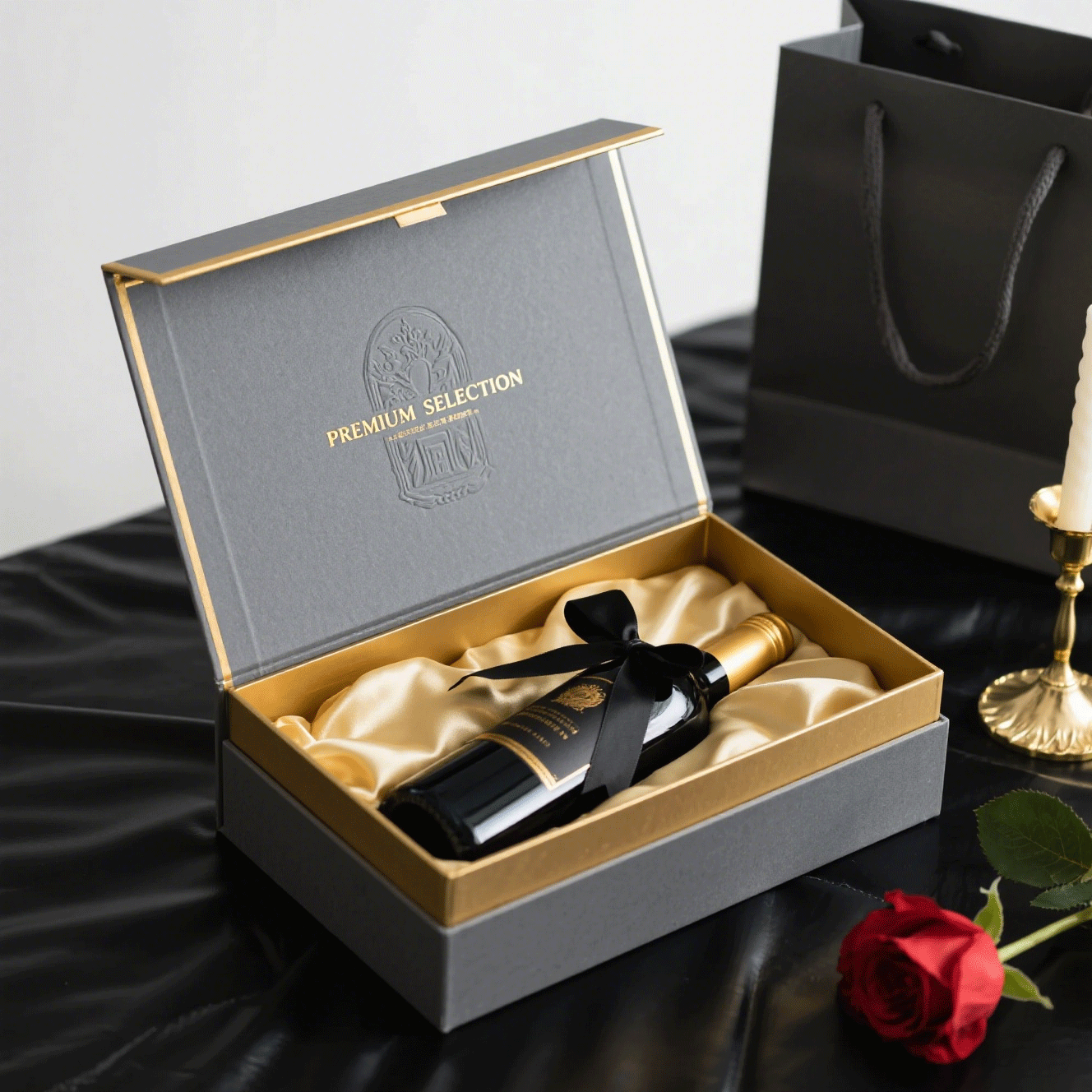
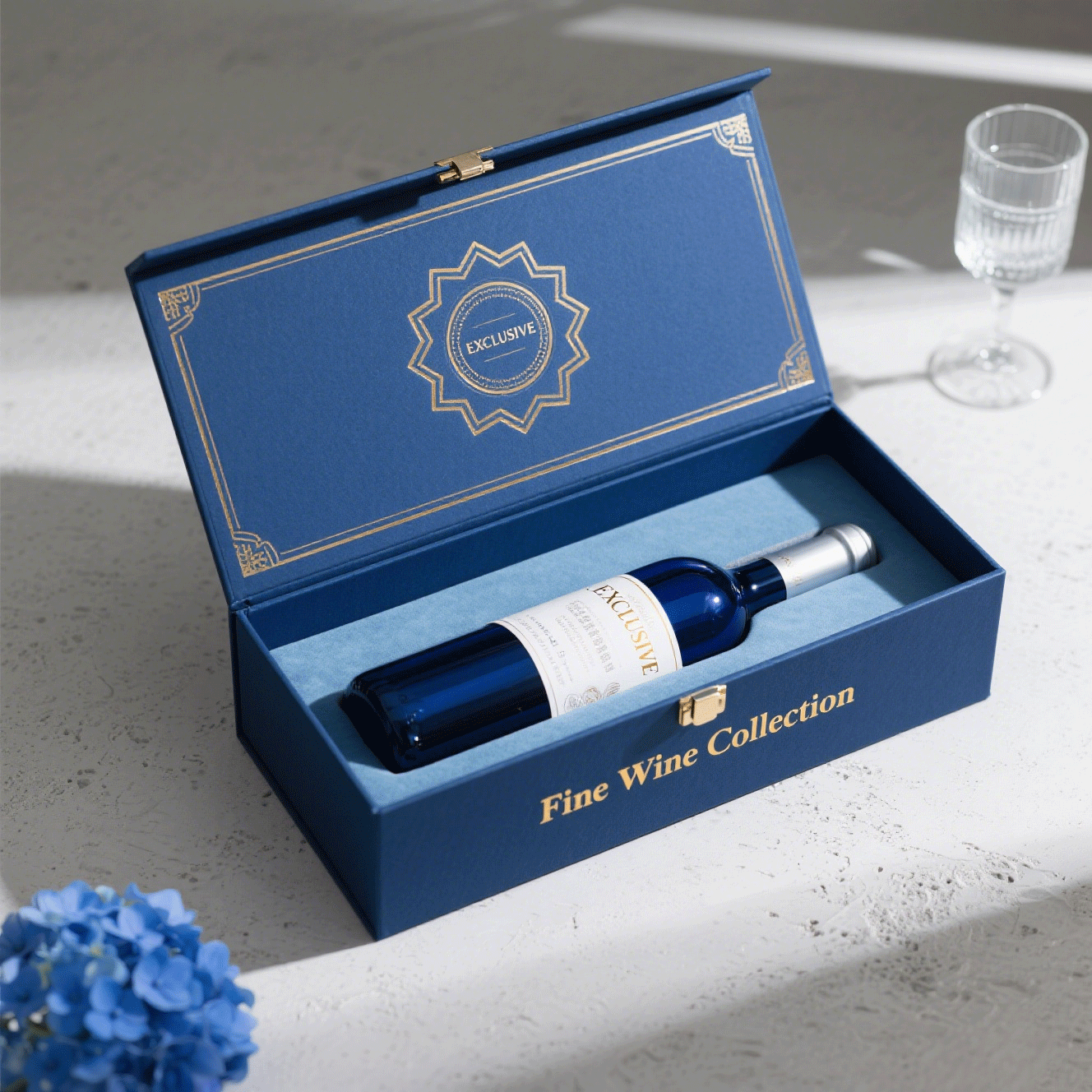
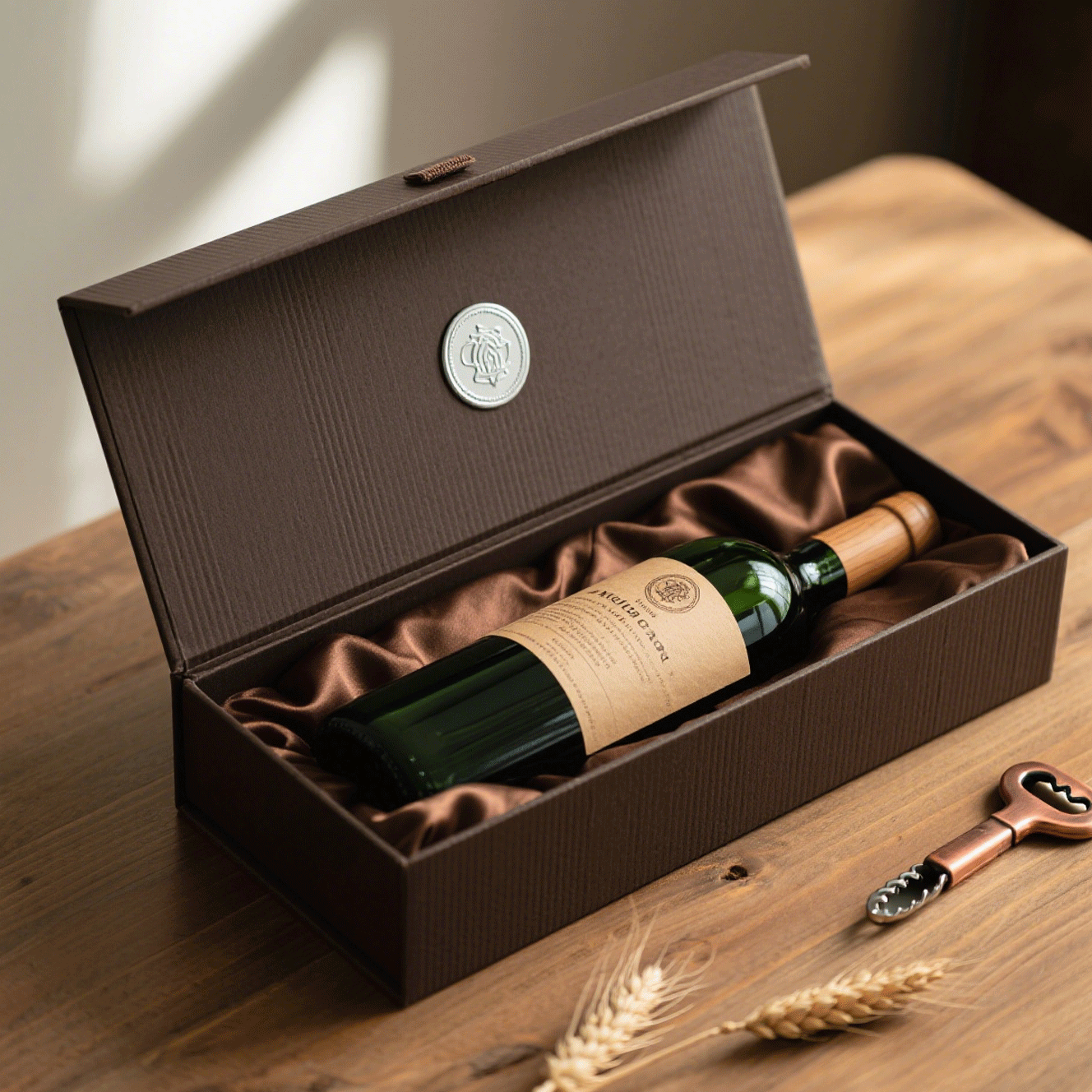
Rigid boxes indicate high-end positioning and are usually applied in gift sets, perfumes and creams. They are very good in terms of presentation and expensive in terms of storage volume and cycle of production.
Folding cartons
Folding cartons are flexible, cost effective and can be scaled. They are able to support mass positioning, as well as premium positioning, through printing and finishing instead of structure itself when designed well.
Choosing between these options requires understanding choosing the right packaging structure for cosmetics instead of defaulting to “luxury equals rigid box.”
Drawer and magnetic closure boxes
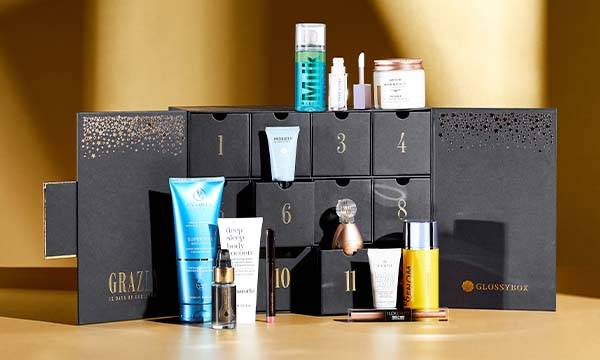
These structures improve the unboxing experience but ought to be employed in limited cases. They work best with small quantities or gift SKUs- not with high volume core products.

Balancing Design, Cost, and Production Reality
First conclusion: The most effective cosmetic packaging is one that balances ambition with the execution.
Foil stamping, embossing, and specialty coating add visual effect- but add cost, lead time and production risk. Brands need to consider which aspects actually reinforce brand recognition as opposed to those that complicate.
The knowledge of cosmetic packaging cost drivers would allow brands to focus on features that grow well as opposed to those that curtail expansion.
E-commerce vs Retail Packaging Considerations
Conclusion first: The package which performs well at the shelves may not perform in the shipping and vice versa.
Shipping durability
E-commerce packaging should be able to withstand parcel delivery, refunds and multi-touch. Retail display structures and materials that have been proven to be effective might need to be reinforced or modified to be used in the direct-to-consumer channels.
Shelf presentation
Retail packaging should make an impression in a short period of time and convey value in a few seconds. This tends to prefer simpler design and uniform size rather than elaborate buildings.
Recognizing packaging differences between e-commerce and retail cosmetics prevents brands from using one channel’s logic in the wrong context.
Sampling, MOQ, and Lead Time Planning
Conclusion first: the decisions on packaging must be sensitive to the realities of production.
When sampling is essential
Structure, fit, color and finishing are all proved by sampling. Failure to undertake this may result into expensive corrections in the future.
Planning for launch timelines
The lead times in packaging can have a major influence on the product launches. Companies that err in the sampling and production schedules frequently postponed the launching of the brands unnecessarily.
Being realistic about MOQ and lead time realities in cosmetic packaging allows brands to plan launches with confidence.
Common Cosmetic Packaging Mistakes Brands Make
Conclusion first: Majority of packaging failures occur due to misplaced priorities.
Overdesigning early-stage packaging
The startups tend to invest so much in packaging without testing product-market fit and by the time they do this, they have tied up the money in hard to modify inventory.
Ignoring channel differences
Applying the retailing logic to e-commerce results in the breakage, returns or cost waste.
Choosing suppliers too late
Product and brand should be developed together, not packaged at the very end of it.
Conclusion — Choosing Cosmetic Packaging With Brand Clarity
Good cosmetic packaging is based on clarity and not indulgence. The packaging decisions made by brands that clearly know their positioning, products, and channels do not complicate their growth.
When the brands meet the design ambition with practical implementation, the best cosmetic packaging decisions are achieved.