
The issue of packaging is rarely experienced in automotive manufacturing and distribution through the weak materials and low quality boxes. They are the manifestation of a larger problem of considering fundamentally different auto parts as having the same packaging requirements.
Automotive packaging is not concerned with selecting a strong box. It is an engineering choice which combines the characteristics of the parts, transportation conditions, frequency of handling and flow of the supply chain. Whenever one chooses the packaging without a clear understanding of the part itself, the probability of damage, inefficiency and unseen costs is nearly assured.
The correct automotive packaging begins with the realization of the part- not the box.
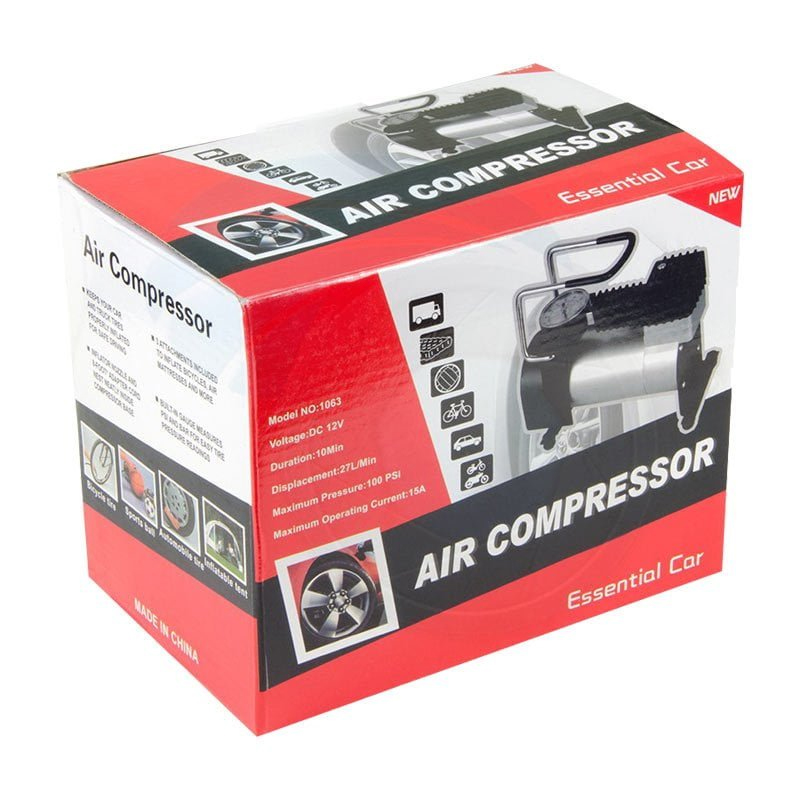
Why Automotive Packaging Must Be Part-Specific
Various auto components have a very different risk across the supply chain. A sensitive electronic sensor, a machined metal bracket, and a thick suspension part will not collapse in a similar manner- and hence should not be covered in a similar manner.
Standardized packaging can tend to produce:
- Babying that drives up price and retarding packing.
- Underprotection resulting in transit damage and returns.
- Ineffective pallet management and ineffective handling in the warehouse.
Quality packaging of cars must be considered a subset of the supply chain platform and not a side effect at the tail end of the production process.This is why many manufacturers move toward a more integrated approach using custom automotive packaging boxes designed around part geometry, logistics constraints, and operational realities.
Packaging for Fragile Automotive Components
Core takeaway: Weak auto parts must be packaged with movement control followed by cushioning.
The vulnerability of electronic parts like sensors, ECU, control modules, and camera units is not based on their weight but the fact that they are susceptible to shock, vibration, and the discharge of the static electricity.
Key risks
- Long-distance transport, Micro-vibration.
- Impact injury through uncontrolled movement.
- Electric discharge and contamination of surfaces.
Recommended packaging approach
Fragile component packaging needs to concentrate on positional stability. Custom inserts which hold the part in place are superior to the use of soft cushioning alone. Packaging designs must minimize the inside empty space and keep the orientation during shipping the same.
For manufacturers comparing insert options, understanding insert strategies for part protection is critical to balancing protection with cost and assembly efficiency.
Common mistakes
- Packing in excessively large boxes with an overfill.
- The assumption that softer is always safer is made.
- in electronics.
Packaging for Metal and Machined Automotive Parts
Core takeaway: Metal components also require packaging that does not cause abrasion, corrosion, and load shift–not impacts damage.
Machined brackets, housings, shafts and fasteners are structurally robust, but extremely susceptible to surface damages and corrosion, particularly when there is oil residue.
Weight and abrasion considerations
Metal components tend to spoil one another during transportation. The packaging should avoid contact of metal-on-metal by separating, wrapping or compartmentalizing.
Oil residue and corrosion risks
Leftover machining oils may either corrode paper based materials or leave a surface stain. Depending on the duration of transportation and the conditions of storage, corrosion protection, such as vapor inhibitors or barrier layers, can be required.
Structural packaging priorities
The conditions of loading and stacking must determine the strength of the packaging rather than the weight of the part. Selecting the right outer structure requires careful evaluation of choosing packaging structures for automotive parts to ensure compression resistance and pallet stability.
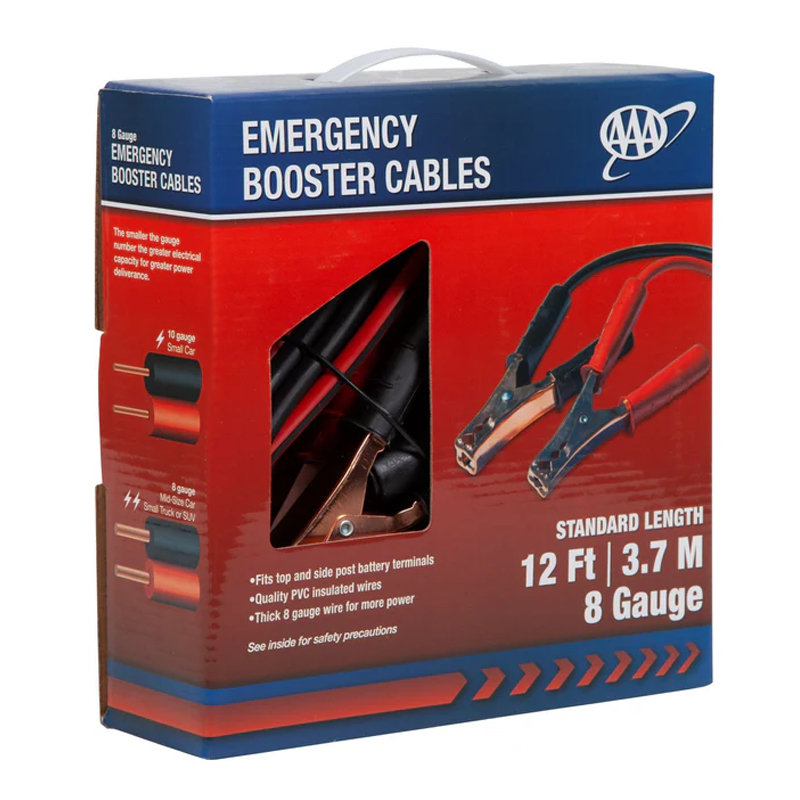
Packaging for Large or Heavy Automotive Parts
Core takeaway: Packaging used in transferring heavy parts and their safety in handling during transfer should be designed based on its intended purpose rather than on the aesthetics.
They can be seen in the form of brake assemblies, suspension arms, exhaust, and powertrain.
Load-bearing requirements
The weight that is transferred onto the pallets should be vertically instead of using the product itself. Control stacking patterns, internal bracing and reinforced base are critical.
Stackability and palletization
Low stackability will result in wastage of space, unreliable loads, and high transportation costs. Pallet footprints and container sizes should be used to design packaging.
Safety and handling considerations
Risks associated with manual handling explode with heavy components. Mechanically handled packaging minimizes the risk of injury, as well as increases throughput.
Packaging for Automotive Aftermarket Products
Core takeaway: The bottom line: Packaging aftermarket should strike a balance between protection and branding and shelf preparedness.
Compared to OEM packaging, aftermarket packaging can be exposed to shipping stress, as well as, retail presentation needs.
Branding vs protection balance
Often aftermarket products need printed packaging and labelling, and to be visually consistent. Nevertheless, aesthetics must never override security, particularly in online fulfilment set-ups.
Retail vs shipping considerations
Packaging used in retail has a tendency to focus on small size and display whereas shipping packaging will focus on durability. This conflict is addressed using dual-layer systems in many aftermarket brands.
OEM vs Aftermarket Packaging Decision Logic
There is a big difference in packaging decisions in both OEM and aftermarket supply chain.
Volume and consistency
OEM programs prefer standardized high repeat packaging. The aftermarket packaging has to be able to support SKU variation and reduce predictability.
Cost sensitivity
The decision making in OEM packaging is frequently one that maximizes long-term system cost, whereas the aftermarket decision making is based upon unit cost versus branding value.Understanding packaging differences between OEM and aftermarket parts helps avoid misaligned expectations.
Packaging standardization
OEM packing focuses on the efficiency of logistics and returnability. Flexibility and shelf compatibility are the priorities of aftermarket packaging.
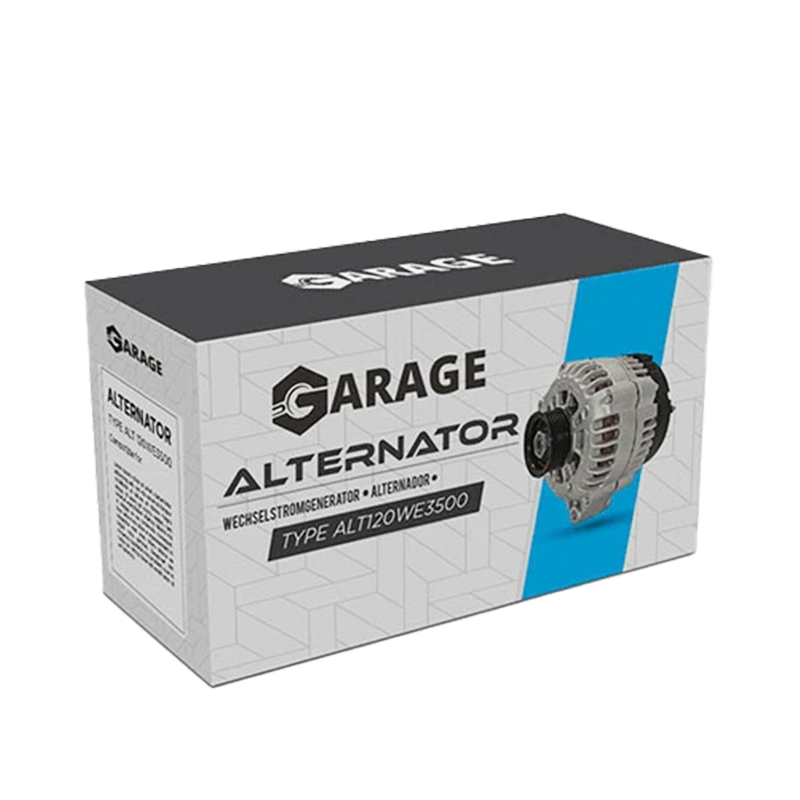
How Inserts and Cushioning Affect Automotive Packaging Performance
Core takeaway: Inserts must contain movement, not merely dissipate shock.
Various cushioning materials are used to various effects:
- EVA gives accuracy in positioning.
- EPE has adjustable shock absorption.
- Molded pulp helps to sustain and organize.
In cases where the inserts slug packing, raise cost or make it difficult to recycle yet do not enhance damage performance, then over-protection is an issue.
Common Automotive Packaging Mistakes Manufacturers Make
Choosing packaging too late
The decision on the type of packaging made upon the tooling and logistics planning are usually compromised and re-done.
Ignoring transportation method
The patterns of stress on air, sea and road transport are dissimilar. The packaging should be done based on actual routes rather than assumptions.
Designing packaging in isolation
The packages that have been designed without the involvement of the logistics, warehousing, and quality teams seldom work in real life.
Conclusion — Choosing Automotive Packaging With Engineering Logic
Automotive packaging is not a graphic choice, but an engineering choice, which is supported by the part, journey, and supply chain system.
Manufacturers that consider packaging as an operational aspect of the production and distribution system are always able to minimize damage, manage expenses, and enhance efficiency of operations.
Superior automotive packaging is established around the part, the trip as well as the system which is not merely the box.