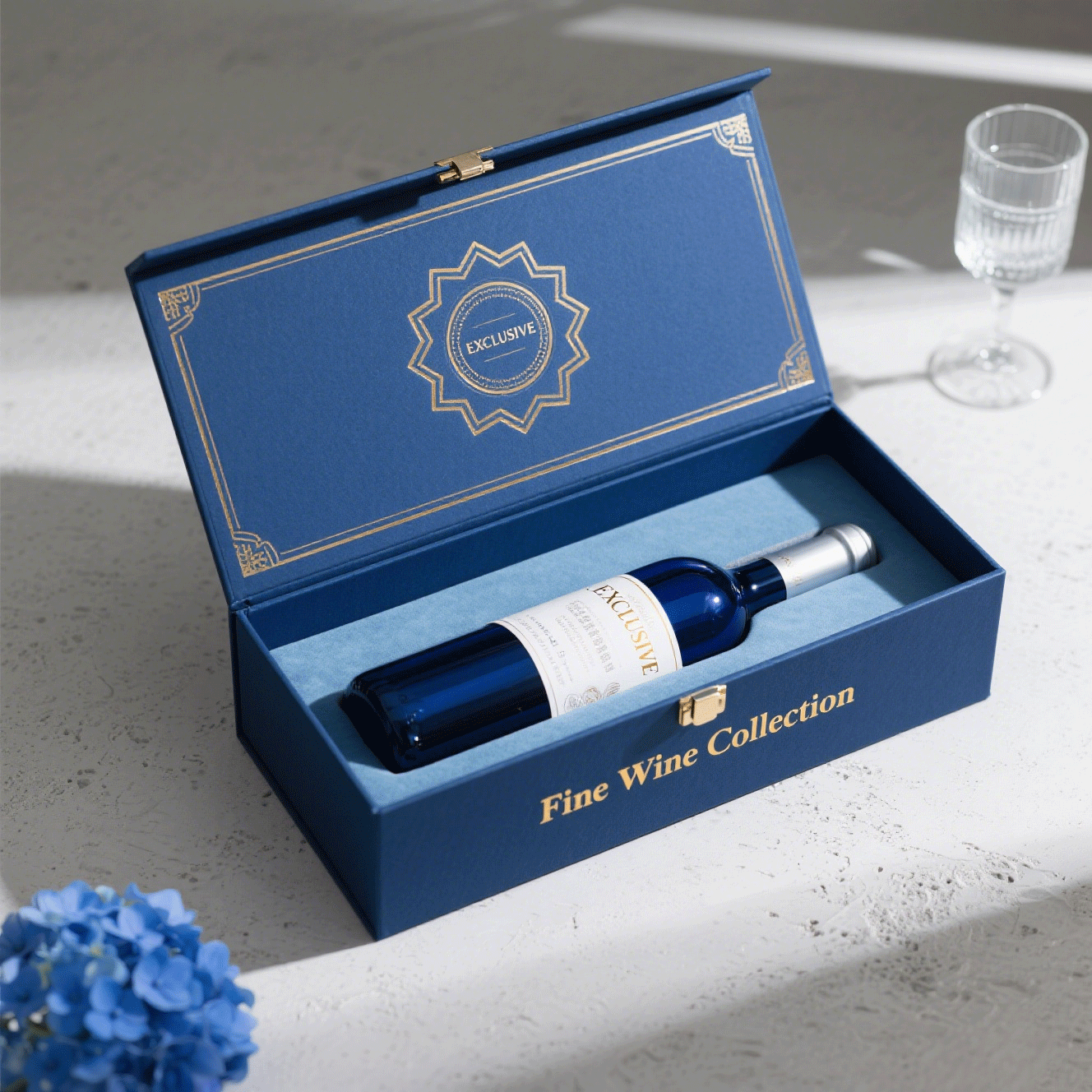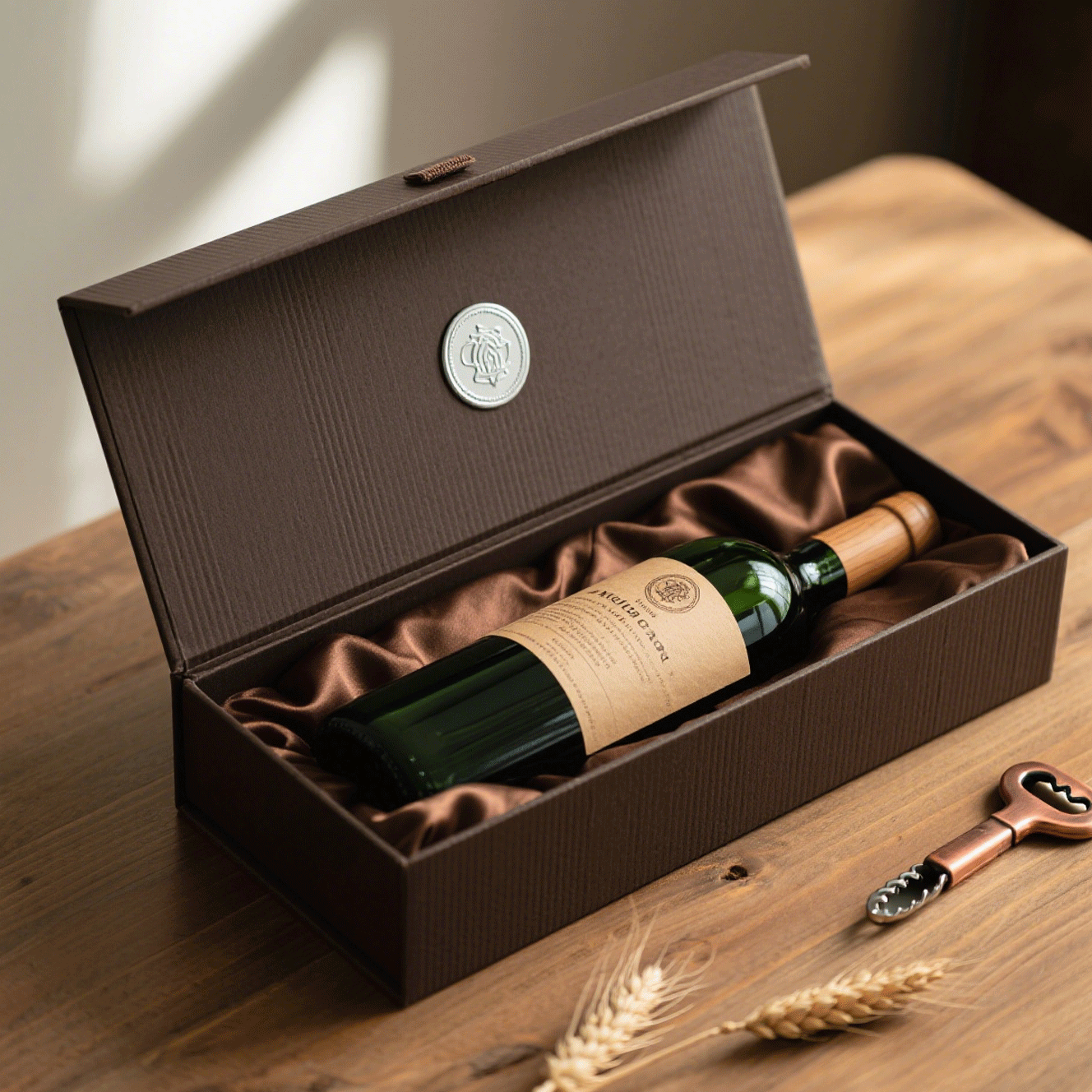
The first step in selecting the appropriate custom apparel packaging boxes is to evaluate the positioning of your brand, the places where you sell, product details and budget. First, establish the target market of your clothing line in luxury, premium, or mass-market segments because this determines box durability and appearance. Second, consider such things as rigid paperboard protection or cost-effective lighter folding carton. Include sustainability, like FSC-certified alternatives, and scalability of production with a manufacturer who is reliable. This is a key move within the clothing brands as packaging is what directly influences customer perception, i.e., envision unboxing experiences that create loyalty, as well as the protection of the goods during transit, and the overall cost control in the long-term. Making the wrong decision may result in spoiled products, increased returns, a weakened brand that seems cheap, or unwarranted costs due to bad designs. Selecting the appropriate custom apparel packaging boxes does not depend on appearance but rather on brand positioning, cost management and scalability.
Why Choosing the Right Apparel Packaging Matters for Clothing Brands
In a situation where a clothing brand is being proposed advisory packaging strategy, I will be able to inform you that the appropriate choice goes past protection; it enhances your brand story and operational effectiveness. To begin with, there is brand perception and unboxing. To most of your customers, particularly in e-commerce, the initial point of contact with your brand is the packaging. The box design will remind them of high-quality, which can result in a repeat buy and a post in social media. I have witnessed brands in which inappropriate packaging gave rise to the perception of inconsistency, which dissuades trust.
Other non-negotiables include protection during shipping. The clothes such as folded shirts, or small delicate fabrics require boxes that can resist compression, moisture, and other handling without introducing extra volume that would increase the logistics expenses. You may not get returns and may get negative reviews without proper protection and that may be detrimental to your bottom line.
Economies of scale are important to expanding brands. Over-engineered custom apparel packaging boxes that are over-engineered to meet simple requirements can cause an increase in per-unit costs, whereas under-specified ones will be wasted. Lastly, it depends on the brand positioning, luxury lines can use a more rigid system to communicate exclusivity, but mass-market brands will need to find lightweight, stackable solutions that are more efficient in volume. This is the right way to ensure sustainable growth without revisions.
Understand Your Brand Needs Before Choosing Packaging
Brand-specific needs Map out the unique needs of your brand prior to getting into an options mix, which can prove to be expensive as a result of not aligning well.
Brand Positioning (Luxury, Premium, Mass-Market)
Packaging sophistication is dependent on positioning. Lux brands might require their boxes to be strong, sturdy, and make a statement about high-value, such as magnetic closures to create a touchy unraveling. Premium segments compromise between aesthetics and functionality, whereas mass-market is based on affordability and simplicity. I have been working with founders that were using generic mailers and they switched to a design that would increase the perceived value without raiding the bank.
Sales Channels (E-Commerce vs Retail)
Durable and tamper-evident packaging is required in e-commerce as the goods are shipped roughly, but in retail, it is better to pack goods with the shelf in mind and with the ability to stack. In the case of online sales, it is better to think about boxes that can be used as display units when received. Retail might favor bold prints in-store.Incoming knowledge such as in the packaging of apparel in e-commerce versus retail apparel packaging for e-commerce vs retail will aid in effective tailoring of choices.
Product Type (Apparel Weight, Folding Method, Accessories)
Take into consideration specifics of goods: Dark jeans need better boxes than light shirts. The folding techniques influence the inner dimensions, and such accessories as tags or inserts need to be custom-made compartments. Unequal sizing may result in creasing or a moving, which will destroy products during transit.
Target Customer Expectations
Understand your customer–environmentally friendly millennials may be interested in recyclable products whereas high-end buyers would like high-quality finishes. Conforming to expectations boosts satisfaction and loyalty making the packaging a nuance marketing device.
Comparing Common Apparel Packaging Box Types
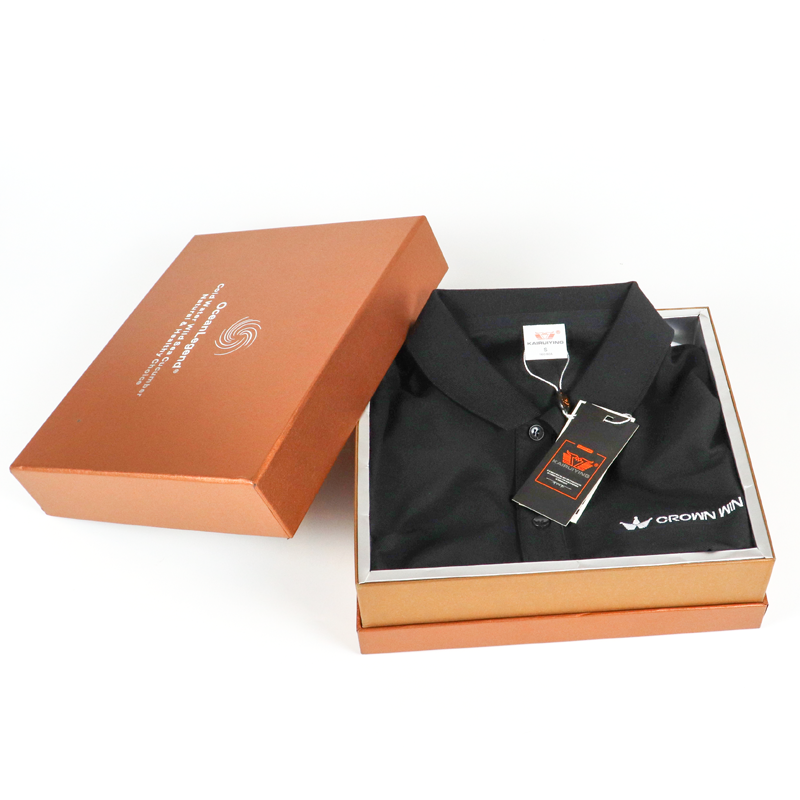
Consider protection, cost and appearance when considering structures.. A common debate is rigid boxes vs folding cartons for apparel packaging, in which case the rigidity presents a high quality of feel, but with a higher price.
Rigid Boxes for Premium Apparel
Rigid boxes are good protection and a high-end unboxing because they are made of thick chipboard and wrapped in paper. They are best used in high-end lines and can be crushed, as well as have complex finishes. Yet, they take up less space, and they fit lower volume/high margin brands.
Folding Cartons for Scalable Brands
These are merged collapsible lightweight and thus economical to mass produce. They are easy to ship since they are flat and can be scaled to operations and can be customised with prints. They can be used as daily wear, though might not be as durable as delicate objects.
Drawer Boxes and Magnetic Closure Boxes
Drawer styles have a sliding reveal which is useful in orderly presentation with inserts. Magnetic closures are also a source of security and style, which is typical of subscription boxes. Both add value and sophistication but become more complex and expensive.
Mailer Boxes for E-Commerce Apparel
Mailers are corrugated and should be designed to be shipped directly, and they have self-sealing features. They are good at e-commerce, reduction of risk of damage and can be branded inside-out to have memorable experiences.
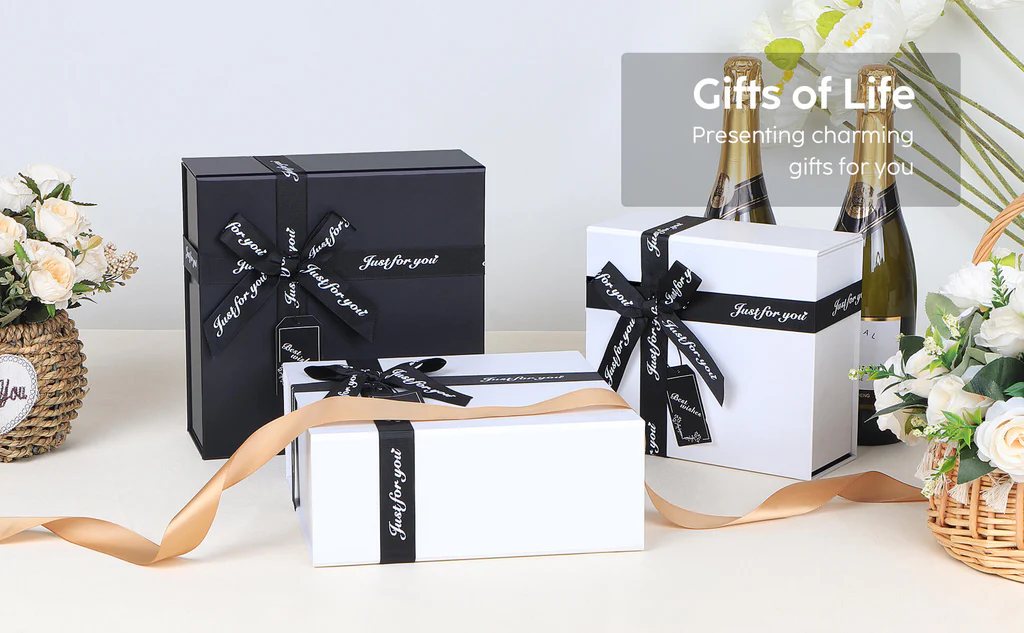
Materials and Finishes That Impact Quality and Cost
The selection of the material has a direct impact on the durability, the look, and prices of the personalized packaging of clothes.
Begin with the types of paperboard: virgin kraft or recycled, eco-friendliness or strength. Coated paper is glossy and print is vivid whereas uncoated has a matte natural appearance which is fingerprint free.
Laminates and other finishes, such as gloss or matte, resist scuffs. Foil stamping is used to add metallic accents to make it luxurious, embossing is used to give it a feeling and spot UV accentuates the things. These improve quality but increase costs like more finishes have the ability to increase production costs but shelf life.
Practically, a compromise is important: doing simple boxes better than needed will be a squandered budget, whereas doing them poorly will cause trouble during shipment.
Cost Considerations When Choosing Custom Apparel Packaging
In budgeting, it is necessary to have the major drivers, which are presented in what influences the cost of custom apparel packaging boxes.
Minimum Order Quantity (MOQ) influences the cost of units- volume decreases expenses through economies of scale, however, small volumes are applicable when the start-up is testing the design.
The complexity of box structure is also costly: simple folding cartons are cheaper than rigid type or magnetic as they require less material and labor.
Printing and finishing add a lot, with full-color CMYK standard, but it adds costs like foil. Use economical designs to reduce wastes.
The efficiency of shipping and storage is also important: flat-packable will save the logistics expenses, whereas bulky rigid boxes will consume more space in the warehouse. Include the total landed costs in order to budget them accurately.
Sustainability and Certifications in Apparel Packaging
Sustainability is becoming inevitable to fashion brands that are experiencing consumer and regulatory demands.
This is important in the sense that environmental-friendly packaging will be in line with brand values, which will lower environmental impact and attract conscientious consumers. In the clothing brands, it is able to stand out in a saturated market.
Consider packaging as an entirety: It is a gamble of protection, perception and efficiency sustainable apparel packaging materials.
To have something that offers complete guidance, consider the custom apparel packaging boxes that could be suggestive to your needs.To have products-defending, brand-enhancing, and business-expanding packaging, start with a well-considered apparel packaging solution to clothing brands FSC-certified packaging for apparel brands
Waste is reduced by recyclable and environmentally friendly choices including soy based inks. Weigh this against cost: first costs on green materials recover in terms of loyalty and compliance, but test scalability to prevent premiums that kill the margins.

Working With the Right Apparel Packaging Manufacturer
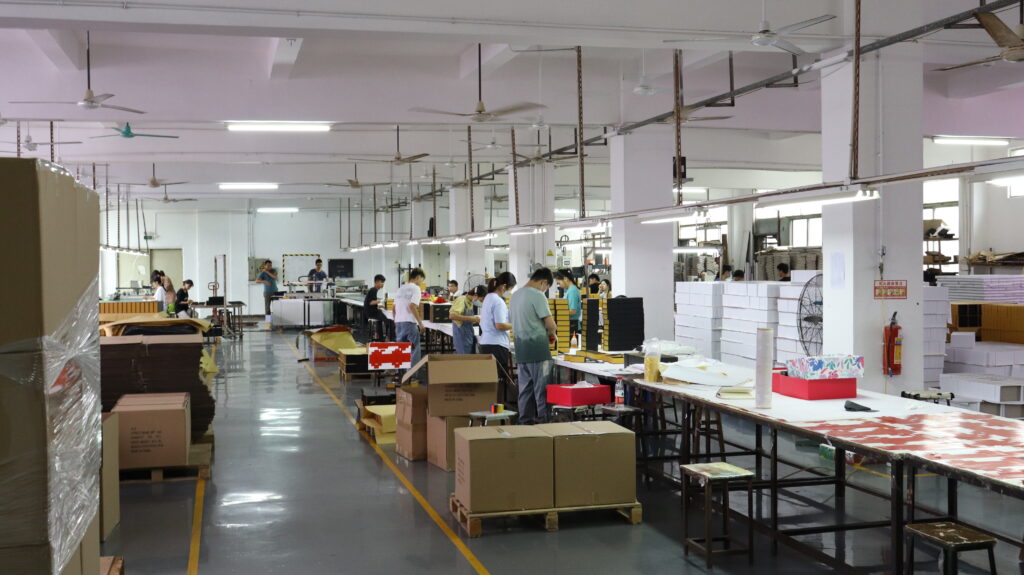
When teaming with a competent manufacturer, the whole process is made easier. Find internal manufacturing benefits, such as design-to-delivery, that would guarantee uniformity.
The control of quality is essential- multi stage inspection eliminates flaws. Such certifications as BSCI or ISO are indicators of reliability.
With sampling and prototyping, it is possible to test in the real world; demand rapid iterations.
Lead time management is used to maintain launches on schedule- the firms with good reputations provide predictable schedules.
Contact and individualization ability is important: a competent partner knows your vision, and is able to provide flexible solutions, starting with structural engineering and ending with finishes.
In my working with manufacturers, those have powerful OEM/ODM experience, their packaging easily scales.
Conclusion — How to Make the Right Apparel Packaging Decision
In order to make a decision, re-examine your brand requirements, box types and material, balance cost and benefit, focus on sustainability, and find a manufacturer that fits your objectives. Consider packaging as an entirety: It is a gamble of protection, perception and efficiency.To have something that offers complete guidance, explore custom apparel packaging boxes that could be suggestive to your needs.To have products-defending, brand-enhancing, and business-expanding packaging, start with a well-considered apparel packaging solution to clothing brands.