
Hot stamping and cold foiling use metallic foil on packaging surfaces to make them have a glossy look and high quality. They are however based on quite different production processes: one of which is heat and pressure-based, and the other adhesive and ultraviolet. Nor can either be universally superior, as the decision boils down to matching the technique to the level of design and volume of production, material compatibilities and durability requirements.
Cold foiling has been confused with many brands as an act of cheap knocking of hot stamping. Practically, the two methods are used to address different manufacturing requirements. The right foil finishing technique puts the complexity of design, volume of production, compatibility of the materials, and durability expectations in line.
What Is Hot Stamping in Packaging?
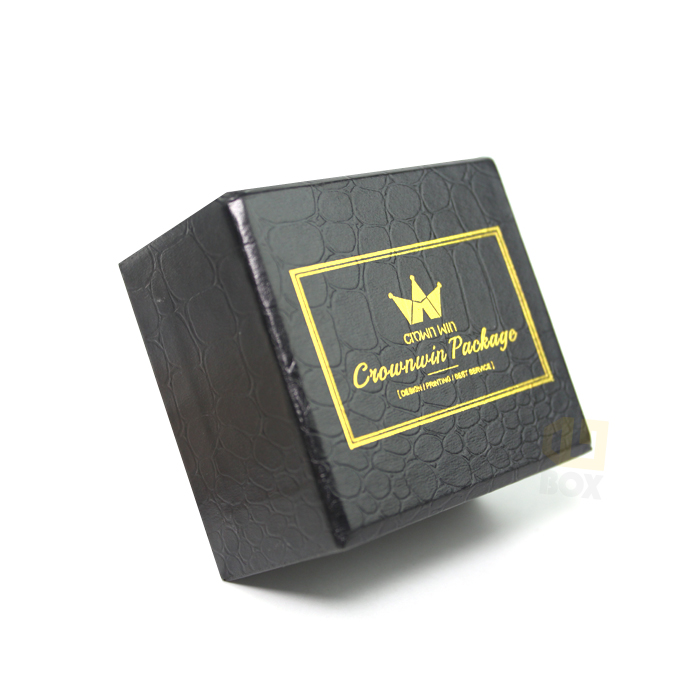
Hot stamping (synonymous with hot foil stamping or foil stamping packaging) provides one of the most exquisite metallic finishes, to a material especially on stiff gift boxes and high-end structures.
One of its variants involves heating a special metal die to about 100-150 o C and putting the substrate under pressure to transfer a thin layer of metallic foil to it on top of a carrier film. The heat causes one side of the foil to release a type of bonding, which is bonded and this makes the die emboss a distinct and slight texture on the foil.
Accurate tooling and production are required, but the effect is a sharp registration, extreme shine and outstanding adhesion.
| Aspect | Hot Stamping Characteristics |
| Process | Heat + pressure transfer |
| Tooling | Metal die required |
| Finish | Sharp, high-gloss metallic |
| Durability | High |
| Texture | Slight emboss effect |
| Best for | Luxury packaging |
Typical Applications in Luxury Packaging
Hot stamping is used on hard boxes that have magnetic closures or high-end folding cartons, where the depth of the touch adds perceived value. It is popular in the cosmetics, spirits and premium retail where shelf space and the experience of opening the box are the most important.
What Is Cold Foiling in Packaging?
Cold foiling (or cold foil packaging or metallic foil printing) is applied directly to an offset or flexo printing system, and therefore requires no offline preparation, so is economic at higher volumes.
This process removes a UV-curable adhesive in the required pattern with a regular printing plate. At this point, foil is pressed onto the sheet and after that, the adhesive is immediately cured using UV light, only where adhesive is present. The surplus foil can be removed easily.
No hot dies will result in a faster make-ready and reduced tooling costs, but without the emboss depth in the finish.
| Aspect | Cold Foiling Characteristics |
| Process | Adhesive + UV curing |
| Tooling | No heated die |
| Finish | Metallic but flatter |
| Scalability | High |
| Cost efficiency | Better at volume |
| Best for | Large-scale packaging |
When Cold Foiling Fits Best
This approach is outstanding on folding cartons or drawer box or e-commerce packages where speed and cost per unit are more important than optimum brilliance. It is especially handy when it is used in conjunction with other inline finish that are occasionally used such as spot UV.
Hot Stamping vs Cold Foiling: Core Differences
The selection between these foil techniques is not based on which appears shinier when used in isolation, it is based on the compatibility of the process with the actual production considerations such as run length, set up time and end use handling.
| Comparison Factor | Hot Stamping | Cold Foiling |
| Production method | Heat transfer | Adhesive transfer |
| Setup cost | Higher (dies) | Moderate |
| Detail precision | Excellent for logos | Better for fine patterns |
| Durability | Very high | Moderate |
| Speed | Slower | Faster |
| Texture | Slight depth | Flat finish |
| Best volume range | Small–medium | Medium–large |
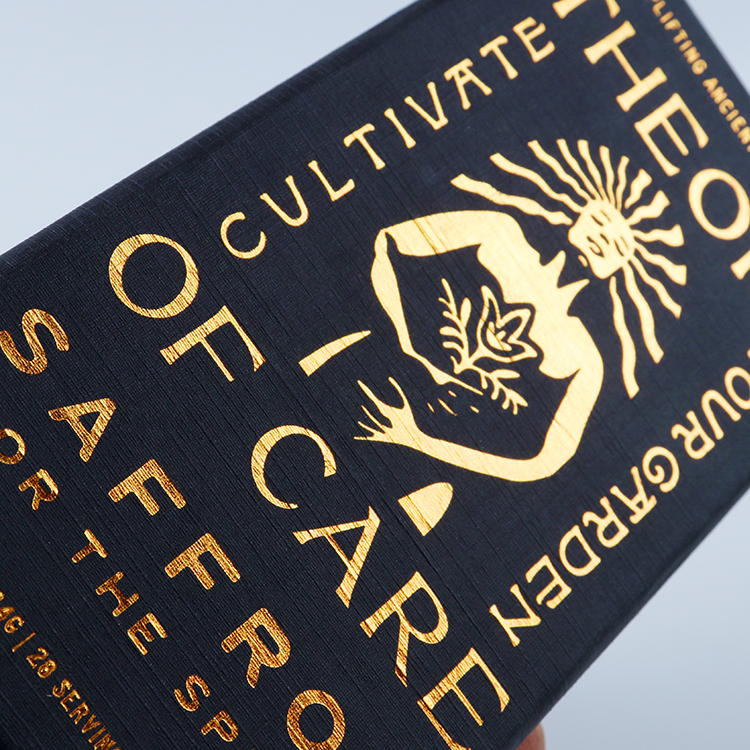
Hot stamping tends to prevail over complex logos on high-end rigid boxes, whereas cold foiling is significantly extended to a wider scope and can have more designs the bigger it is.
Cost Structure and Production Efficiency
Establishment expenses create a lot of the price disparity between these approaches. Hot stamping entails bespoke metal engraved dies (typically costing 200 800 and up each design), as well as make-ready hours of die mounting, heat testing, and indexing foils. Amortized over smaller to medium rates, these fixed costs render it cost effective.
Cold foiling does not involve die at all – the adhesive is placed on already existing printing plates and the process is run in-line. This minimizes initial tooling, and also minimizes turnaround with preference to a medium-to-large order, where unit efficiency is important.
The complexity of designs also has a significant effect: complex multi-color foils or high frequency changes prefer cold foiling, whereas vivid and large-scale logos on high-end structures remain the preserve of hot stamping.
Material Compatibility and Finishing Integration
The foil performance is much dependent on substrate selection, namely foil adhesion, shine uniformity, and foil-foil interactions (such as lamination).
Hot stamping will be consistently bonded to a broader variety of substrates, due to its heat activation, which forms very well on matte laminated board, or even somewhat rough papers.
Cold foiling requires a smoother and more homogenous substrate since adhesive absorption differs on more stocky substrates, which may lead to patchy coverage.
| Material Type | Hot Stamping | Cold Foiling |
| Matte laminated board | Excellent | Good |
| Gloss coated paper | Strong | Strong |
| Textured paper | Better adhesion | Variable |
| Soft-touch lamination | Premium result | Good |
They both can be used with spot UV or embossing, but hot stamping is more natural with debossing/embossing as a new tactile luxury.
Durability and Long-Term Performance
Durability does not mean how the foil will look like at first sight, but how resilient it is throughout the shipping and processing, stacking and usage by the consumer.
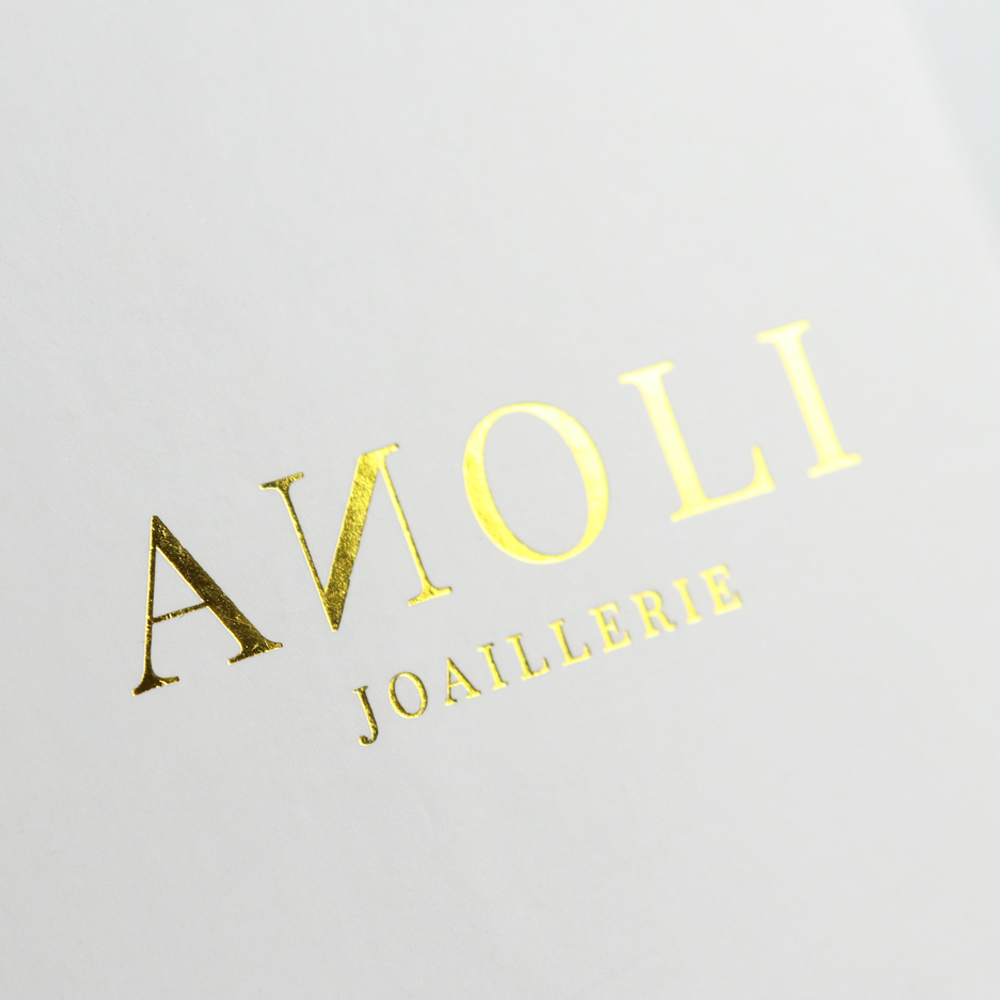
Hot stamping incorporates foil on a deep level through heat and pressure producing a high grade of scratch resistance and low likelihood of crackage or peeling despite abrasion or flexing.
Cold foiling is based on adhesive bonding, but this technology works successfully although it may experience edge lift-off or dulling more quickly in strenuous logistics (e.g., e-commerce parcels). Hot stamping is more resistant than over-lamination or varnish, and is typically used on luxury items which require high degrees of feel.
Hot stamping can be more durable in all-day preservation where the product is shipped worldwide or in retail selling settings with a high degree of movement.
Common Mistakes When Choosing Foil Techniques
- Choosing simply based on initial price without considering run volume a less-expensive cold foil system spikes the unit cost of individual short luxury production.
- Disregarding the production volume – coercing hot stamping of 50, 000 or more units wastes time and money in repeated die castings.
- Ignoring material compatibility When using cold foils with textured or absorbent stock, a weak adhesion results and makes it be rejected.
- Anticipating the same look and feel the flatter cold foil finish will never look the same as the embossed look on hot stamping no matter which design adjustments are made.
Conclusion — Foil Finishing Is a Production Strategy, Not a Decorative Choice
Hot stamping and cold foiling are both used in different capacities in the manufacturing of packaging. Hot stamping is best where the brand experience is defined by high quality texture, with regard to durability and small-to-medium runs. Cold foiling was also able to meet high volume and wider reach speed, scalability, and cost efficiency.
It is not just a matter of visual preference because the best option hinges upon structural design, volume of production and brand stability requirements. The foil approach comes into agreement with the realities of manufacturing to ensure uniformity of quality, controlled costs, and packaging that will work as expected between the factory and the shelf.