Meta Description: Learn the main distinctions between engraving vs embossing, the approaches of engraved designs and embossing. Discover the most appropriate technique to use on your project using our text that explains budget requirements, the overall lifetime, use, and all the rest.
Among many common methods introduced when it comes to the production of unique patterns and individual designs on various materials, there are two techniques, which can be identified as both engraving and embossing. When designing your own business cards or personalizing leather products, or branding metal items with unique branding marks, it is important to know which way is best to go and being able to work with the nuances of the two approaches is the key to making the necessary choice regarding your planned piece of work.
The two methods have distinct benefits and they can turn plain materials into single-handedly proficient-looking products. Yet, the design complexity and results delivered by the respective methods are quite different, the processes involved in them are different, as are the considerations on the cost, durability, and beauty of the result.
What is Engraving?

The engraving process involves how to remove material by means of cutting, carving, or etchings. Design engraving gives the creations unique depth they have as compared to embossing that adds a rise pattern. It is a technique that removes the material on the surface forming slits, lines or patterns that become inlaid permanently on the substrate.

Engraving today is also possible with the use of a cnc machine among a number of different techniques, including traditional hand engraving, rotary engraving, and laser engraving. Laser engraving involves the utilization of a high-powered laser beam to carve off a material on a surface. This technology has transformed the engraving industry to an extent where very detailed correct engraving work can be done which would otherwise be hard or even impossible with the traditional engraving technology.
Engraving is a great process that needs expert tools and proficient personnel for producing engraved designs , particularly in cases of elaborate designs. Engraving depth can be exactly controlled with everything in-between subtle surface decoration and deep dramatic cuts that produce great visual and tactile impressions.
What is Embossing?

The embossing process is an additive process that one applies on materials to form raised designs, as embossing offers a unique technique by pressing against it (bottom section) or applying pressure on both sides. In embossing a die set is applied to impress the design into your chosen material so that it is three dimensional and stands out of the surface.
EmbossingThis process involve custom designed dies or molds which are used to make corresponding designs. The dies are then stamped into the material with a lot of force so that the material is stamped into the shape of the die creating the raised pattern. It could be hot or cold processed depending upon the type of material, and the effect to get.
The less time consuming of the two techniques used to produce a marked design is embossing. This is its main attraction especially in large scale production runs or those projects that have tight deadlines like leather embossing leather belts. The process is particularly common in producing graceful, classy designs on paper products, leather crafts and on thin metal surfaces.
Key Differences Between Engraving and Embossing Differ

The major distinction between engraving and embossing is also in it fundamentals, the details embossing and way designs are created. Whereas engraving involves the removal of material, to form recessed patterns, embossing involves forming rotations so as to place the material in an advanced state compared with its initial face. The very essence of this difference influences all terms of the final product embossing and engraving.
Though both of the methods leave textured impressions, lines are produced more distinct in the case of engraving, whereas embossing gives the impression of a more delicate three-dimensional detail. Engraving usually has a much finer and detailed output and the edges are crisp, especially on leather whereas embossing gives the effect more natural-looking, flowy shapes and gentler curves and textures sheet metal.
There is a big difference also in the tactile experience of the two methods. Embossed designs are recessive to the touch forming a valley and groove that the finger is able to feel. Embossed work on the other hand uses raised surfaces that sit proud of the surface giving a varying, but equally unique tactile sensation.
Leather Embossing Material Considerations and Compatibility

Choice of material like paper is very important in deciding the method that would best suit your project across various industries . Engraving normally involves thicker materials because it leaves impression which is deeper as compared to related processes embossing remains. This is necessitated by the fact that there is a demand to have structural integrity even though material has been taken off the surface engraved style.

In order to engrave, those materials that are harder work out better: metals, dense plastics, and hardwoods are recommended. Common substrate used is aluminum which is light and strong. The cutting action should not cause the material to crack, chip and it should not deform.
Embossing also performs good with softer material which can be deformed by pressure without tearing or breaking. Embossing is well suited to paper, thin metals, leather and some plastics. The material should be malleable to fit in the shape of the die but strong enough to hold on to the new shape permanently.
Durability and Longevity Comparison

Engraving is usually more durable in terms of quality when decisions are made on long-term performance. The scratched or lasered image into your item will make it longer lasting in engraving. As design is physically put in the matter, such design gets integrated with the material and cannot be removed or eroded easily.
Because of the specifics of the technique, embossing may wear out or become damaged more easily than other materials like fabric. It is said that the embossed designs being raised are more vulnerable to wear by handling, environmental and general wear and tear.
Nevertheless, both methods are also very much dependent on the material utilized and on the quality of the work, as well as the upcoming use of the final product. Properly packaged and sheltered areas or well-handled items can have embossed designs that can last decades.
Cost Analysis and Budget Considerations
The financial aspects usually have a say in the decision of going with engraving or embossing. Engraving tends to be seen as costlier when compared to embossing since it requires special equipment and material, which adds to its striking level . Engraving is generally more expensive due to a number of factors that include the requirement of more advanced equipment, extra processing duration and in most cases more skilled better workers.
Embossing is usually more cost effective when used in large-run production because of high speed of processing the material and cheaper cost-per unit once the initial dies are made. Embossing equipment is expensive to install, especially on a more complicated pattern that would need custom made dies, although these are spread into larger runs.
Laser engraving might actually be cheaper when a small number or a single project is to be done as laser engraving does not need any custom tooling. Laser engraving systems can easily be prepared, switched between designs without requiring physical dies or molds.
Applications and Best Use Cases
Engraving versus embossing may well be decided by the actual purpose served or the aesthetic impression required. Engraving especially is proficient in areas that involve intricate designs, lettering high detail or permanency of mark, or industrial strength. Typical uses are nameplating in industry, engraving trophies, personalising jewelry and marking electronic components.
The Laser engraved products, to be specific, provide a more pronounced and noticeable degree of the detail which can be viewed as well as felt. That is why engraving is perfectly suited to cases, where somE fine details, tiny text or any other decorative pattern is needed.
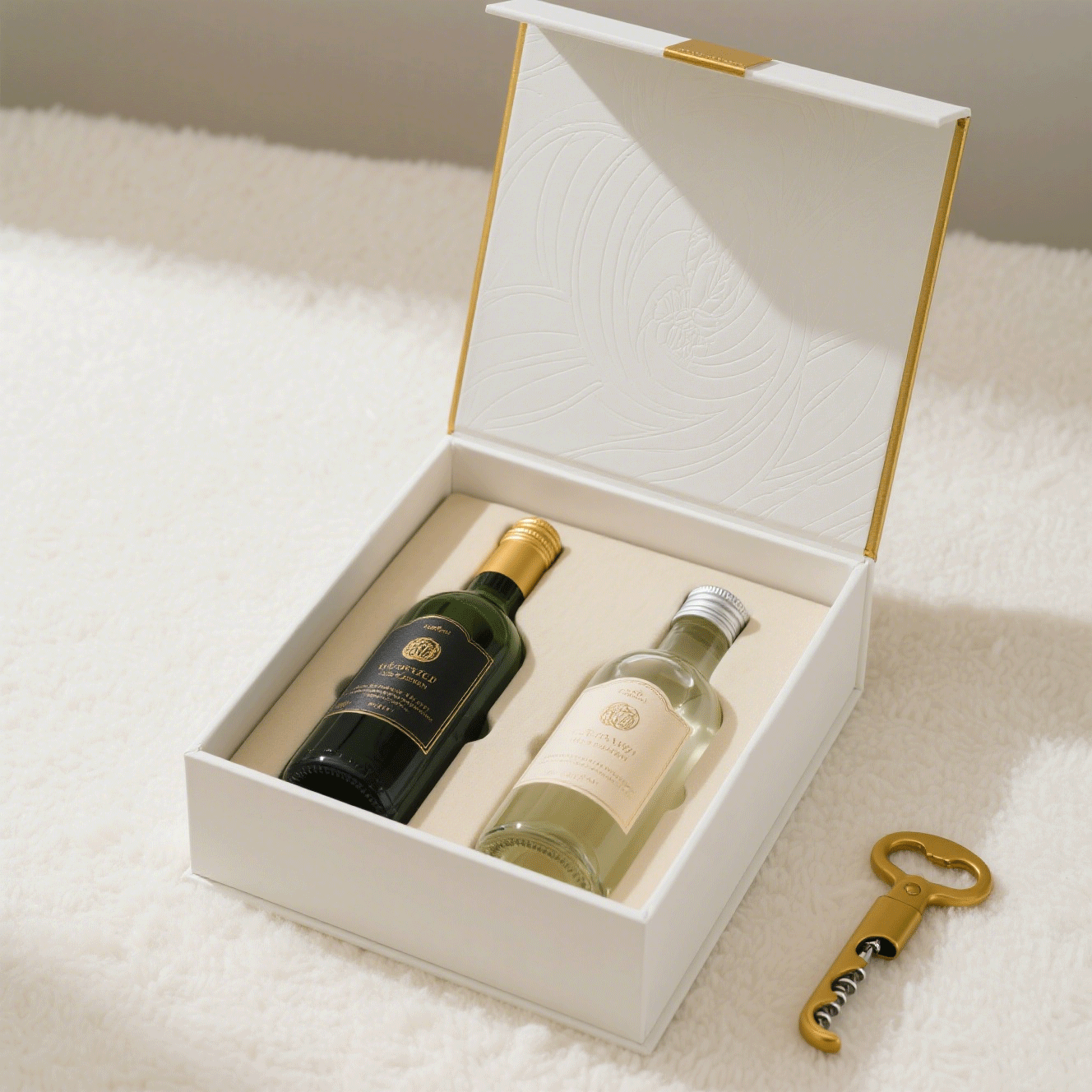
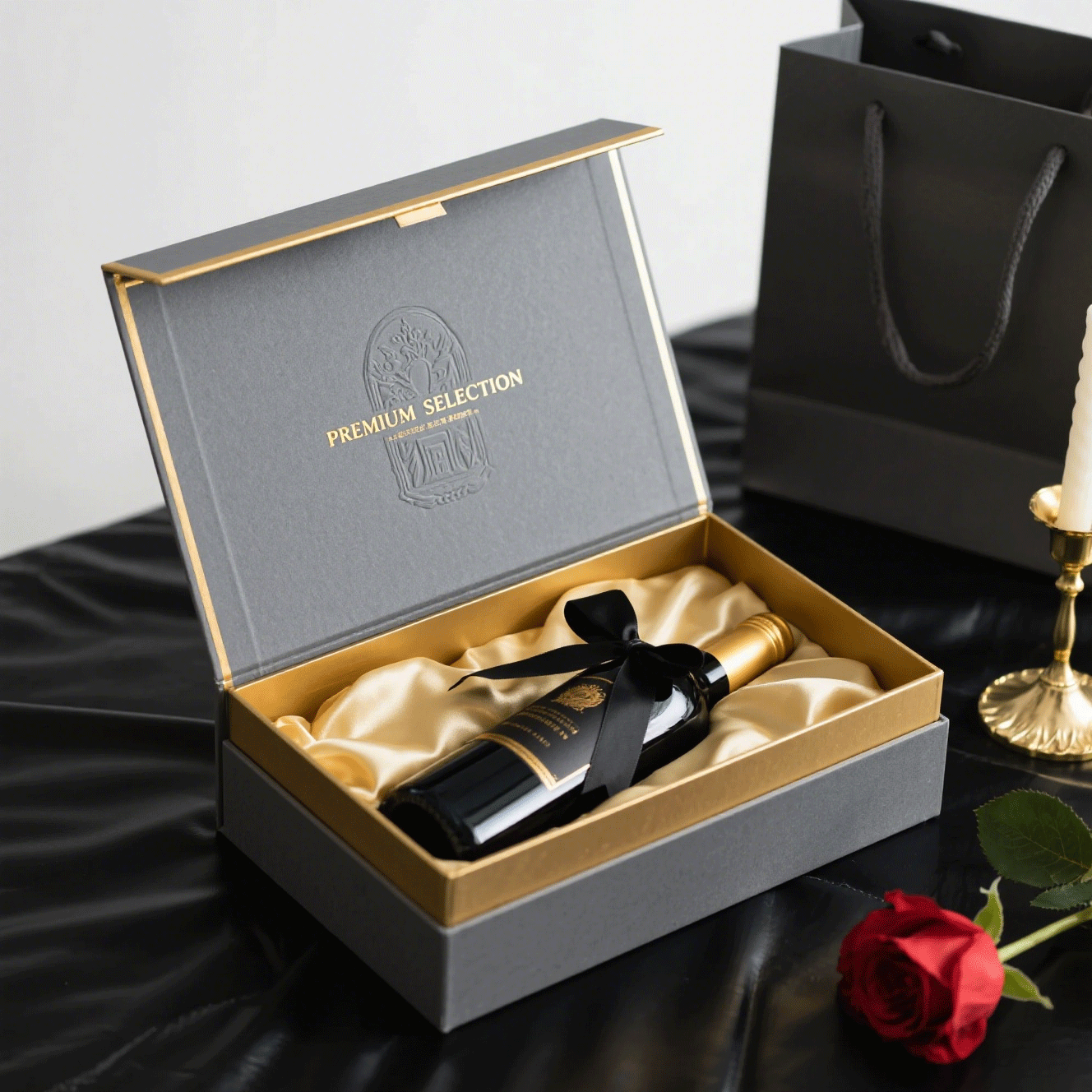
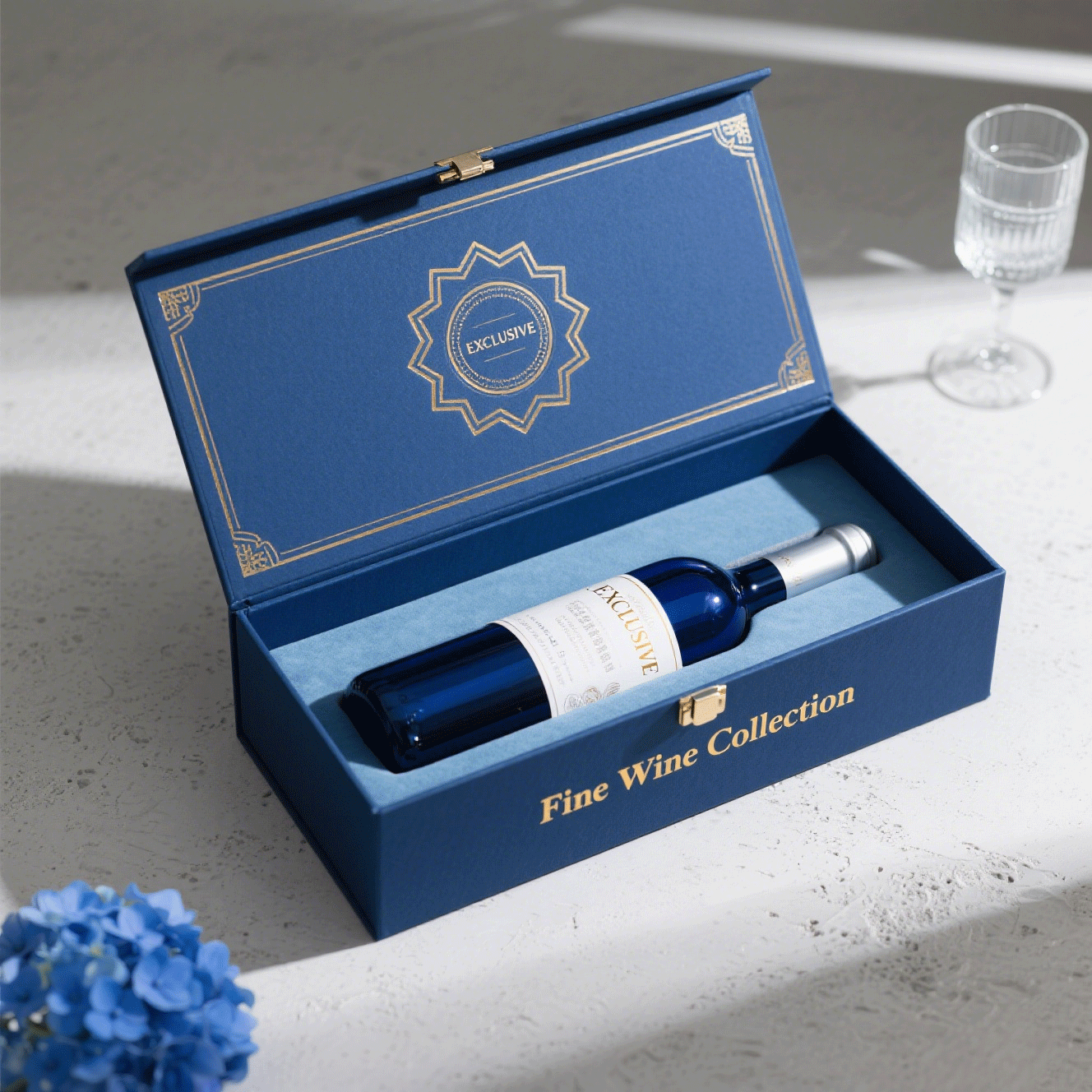
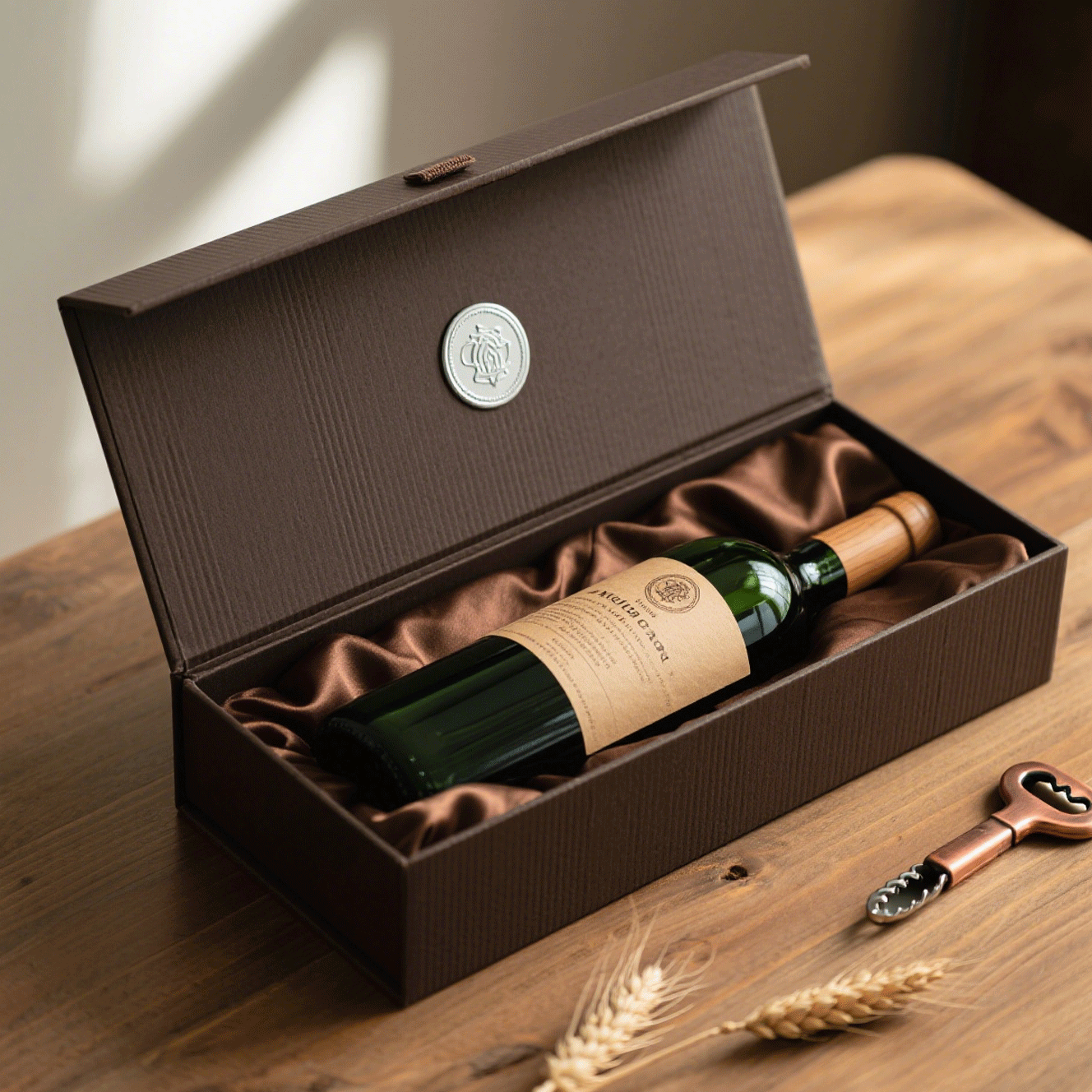
Embossing is especially useful in projects that require style, finesse and texture. Embossing can give products such as business cards, wedding invitations, book covers and even luxury packaging an elegant look. The application is also superb in generating textural applications and providing an eye appeal to an otherwise dull surface.
Conclusion
Knowing about the basic differences between engraving and embossing, will help you decide regarding your project. The engraving, as a marking production method is highly durable, precise and detailed, which makes it most suitable in functional uses and permanent branding. The method develops incorporated designs that compliment with the material panel gracefully and promises high results, which resist wear and damage due to the surroundings.