The more fitting option would be drawer box when it comes to clothing brands that are more concerned with high-quality unboxing and retailing display (like luxury lines where the sliding reveal is perceived to be of greater value) and mailer box when the shipping volume is focused more on the e-commerce-oriented business and requires a durable and lightweight shipping option without any superfluous volume. No superiority exists between the two as the drawer boxes are better at tactile and re-use, yet they are more expensive, whereas the mailer boxes are better at efficiency and large-volume distribution. The misunderstanding is usually provided by the fact that brands do not pay much attention to how these structures can be used to meet certain needs: a drawer system can be the best solution to a premium subscription box, yet it may also help to make even the simplest online purchases complicated. The correct men clothing package box is the box which sustains brand experience and business.
What Are Drawer Boxes in Clothing Packaging
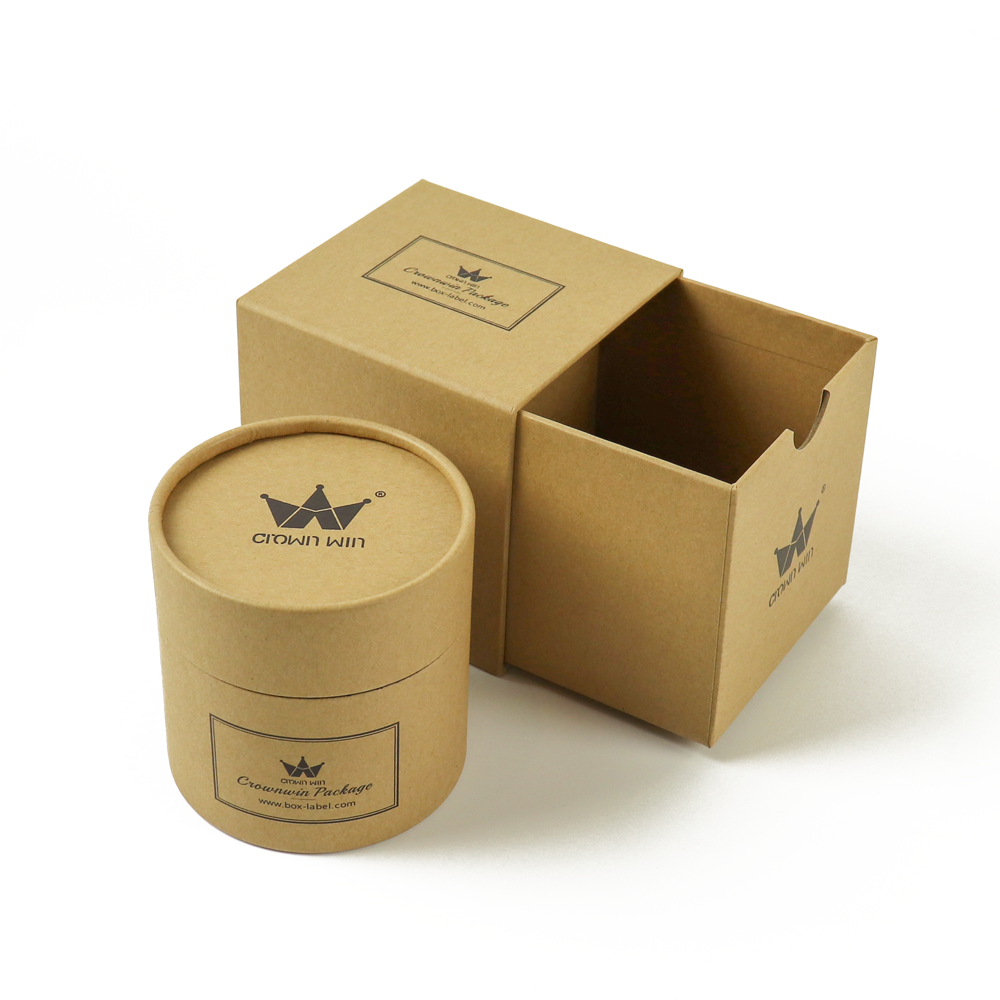
Drawer boxes are made up of an outer sleeve and an inner tray which slides out which is usually reinforced with rigid paperboard to make it stable. The frame usually has a pull-tab or finger notch in it, and can be easily opened, with custom inserts available to attach clothing in place.
Common applications include arranged display of folded items such as shirts or accessories, in which the drawer format allows stacking in layers without sliding. I have advised them in my advisory capacities to brands that have multiple item sets because they keep the items in order when handling them.
The influence on brand perception is less obvious yet important: the controlled unveil creates expectation, which is an indicator of attentiveness and quality, which is more acceptable in high-end segments but can be perceived as overengineered in regular use.
What Are Mailer Boxes for Clothing Brands
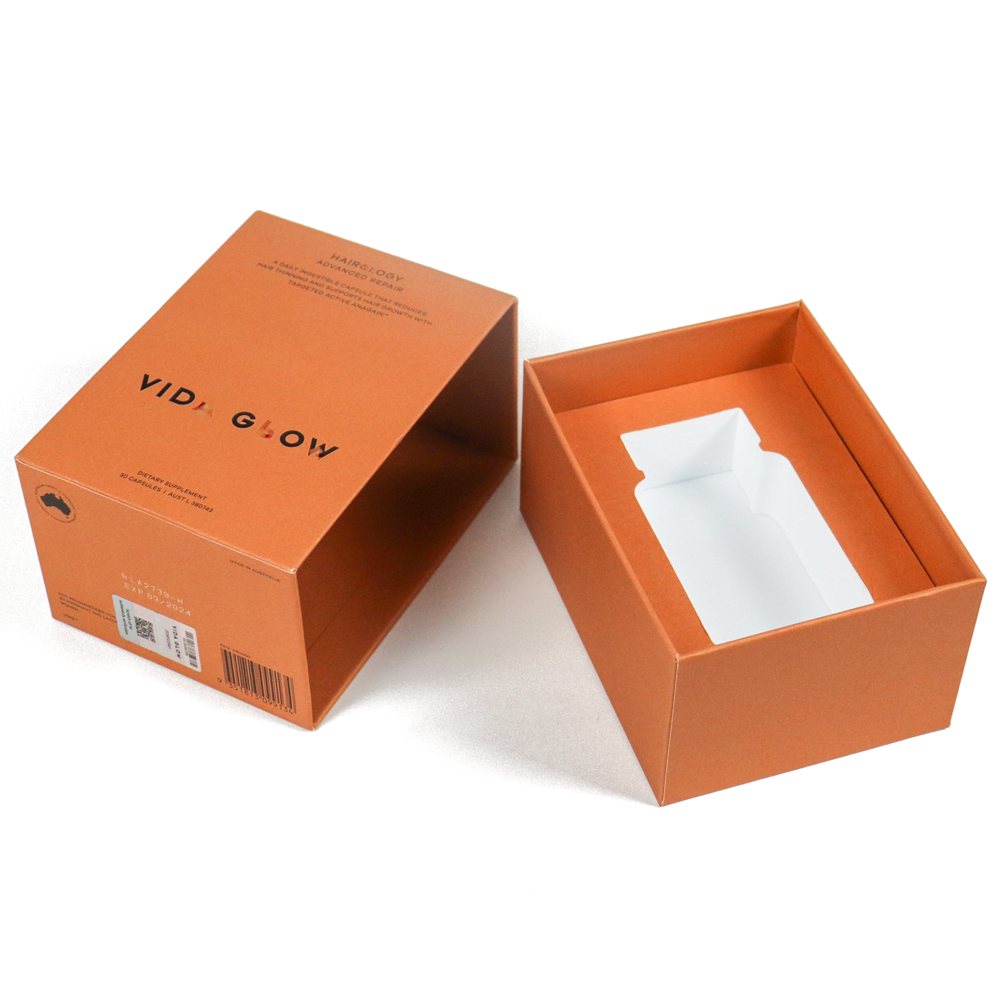
Mailer boxes are constructed of corrugated cardboard and have self-sealing flaps and are intended to be directly shipped, often with tear-strips to make it easy to open, and internal reinforcements to promote protection.
E-commerce packaging is also used in shipping light clothes such as tees or leggings where the box also serves as the shipper and brand, using few outer cartons. Their flat packability is appropriate in fulfillment centers.
Lightweight construction and stackability lead to shipping efficiency, which help lower dimensional weight charges, which are important when the brand quantity is high online as I have observed in partnerships where it saves 15-20% of the logistics.
Brand Experience — Drawer Boxes vs Mailer Boxes
The apparel packaging structure comparison shows that there is a significant difference in brand experience across these options.
Unboxing experience: The experience of opening drawer box contains a deliberate engagement pull, which is reminiscent of custom-made, which works well to create a memorable experience during subscription or gift-giving processes. The use of mailer boxes that are easy to tear off puts convenience over drama to address the fast-paced online deliveries.
Perceived value: Drawers express high-quality craftsmanship with the tact of its solidness, taking mid-range apparel, and mailers with their usefulness are more concerned with an image of professionalism, without exaggeration.
Reusability: designs of drawers promote a reuse of storage because of its durable construction, which extends interaction with the brand, whereas mailers are more disposable, but recyclable alternatives would fit eco-conscious consumers.
Cost and Production Differences
Prices depend on the complexity and drawers generally cost more because they are assembled in multiple parts.
Usage of materials: It involves the use of the thicker board as the sleeve and tray, glues or magnets, which raise the raw costs by 20-30. Mailers are made of the lighter corrugate and favor volume.
Assembly needs: Drawers can require manual assembly to fit correctly, so adding labor is required, semi-automated to keep it cost-effective to mailers.
MOQ and scalability: Econonomies require 500-1,000 units to start, which is restrictive to small runs; mailers can go up to 100, which suits growth stages.. For deeper apparel packaging cost factors, consider how these influence budgeting.
In broader clothing packaging decisions, exploring apparel packaging solutions for clothing brands clothing packaging decisions to combine either structure into a unified system.
Logistics and Shipping Considerations
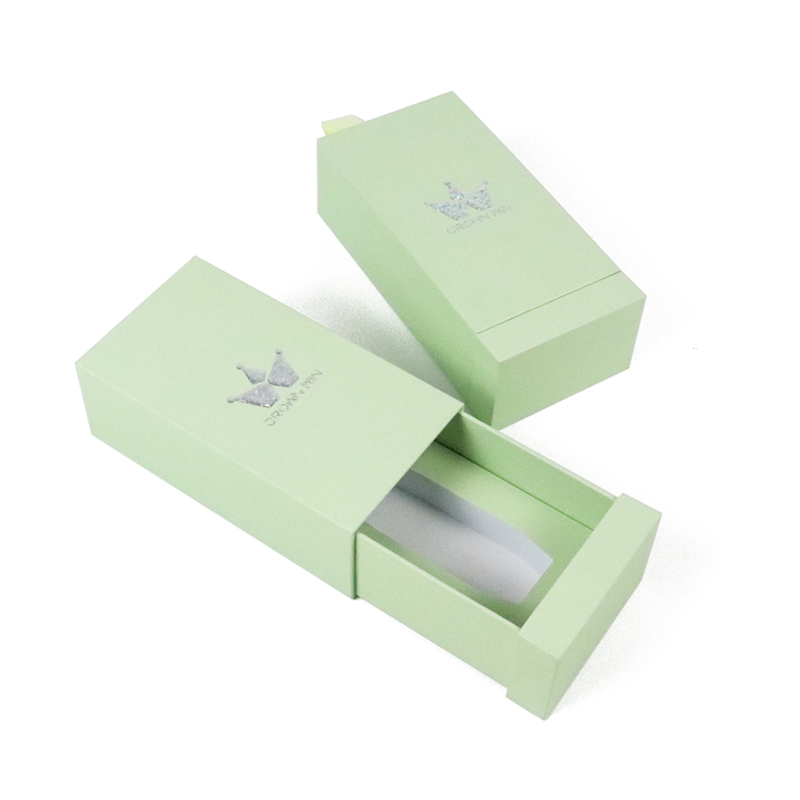
Logistics indicate factual dissimilarities of drawer boxes and mailer boxes.
Storage efficiency: Mailers store and ship flat, where the warehouse space would be minimized because the drawers would arrive half-assembled, requiring more space and increasing overheads.
Protection during shipping: Mailers corrugate cushions blunt force during shipping to limit harm to clothes, and drawers can provide security on the inside, but might require protection on the outside, which makes e-commerce challenging.
Damage risk: The strict the shape of the drawers withstands crushing during the retail process, whereas the mailers can cope with harsh carrier routes.For channel insights, review e-commerce vs retail apparel packaging, as online favors mailers’ resilience.
Sustainability Comparison Between Drawer and Mailer Boxes
Sustainability considers material decisions and lifecycle.
Efficiency in materials: Mailers use less board per unit and frequently recycled corrugate, reduce footprint; drawers require more to be rigid, but may use ФSC paper.
Recyclability: both are made of paper and are recyclable, but the glues or liners of the drawers can make the processing more difficult, although mailers are simple to do so.
Reduction in waste: Flat mailers eliminate shipping waste; drawers encourage reuse, which counteracts the effect of production. For eco-friendly apparel packaging materials, test blends to enhance either.
Which Box Type Fits Different Clothing Brand Scenarios
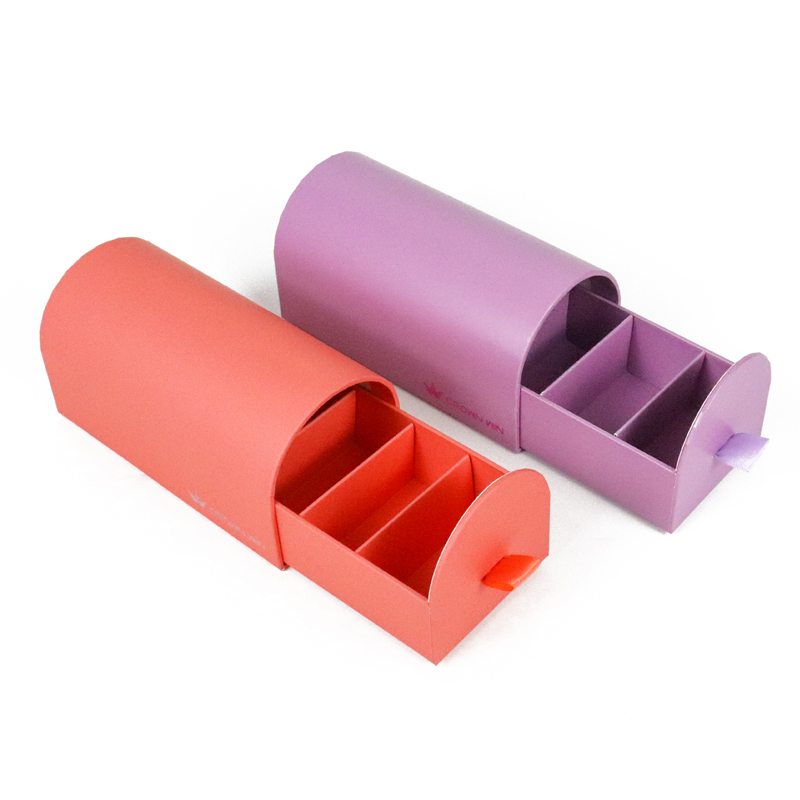
Better fit in the comparison of the apparel packaging structure is determined by scenarios.
Premium and luxury brands are more inclined to drawers as the elegant unveil, which corresponds to items with high margin such as in the concepts of the luxury apparel packaging design ideas.
DTC and e-commerce brands are comfortable with mailers to ship easily, to handle volume bursts without incurring additional expenses.
Hybrid channel brands may have both: in-store drawers and online mailers, which will provide consistency and efficiency in terms of use.
How to Choose Between Drawer Boxes and Mailer Boxes
Making decisions demands a sense of moderation.
Budget alignment: Favors mailers in case costs are more than 10% of product value; draws in higher end lines.
Brand positioning: Drawers are aspirational; mailers functional and reachable images.
Operational preparedness: assess compliance mailers automate, drawers are manually handled.
Conclusion — Choosing Packaging Structure With Intent
There is no single box type in the clothing packaging; from experiential richness to logistical comfort, drawers and mailers fulfill different priorities. Brands win and thrive by aligning structure with their realities and not following fads that are not in their favour. The mailer boxes and drawer boxes address various issues, and the correct solution to the problem is a matter of the requirements of your brand.