
The problem with vape brands is that too many fall to the same box design both on disposable vapes and cartridges as they imagine that the two products will share logic in terms of their functionality and size. Practically, however, disposable vapes and vape cartridges have entirely different physical appearances: different sizes, weights, sensitivity, and patterns of use, which require entirely different designs of a package. Their lumping usually results in inappropriate security, increasing the level of damages in transit, violation of compliance, and ineffectiveness in the operations of retail and logistics.
Choosing the correct packaging structure for disposable vape packaging versus vape cartridge packaging is essential for protection, compliance, and long-term packaging consistency.Structurally, manufacturing choices are not initially regarding how appealing or how intense the brand is; they are motivated by the behaviors of the product under chain of supply and in the operation context.
How Product Form Factor Drives Packaging Structure
Any structural decision must begin with the inherent nature of the product as this determines the risks of movement, the impact vulnerability and general containment requirements.
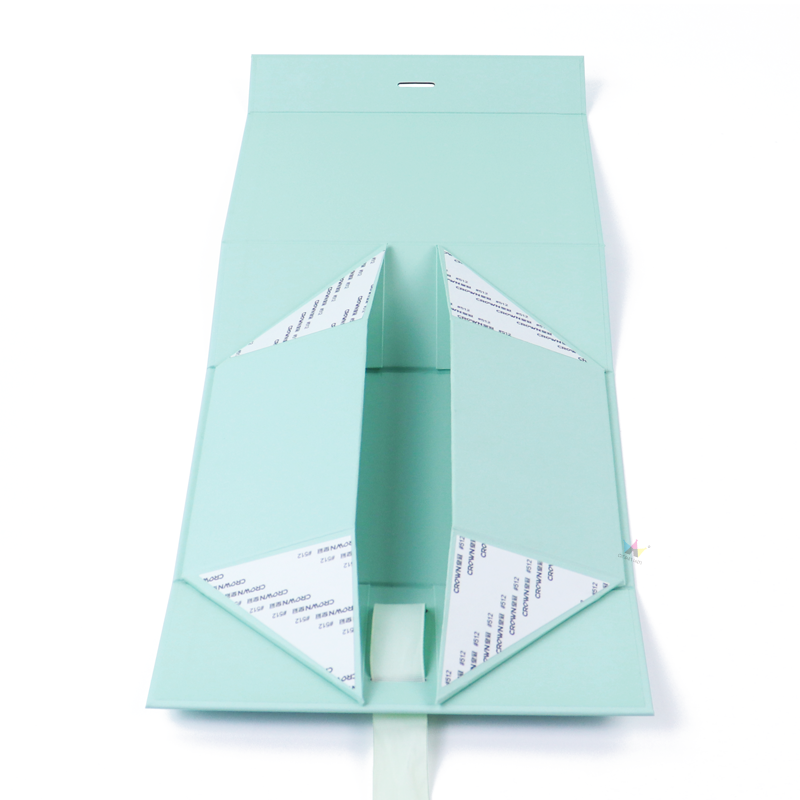
Disposable vapes are usually single, all-in-one with their battery, coil and reservoir. They are lengthy (mostly 100150 mm long), cylindrical or rectangle shaped and fairly strong due to their plastic casing. Compared to cartons, cartridges are much smaller (typically 5080 mm long), lighter and much more fragile-most have glasstank or ceramic tanks which can fracture at the slightest pressure or when fitted badly.
The internal movement risks are also quite different: the disposable is less prone to leakages and can withstand a slight effect of movement, whereas cartridges require almost zero movement to avoid a leak or break-even.
| Product Factor | Disposable Vape | Vape Cartridge |
| Form | One-piece device | Separate cartridge |
| Fragility | Moderate (plastic housing) | High (glass/ceramic tank) |
| Leakage risk | Lower | Higher |
| Replacement cycle | Short-term (disposable) | Repeat-use (with rechargeable battery) |
| Typical dimensions | Larger, elongated | Compact, narrow |
| Weight | Heavier due to battery | Lighter |
These variations are not insignificant ones, they are reforming the whole structural logic of the box.
Structural Requirements for Disposable Vape Packaging
For disposable vape packaging boxes, the main consideration is secure and compact packaging and simple display instead of being very rigid. As the device is a single, somewhat durable part which should be used rather short-term, the structure is based on compactness, shelf efficiency, and limited access without excessively protecting it.

Folding cartons (tuck-end or auto-bottom) are used when making economical retail packages and compact rigid boxes become necessary when the perceived value is slightly higher. These make the package package throughout slim, stackable and lightweight; which are important in e-commerce packages and multiple unit displays.
| Structural Feature | Purpose |
| Compact structure | Maximizes shelf density and reduces shipping volume |
| Controlled opening | Limits access while allowing easy adult use |
| Lightweight materials | Improves logistics cost efficiency |
| Minimalist inserts | Prevents lateral shift without adding bulk |
In production, these boxes run efficiently on high-speed folding and gluing lines with less material waste.
Structural Requirements for Vape Cartridge Packaging
Vape cartridge packaging boxes where they will be speedily folded and glued on high-speed lines and use minimal material waste.
Vape Cartridge Packaging Structural Requirement.
The packaging boxes of vape cartridges have their bar raised on the basis that the cartridge itself is sensitive and can easily either leak or burst. The design should focus on rigidity and accuracy of containment and a tight closure to eradicate internal movement to control any possibility of oil leakage.
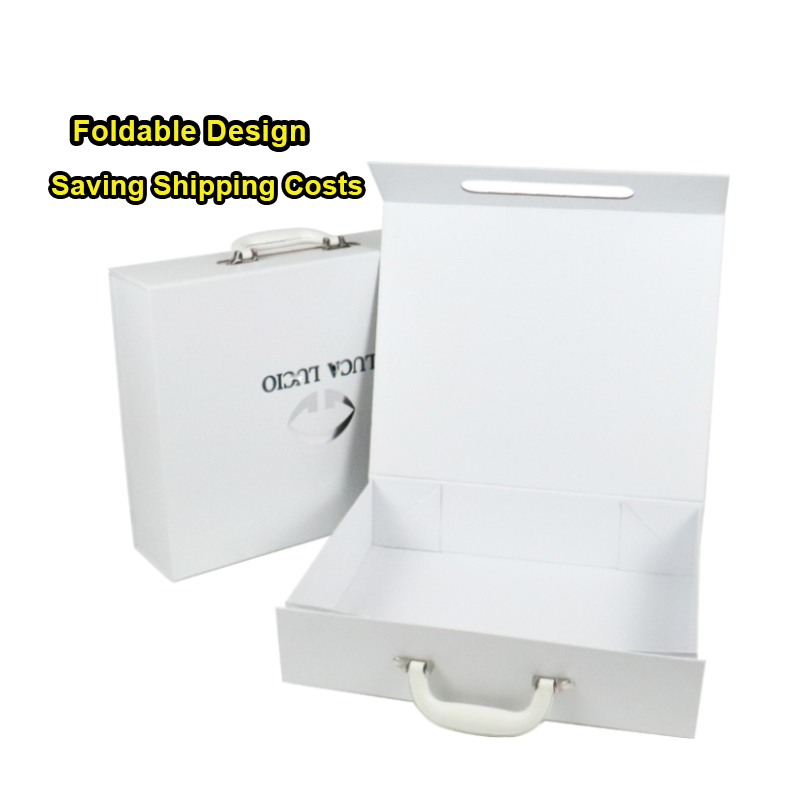
Common design trends are towards hard outer box (usually two-part, or magnetic-latch) and designed inserts by EVA foam, shaped pulp or die-cut paperboard, which fits around the cartridge perfectly. This helps to avoid the glass tank banging or hitting to the box walls during its transportation or operation.
| Structural Feature | Purpose |
| Rigid outer box | Provides impact resistance and crush protection |
| Precision insert | Controls movement and prevents breakage/leakage |
| Secure closure | Maintains integrity during multiple handling points |
| Reinforced structure | Supports stacking in warehouses and retail |
These increase the complexity of manufacturing- an insert will have to be die-cut and assembling in a separate step- they are necessary to safeguard delicate glass parts.
Compliance and Child-Resistance Considerations Differ by Product Type
Expectations of child-resistance and stability of compliance also are strongly format-specific due to the influence of the perception of regulators about the accessibility and risk profiles of the products.
Disposable vapes contain a full device and consequently the face some degree of scrutiny in terms of the overall packages being accessible, yet in many places allowed to operate on a simpler mechanism in the event that the product is not that which contains loose liquid nicotine. Carthushes, however, and particularly those containing naked glass and oil, may need more callous child protection measures as stipulated by such laws as 16 CFR 1700 (Poison Prevention Packaging Act) or state regulations, which can impose press-and-slide or locking tab closure, or multi-phase opening, which a small child can hardly manage.
Compliance risks can be introduced by using a disposable-oriented structure (light folding carton that is not reinforced with CR features) on cartridges: poor resistance to opening, possible exposure to leakage, or testing failure. On the other hand excessive use of heavy rigid CR design on disposables needs to be avoided as it makes the cost excessively high, besides lowering shelf efficiency.
For brands managing both SKUs, compliant vape packaging for brands the solution for brands is to have a compliant vape packaging, and it begins by learning about those format-specific concerns and not imposing a one-size-fits-all solution.
Logistics, Retail, and User Experience Implications
The packaging structure also has a direct impact on the efficient flow of products in the distribution channels and in the retail stores.
- Shipping and stacking – Compact disposable designs enter the pallet with high density with reduced cube weight; the cartridge rigid box tends to require added volume and corner protection against crashing.
- Handling retail – thinner or compact disposable packs have more spaces on a shelf display, the larger boxes containing the cartridges should be put neatly in the shelf displays to avoid being toppled or damaged in the crowded shelves.
- E-commerce — Lightweight disposal saves dimensional weight fees; cartridges enjoy the advantage of having a structure that checks its integrity with varying handoffs with the carriers.
- User experience — Disposables are better in quick-open styles to appeal to impulse buyers; cartridges to secure and reassuring unpackaged styles to indicate product quality and safety.
The tradeoffs are actual: additional protection is a burden to the material and assembly, yet being stingy with cartridge packaging may lead to returns, leakage claims and compliance.
Manufacturing Considerations When Managing Both Packaging Types
On the factory floor, it is being challenged in reality by the mixed SKUs of disposable and cartridge packages, which are harder to manage than designed.
The same board grade, printing plates or finishing die are not likely to succeed at all since dimensional tolerances can vary considerably. Something smaller will be oversized or loose in a disposable-sized folding carton mounted cartridge. QC is also more difficult: mixed runs also require distinct checkpoints to check the insert alignment, closure integrity and CR functionality to identify format-dependent defects.
Having distinct tool life and assembly orders can also serve as a control measure to achieve consistency, although it needs to be well-disciplined planning, particularly when the order volumes between formats vary.
Conclusion — Structural Fit Matters More Than Visual Similarity
The disposable vapes and vape cartridges can have a superficial functional similarity in the vaping category but the packaging structure needs to derive according to different logic to handle tangible disparities in fragility, motion risks, compliance requirements, and logistical requirements. Those brands that acknowledge this, i.e. make the choice of informed structural selection, rather than the expediency of a one size fits all implementation, have lower rates of damage, easier compliance, and more reliable performance over the retail and distribution channel and streams. The best choices in vape packaging acknowledge the structural risks at different levels in case of disposable vapes and cartridges; packaging should be created in a way to enable protection, compliance, and stability in the functioning.