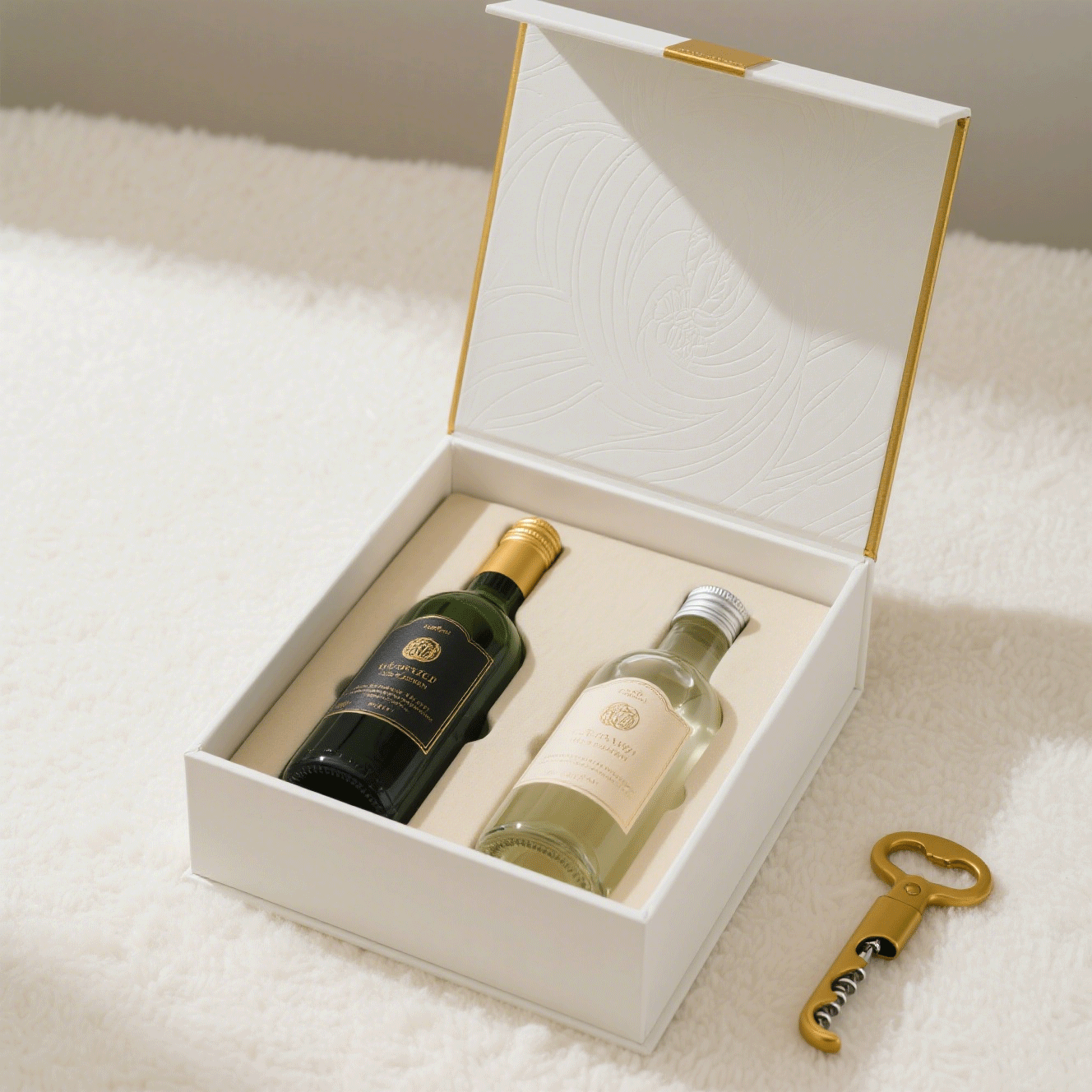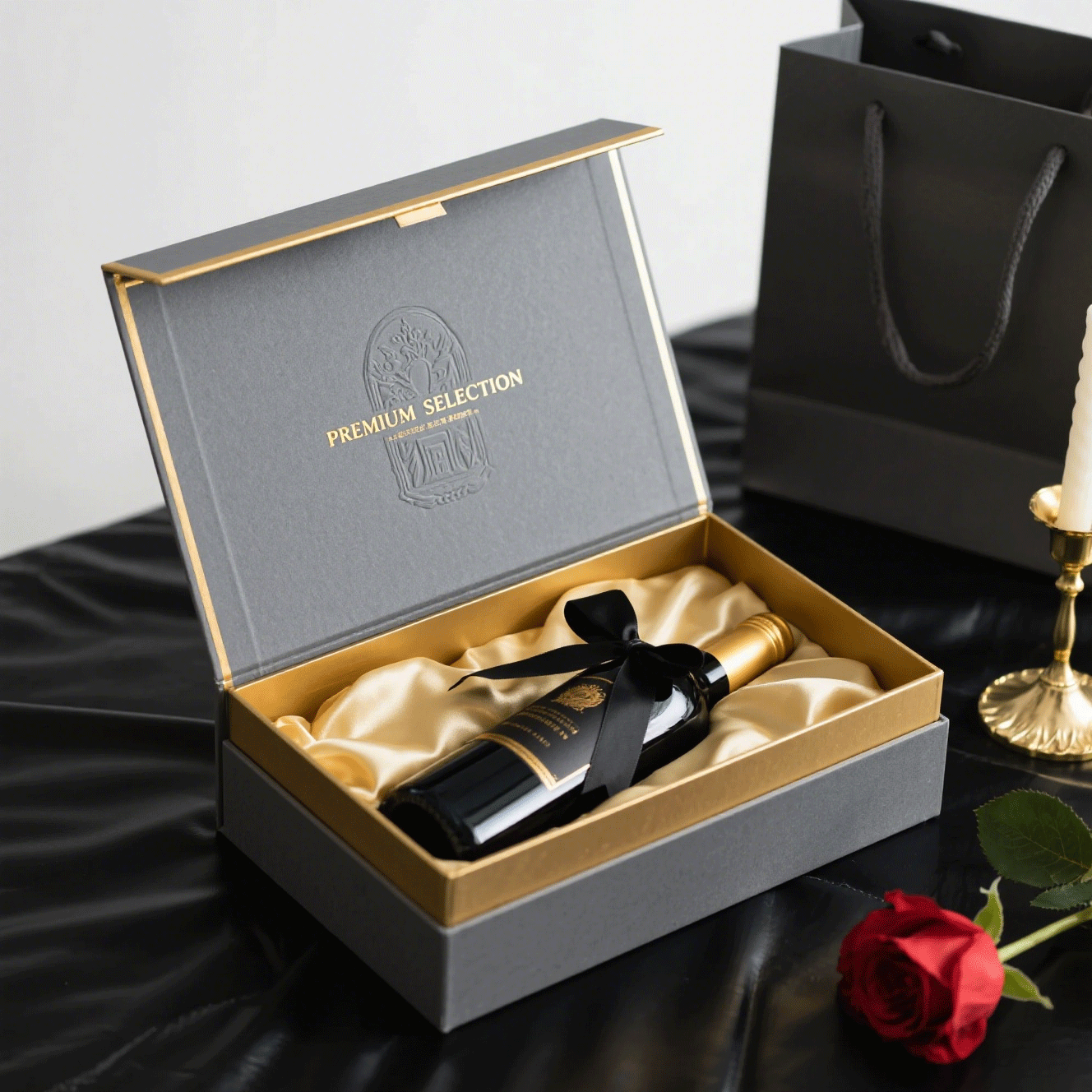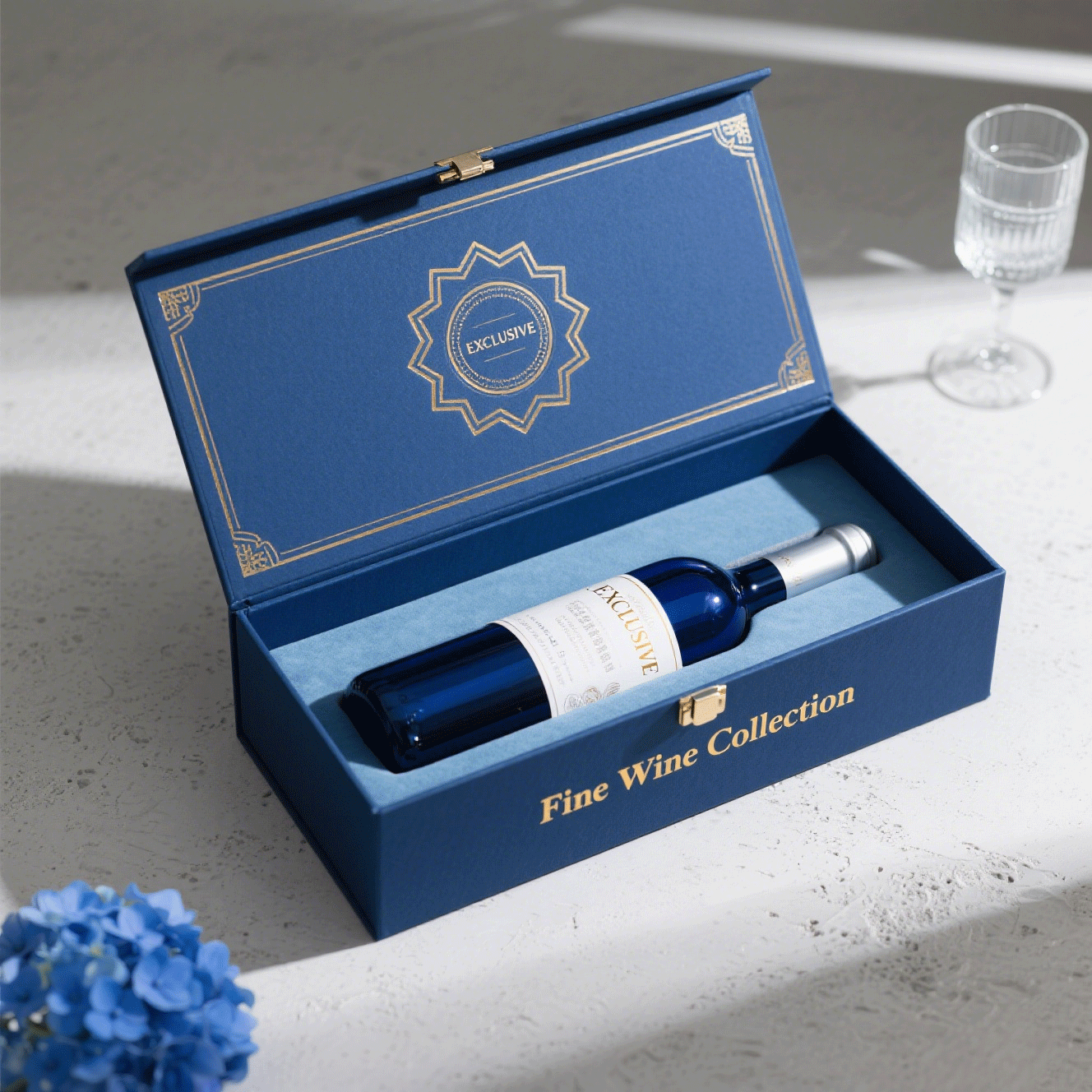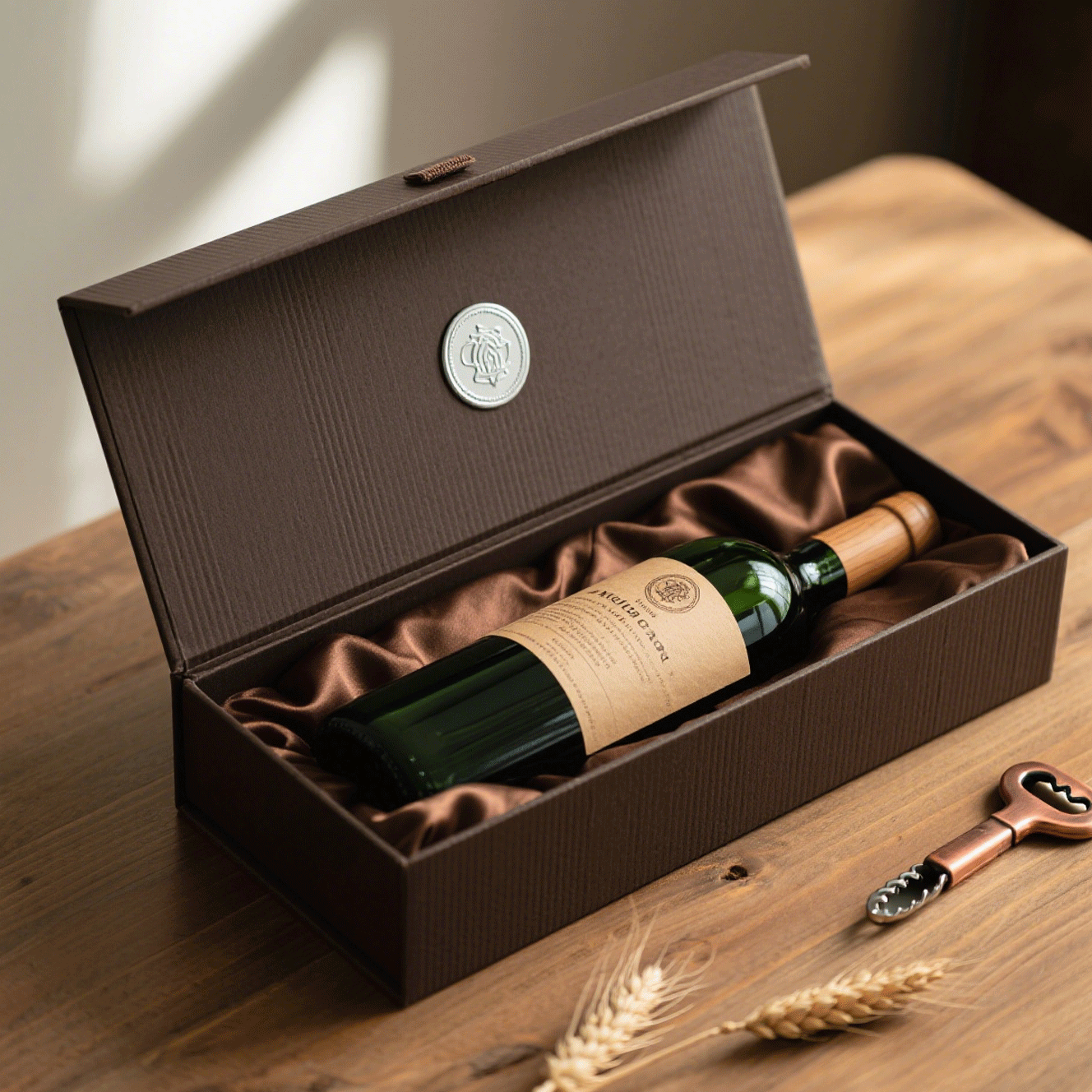
In the context of apparel packaging, inserts are likely to be considered as a secondary feature, something to add at the end of the production process or a decision made on a whim that is not made with the particular purpose in mind. As a matter of fact, the material used in the insert has a direct impact on the product protection, unboxing experience, performance of logistics and the overall packaging cost.
Clothing packaging does not have an all-purpose best insert. The correct decision will be based on what is required of the product to survive, where the brand needs to be seen, and where the packaging will be applied. Each of the EVA, sponge and paperboard has its own problems to solve- and its own trade-off.
As a packaging consultant, it is not about impressing with complexity but matching the material used in inserting a product with the reality and brand priorities. The product is supported by the right first and the brand second.
Why Inserts Matter in Apparel Packaging
Product protection
The garments and accessories used in the box are held in place by inserts and are unlikely to move, become deformed, or to scratch surfaces during handling and transportation. This is of particular significance in clothing combined with metal fasteners, folded metals or fine ornaments.
Presentation and organization
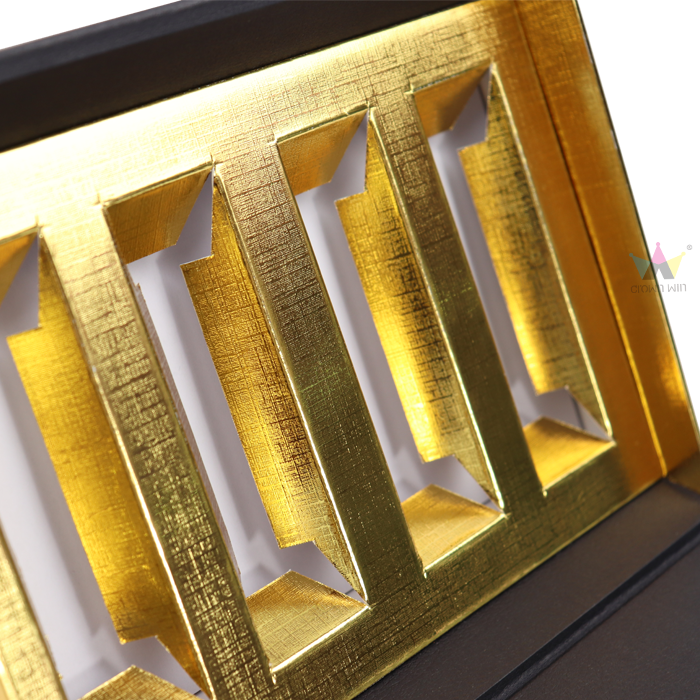
An insert is a device designed to operate the process of product revelation. It determines orientation, spacing and sequence, which determine how the customers would interact with the product during the opening of the box.
Perceived quality
There is a tendency of customers to relate internal structure with the general quality. Even in situations where the outer box is high-end, it can be ruined by a bad selection of the insert. On the other hand, a careful but minimalist insert will be able to add value with minimal cost.
The decisions are more evident when brands begin to consider the inserts as a component of an integrated apparel packaging system, and not as an independent element. This is where the comprehensive attitude towards the custom apparel packaging boxes custom apparel packaging boxes—including box structure, insert material, and assembly flow—matters most.
EVA Inserts for Apparel Packaging
Material characteristics
EVA (ethylene-vinyl acetate) is an example of a closed-cell foam with a dense nature, shape retention, and clean edges. It is die-cut or CNC cut to a high degree of accuracy enabling inserts to be used to hold products in fixed positions.
EVA can not tolerate moisture, it does not deform and retains its shape even after long storage. The characteristics of EVA inserts in apparel packaging render the manufacturing process very uniform in large batches.
Best use cases
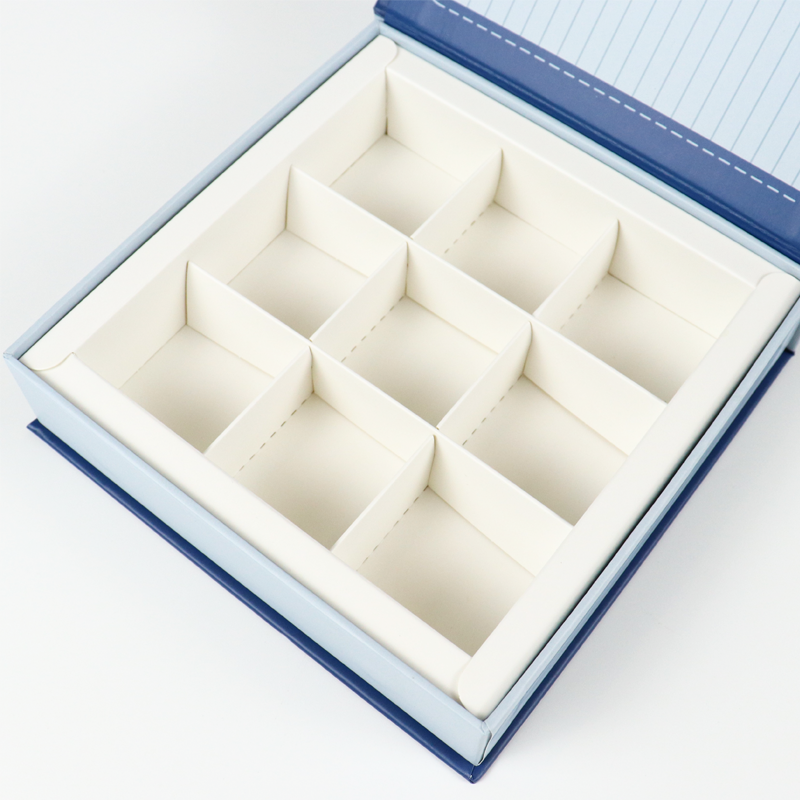
EVA inserts are optimum in:
- Clothing as well as accessories (buckles, belts, metal logos).
- High end gift package where positioning of the product is critical.
- Formed clothes which have to bear a specified shape.
- Brands with a focus on luxury unboxing.
Since EVA has custom cavities and overlay designs, it permits intentional presentation and not the flexible holding.
Cost and production considerations
EVA is normally the most expensive among typical apparel packaging inserts. Cost factors include tooling, density of the material, and precision of cutting. Complex layouts may have high minimum order quantities (MOQs) and lead times may be longer.
Budgeting EVA must not be selected by default according to the product value or presentation requirements. This is where understanding cost trade-offs in insert material selection becomes essential.
Sponge Inserts in Clothing Packaging
Flexibility and cushioning
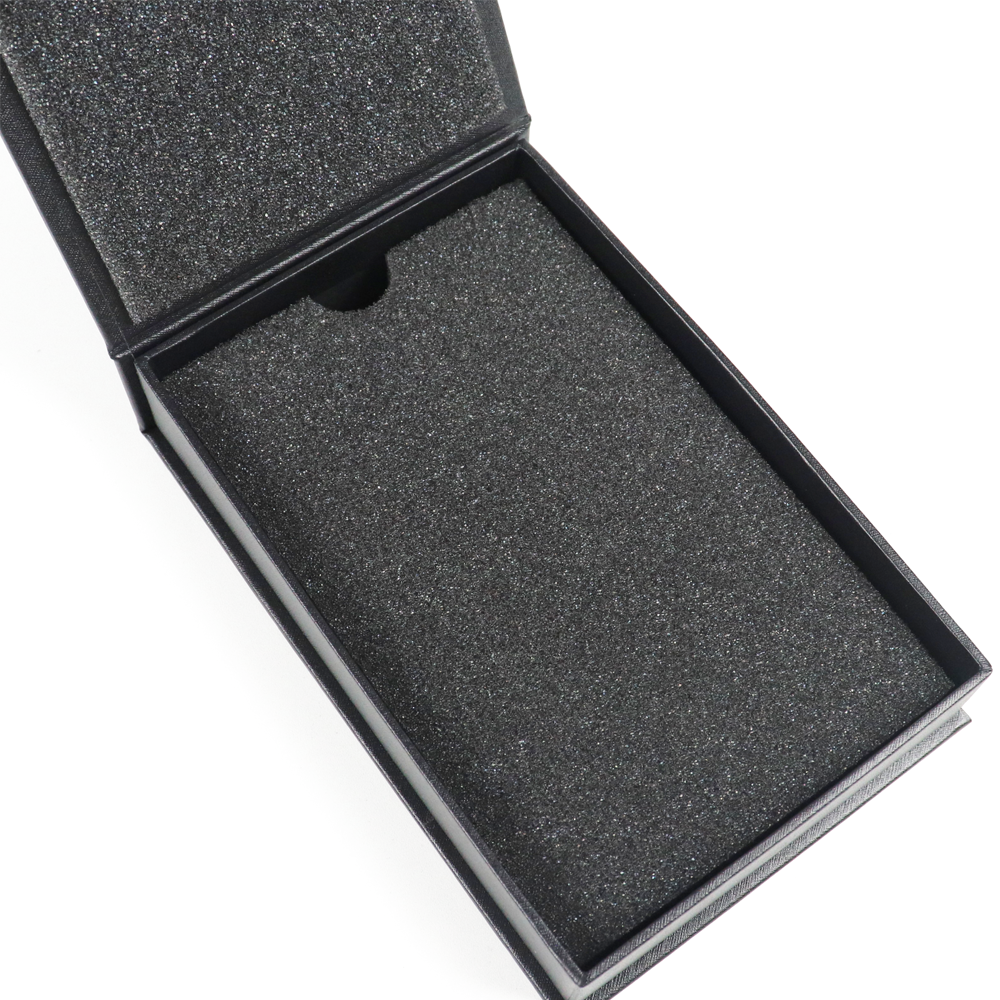
Sponge inserts are not as structurally rigid, compressible, and soft as EVA. They are open celled to offer great cushioning particularly to delicate or odd objects.
Clothing packaging sponges are flexible to the size of the product to be packed and the folding style, and are therefore tolerant to size changes in the packing reality of the world.
Typical applications
Sponge is commonly used for:
- Lightweight garments
- Variable folding apparel.
- The application of temporary protection during transit.
- Mid-range packaging where flexibility is the most important factor than precision.
Sponge is a shock absorbing material that is applicable in e-commerce where the structural support is already supplied by outer packaging.
Limitations and durability
Long-term deformation is the primary shortcoming of sponge. Sponge may become inelastic with time particularly when it is subjected to constant compression. It is also more easily absorbed by moisture than EVA that is a factor that may be of concern in humid logistics areas.
Sponge is best used in situations where the packaging cycles are low and storage conditions are regulated.
Paperboard Inserts for Apparel Packaging
Structural support and recyclability
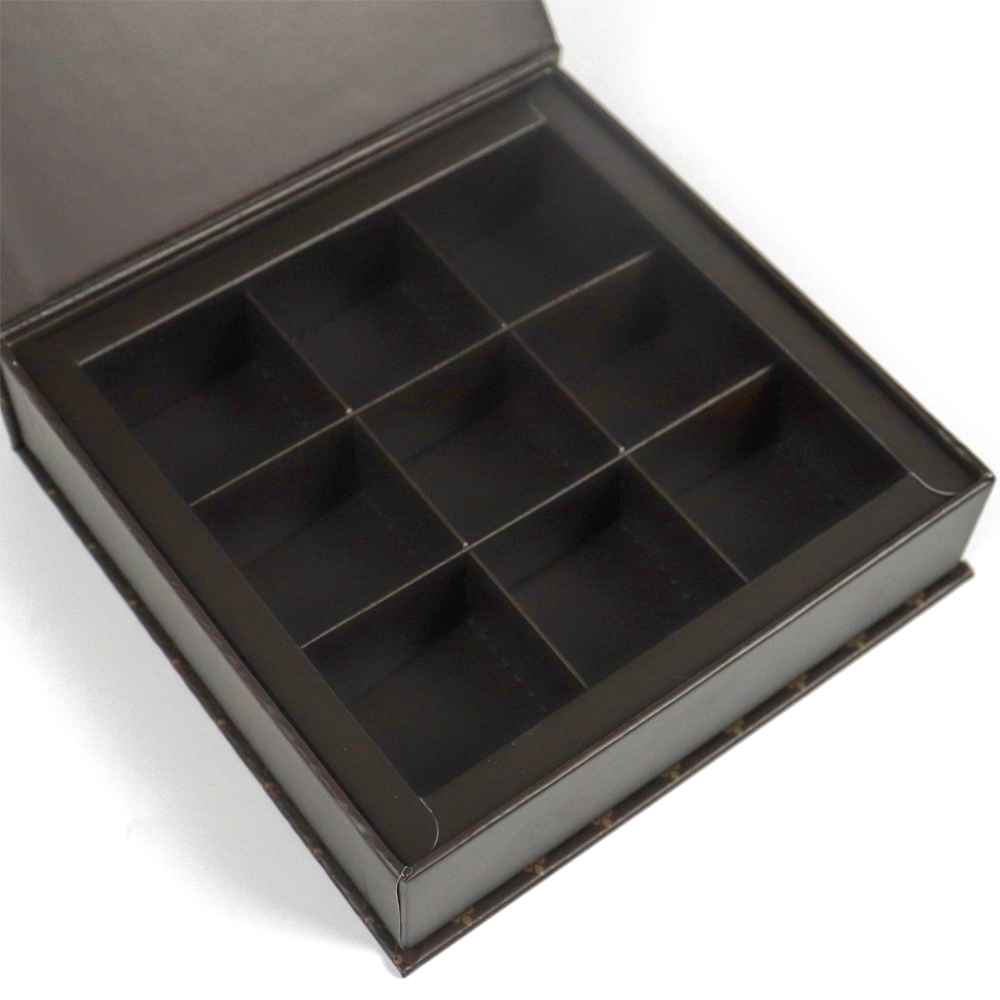
Paperboard inserts are based on folded structure as opposed to cushioning. Properly constructed, they form compartments, support garment folds, and avoid frictional and geometrical movement.
Textile boxes made of paperboard inserts are highly appreciated because of their recyclability and the clarity of the material, which fits the sustainability-oriented brands.
Branding and printing options
Paperboard inserts unlike foam materials can be printed, embossed or color-matched. This enables inserts to serve as structural and branding features, which strengthens visual identity within the box.
To the brands that are conscious of the responsible selection of materials, the paperboard will help in taking the sustainability factor into account when it comes to sustainability considerations for packaging inserts without compromising presentation clarity.
Cost efficiency and scalability
Paperboard is usually the cheapest and it has low minimum order and rapid cycles of production. It has an easier tooling and scaling of production across multiple SKUs.
Paperboard however offers low cushioning and it is very dependent on how the box is assembled and what inserts are used.
Comparing EVA, Sponge, and Paperboard Inserts
| Factor | EVA | Sponge | Paperboard |
| Protection level | High (fixed positioning) | Medium (cushioning) | Low–Medium (structural) |
| Brand experience | Premium, controlled | Soft, practical | Clean, intentional |
| Sustainability | Low–Medium | Low | High |
| Cost and MOQ | High | Medium | Low |
Understanding how box structure influences insert behavior—including how box construction affects insert design—is critical when making these comparisons meaningful.
Choosing the Right Insert Based on Apparel Product Type
Apparel with accessories
EVA inserts are usually beneficial with garments that are used with belts, metal tags or hardware to prevent movement and contact with surfaces.
Folded garments
Ordinary folded clothes tend to be compatible with paperboard inserts, particularly in retail packaging where it is important to stack and provide a consistent presentation.
Gift sets
Multi-item sets will need inserts, which handle both defense as well as visual precedence. These are the cases when EVA or layered paperboard solutions are usually more useful than sponge.
Common Mistakes Brands Make With Packaging Inserts
Overengineering
Additional amount of material may not necessarily increase protection. Foam can cause increase in cost and difficulty in packing but does not enhance the performance.
Ignoring logistics
Relevant inserts in design reviews may not perform in actual shipping conditions. Channel testing is critical particularly when it comes to packaging inserts to protect shipping in e-commerce world.
Choosing material without testing
The choice of inserts usually is based on assumptions and not prototypes which causes rework, delay and waste of unnecessary cost.
How to Decide on Custom Inserts for Your Apparel Packaging
Product value alignment
Insert cost ought to represent product price and margin. Usually, high-value goods have an excuse to be very precise; however, simple clothing does not.
Channel requirements
E-commerce and retail have dissimilar stress profiles. Knowledge of insert requirements in sales channels helps solve the mismatch.
Operational readiness
Take into consideration the speed of packing, expertise of labor, and the regularity. The most beautiful insert cannot be used to its disadvantage when it slows down filling or raises the percentage of mistakes.
Conclusion — Inserts Should Solve Problems, Not Create Them
There are packaging inserts to sustain first-packaging and secondly experience. They silently secure products, present, and brand with intent when selected wisely and do not bring attention to themselves.Complex design is not as important as rational selection. The packaging inserts that the customers hardly notice but products depend on are the best.