
Blog

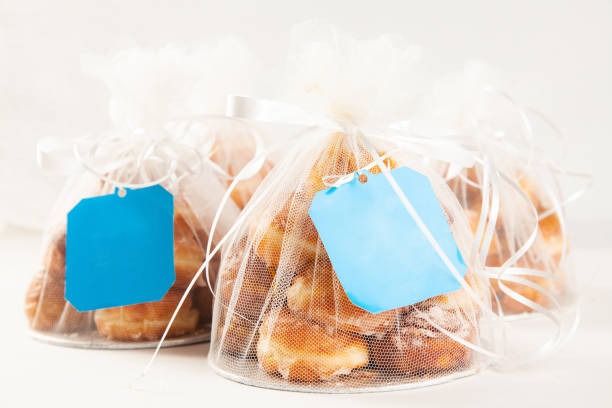
Decorative mesh bags used for packaging sweets and bakery products as part of bagged packaged goods examples.
Blog

What Are Bagged Packaged Goods: A Complete Guide

Bagged packaged goods include flexible packaging options with huge cost and logistic benefits over rigid ones, and with both opportunities and challenges to sustainability. The industry is constantly changing with new materials, governmental regulations, and environmental accountability, and this is a very dynamic and challenging environment where successful brands will need to consider material choices, design efficiency, and environmental performance by intelligently choosing which materials to use, designing the best, and clearly explaining to consumers the limitations on packaging capabilities and optimizing disposal techniques.

Detailed texture of corrugated cardboard fluting, highlighting wavy inner layer structure for cushioning.
Blog

What Is Corrugated Flute: Complete Guide to Types and Selection

It introduces the main flute types—A, B, C, E, and F—each with different thicknesses and purposes, from heavy-duty shipping to retail packaging. The guide also highlights how choosing the right flute depends on product weight, protection needs, and printing requirements, helping brands balance durability, cost, and appearance in their packaging design.

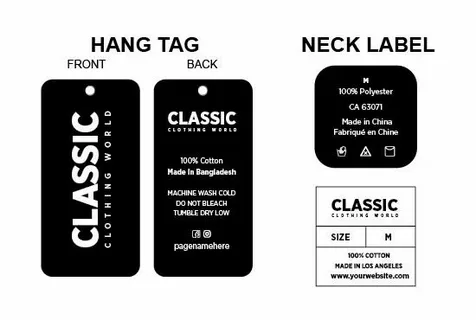
Example of hang tag and label comparison illustrating their distinct branding roles in apparel.
Blog

Custom Hang Tags vs Labels: A Complete Brand Comparison Guide

custom hang tags vs labels comparison
When it comes to deciding between custom hang tags and labels, it is necessary to strike the right balance of several factors, such as the product type, brand positioning, information requirements, budget, and customer experience objectives. The Hang tags are better for marketing purposes and have greater flexibility in design, but are costly, whereas labels are cheaper in terms of delivering information and integrating smoothly with the product. The most effective strategy typically is a combination of the two elements on a strategic basis, employing both of them where they will be of maximum value. The key to success lies in learning your unique needs and choosing some solutions that fully reflect your brand and address the reality of running a business and satisfying customers.

Blog

The Complete Guide to Cereal Packaging Solutions

The choice of cereal packaging has to balance between protection, convenience, cost, and sustainability as well as supporting brand goals and consumer requirement. Given the simple pillow bags to advanced stand-up pouches, the success is determined by adapting the packaging attributes to the product needs, the place and positioning, and the workability and the emerging trends in sustainability and smart packaging technologies.

Blog

What is PMS Color: Everything You Need to Know About the Pantone Matching System

Pantone matching system (PMS) is a crucial tool of color standardization that predetermines the color of brands that are used in various printing processes and materials, and in various printing as well as printing localities across the globe. PMS has pre-mixed spot colors, unlike RGB, CMYK, or HEX color systems, and each spot color is assigned distinct numbers, rendering it colorless and removing color variation and color communication errors. Of course, to use PMS properly, one will need to have physical color guides, communicate with the suppliers properly, and learn the constraints of the digital color preview, and the most frequent errors are using only screen colors and using outdated guides. Through the adoption of good practices like requesting a print-out of evidence, ensuring that color references are updated, and the introduction of acceptable color tolerances, businesses will obtain professional and consistent outcomes to enhance brand awareness and minimize expensive errors in printing.

Blog

Tin vs Aluminum Packaging: Complete Comparison Guide

There are also specific benefits of tin and aluminum packaging to different markets, where tin has proven to be a better solution in the high-end markets that need high durability and barrier, whereas aluminum offers low-cost and lightweight solutions with superior sustainability scores. The decision to be taken must meet the product requirements, expectations of the target market, and long-term business goals in light of which shelf life, shipping cost, brand positioning, and environmental objectives should be factored in order to maximize the profitability of the product as well as the objectives of the business.

Blog

Can Cereal Boxes Be Recycled With Cardboard? The Complete Guide

Paperboard cereal boxes are generally re-recyclable with cardboard and paper but success can only be achieved when these products are well prepared, locally guided and have no challenging layers or food taint. Consumers may be able to make sure that such daily products are recycled into new products and not dumped on the ground by filling boxes, removing their plastic parts, and recycling them according to local recycling regulations, which would help maintain environmental sustainability through such a small but effective daily decision.

Blog

How to Make a Gift Bag Out of Wrapping Paper: Simple DIY Tutorial

It is a comprehensive guide on how to turn a simple wrapping paper into a specially designed gift bags using basic household materials and simple steps to follow. It entails cutting and cutting paper to size, a simple tube construction, a strengthened bottom, gussets to widen the tube, handles and making few finishing touches so that it comes out looking professional. Some of the success factors would be the choice of paper weight, pattern matching, and support of stress areas to make it durable. The DIY method has becomes very valuable in terms of saving money, influence on the environment, the coordination of the aesthetic, and the personal satisfaction and offers the final customization to any gift-giving event.

Blog

Types of Tape for Packaging: Your Complete Guide to Secure Shipping

When selecting an appropriate packaging tape, performance requirements, environmental considerations, and budgetary factors must be considered at an understanding that in the majority of cases, a failure of a tape is much more expensive than the best possible investment in tape. Learn how to select well, apply and how to deal with suppliers to have a good package protection and a satisfied customer.

Blog

How Much Does a Cardboard Box Weigh? Complete Guide

The cardboard boxes weigh differently in relation to various factors like size, type of walls, structural qualities, and the state of the environment, with the weight of cardboard boxes being less than half a pound and a few pounds, respectively, according to the size of the single-wall cards and the size of the triple-wall cards. The understanding of the weights of corrugated cardboard boxes will ensure that the shipping costs are minimized, the workers are secure, the storage areas are functional, the packaging is eco-friendly, and that your products are completely safeguarded.

Blog

Mailer Boxes vs Shipping Boxes: Complete Guide

The initial move towards making intelligent choices regarding the use of packaging is first to understand the natural variations of mailer boxes and shipping boxes as to material structure and protection, not only in costs but also environmental effects. Use mailer boxes with light and non-breakable products where the cost-effective is of the highest priority and use shipping boxes when high-end product protection, high-end presentation, or high serviceability is required. The thing is to pack your item so that it meets its specific needs, shipping needs and position in the brands without repeating the errors that most individuals commit by either inadequate sizing or incorrect wrapping.

滚动至顶部