
Blog

Stylish pink soap dispenser placed on pink satin fabric for luxury packaging theme
Blog

Ideas For Soap Packaging to Boost Your Brand in 2025

In the modern world, the formula of sustainability packaging versus functionality and visual attractiveness is the powerful tool to help win contemporary market. The most important ones are the incorporation of environmentally-friendly materials such as chec-type kraft and biodegradable wraps, the establishment of luxurious impressions as premium finishings and magnetic closures, the creation of clear visual identities by means of intentional color and typography selection, the use of design experimentation in the form of innovative shapes and containers (2 in 1, geometrical shapes), and the capitalization of seasonal matters in order to retain topicality throughout the year. With this consideration of those factors, without sacrificing an element of brand consistency, customer-centric design, soap brands can make their packagings that not only serve as a guard to their products but also will be a driving force to sell their products and to establish long relationships with customers.
Blog

The Complete Guide to Test Packaging: Essential Methods, Standards, and Best Practices for 2025

This book has all the necessary details in test packaging; its basics, principles, and advanced technologies. Significant test procedures are physical testing of mechanical properties, chemical compatibility of the material, and environmental test of real life situations. Key standard bodies, such as ASTM and ISO, offer structures with regard to life cycle assessment, uniform testing methods and developing technologies offer the promise of optimization of packages as well. Testing programs should be planned and implemented to make use of the appropriate equipment, skilled members and thorough records that can stand check and testing factor compliance. The future of testing in packaging is to be more automatized, use more sophisticated methods of simulation, be connected with the supply chain monitoring mechanisms as a way to generate continuous feedback of products performance and optimization possibilities.

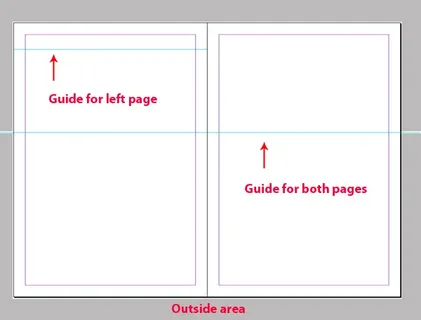
Cereal box print design layout with left and right page guides for accurate alignment
Blog

The Ultimate Guide to Cereal Box Dimensions: Everything You Need to Know About Sizes and Measurements

It includes everything about cereal box dimensions, including the common 12 inches and the above average family-size that ranges to 15-16 inches. Important dimensions are 6-10 inches on the width side and 2-3 on the depth side, and adjustments to suit the criteria of single-serve, travel-type, and bulk versions of a rectangular prism . The dimensions are very important in designing packages, store planning, and consumer preferences because they affect the efficiency of storage, transportation expenses, and environmental sustainability of the cereal industry directly.

Blog

Primary Packaging Examples: A Comprehensive Guide to Product Protection and Consumer Appeal

In almost all the industries, people rely on primary packaging as the initial line of defence of their products, whether they are bottles, cans, jars, tubes, blister packs among many others. These packaging solutions must provide a balance between product protection, regulatory, cost-effective and environment responsibility, especially when managing multiple primary packages and with the changing consumer needs. The knowledge obtained regarding the use of the primary examples of the packaging and principles of its application enable the manufacturers to determine the effective choice of the packaging method which will protect the products, enhance brand image and environmental friendly conducting business in the highly competitive market environment.

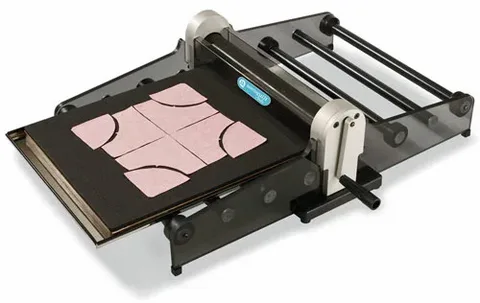
Compact tabletop die cutting machine cutting fabric into custom rounded shapes
Blog

What Are Die Cuts: The Complete Guide to Understanding This Essential Manufacturing Process

The die cutting is a multi purpose manufacturing method that can cut, shape, and form material of all kinds with unmatched performance and reproducibility. The process involves several solutions with flatbed, rotary, and digital cutting; each of them is targeted at a different kind of production and the volume. With beginnings in coin stamping during historic times to becoming an industrial process now in use to manufacture products in the packaging industry, automotive, electronics and medical devices among others, die cutting has grown to be a fundamental technology. To attain success in the die cutting, material characteristics, production demands, quality standards, and cost implications should be taken into account in order to make the best possible choice of the approach and the results.

Blog

Food Packaging Testing: The Complete Guide to Safety Standards and Compliance Methods

Food packaging testing is a very broad subject whereby it involves a wide arrangement of chemical and physical tests to be carried out in the package with an aim of providing consumer safety and legal compliance. Chemical tests are aimed at migration testing, presence of restricted substances and compatibility whereas physical testing is intended at testing durability, functionality and environmental resistance. Compatibility testingThe compatibility of the food packaging material and the food in the package is assessed by subjecting them to compatibility testing to ensure that the material do not interact in a manner that undermines the safety or quality of the foodstuff. The modern testing strategies involve a mix of the old and new methodologies and make use of advanced technology to solve the emerging requirements in the areas of packaging material and sustainability. Effective food packaging testing depends on the wise choice of the laboratory, the extensive documentation and the proactive quality assurance activities that aim at consumer safety and compliance with the legislation which is changing over time in every market.

滚动至顶部