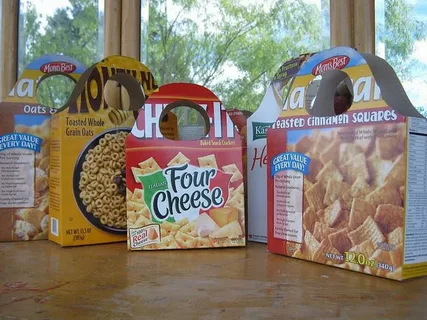
You have finished your favorite cereal and threw the box with no contents inside… where in which bin did you put it? And, when you have ever been standing there, with a cereal box in your hand, and you are not sure what it should be paired with, paper or cardboard or somewhere off the scale, you are not alone. This daily crisis brings out a general confusion in recycling that grips millions of households in the world.
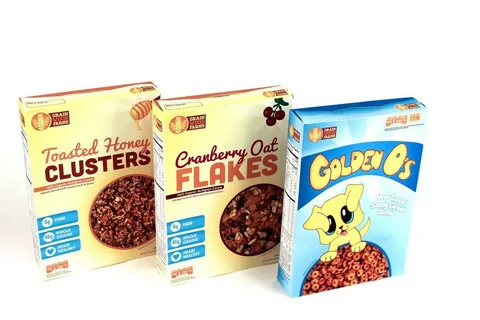
The confusion is due to the fact that cereal boxes are produced of a special type of material that does not easily fit into our psychological category of either a paper or a cardboard. Most individuals think that every packaging can be recycled in the same way, when the truth is not that bright. There are cereal boxes that can be recycled in the same manner as normal cardboard and those that cannot be recycled with regular cardboard or cannot be recycled anywhere.
And in this guide, you will gain knowledge on what kind of material is used to make your cereal box, how you can know whether your box can be recycled, where to dispose of them appropriately in your local recycling system, and what happens to these boxes once they leave your home. Also, we will talk about innovative methods to minimize waste other than recycling so that you can be able to make informed choices that are not harmful to your family and the environment.
What is a Cereal Box—Material Type & Features
The main packaging material used in the manufacturing of cereal boxes is paperboard, which is a particular form of packaging in between the regular paper and the corrugated cardboard. Paperboard is a heavy-duty, dense paper substance that is generally ranging between 0.006 to 0.024 inches or much heavier than normal paper but much lighter than corrugated cardboard into which boxes are shipped.
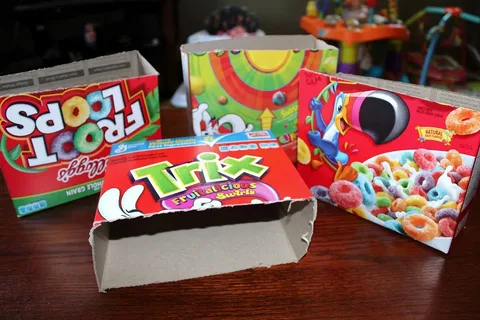
Majority of cereal boxes are made of several layers of recycled paper fibres pressed together to form a solid and printable surface. The interior of a cereal box will normally be brown or grayish-colored, which is the sign of the recycled material. The side is coated with either white or colored paint which can be printed and branded in vibrant colors.
The following is a simple method of determining what your cereal box material is: the tear test. Take one end of the box and attempt to tear it. When paperboard is torn in a straight line, it will tear up easily showing the fiber structure of the paperboard inside. When you can see there are clear layers or a corrugated (wavy) central part you are dealing with cardboard. When it rips easily and has a solid and dense interior, then it is paperboard.
The other important detail that has to be analyzed is any interior coating. A cereal box may contain a thin plastic or wax layer that prevents the cereal to get moist or a box will be damp. Run your finger down the inside–when it is not papery but slick or waxy, that coating can have an impact on recyclability.
What Makes Some Packaging NOT Recyclable
Although most cereal boxes can be recycled, they may contain some features that make their recycling challenging in recycling centers. The most prevalent is the interior finishes meant to maintain the freshness and avoid water damages.
The major offenders that make recycling more difficult are plastic laminations and wax coatings. These finishes cannot be separated easily during pulping process, which may pollute whole stock of recycled paper. Other cereal boxes have a clear plastic film on the inside, which is not rough to touch, which kind of coating may render the entire box unusable in regular paper recycling streams.
Another important barricade is food residue. Recycling equipment and other materials can be contaminated with cereal box crumbs, sticky leftovers of sugary cereals, or any other organic material. Smeared grease, remains of spilled milk, or adhered spots of fallen pieces of cereal may make an otherwise recyclable box unusable.
Another complex factor is the local recycling programs. Although one locality may be open to all paperboard packages, the surrounding ones may have more rigid requirements. There are facilities that are equipped with the technology to process lightly coated paperboard and those that cannot do anything that has interior treatment. Moreover, issues of contamination also make certain programs decide to be on the safe side and reject materials that could be recycled technically.
How to Recycle Cereal Boxes Locally
You should prepare your cereal box first before you can recycle it. Pour all the contents into the box and shake it gently to get rid of any crumbs. Test the presence of any plastic windows- certain cereal boxes contain small clear plastic parts to be taken off during the recycling process. These plastic components must be thrown away separately, or in insignificant amounts can be left in place, as many of the plants are capable of taking some low levels of plastic pollution.
Fold up the box to take less space in your recycling box and enable collection trucks to move more effectively. The majority of cereal boxes do not require breaking them into separate panels, as is the case with bigger cardboard boxes, all that is required is to flatten a cereal box.
According to your local rules, identify the recycling stream of your cereal box. Cereal boxes are recycled together with newspapers, magazines, and office paper in the mixed paper recycling bin in most places. There are however certain communities who treat them like cardboard and ask them to accompany other cardboard materials. See the local recycling program online or use their hotline to get some specifics.
To ensure that your cereal box is not contaminated, when disposing it in the recycling bin, make sure that it is not mixed with other items that cannot be recycled. Do not keep cereal boxes with glass, metals or liquids in the same bag. Your good intentions can work against you, as contamination can destroy a whole truckload of the stuff you were recycling.
What Happens After You Recycle
After your cereal box runs out of your home, it is starting a very interesting journey in the recycling system. Your recycling will be taken to a Materials Recovery Facility (MRF) using collection trucks and sorted using either sophisticated machinery or human sorters that sort by type of material.
Cereal boxes are usually sorted together with other paperboard and paper products during the sorting. They are separated with the help of optical scanners, air classification system, and manual sorting to separate them with the plastic, metal, and glass. Any uncleanliness such as plastic windows or food leftovers is eliminated at this point.
The paperboard is then sorted which is then sent to paper mills where the actual conversion takes place. The pulping machines blend the boxes and water under large pulping machines, which disaggregate the fiber structure. Inks are extracted in this process by a flotation process and the left over contaminants are filtered. The yield of this pulp is washed, bled where required and made up into new paper products.
Your used cereal box can be used as new cereal box, shoe boxes or other paperboard boxes. It would also be changed to paper towels, tissues or even construction materials such as drywall backing. Other recycled paperboard is used as the gray inner side of new packaging; some of the better recycled material may be used as the printable outside.
This brings a lot of energy savings to this recycling process over the production of new paperboard using virgin materials. It also minimizes the need of new timber, lessens landfill waste, and minimizes the greenhouse gas emissions that are incurred in their production and disposal of the waste.
Tips to Reduce Waste (Beyond Recycling)
Recycling is significant but use of waste reduction at the source has even more advantages to the environment. Between the time your cereal box gets to the recycling bin, and the time you reuse it creatively, think of more ways to use it that will make it last longer.
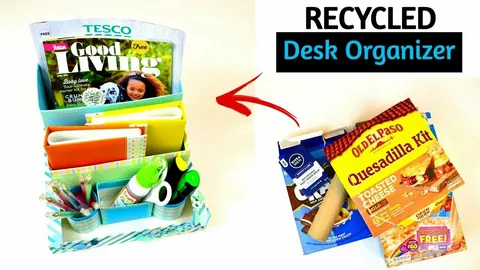
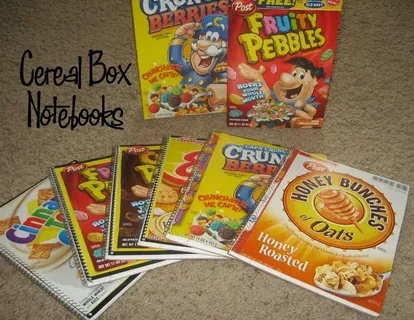
Cereal boxes also form good storage boxes of office materials, craft supplies, or toys of children. Cut them into desk organizers, drawer dividers or magazine holders. Cereal boxes can also be used by gardeners as biodegradable seedling pots- just put them in the ground and they will be decomposed there naturally.
Innovative parents and teachers usually use cereal boxes as learning aids, creative arts, or play equipment. They may be dollhouses, robot costumes or building blocks to construction play.
Look at the brands when purchasing cereal that focuses on sustainable packaging. Other companies package their products in boxes of greater proportions of recycled material or in packaging that is easier to recycle, or boxes that are without the problematic coatings. The packaging per serving can also be decrease when cereals are purchased in large quantities or when they are purchased in bigger sizes.
Consider adopting brands that are involved in take-back packaging or those spending on new more sustainable packaging options. In making your purchases, you tell manufacturers what consumers want to do in terms of environmental responsibility.
Common Questions & Clarifications
Recyclable: On a cereal box with a plastic window, is there a plastic window? Small plastic windows can be recycled in most recycling plants, whereas it is better to remove them in order to increase recyclability. In the event the plastic window is big or hard to take off, contact your local program- some will accept them, others not.
Is it possible to recycle it even when it is wax-coated inside? The light wax coating can usually be tolerated, whereas the heavy coating of wax can create difficulties. In case of any uncertainty, refer to your local recycling program or, to be on the safe side, put highly wax-coated boxes in the regular trash.
What about the local recycling centre that may have different rules? This should always be done according to your local rules and regulations, which may be stricter than the advice on general recycling. Recycling programs are different depending on the available equipment, market conditions, and ability of processing.
“How clean does a box need to be?” The box must be devoid of cereal and sticky food waste or residues. The amount of the left-over crumbs is usually fine, although the food must be cleared of any substantial amount that could lead to contamination.
Call to Action
You could make a minute now and check the specifics of the recycling program in your area. Most municipalities have a guide to recycling on the internet or as mobile applications, so that one can easily check out what to do with what and where. Recycling locator provided by the EPA or applications such as Recycle coach can be used to locate specific and correct information.
Post this information to friends, family, and neighbors who may share the same interest in the topic of cereal box recycling. Posts on social media, informal talks, or sharing this paper can contribute to raising awareness and increasing recycling among the people in your neighborhood.
It is also worth considering the idea of contacting your local waste management authority in case you find any gaps in their educational resources or if you have any ideas on how their recycling can be improved. The positive change in the policies of waste management is often motivated by community input.
Conclusion
The vast majority of cereal boxes are re-recyclable with other paper and cardboard products, but they must be clean and should not contain too many coatings and contaminants. Knowing the local recycling rules and correctly wrapping these boxes to be collected is sure to make sure that they can be converted into new products rather than get into the landfills. This mere gesture of responsible disposal helps in minimized environmental footprint, energy savings and development of a more sustainable packaging cycle. These little steps are bound to make a significant difference when we keep doing them every day to our communities and the planet.