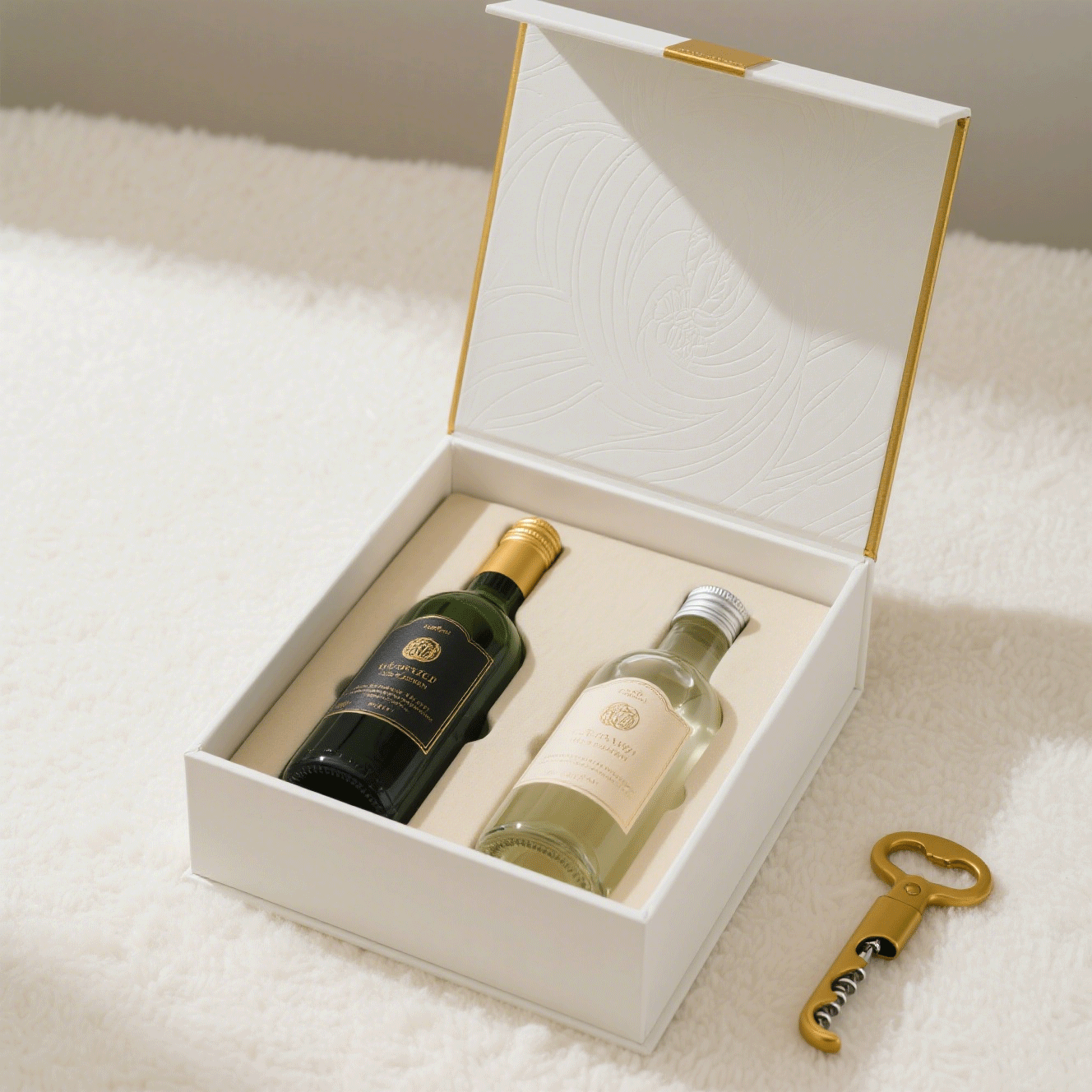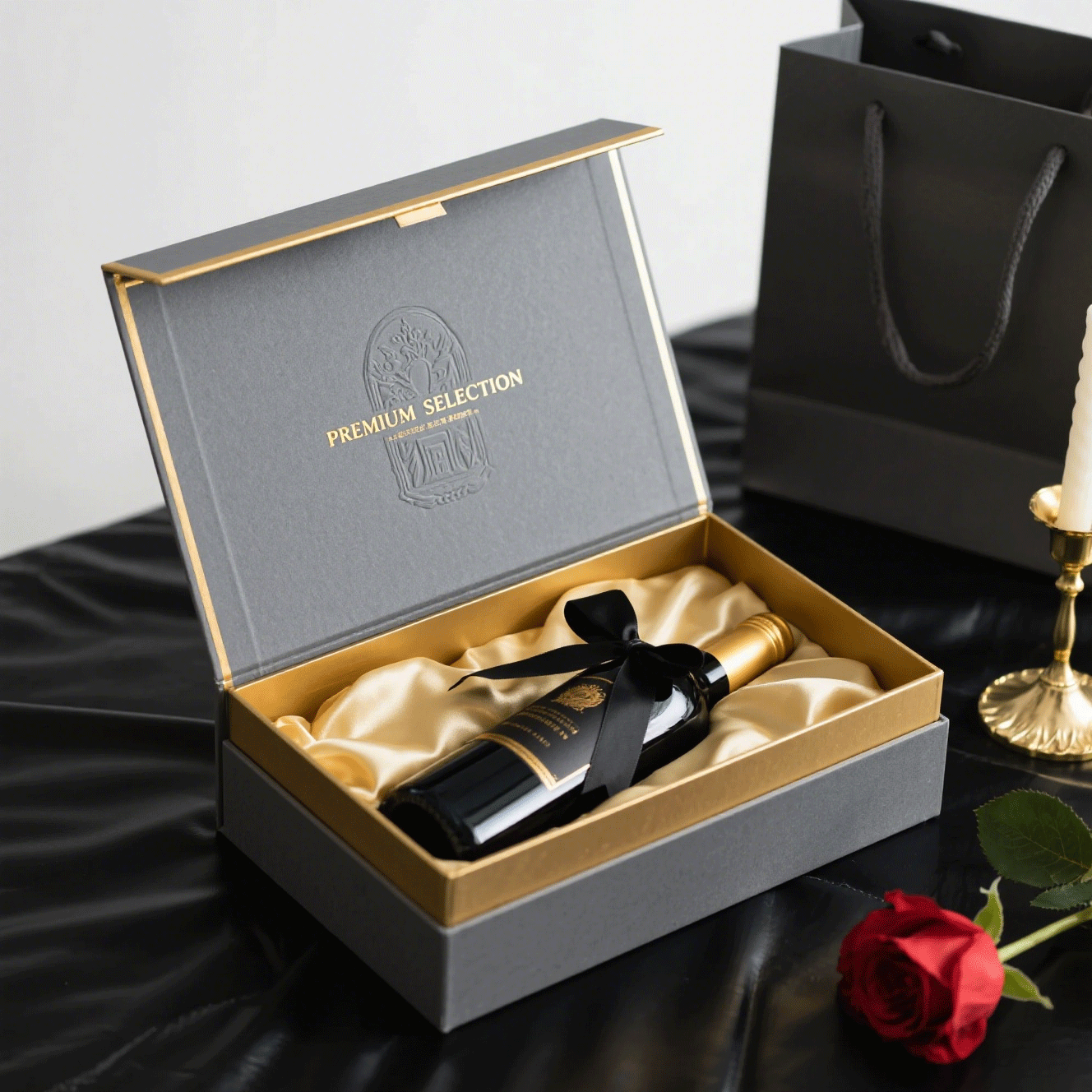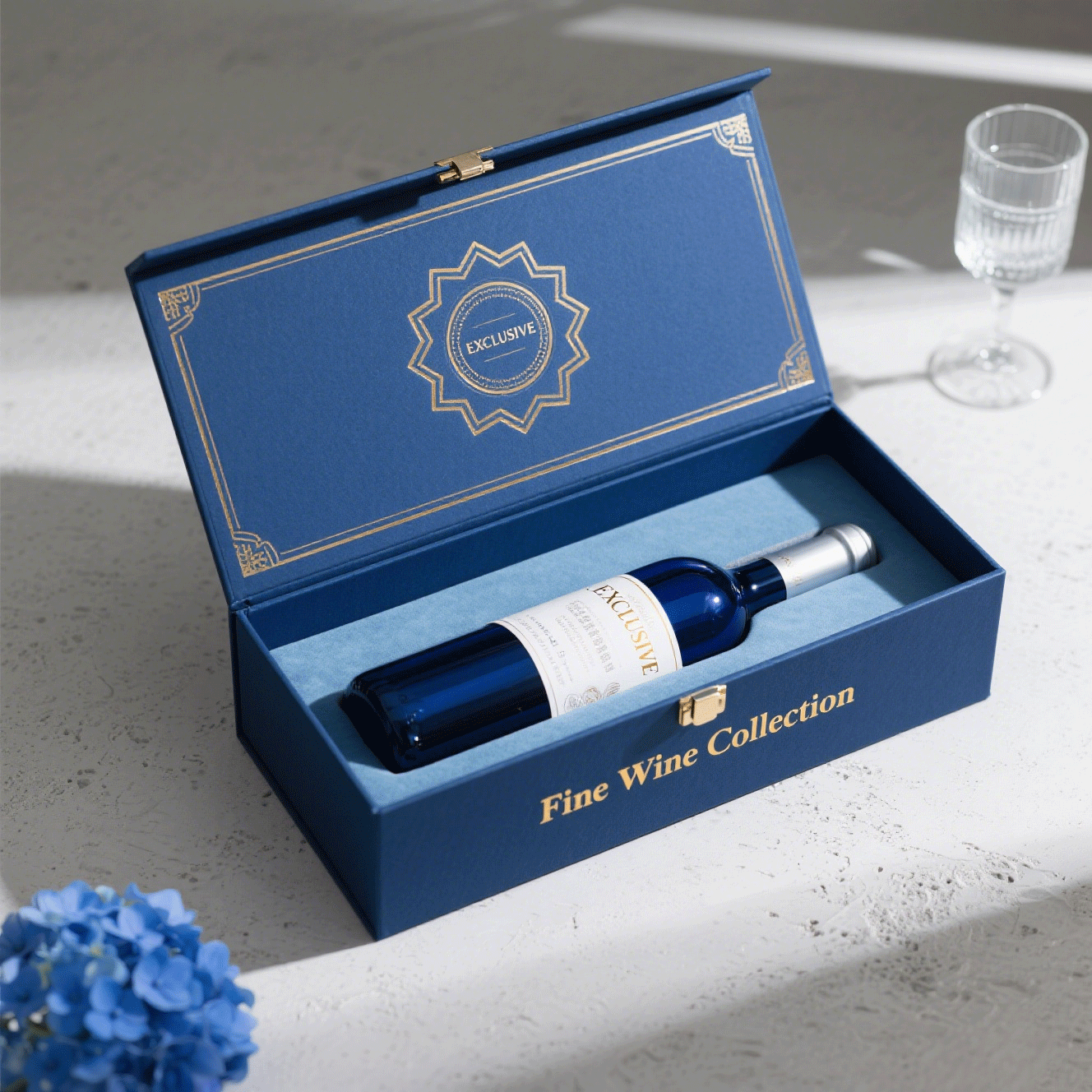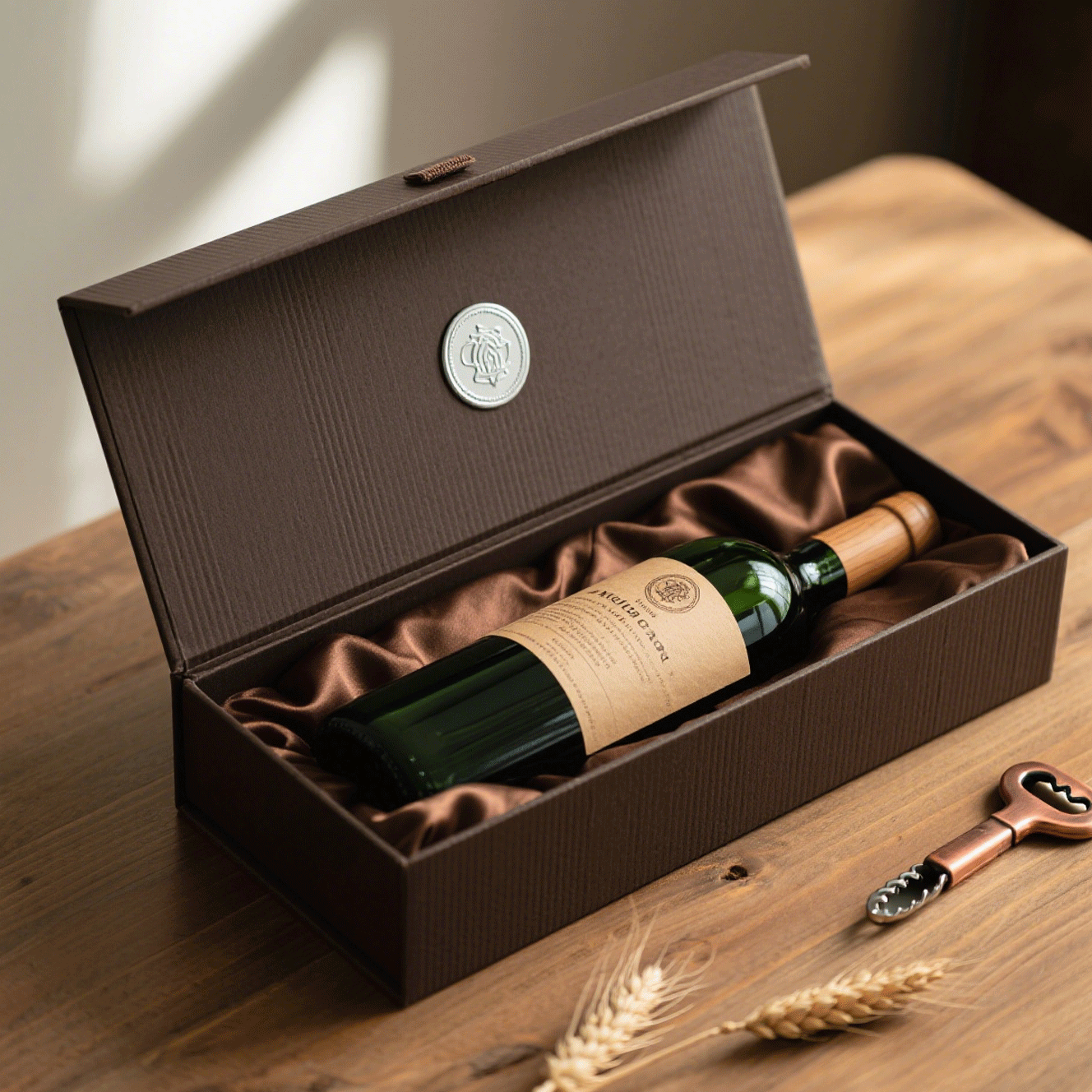
Both the blind embossing and foil embossing form elevated textures on the surface of the packaging using pressure and custom dies to provide the boxes with the feel of quality brands would prefer. The most significant difference is their finish: in blind embossing, the paper or board will effect a slight texture with only the natural colour and shadow play, whereas in foil embossing, the raised area is covered with metallic or pigmented foil to create a subtle and contrasting effect.
Most brands confuse foil embossing as embossing using color. As a matter of fact, it requires individual (or shared) tooling, heat regulation, and foil registration- which introduces its own complexity that is avoided by blind embossing.
The correct embossing technique varies, and this is determined by brand placement, material choice that is used, level of production and the amount of tactile response that is intended in the embossing material rather than merely by aesthetics. The decision between blind embossing and foil embossing is not just a matter of appearance, it is one of how the texture, reflectivity, complexity of production and permanency of a single embossed object can work against brand strategy.
What Is Blind Embossing in Packaging?
Blind embossing In blind embossing, it is the pressure (no ink, no foil, no added color) which provides a clean, understated raised (or sometimes recessed) design. It is referred to as blind since the effect is brought entirely by the material moving under the conditions of equal die of the male and female.
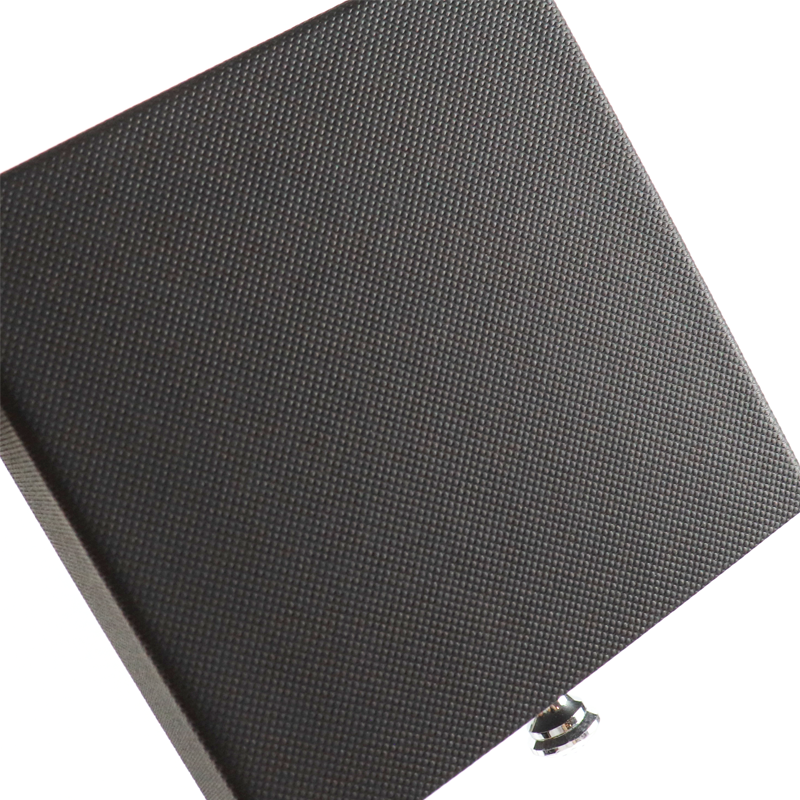
Practically we make a pair of die metals under custom, having one of them raised and one recessed, set the stock of board or paper as true as possible and then subject it to such pressure as will cause the fibres to set without cracking, using in many cases a combination of heat and pressure. What will come out is a play of shadows and light and depth that is not overpowering the design but varies according to the lighting and the angle of view.
This method is a star when it comes to minimalist luxury packaging where spartanism is a sign of elegance.
| Aspect | Blind Embossing Characteristics |
| Process | Pressure with matched dies |
| Surface finish | No added color |
| Visual effect | Subtle and refined |
| Texture | Raised or recessed |
| Production complexity | Moderate |
| Best for | Minimalist luxury packaging |
What Is Foil Embossing in Packaging?
Foil embossing is either a one-step process (embossing and then foil stamping) or a two-step process (stamping and bumping). Heated die presses foil (metallic or pigmented) onto the surface and at the same time elevates the design.
The foil adhesive layer is released by the heat to the raised spaces only and the pressure creates the 3D effect. Registration is essential–a lack of foil referral presents as uneven edges or staining of the foil. This technique brings a high contrast of the visuals: the foil reflects the light in the most dramatic way and it makes the logos, titles, or patterns stand out on the matte or soft-touch surfaces.
Particularly within high-quality gifting, cosmetics packaging and high-retail where the appearance on the shelf immediately is important.
| Aspect | Foil Embossing Characteristics |
| Process | Heat + foil + pressure |
| Surface finish | Metallic or pigmented foil |
| Visual effect | Reflective and bold |
| Texture | Raised metallic surface |
| Production complexity | Higher |
| Best for | Luxury branding emphasis |
Blind Embossing vs Foil Embossing: Core Differences
Although they increase the tactility of the finishing methods in luxury package production, their distinction is evident when you put into consideration their performance on the circumstances of actual production and consumer engagement.
There is no color and no light in blind embossing, and the eye has no choice but to enjoy form more than flash. Foil embossing makes more reflectivity, which attracts attention immediately, however, may appear less crafty when overdone.
| Comparison Factor | Blind Embossing | Foil Embossing |
| Added color | None | Metallic foil |
| Visual contrast | Subtle | High |
| Tactile depth | Strong | Strong |
| Production cost | Lower | Higher |
| Durability | High | High |
| Brand perception | Minimalist premium | Bold luxury |
Cost and Production Implications
Considering a factory point of view, the variation in costs is not about the expensive vs cheap, but more about the variable of tooling, setups, and materials to influence scalability.
These two need custom steel dies (brass when making very short runs), but foil embossing introduces foil usage, maintenance of heated dies and reduced registration tolerances. The process of preparing dies is like that of preparing plates, except that: foil preparation costs are per unit material plus possible wastage of foil material due to wrong feedages or foil breakages; foil preparation costs are variable and misfeeding wastes may cause foil breakages or waste.
Foil Lead times are long due to setup trials and color matching (particularly holographic or specialty foils). Blind embossing can also be scaled on fewer variables when the run size is small-to-median (less than 5,000 units). Larger orders are preferential to foil provided the design warrants the increased spend due to the fact that per-unit costs decrease with volume.
The real implication? When inclined foil can be redeployed blindly at a comparable apparent value on the right substrate, making foil an option on each and every element will bloat the budgets unnecessarily.
Material Compatibility and Structural Considerations
The success of embossing depends on the quality board, its thickness, and surface treatment, improper selections result in cracking, poor definition or adhesion of foils.
Both techniques work very well with thick rigid boards (1.5mm to 3mm greyboard, common with luxury rigid boxes), which can be deeply raised without fiber strain. Thinner folding cartons are used to reduce the depth to prevent tearing, and blind embossing has a safer practice to produce subtle depth.
Foil is applied on coated or laminated surface since it adheses more easily; plain papers are better acceptors of blind embossing and add to its natural feel. The effect of foil uniformity may be combated by textured stocks, which increase blind effects by shadow effect.
| Material Type | Blind Embossing | Foil Embossing |
| Thick rigid board | Excellent | Excellent |
| Thin folding carton | Limited depth | Moderate |
| Textured paper | Natural effect | Strong contrast |
| Laminated surface | Good | Very good |
Brand Positioning and Design Strategy
Aesthetic alone does not determine what choice is made so much as brand positioning. The simplicity of minimalist or heritage brands tends to drift towards the blind embossing- it is handmade it starts to age and it has the audacity to lack shine. Consider luxury drinks, exquisite paperwork or minimalist fashion accessories where the touch translates quality.
Foil embossing offers the effect of luxury instantaneity, and Bold, modern luxury capitalized already on this attribute; gold or silver jewelry, cosmetics, or tech accessories that the reflectivity indicates are of high quality about the overcrowded shelf. The risk? Excess use of foil may render package as generic where all the competitors use gold or silver.
The problem of over-designing, small and complex details or too much coverage, makes both of them bland. Easier, bigger objects are easier to define, and they also grow old gracefully through transporting and manipulation.
Common Mistakes When Choosing Embossing Techniques
In practice even teams of experience fall into the following pitfalls:
- Failing to foil emboss the “luxury” without evaluating how blind would fit a minimalistic identity foil may feel garish when careful is to be used.
- Skipping the board thickness and coating skim or loaded stock gives rise to weak lifts or foil cracking.
- The fine lines or small type: over-designing These are lost below certain sizes, which give a mushy definition.
- Applying embossing as a decorative and not structural element- raised elements interfere with box assembly, integrating parts, and stacking until it is thought through.
Conclusion — Embossing Choice Reflects Brand and Production Strategy
The blind and foil embossing offer different tactile and visual benefits in comparison of packaging embossing. Blind is the embodiment of silent sophistication with the utilization of basic shapes and shadow fully; foil is bright and contrasts with foil, being commanding.
The best packaging choices are not merely visual preference, but a marketing of color, texture, reflectivity, size of material structure, production. The finishing technique must help the brand story, cost control and other factors must be supported through logistics so it is not just decoration but strategy.