
Meta Description: Find out why packaging matters in the most effective packaging of clothes, including tissue paper, in our maximum detailed article about sustainable package, materials, type and novel approaches used by clothes businesses of 2025.
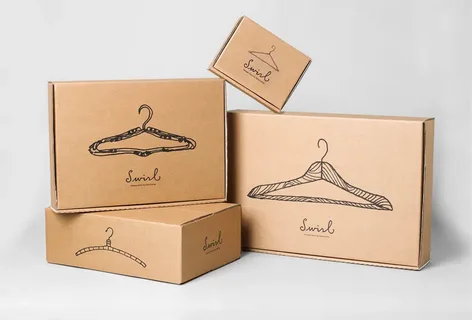
The world of clothing has undergone a remarkable change over the recent times and the packaging design has become a very important aspect in the success of a clothing brand and satisfaction of users. With online shopping still leading the sales, there is no overstating the significance of finding the correct packaging to use on clothes. Packaging decisions are directly associated with brand loyalty and the customer perception of a brand, whether it is in the case of shipping fragile materials or the memorable first impression of the box.
Understanding the Importance of Proper Clothing Packaging

Correct packaging of clothes plays several highly important roles, including innovative packaging ideas which go much further than just a protective one. As customers open their online orders, they first get into contact with your brand physically through the packaging. This first point of contact will greatly affect their experience in terms of quality and sustainability values and their sense of the whole brand experience. Good packaging is meant to cushion the garments against moisture, dirt and damage, and to offer protection while retaining their shape and look during shipment.
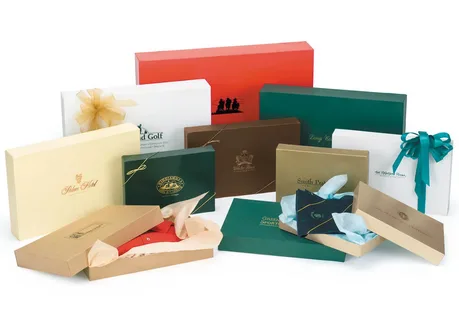
It is a marketing vehicle too as it conveys brand values of your brand and the quality it contends. In the current eco-friendly market, consumers are becoming more appreciative of fashion brands who portray the same essence on their packaging, recognizing the branding opportunities they present. Such transition has led to a new competitive place of businesses that can distinguish themselves with innovative and environmentally friendly packaging.
The Evolution of Clothing Packaging Materials

Clothing packaging materials have changed in a major way over ten years ago. Although traditional plastic poly bags are yet to lose their popularity because of its strength and low cost, more sustainable options, including recyclable or biodegradable materials, are gradually replacing them. Compostable polymers, recycling paper products, and modern bio-based materials featuring less harmful protection in the environment are available at present.
Polyethene, also called polybags, are used to make most mailing bags used to ship orders in eCommerce. Since poly bags, unlike recycled poly mailer bags, are notoriously difficult to recycle, they mostly end up in land-fills and may decompose within 1,000 years, contributing to the problem of single use plastics, endangering many animals. This fact has fuelled the creation of alternative materials which still offer similar protection but pay care to the issue of the environment..
Poly Mailers: The Traditional Choice for Apparel Shipping
Poly mailers have retained their popularity as far as clothing retailers are concerned because of the effectiveness and versatility that they have. These are waterproof but lightweight and are made to be shipped up to take the meting of shipping and to be able to protect the clothes of customers with moisture and dirt. Poly mailers come in the form of a bag and they can easily accommodate shirts, shorts, pants among other bulky attires as part of the packaging design process . Stuff your products into it with its functional features and it is ready to be shipped.
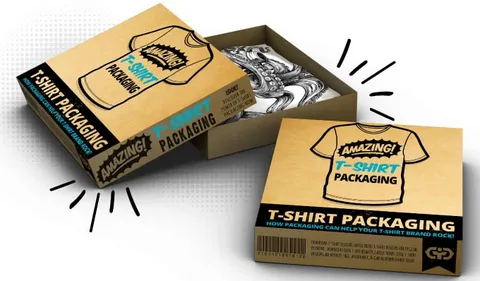
The poly mailers that exist today have quite a few benefits such as tear resistant, can seal themselves and can be made clear when required. Some environmental concerns are being met because many manufacturers today are making poly mailers with recycled content without sacrificing the qualities that encourage retailers to use them.
Sustainable Poly Bag Alternatives
In response to the sustainability wave, quite a number of environmentally friendly alternatives of conventional poly bags have emerged. Your garments are now kept safe in compostable garment bags, cloth bags compostable poly bags, paper Ocea Bags and self-seal bags made out of recycled materials. The other options are eco-friendly with reduced negative effect on the environment because of biodegradable or recyclable materials, aiming to reduce waste .
The Flap Pouch Packaging are designed to be compostable and include a flap that is closed and allows the user easy reach to the contents as well as offer security of contents. These new solutions illustrate the manner in which the industry is changing to accommodate the functional needs as well as the environmental needs.
Kraft Paper Packaging: The Eco-Friendly Champion
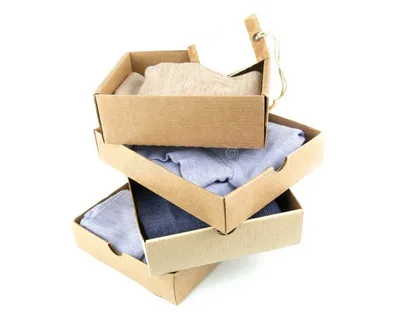
Kraft paper has come out as one of the most convenient sustainable packaging solutions to shopkeepers of clothing products. Clothing packaging bagger should always use Kraft paper bags, branded tissue paper, or custom printed boxes due to their eco friendly nature. They are body bags and as such they are strong and durable to ensure the protection and the safe transportation of clothing items such as shirts and gowns.
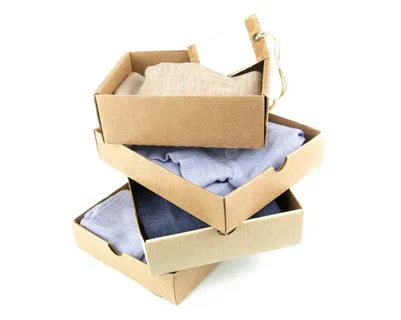
Kraft packaging is produced with the usage of natural wood fibers. Whereas, being a renewable resource, trees also affect sustainability of kraft paper, though there is a dependence on the source of the materials. Kraft paper comes with an outstanding level of sustainability and functionality as well when it is produced with responsibly grown forests in mind.
Paper Mailing Bags and Their Applications
Mailing paper bags have become very popular within the E-commerce industry especially in the clothing delivery. In the e-commerce delivery, custom packaging such as envelope style mailing bags are fairly common. Many small items or items that are well packaged with custom tissue paper are placed in paper mailing bags. Self adhesive strip is used in some to easily seal them and please the customers with small details, like a thin inner cloth lining where one can tear it easily.

The benefit of having these bags is that they are easy to recycle without compromising the safety of most articles of clothing. They become retail friendly to both a retailer and a customer by adding tear-resistant linings and self-adhesive strips.
Cardboard Boxes for Premium Packaging
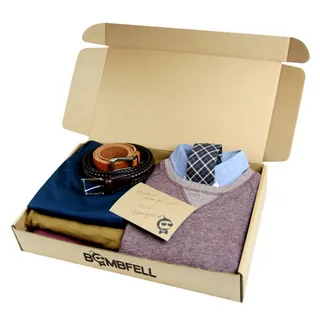
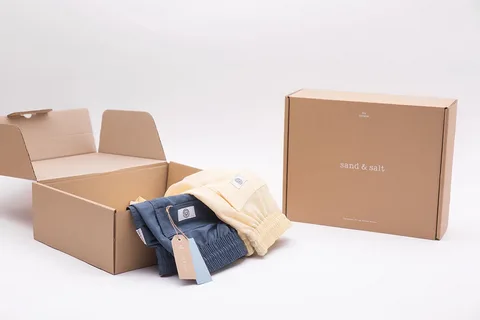
When packaging high-value goods or to generate the best unboxing experiences; nothing beats cardboard boxes of any size. Apparel packaging can be done in a very good way using rigid cardboard gift box made of 2mm duplex board and this is coated with art paper or Kraft paper. Such selection of material provides attractive packaging as it offer a backdrop of quality and has an option to have an offset printing to make the entire packaging look beautiful.
The cardboard boxes are safer in transporting fragile goods and can be personalized by printing, embossing or any kind of decorations to display the brands. These go well with formal clothes, luxury or special occasion clothes.
Compostable Packaging Solutions
The manufacture of compostable packaging also provides a huge breakthrough in the field of sustainable packaging technology. TIPA manufactures compostable materials with certified compostable polymers, replacing traditional plastic packaging, and already has the interest of well-known brands on board, including Scotch & Soda and Gabriela Hearst. The solutions are both biodegradable and give the same durability and safety as traditional plastic.
The packaging materials composture into non-toxic residues in commercial composting plants. This technological innovation is especially ousting to both the green consumers, as well as brands determined to lessen their impact on the environment.
Recycled Content Packaging Options
The availability of recyclable materials that are used in form of packaging solutions has increased significantly with many manufacturers offering a great compromise between functionality and sustainability. Poly mailers ensure the green cycle by recycling up to 50 percent materials, reflecting the brand’s commitment to sustainability . Our poly mailers are reusable unlike other mailers that would have to be thrown.
The second effect of these used alternatives is that they cut down on the waste but at the same time continue to provide the protective qualities that clothing delivery requires. Another value added aspect is the reusability factor that increases the lifecycle of the product packaging..
Innovative Paper-Based Solutions
The recent advancements in paper-based packaging came up with products that are equally protective and durable as plastic. The Ocea TM Garment Bags is a worldwide first recyclable curbside poly garment bag manufactured in FSC certified paper. These bags are certified with high recycled content of items after consumption, enhancing the brand’s image and are a more environmentally friendly alternative to inner bags of clothes.
These non-plastic alternatives are the most futuristic technology in terms of sustainable packaging as they provide a protective plastic layer using paper.
Choosing the Right Packaging for Different Clothing Types
Clothing of various types has to be packed differently. Fragile goods such as a silk blouse or a formal outfit are favorable to be transported in a rigid box or a padded envelope that provides a premium feel , whereas ordinary clothes, such as a t-shirt and jeans, can be well-sent in a poly mailer or kraft paper bag. Coats or boots from the clothing line are heavy products, which might need special packaging such that they are not broken during delivery.
Value of the garment has to be taken into consideration as well, where more value items are to have more protective and high-end packages. The practice of using custom packaging boxes can be used in holding to the perceived value of the product as well as delivering in pristine condition..
Packaging for Different Retail Channels
This is because the packaging requirements in the different retail channels vary considerably. Brands trading directly with the retail stores and customers tend to focus on unboxing experience and the brand representation, and custom boxes or branded poly mailers are a perfect option. There may be a more cost effective and protecting emphasis in wholesale operations, where simple poly bags or kraft paper solutions are preferred.
With omnichannel retailers, a flexible solution that is able to run across multiple distribution channels is needed and therefore successful packaging solutions can only support a variety of different shipping needs with packaging that remains brand consistent.
Cost Considerations in Packaging Selection
Cost is also a significant element in the packaging selection although sustainability is considered. Kraft paper bags are available at a lower price and provide cost economical choices to the businesses that have to consider the two-way aspect of environmental friendliness and spending. The trick is to maintain a right balance in terms of protection, economic sustainability and budget limitations.
Bulk buying may considerably lower unit prices, and the benefits of premium packaging will be affordable to smaller companies. Also, the overall cost of ownership is to be calculated not only on the basis of initial costs on the costs of packaging, but also on the factors such as the degree of damage, customer satisfaction, the brand influence.
Brand Impact Through Packaging Design
Designing of the package is very important in brand awareness and consumer experience. The most simple packaging may be turned into the powerful marketing tools with the help of custom printing, colors and materials. The first impression of the unboxing has been especially significant in the era of social media, when customers usually post their purchases on the Internet.
The same touchpoints with supportive brand identity packaging designs also assist in building ties between the touchpoints and customer. This uniformity is of great urgency when it comes to companies that operate on various channels and product lines.
Environmental Impact and Sustainability Goals
Environmental impact of packaging decisions goes beyond the material that are used in the packages but also the process of manufacturing the packaging, the logistical efficiency to transport these packages and what is done to them during the end-of-life. When creating sustainable packaging strategies for eco conscious consumers, especially for shipping clothes, thought should be given to every part of the packaging lifecycle, including the emotional connection built through techniques such as extraction of raw materials as well as disposal or recycling of the container.
Firms are developing sustainability objectives encompassing the packaging objectives which in turn is stimulating innovation in the realm of eco-friendly resources and procedures. Such undertakings commonly affect the customer buying a decision and are capable of offering competitive advantages in clean environments.
Regulatory Considerations and Compliance
The rules regarding packagings change – depending on the region they are to be found in and thus there is a tendency towards change as governments act on environmental concerns. Increasingly extended producer responsibility legislation, as well as plastic taxes and recycling laws, are being introduced, meaning that companies have to keep knowledgeable of the laws they operate in.
Such regulations should also be practiced not only because it is legally required, but it may also strengthen the brand’s story as an advantage in marketing to customers and other stakeholders that the organization is environmentally responsible.
Technology Integration in Packaging
More aspects of utilizing the technology features of modern packaging such as QR codes, NFC tags of smart labels find their way into the packaging. These attributes can be connected to a product fact sheet, care label, or even sustainability certifications, offering a new level of customer experience and useful information to retailers.
There is also enhanced tracking and analytics facilitated by integration of technology that allows businesses to optimize their packaging strategies using accurate real world performance data.
Quality Control and Testing
Quality control will guarantee that packaging does its work as it should during shipping. The tests that should be conducted include factors such as moisture resistance, tear strength, and temperature tolerance to make sure that garments reach the destinations in perfect condition.
Quality audits should also be carried out regularly so that possible problems can be detected in time before they impact on customer satisfaction as well as creating the chance of optimizing the packaging specifications on the basis of real performance metrics.
International Shipping Considerations
The international shipping involves special packaging challenges such as an increased transit time, handling stations and changes in the environmental conditions. The packaging of shipments going internationally may need a higher level of protection as well as adherence to the laws of the country of destination.
These aspects should be taken into consideration when selecting the packaging materials needed and the design such that it remains cost-effective and sustainable. Depending on the climatic conditions or shipping conditions certain materials might be superior.
Seasonal Packaging Adaptations
Any seasonal influence may greatly affect the performance of packaging, especially in the case of sensitive temperature items or a severe case of weather. During the summer shipping a different moisture protection could be necessary and during the winter season it could be needed to use either more insulation or freezing protection.
Considerations should also be taken in seasonal packaging methods regarding the requirements of packaging during holiday seasons as well as the volume of packages and handling which occur during holiday peak shipping times.
Storage and Handling Requirements
The design of packaging should not only consider storage and handling of the package in different locations within the supply chain. The ease of handling, space efficiency and stackability all influence the operational cost and efficiency.
Storage conditions of the packaging materials themselves are also valuable as the contact with the moisture or temperature extremes or even the UV light can degrade some of the materials prior to the use.
Customer Experience and Unboxing
Unboxing experience has played an essential role in customer satisfaction, especially in e-commerce setting. In a crowded market, easy-to-open and visually appealing packages that have a good experience can affect customer loyalty and word-of-mouth to a significant degree traditional plastic poly mailers.
Social media has increased the significance of the unboxing experiences as most customers feel the need to show off what they buy on the internet. Value can also be created by packaging that takes good photographs or offer extraordinary experiences, resulting in potential valuable organic marketing content custom recycled boxes.
Future Trends in Clothing Packaging
Advances in sustainable materials, smart packaging technologies, and shifting consumer demands are likely to define the future of clothing packaging. The use of biodegradable materials, reuseable packaging systems and circular economy principles are likely to gain larger significance.
New technologies such as edible packaging, self-healing materials, custom tote bags, and novel bio-based polymers could change the industry over the next few years sturdy corrugated cardboard. Such innovations must be able to strike the right balance among performance, costs and impact on the environment so as to enjoy wide-spread adoption creative packaging.
Customization and Personalization
One more popular trend is customized packaging as brands aim to treat customers in their own way. Digital printing technologies make customization of packaging in small batches cost effective, so that brand representatives and customers can be targeted individually and on special occasions thoughtful packaging.
This is in the direction of the personalization of packaging functions with the availability of packages of all sizes, protection and additional properties depending on the customer needs or preferences.
Supply Chain Integration
Incorporation of the supply chain operations, manufacturing to the final delivery in supply chain operations is required in the effective packaging strategies. Such integration involves such aspects as automation compatibility, efficiency and optimization of warehousing, and transportation brand logo.
The decisions regarding the packaging must favor the overall objectives within the supply chain without affecting security of products and customer satisfaction. It is a comprehensive effort that assists in making sure that packaging options do not impede operational efficiency eco friendly packaging.
Measuring Packaging Performance
Effective packaging has to be measured and honed continuously. Possible key performance indicators can be rates of damages, scores of customer satisfaction, rates of returning of goods and measures of environmental effects.
A constant review of these measures allows finding out the areas of improvement and also, makes sure that packaging approaches still satisfy emerging business demands and client prerequisites.
Industry Best Practices
Major players in the garment trade have come up with best practices that can be used in determining packaging. These practices usually focus on sustainability, customer experience and operational effectiveness at minimal cost doses.
By being aware of the current best practices and emerging trends within the business, packaging strategies and other investments are made effectively.
Implementation Strategies
Implementation of packaging has to be done carefully so that it may be successful. These involve the choice of suppliers, quality assurance procedures, employee education and informing customers of packaging options.
Staged implementation strategies may aid in risks and cost control as well as in adjustment according to the first outcomes and responses.
Vendor Selection and Management
The process of selecting the correct packaging suppliers is of great essence in successful implementation. Some considerations entail quality, reliability, sustainability credential, cost, and competence of supporting growth and shifting needs.
Good vendor management incorporates in-depth performance analysis, constant advancement projects and co-creation of new solutions.
Cost-Benefit Analysis
All the costs of packaging decisions ought to be examined in depth in terms of cost-benefit analysis using the cost of materials, operational effect of packs, customer satisfaction and the environmental benefit. Such integrated strategy allows to be certain that the investments into the packaging provide value on several levels.
Long term trends and possible changes in regulatory barriers and how the relative costs and benefits of alternative packaging options could be addressed should also be examined.
Conclusion
Choosing the best packaging of clothes should be based on the numerous factors that include the sustainability aspect of the material used to the customer experience. The movement of the industry towards green products has developed many viable products that meet the eco friendly requirements allied with the convenience of functionality. Being aware of the advantages and uses of various types of packaging, companies are able to make a calculated decision in favor of their business interests as they are able to comply with the expectations of their customers as well as their sustainability concerns. The future of clothing packaging is offering itself to the understanding and shaping stimuli of technology and consumer demands where businesses need to keep up with the latest design elements, trends, and practices of clothing packaging and technology.