作者姓名:atyrssoj@outlook.com

Blog

How to Choose the Right Packaging for Luxury Watches

Luxury watch packaging plays a critical role in brand perception, product protection, and customer experience. This guide explains how to evaluate packaging structures, materials, inserts, and cost factors to help watch brands choose packaging that aligns with premium positioning and real-world logistics—without compromising quality or consistency.

Wide-angle view of a packaging factory floor with workers assembling die-cut boxes at long tables, surrounded by stacks of finished products and raw materials.
Uncategorized

Laser Cutting vs Die Cutting in Packaging

Laser cutting and die cutting shape packaging materials differently — one uses a beam for flexibility, the other steel rules for speed at scale. This guide breaks down how each affects precision, costs, material handling, and structural outcomes in real packaging production, helping you select the right approach for your design and volume.

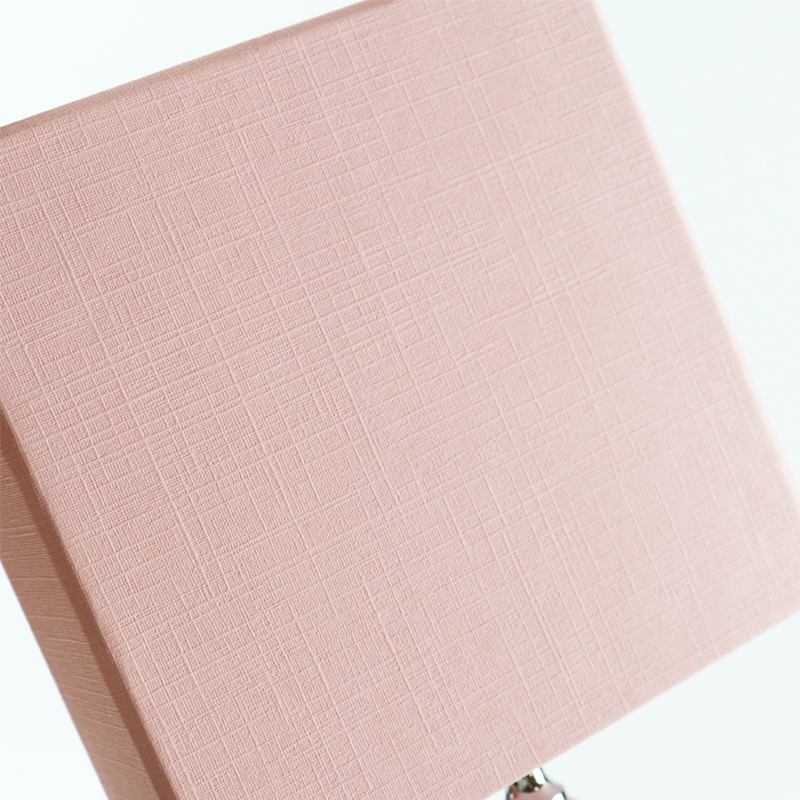
Close-up of a soft pink rigid box with a fine woven texture, showcasing the tactile quality achieved through silk screen printing on specialty paperboard.
Uncategorized

What Is Silk Screen Printing in Packaging?

Silk screen printing is a printing technique widely used in packaging to apply thick, vibrant ink layers onto paperboard and specialty materials. This guide explains how silk screen printing works, how it differs from digital printing, and when brands should choose it based on production scale, durability requirements, and color precision.

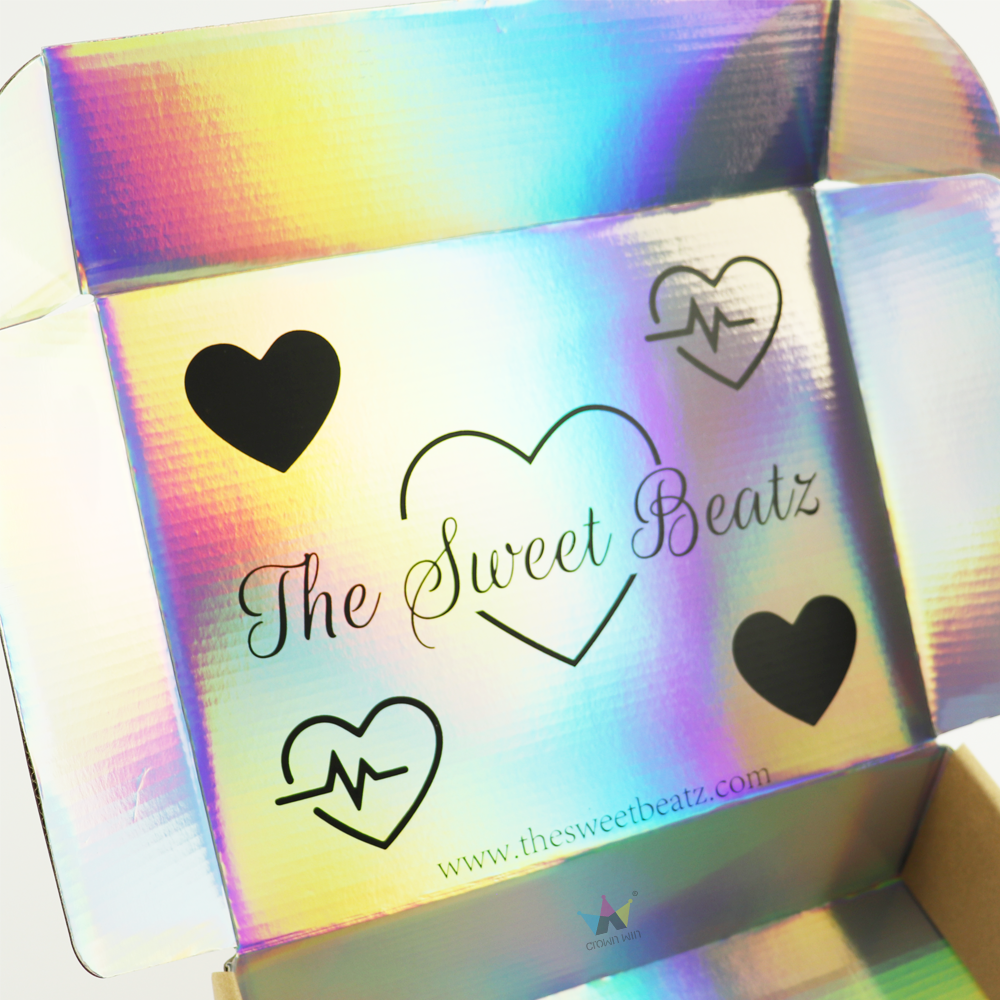
Open cardboard box featuring a rainbow holographic foil finish with black heart icons and 'The Sweet Beatz' logo, demonstrating high-contrast, eye-catching packaging ideal for e-commerce and retail.
Uncategorized

Matt Lamination vs Glossy Lamination in Packaging

Matt lamination and glossy lamination are two common finishing techniques in packaging, each creating a distinct surface appearance and performance profile. This guide explains how they differ in texture, reflectivity, durability, and production cost, helping brands choose the right lamination finish based on manufacturing logic and brand positioning.

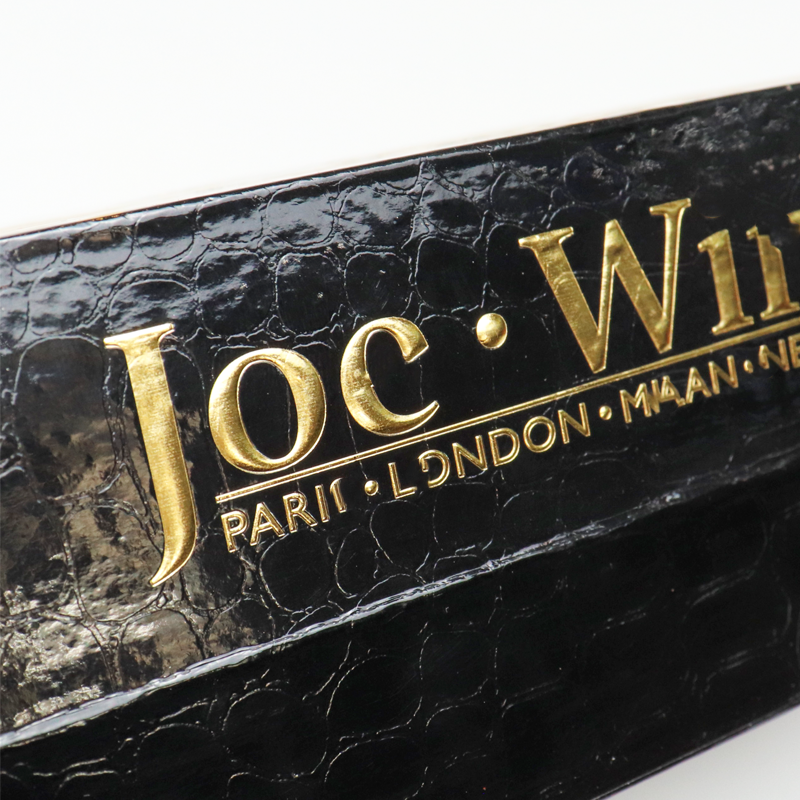
Close-up of a black rigid box featuring crocodile-textured soft touch lamination and raised gold foil lettering, showcasing high-end finishes for luxury branding.
Uncategorized

What Is Soft Touch Lamination in Packaging?

Soft touch lamination is a premium finishing technique used in packaging to create a velvety, smooth surface texture. This guide explains how it works, how it differs from standard matte lamination, and when brands should use it based on production realities, material compatibility, and long-term durability considerations.

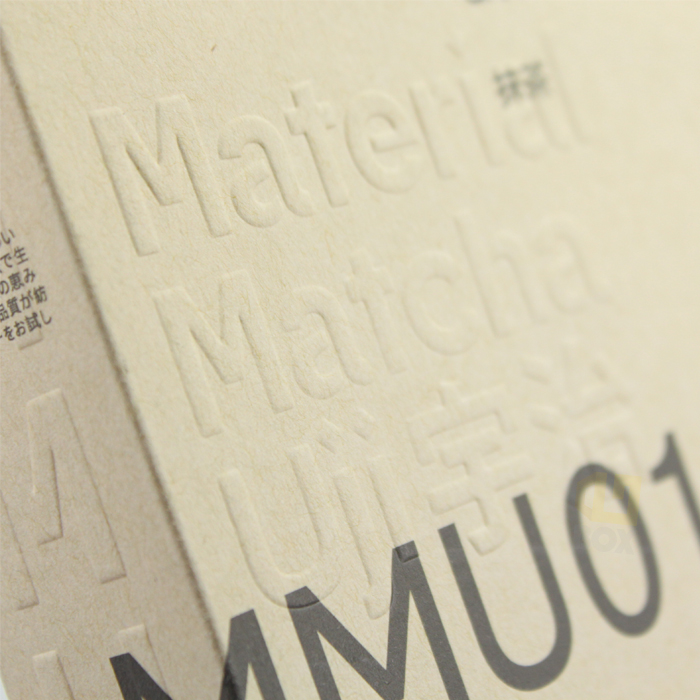
Close-up of raised text "Material Matcha" on a natural paper surface, showcasing blind embossing that creates depth and texture without any added color or foil.
Uncategorized

Blind Embossing vs Foil Embossing in Packaging

Blind embossing and foil embossing are two popular finishing techniques in premium packaging, but they differ in visual impact, texture, and production complexity. This guide explains how each method works, how they affect brand perception and cost, and when to use one over the other based on real manufacturing considerations.

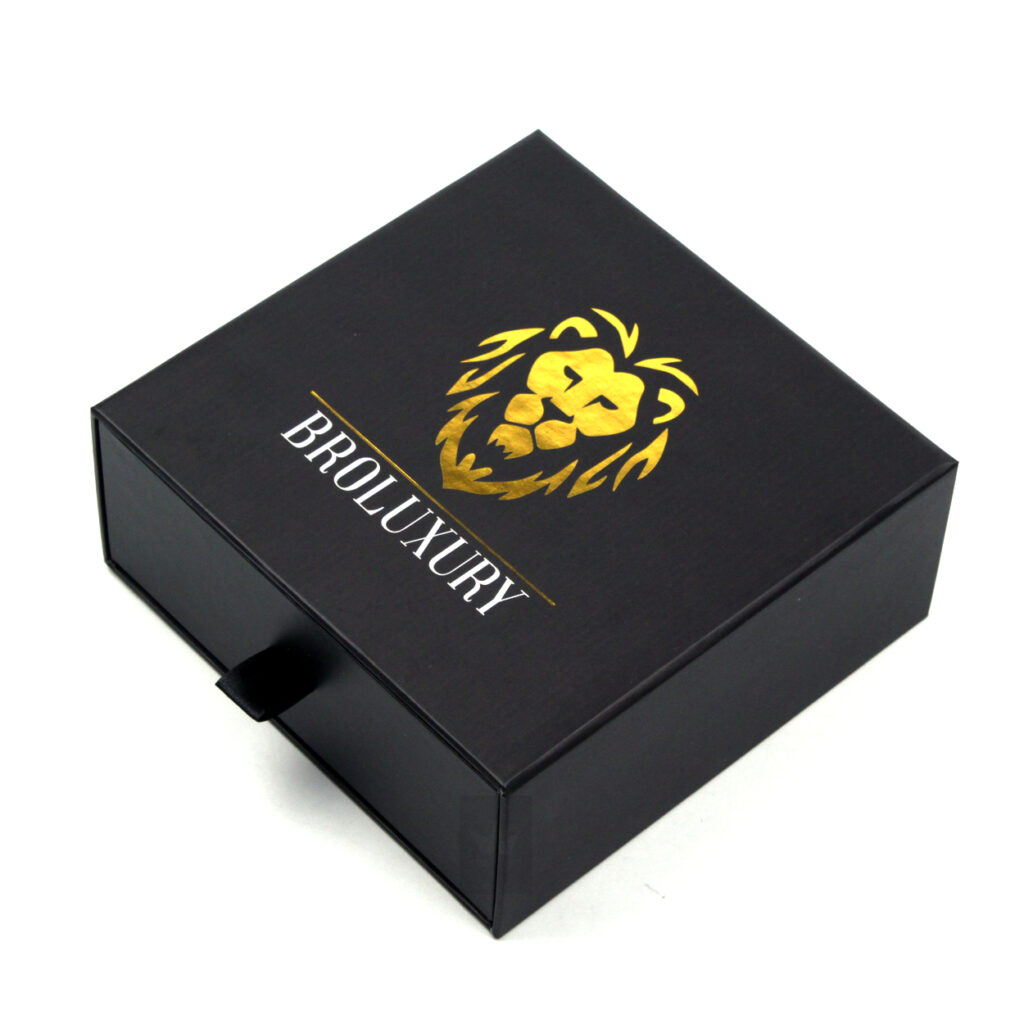
Black rigid box with a golden lion logo and "BROLUXURY" text using hot stamping, creating a striking contrast and premium feel suitable for high-end consumer goods.
Uncategorized

Hot Stamping vs Cold Foiling in Packaging

Hot stamping and cold foiling are two widely used metallic finishing techniques in packaging, but they differ significantly in process, durability, cost structure, and scalability. This guide explains how each method works and when brands should choose one over the other based on production realities rather than surface appearance.

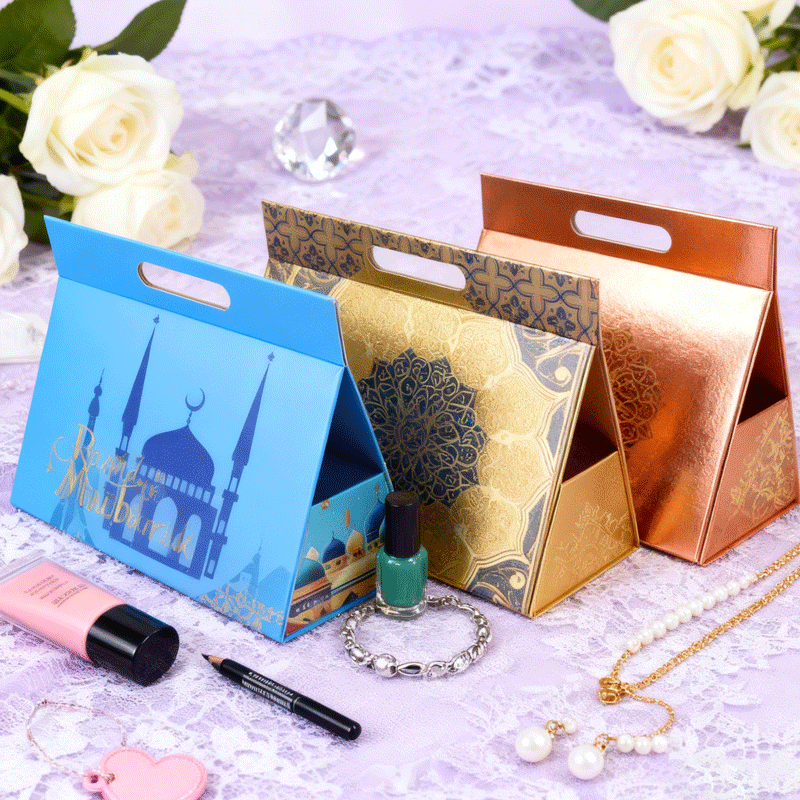
Blue, gold, and copper-colored carry boxes with Islamic-inspired designs, featuring metallic finishes and intricate patterns—ideal for special occasion packaging using Pantone spot colors and specialty inks.
Uncategorized

CMYK vs Pantone Color in Packaging

CMYK and Pantone are the two primary color systems used in packaging printing, but they serve different production goals. This guide explains how they differ in color accuracy, cost structure, scalability, and long-term brand consistency, helping brands make informed manufacturing decisions rather than relying on design assumptions.

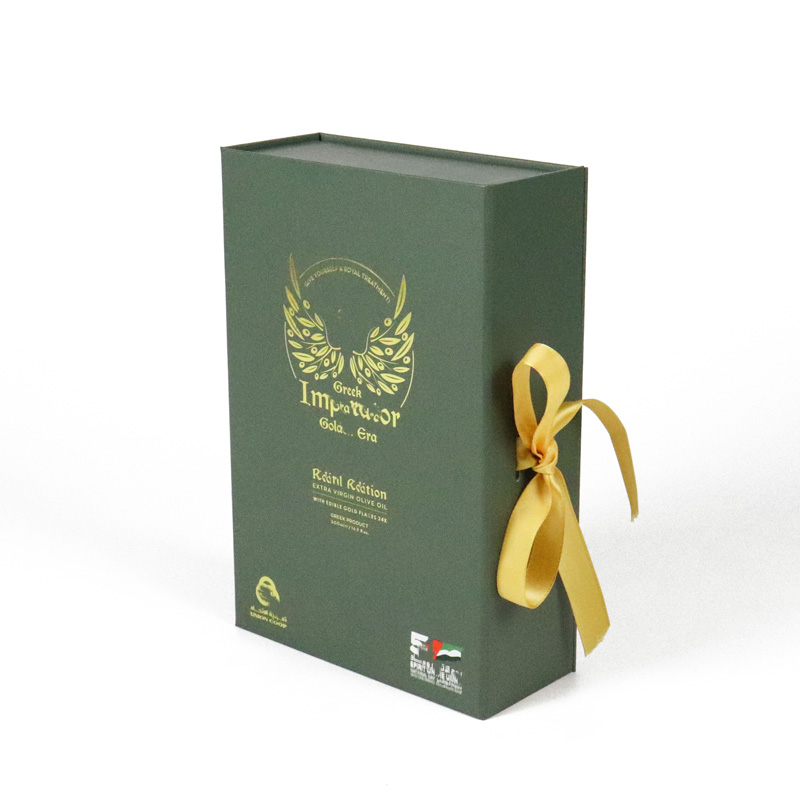
Green rigid gift box featuring a gold foil emblem with wings and text, tied with a golden ribbon, presented against a white background.
Uncategorized

Screen Printing vs Digital Printing for Packaging

Screen printing and digital printing are widely used in packaging, but each serves different production needs. This guide explains how the two printing methods differ in process, cost, color consistency, scalability, and material compatibility, helping brands choose the right solution based on real manufacturing and packaging requirements.

滚动至顶部