
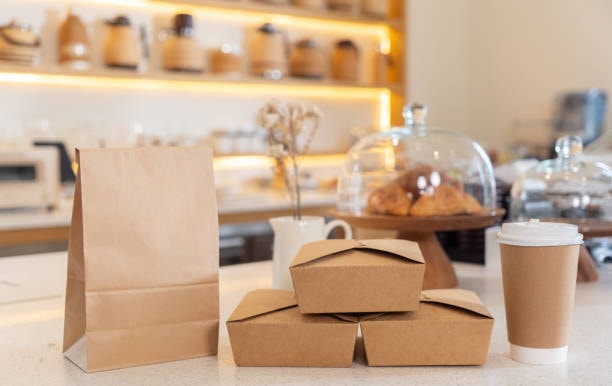
Meta Description: Learn our master guide to creative packaging ideas and cardboard box packaging design. Discover the studies in optimization methods, sustainability, economical solutions and design trends of 2025. Increase your brand through professional packaging concepts.
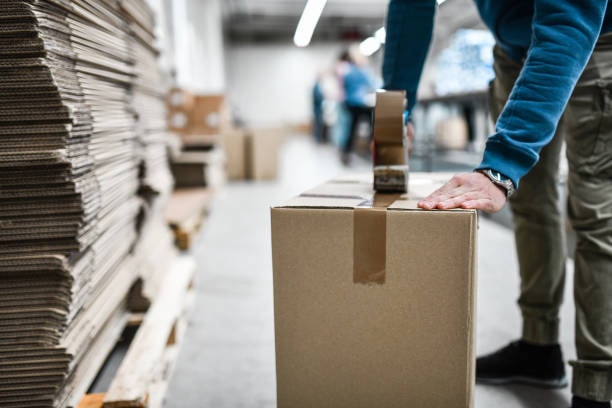
Packaging in cardboard boxes has become a totally different world and is no more just a plain scenario of containing things to sophisticated form of marketing that enhances brand recognition and customer loyalty. This is because in the present competitive market, the effective package design would be acting as the silent salesperson that can either result in either the success or the failure of a product at the point of sale by leveraging various elements . The complex nature of the cardboard box packaging design is important in the sense that businesses consider their packaging strategy, and at the same time, they expect it to be cost-effective and sustainable.

The packaging design nowadays is much more than just making it look good; it encompasses innovative packaging ideas . It combines structural engineering, material science, sustainable balance, texture, and marketing psychology to come up with solutions that safeguard products, decrease expenses and increase brand recognition. The emergence of e-commerce has also increased the need to focus on packaging design due to the unboxing experience joining customer satisfaction and social media marketing as an essential ingredient in the strategy. The combination of an optimised packaging design with an optimised packing process is known as packaging optimisation and therefore the strategy that a business deploys in terms of packaging must be comprehensive in its scope.
Understanding the Fundamentals of Cardboard Box Packaging Design
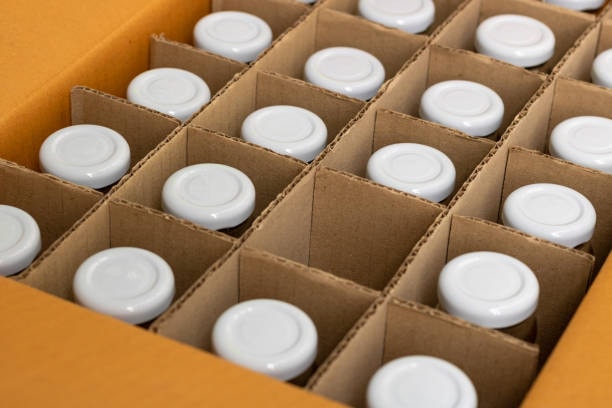
The principles of effective design of cardboard packagings basis is on the knowledge of material characteristics and the strength capacity of corrugated cardboard. This versatile material combines the fluted layers of the paper and flaps into a single unit, and the resulting product, cardboard, has a balanced ratio of strength (based on paper), lightweight (based on paper) and affordability. The multilayered structure is very good with regard to cushioning yet is structurally stable against a range of stresses.
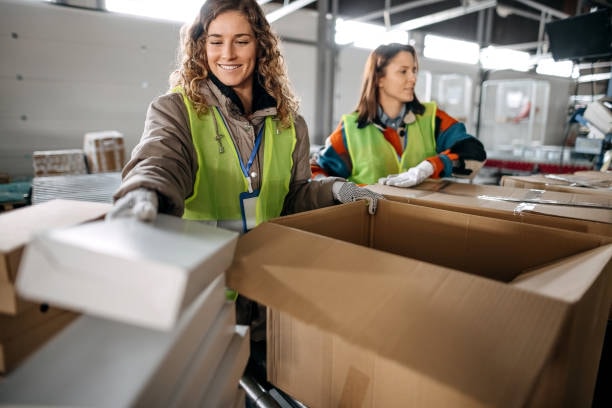
Proper design of cardboard box starts with proper assessment of product specifications. Features like the shipping conditions, the weight, size, and fragility of the food products all count into the design decision. The box should be able to protect well during storage, handling and transportation and should be able to ensure that the usage of the material and expenditure is minimized. By considering such bases, designers can design packaging that fulfills the main purpose of protection, and also be used to achieve the overall business needs, such as packaging for a gift .

Creation of the design keeps in mind the type of flute, the grades of board, and the means of construction. Single-wall, double-wall as well as triple-wall corrugated cardboard and regular slotted container has varied strength properties together with varied cost implications. Depending upon individual protection needs and budget limitations of the packaging application, one of these creative preferred choices can be made. Also, the position of the corrugated flutes, against the product and the anticipated pattern of stresses, has an important influence on the performance characteristics of the box.
The Science Behind Optimized Box Sizing and Fit
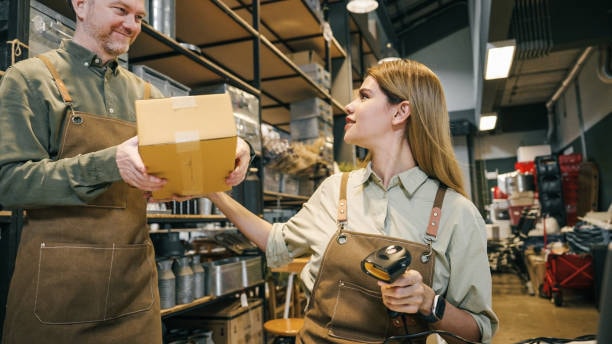
Box sizing is one of the most serious parameters when it comes to packaging optimization and it directly affects the costs spent on the materials, the shipping costs, and the sustainability of the customer. The initial thing you can do to optimise your package would be to select the appropriate (adding fit here) sizes of the box that your product deserves. The over sized boxes, due to their width, use more materials and also cause high shipping prices. This principle emphasizes accurate dimensional planning when it comes to packaging design.
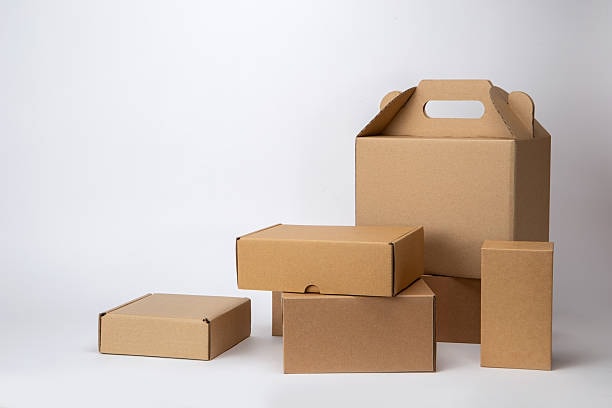
The optimization method consists of a trade-off between protection of products and effectiveness of material, which is crucial for selling . A large box wastes extra materials and increment of transport cost by either use of dimensional weight pricing or the protection is not sufficient or sometimes is not able to pack efficiently, impacting the purchase experience . Sophisticated packets such as packages design software and mathematical modeling to define the optimum geometry that can reduce costs of packages without compromising the protection criteria.
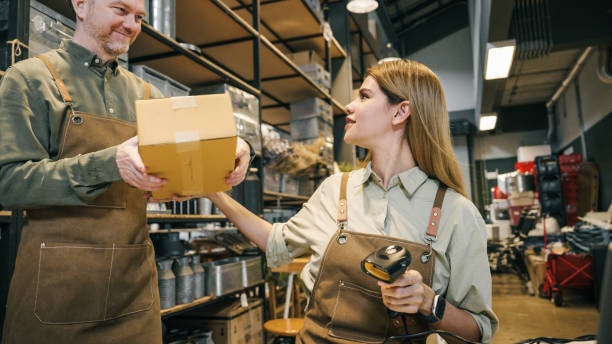
The human factors in the packaging operations are also another aspect of effective sizing that should be put into consideration. Correctly adapted boxes may considerably speed up the fun process of the products being packed when they have dimensions that allow the products to be easily inserted in them and the box be closed as well. This is especially critical in the type of scenario where a company has to deal with high-volume packaging facilities with small percentage increments in packing efficiency; clear instructions may lead to huge cost reductions and an increase in productivity are observed.
Sustainable Design Practices for Modern Packaging
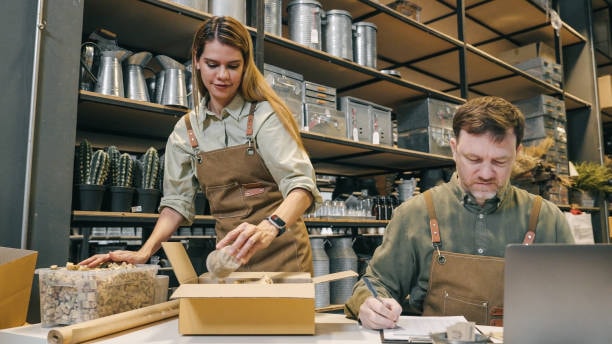
The issue of sustainability has taken a leading direction in packaging design and consumers and firms are becoming more interested in issues of environmental responsibility. The eco friendly packaging designed to be sustainable is physically optimized in terms of material and energy and, most importantly, impact on the environment and footprint of ecology; this can be documented in a white paper . In this method, the designers are compelled to take the whole life-cycle of the packaging materials such as sourcing the raw material to putting the packaging materials to rest.
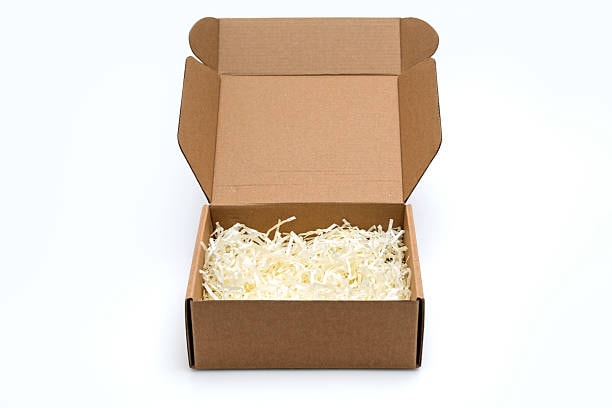
Some of the most important principles pertaining to the modern sustainable packaging design include material reduction, use of renewable resources, and recyclability of the design itself. Material reduction is done through the best possible box mix and wall thickness where graphic design is considered, ensuring the design is also light and raw materials are used in the smallest amounts possible without affecting performance. The recycled material content and use of the sustainably sourced ingredients contribute to lowering the environmental footprint of the packaging process production.
Recyclability accommodation means that the packaging is easily recycled in recycling systems that are readily available. These include the use of mono materials, the production of inks and adhesives that use water and box designs that can be easily broken down in the recycle process. The keystone of this strategy is that by the end of 2023 we will increase to 100% recyclable cardboard, which will tremendously decrease our waste products and proves how companies are cutting their sustainability objectives in every form .
Cost-Effective Design Strategies That Drive Results corrugated boxes
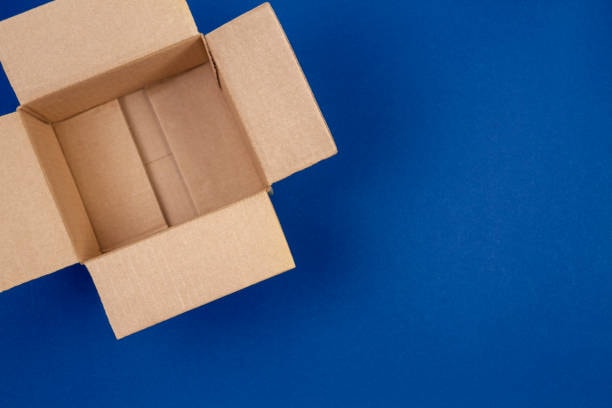
To understand cost optimization on the packaging of cardboard box design, a fully-knowledge of all the aspects of cost which includes material cost, manufacturing cost, storing cost and transportation cost would be needed. The best way to manage costs is by the design choice which would lead to minimum usage of materials yet perform as per needs. This is done by economizing on size of boxes, choice of suitable grades of boards, and creation of effective die-cutting patterns to save wastage while focusing on branded packaging .

Efficiency in manufacturing is important in optimising cost for product packaging draw . The designs which could be manufactured through some usual manufacturing processes and machinery usually cost less as compared to the design which requires some specialized tooling and complex fabrication. Standardization of box size among lines is another initiative that can offer cost savings in terms of economies of scale, easy maintenance of inventories, and provide a canvas to decorate the packaging.
Transportation and storage costs are substantial in most cases and cannot be ignored because they are necessary to include when calculating the total packaging expenses. The storage space needed and the transportation cost may reduce as boxes that optimize storage space and facilitating stacking is being used. Also, the automation of packing and handling processes can be implemented by the use of designs that will enable the operations to be easily automated reducing the cost of labor and streamlining the operations, especially for products like shoes product inside.
Brand Enhancement Through Strategic Packaging Design

The aim of the packaging design is as a medium of communicating with its brand and it is able to provide the chances to remind its brand identity and provide engaging customer experience. The successful practice of brand integration in cardboard packaging of box is the reasonable combination of colors, font, image, structure of packaging with the brand principles and the connection to needs of the target audience.
With the new year approaching, 2024, the industry of packaging itself is experiencing an expanding need to provide the consumers with individualization and custom refuge, defining the rising significance of individual or personal packaging experiences. Packaging is more being used as a story telling canvas where brands are looking to create components that represent their brand heritage, values and personality brand colors.
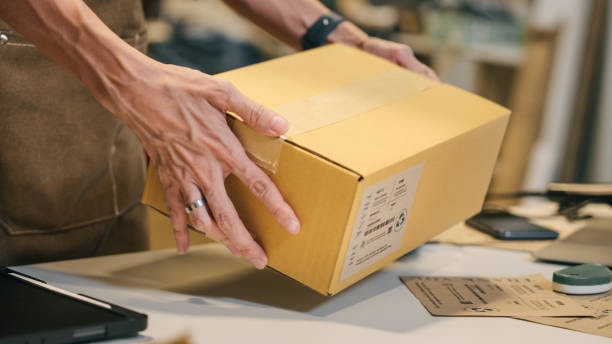
This issue has gained special significance in the era of the digital economy, when consumers often exchange their notes about the presence in social networks. The use of in-packaged designs that feature a window brings in a sense of anticipation and excitement when unboxing them and can produce organic marketing value and cement customer relationships corrugated boxes. This will include the way the box opens, the flow of revealing product and the experience of the senses.
Current Design Trends Shaping the Industry

The landscape of the packaging design is changing and continuously influenced by changing consumer demand, technology changes and market forces. By 2025, brands won t trend toward slick, perfect designs anymore brands will be more interested in an unfinished look of the Simplistic Scribbles and Etches, which represents the general shift toward au natural, handmade aesthetics, and this more authentic design aesthetic can appeal to consumers shopping around to get a genuine brand experience.

Corrugated cardboard packages with die-cut patterns have both the opportunity to display more products, as well as to provide special unboxing opportunities, showing how advanced structural design can be utilized to make products stand out and provide special experiences during product interaction. The trends sometimes use surprise, interactivity and functionability in the design that also appeals to kids and extends to roles beyond packaging.
Package design colors are also changing as brands are going vibrant and loud and subtle and elegant. Imagine dreamy pastels and contrasting brights that are at the same time relaxing and trendy, and you can see generational usage interests and cult tendencies affecting the packaging design.
Technology Integration in Modern Packaging Design
Technological application in the packaging sector is transforming the nature of interaction between the brands and its consumers as well as its packaging activities. In 2025 we witness that artificial intelligence does not leave virtually any corner of the packaging process, including design, manufacturing and printing and this can be considered the importance of artificial intelligence as optimizing print production and packaging design.
Digital printing printing approaches are making it possible to design more customized and personalized packaging, where brands can deliver variable data printing to make printing on packaging a personal affair to specific customers or market sectors. Packaging designs are becoming more interactive with QR codes and augmented reality features being introduced to deliver the extra information about products.
Smart packaging: Cardboard has been adopted to include smart packaging as e.g. sensors and indicators which report the conditions of the products, authenticity, and manipulation in real time. Such technologies make products safer and help to gather useful information in the supply chain improvement.
Quality Control and Testing Protocols
To control packing design performance to be able to achieve the same level of performance in a series of production, quality control and testing procedures are such procedures needed. Testing procedures must include assessing the structural integrity, protection capability and aesthetic look as far as development of packaging that not only serves the functional but also achieves a brand requirement.
Structural tests: It entails an assessment of the box strength in different load conditions such as box compression strength, puncture and impact strength. Quantitative data on packages behavior is achieved by edge crush tests, burst strength trial, and drop test. These tests allow to justify the design solutions and recognize the possible modes of failure of products before they penetrate the market.
Aesthetic quality control deals with print quality, color consistency and impression. This involves testing on registration accuracy, matching of the color and the surface finish. Aesthetic quality is vital to keep the brand image and customer satisfaction on a steady level.
Environmental Impact and Lifecycle Assessment
To efficiently assess the environmental impact of packaging design, thorough lifecycle assessment needs to be applied whereby all aspects of packaging production, use, and disposal are kept into consideration. Such an analysis assists in locating areas of environmental impact reduction as well as to aid the decision-making in terms of material choice and optimization of design.
Analysis of raw material being harvested, production processes, transport, use and end of life are normally considered under Lifecycle assessment. Quantitative indicators, such as carbon footprint analysis, water usage calculation and waste production analysis help to compare alternative design solutions.
Lifecycle assessment outcomes can be used to make design choices about materials selection, package size, and after use planning. This data method will serve towards maintaining a balance that the sustainability claims are backed by sound analysis and all the design choices made in actual reducing impact on the environment.
Supply Chain Optimization Through Smart Design
The design of effective packaging takes the whole chain of supply where the product is manufactured to the point of reception into account in order to maximize effectiveness and cost effectiveness. Competitive advantages and cost savings Competitive advantages and cost savings can be gained by making design decisions to enhance the operation of the supply chain.
Packaging designs that makes the manufacturing process efficient saves time and the cost of production. This involves designs that will reduce the setup time, amount of waste material as well as high speed production. Also, the designs which can be worked in accordance with the automated handling processes can enhance the process performance within the supply chain.
More optimal storage and transportation of the product can be achieved by means of designing packages that can make best use of the spaces and reduce the handling needs. The supply chain is efficiencies due to the efficient stacking attributes, standard contentions, and suitable strength attributes. Such design considerations are especially relevant to products that have large volumes of shipments and to long distance shipping.
Future Outlook and Emerging Opportunities
Future design trends of cardboard box packaging will be influenced by further innovation of materials, manufacturing processes and consumer tastes. Current developments indicate more focus on the principles of circular economy, where packaging could be used several times and the recycling process could be a very smooth one.
Green thinking: The ecologically minded design will still remain a forward-looking trend in packaging graphics, as companies are trying to identify efforts to show their commitment to the environment without compromising functionality.
Digital technologies will be more and more integrated, the features of smart packaging will become more frequent and advanced. Blockchain technology can be included to bring supply chain visibility and product authentication, and IoT sensors could enable the real-time tracking of the condition of the product and shipping conditions.
Conclusion
The design of cardboard box packaging is one such avenue of engineering, marketing and sustainability that affect the success of a business directly. Unless protection, the cost parameter, brand goals, and environmental aspects are balanced in the container , effective design strategies might not be able to develop packaging solutions that will benefit more than one stakeholder. Trends in environmentally-friendly, technology-enhanced, consumer-oriented design of packaging gives companies a chance to stand out on the market but also help to create environmentally responsible enterprises.